Why Your Kumite Looks Nothing Like Your Kihon: Closing the Gap Between Drilling and Sparring
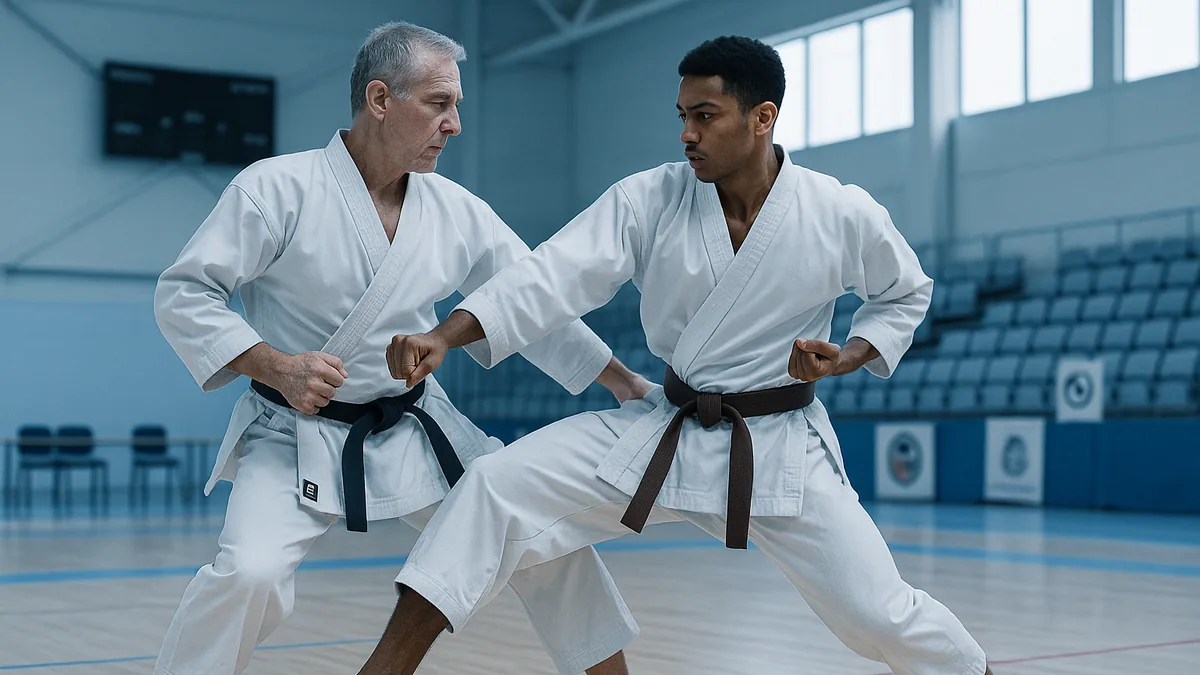
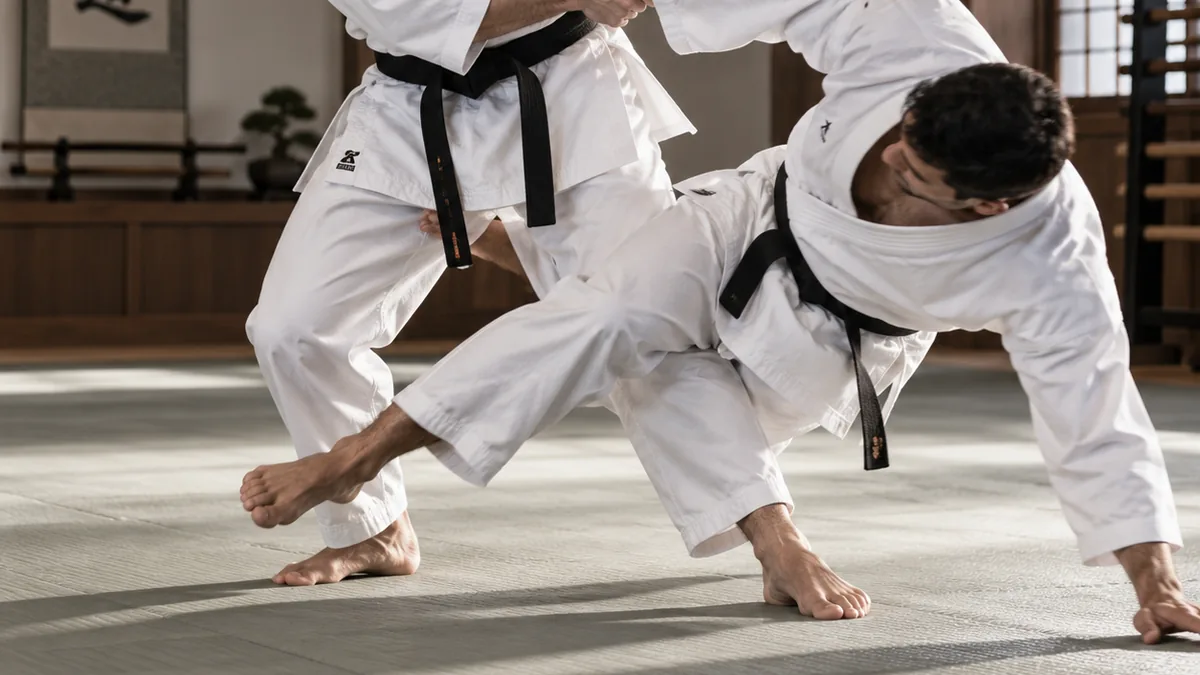
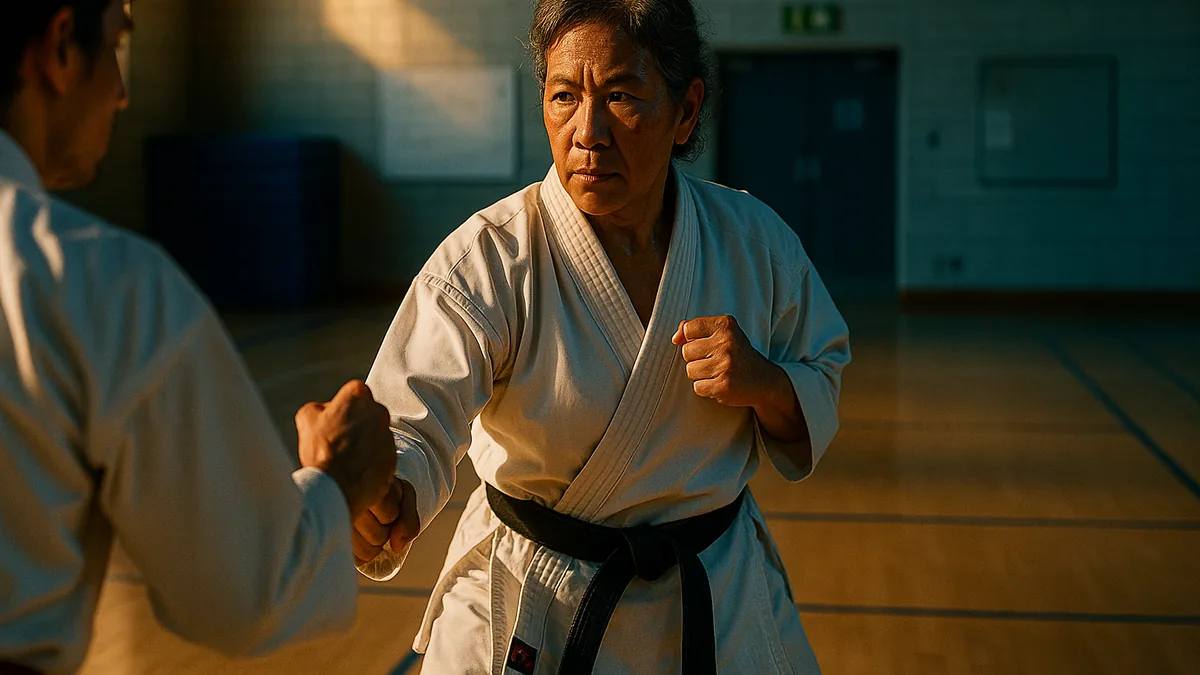
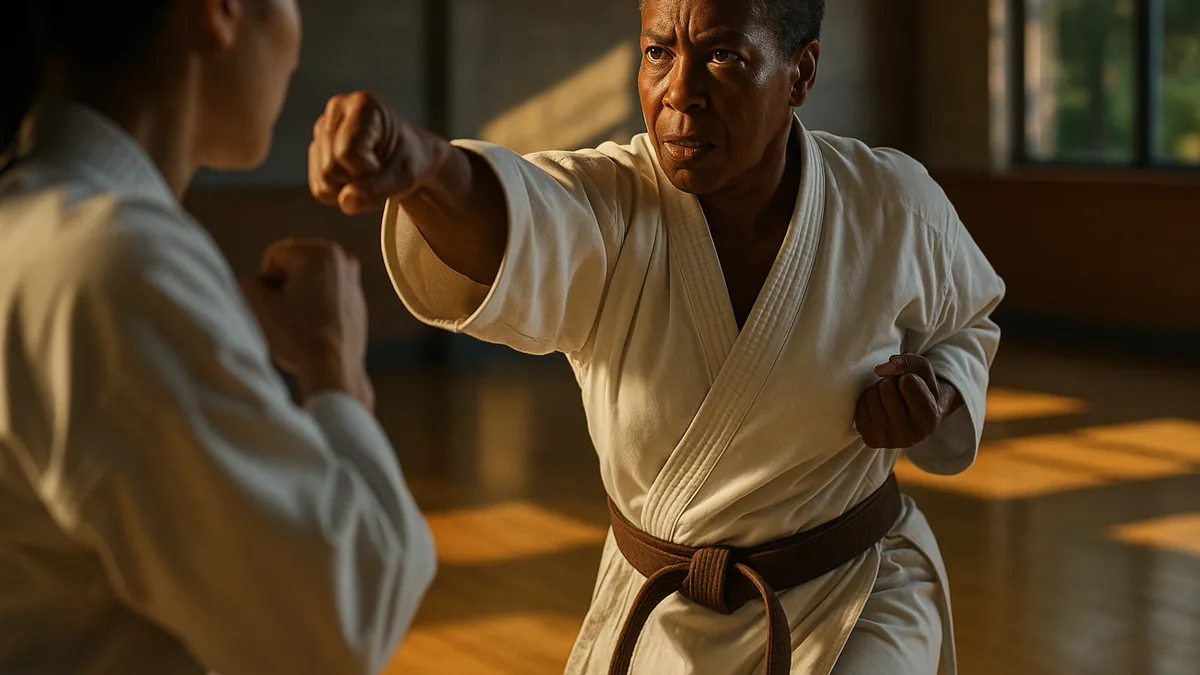
Watch someone during kihon. Clean stances, sharp kiai, hip rotation you can actually see landing at the right moment. Then put them in front of an opponent and it falls apart. The punches get shorter. The stance rises. The guard drops after every attack. It looks like a completely different person.
I’ve seen this happen hundreds of times. Not just with beginners - with people who have been training for years and genuinely believe their kihon is solid. And the frustrating thing is, they’re usually right. Their kihon is solid. That’s what makes the gap so confusing.
The problem isn’t technical knowledge. It’s that kihon and kumite are trained as separate activities, and most people never build the bridge between them.
Why the Gap Exists in the First Place
Here’s what I think is actually happening: kihon trains your technique in a vacuum. You know exactly what’s coming, you know when you’re going to move, there’s no threat to manage. So your brain has full bandwidth to focus on form. The hip comes through. The elbow stays in. The knee tracks correctly.
Kumite removes all of that certainty at once. Now you’re reading an opponent, managing distance, deciding when to attack, worrying about getting hit - and your brain starts cutting corners. The techniques that felt automatic in kihon suddenly aren’t, because “automatic” only means automatic under the conditions you trained them in.
My instructor used to say that kihon is where you build the technique, and kumite is where you find out if you actually own it. I didn’t understand that distinction until I was about three years into training. I thought I owned techniques I’d drilled hundreds of times. Then I got into my first real jiyu-kumite session and discovered I’d only ever borrowed them.
The other thing worth being honest about: most of us don’t practise kihon the way we spar. We practise kihon slowly, deliberately, with long pauses between repetitions. Then we expect those movements to show up in a fast, pressured exchange. The speed alone changes everything. A gyaku-zuki that looks perfect at half speed often collapses at sparring pace because the hip rotation gets rushed, the shoulder comes up, and suddenly you’re throwing an arm instead of a punch.
The Specific Things That Break Down
Stance height. This is the big one. I’ve noticed that almost every student who looks good in kihon rises up the moment they start moving under pressure. The legs get tired, or the brain is occupied elsewhere, and the stance drifts up without them realising. You lose power generation from the floor and you become easier to read. The correction that actually works here isn’t telling people to “stay low” - it’s giving them a specific reference point. I have students pick a height for their front knee and keep it there. Give the body something concrete to track.
Guard collapse after attacking. You throw a combination and your hands drop on the way back. In kihon this doesn’t matter because nobody’s countering. In kumite it’s an invitation. I’ve lost count of how many times I’ve watched someone score a clean attack and then get immediately countered because they relaxed for half a second. If you want to understand how badly this gets exploited, read through why combination attacks fail in kumite - the guard collapse after the last technique is one of the most common reasons combinations don’t work.
Punching short under pressure. This one is subtle. When someone’s coming at you, your instinct is to protect yourself, and that instinct slightly shortens your extension without you noticing. The punch lands, but it lands at 80% reach. Against a compliant partner in kihon you never discover this because they’re standing still at the right distance. Against someone who’s moving and pressuring you, that 20% matters enormously for whether you score or just make contact.
Losing the hip. The hip rotation is the whole punch - without it, you’re just throwing your arm. Under pressure, the hip goes first. You’ll feel it as a kind of flatness in the technique, like the power stops at your shoulder instead of travelling through. In kihon, when you’re focused on form, the hip is there. The moment attention splits across distance management, timing, and threat assessment, the hip gets deprioritised. It’s not laziness. It’s bandwidth.
Drills That Actually Build the Bridge
I want to be specific here because “do more drills” is useless advice. The drills have to target the exact failure point.
Shadow kumite with form checkpoints. Move around the space like you’re sparring - feinting, changing angles, managing distance - but pause at the moment of technique execution and hold the position. Check your stance height. Check your guard. Check your extension. This is uncomfortable at first because it feels artificial, but it forces your brain to maintain form under movement, which is the actual skill gap.
Controlled partner pressure drills. One person moves forward with light pressure - not attacking, just closing distance and being present. The other person works specific techniques while managing that presence. The goal isn’t to spar, it’s to reproduce the attention-splitting that kumite creates while keeping the technique slow enough to feel correctly. You’ll feel the difference immediately. Techniques that felt easy in solo kihon suddenly require real concentration to execute properly.
One-technique jiyu-kumite. You’re only allowed to use one technique - say, gyaku-zuki - for the whole round. Everything else is movement, footwork, and timing. This forces you to actually land that one technique cleanly under pressure rather than hiding bad technique inside a flurry of activity. It’s humbling. It also shows you very clearly where your kihon breaks down when someone’s actually in front of you.
For anything related to combination work specifically, the breakdown usually happens at the transition between techniques rather than the techniques themselves. That’s worth its own attention - the reasons combination attacks fail in kumite usually come down to exactly that transition problem.
What Senior Practitioners Do Differently
The biggest difference I’ve noticed between beginners and senior practitioners in kumite isn’t the techniques they use - it’s the amount of unnecessary movement they make. Beginners are busy. They’re adjusting, fidgeting, telegraphing. Senior practitioners are still, and then they’re not.
That stillness comes from having resolved the kihon-kumite gap. When you don’t have to think about your technique, you can spend that attention on reading your opponent. You can notice the shoulder drop that telegraphs the punch, or the weight shift before the kick. You can’t see any of that when you’re managing your own mechanics at the same time.
I think this is why a lot of practitioners plateau at intermediate level. They’ve got decent kihon and they can spar, but the two things exist in separate compartments. The kihon never becomes the sparring. And because they’re still spending cognitive resources on their own technique during kumite, they miss information that would make them significantly harder to score on. If you’re regularly getting caught from the same angle, that’s often part of the problem - and diagnosing kumite blind spots often reveals that the technical gap is contributing to the pattern.
Community Perspective
This is actually a topic where dojos differ pretty substantially, and I think it’s worth being honest about that.
Some instructors - particularly in traditional Shotokan environments - hold a strong position that kihon must be perfected before kumite is introduced in any meaningful way. The argument is that you shouldn’t be trying to apply techniques you haven’t yet internalised. I understand the logic. I don’t fully agree with it, because I think some degree of pressure exposure is necessary to understand what you’re actually trying to internalise.
Other dojos, particularly those with a competition focus, swing the other way and treat kihon as almost a separate formality - something you do for grading, not something that directly feeds your sparring. I’ve trained in places like this and the kumite is often energetic and technically messy in ways that don’t improve over time.
The position I’ve landed on after training in both environments: kihon needs to be practised with kumite in mind. Not just as a form exercise, but with deliberate attention to how each repetition translates to a real exchange. That means sometimes slowing down the kihon to feel what the technique actually does, and sometimes speeding it up to see what survives at sparring pace. The gap closes when you stop treating them as separate disciplines.
Key Takeaways
-
Kihon trains technique in a vacuum. The conditions are controlled, so your brain has full focus on form. Kumite removes that certainty. Techniques you think you own often only work under the conditions you trained them in.
-
The most common breakdown points are stance height, guard collapse after attacking, shortened extension under pressure, and lost hip rotation. Each of these has a specific correction - not “be more careful” but a concrete physical reference to track.
-
The drills that bridge the gap have to reproduce the attention-splitting of kumite. Shadow kumite with form checkpoints, controlled partner pressure drills, and single-technique jiyu-kumite all do this. Generic kihon repetition does not.
-
Stillness in senior practitioners is the result of resolved technique, not natural talent. When mechanics are automatic, attention goes to reading the opponent. That’s the actual competitive advantage.
-
If your kihon and kumite feel like separate activities, they probably are. Practise kihon with sparring application in mind. Ask yourself, after every repetition, whether that would land against someone who doesn’t want it to.
-
The gap doesn’t close by doing more of either thing separately. It closes by deliberately creating conditions where technique is tested under pressure, then taking what you learn back into kihon to fix what broke.
The weekly digest
New karate articles, once a week
One email every week with everything new on Karate Lifestyle. No spam; unsubscribe in one click.
We'll email you to confirm. See our privacy policy.