How to Handle a Grading Failure Gracefully: What to Do, What to Say, and How to Come Back Stronger
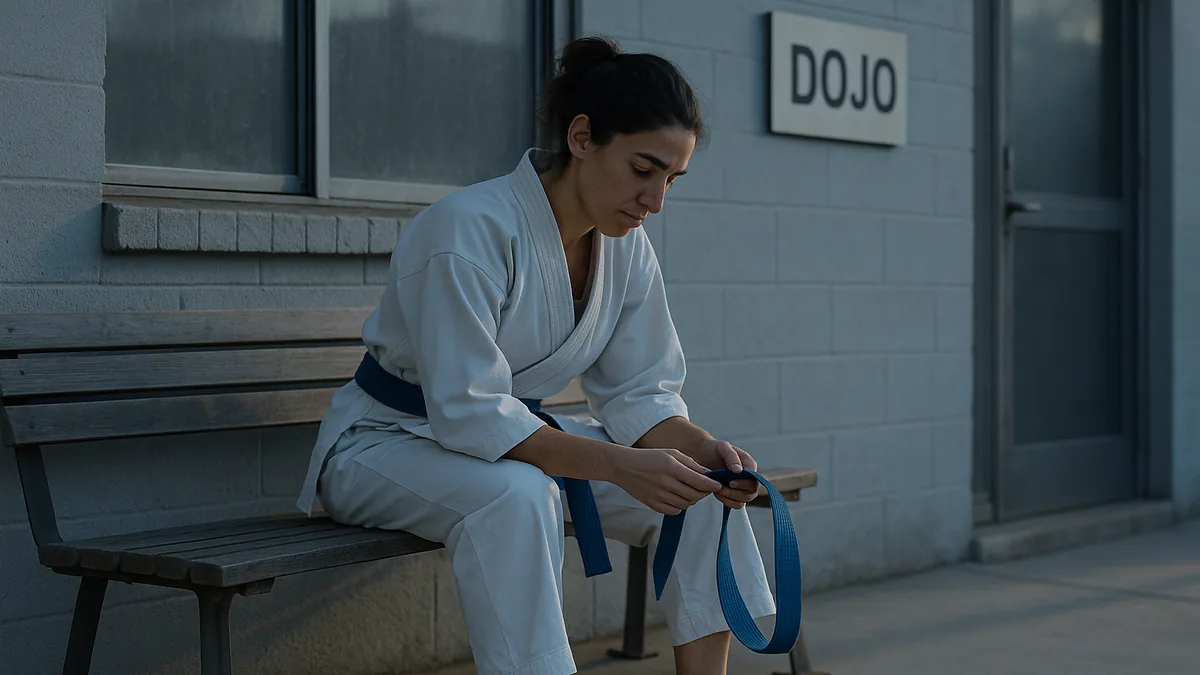
Failing a grading hurts. There’s no way around that, and I’m not going to pretend otherwise.
I’ve watched students walk off the mat after a grading decision and I’ve seen every version of that moment - the ones who hold it together until they get to the changing room, the ones who go quiet for weeks, and the occasional one who just never comes back. That last one is the one that stays with you as an instructor. Not because they failed, but because they let one result define whether the training was worth continuing.
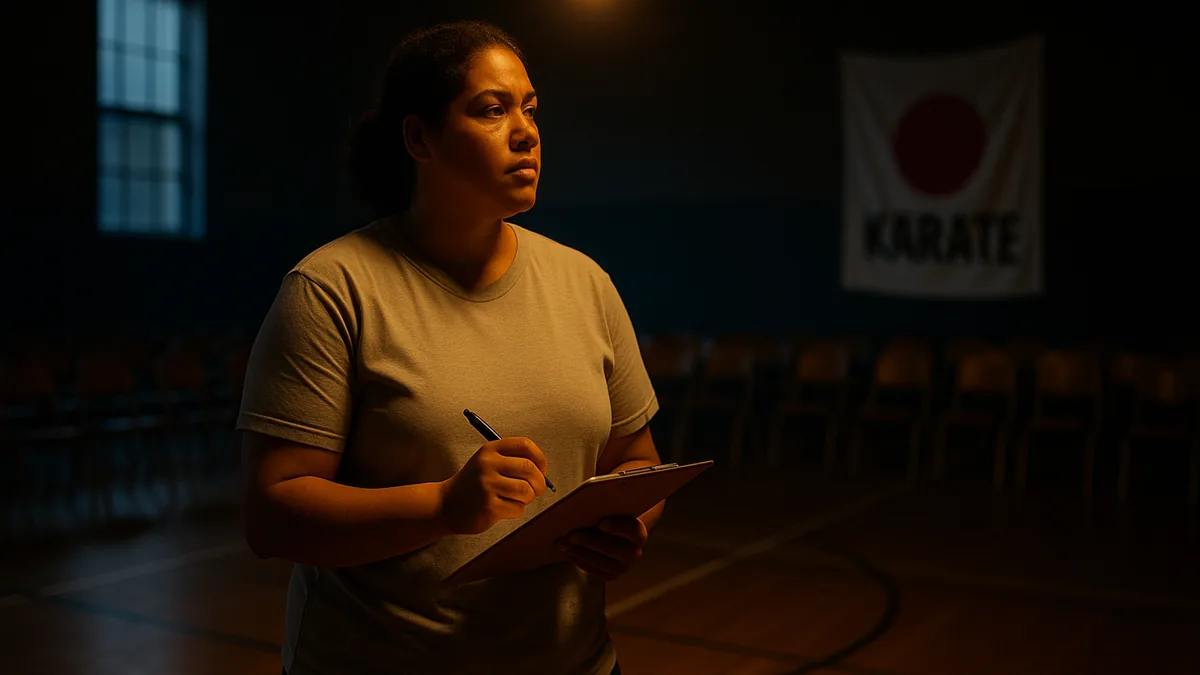
I failed a grading once at brown belt level. I knew I’d failed before the examiner said anything. My kata had fallen apart under pressure in a way it never did in class, and I stood there knowing exactly what had happened and why. The feedback I got was fair. The problem was I didn’t know what to do with that feeling afterwards, and nobody really told me.
That’s what this is about.
What You’re Actually Feeling, and Why It Matters
The first thing I tell students who’ve just failed is this: the feeling you have right now is real, and you’re allowed to have it. Don’t rush past it.
What I’ve noticed is that practitioners tend to do one of two things immediately after a grading failure. They either catastrophise - suddenly their entire karate journey is evidence they’re not good enough - or they dismiss it too quickly, pretending it didn’t matter when it clearly did. Both are avoidance. Neither actually helps you come back stronger.
The catastrophising version is more common than people admit. I’ve seen senior students with years of solid training convince themselves after one bad grading that they’ve been fooling everyone, that they don’t belong at their grade, that they should probably quit. That’s not honest reflection. That’s the adrenaline crash and the ego bruise talking.
The dismissal version is subtler. “It was just a grading, it doesn’t matter.” But if it genuinely didn’t matter, it wouldn’t sting. And if it stings, that means you care about your training. That’s not a weakness - that’s the thing that’s been driving you forward.
What actually works is sitting with it for a day or two before you do anything. Don’t make decisions, don’t send emails to your instructor, don’t announce anything to your training partners. Let the immediate emotional noise settle. Then look at what happened with some honesty.
Ask yourself: was the failure a surprise, or somewhere inside did you already know? In my experience, most students know. They went into the grading carrying a technical gap, or they hadn’t put in the preparation time they needed, or they fell apart under pressure in a way that’s happened before. The grading just made it official.
That honesty - uncomfortable as it is - is actually useful. It’s the starting point for everything that comes next.
How to Talk to Your Instructor Without Making It Awkward
This is where I see a lot of students get it wrong, and it’s usually because they’re approaching the conversation with the wrong goal.
One mistake I see constantly is students going to their instructor looking for reassurance rather than information. They want to hear “you were close, it was almost there.” And sometimes instructors, especially if they’re conflict-averse, will give them that. But it’s not what you actually need.
What you need is specifics. What failed? Was it technique, composure, timing, preparation, physical conditioning? Was it one thing or several things? Is this a fixable gap in a few months of focused work, or is there something more fundamental that needs rebuilding?
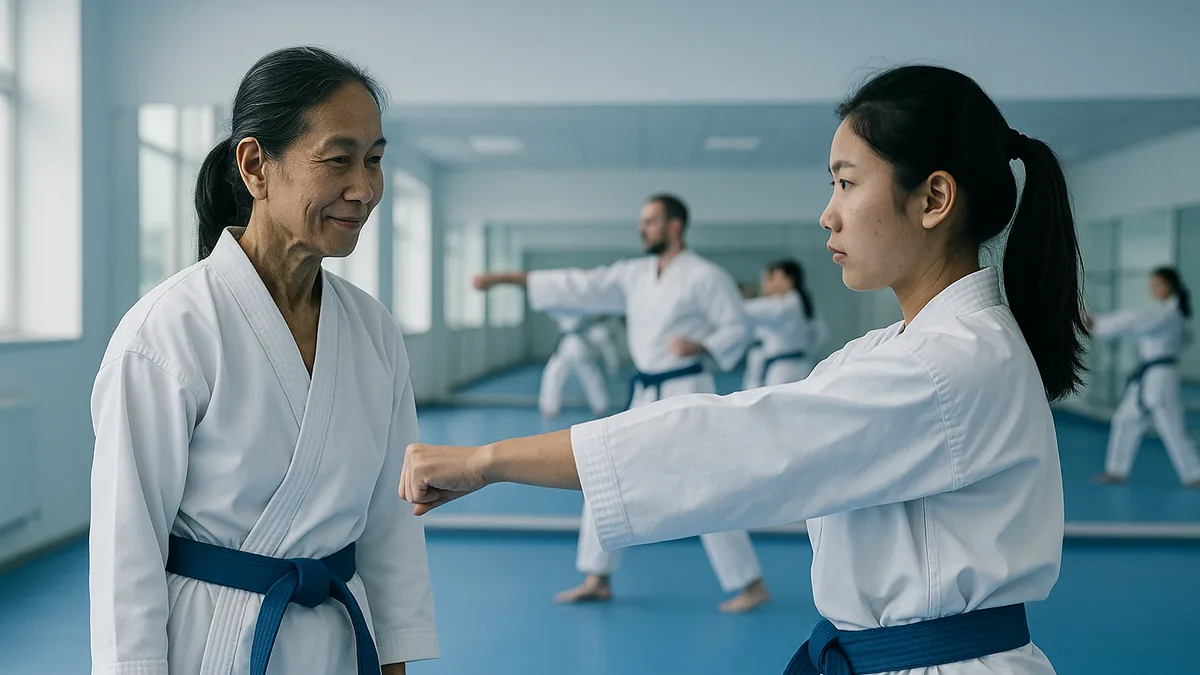
The way to have this conversation is to go in with your own assessment first. Tell your instructor what you think went wrong before you ask them. This does two things: it shows you’ve been thinking seriously rather than just looking for comfort, and it gives them something to respond to rather than having to deliver criticism cold.
Something like: “I think my kata fell apart because I’ve been rushing the transitions when I’m nervous. And I think my kumite looked hesitant. Is that what you saw, or was there something else?” That’s a conversation your instructor can actually work with.
I’d also recommend asking directly: what should I be focusing on between now and my next attempt? Not “what did I do wrong” - that’s backwards-looking. “What should I focus on” is forwards-looking and gives you something to do with the feedback.
One more thing on this. If you’re finding the conversation difficult because of the dynamics in your dojo, or if you feel like the feedback you’re getting is vague or political, that’s worth paying attention to. The dojo politics article on this site covers that territory better than I can do justice to here. But don’t let awkward dojo dynamics be an excuse to avoid the conversation entirely. You need that feedback.
What to Say to Your Training Partners
This is something nobody talks about, and it matters more than most people think.
You don’t owe anyone an explanation. That’s the first thing. If someone asks how the grading went, “I didn’t pass this time, I’m working on it” is a complete answer. You don’t need to perform either devastation or forced positivity for your training partners.
What I’ve noticed is that the students who handle grading failure best are the ones who don’t make it a big social event in either direction. They don’t disappear into shame, and they don’t turn the dojo into a therapy session. They come back to training, they work, and they let the work speak.
The ones who struggle are often the ones who’ve built their identity around their grade. When the grade doesn’t come, they don’t know who they are in the dojo anymore. If that’s you, it’s worth thinking about. Your belt is a marker of where you are in a process - it’s not who you are. What karate rank actually means outside your own organisation is worth reading if you’re getting tangled up in what the grade represents.
Your training partners, the good ones, will respect you more for coming back and working hard than they ever would for passing a grading. That’s the honest truth of it.
Building the Comeback: Setting Goals That Actually Work
Here’s where I’m going to be direct about something I think most post-grading advice gets wrong.
Setting a goal of “pass the next grading” is not useful. It’s an outcome, not a process. You can’t train an outcome directly. What you can train is the specific technical and mental gaps that caused the failure.
What I tell students is to come out of the feedback conversation with no more than three things to work on. Not a list of everything that could be better - three things. The correction that makes the biggest difference is usually the one that addresses the root cause rather than the symptoms.
For example: if your kata fell apart under pressure, the surface symptom is inconsistent performance. But the root cause might be that you’ve been drilling it at 70% effort in class and only pushing to 100% at gradings. The fix isn’t to “try harder at gradings” - it’s to train at grading intensity regularly. That’s a different training habit, and it’s specific enough to actually work on.
I used to think confidence in gradings came from knowing the syllabus well. It took me years to understand why that’s only part of it. The other part is having been in high-pressure situations often enough that the pressure itself becomes familiar. Some clubs do this better than others - regular in-class assessments, mock gradings, training in front of visitors. If your club doesn’t do this, you can manufacture some version of it yourself. Perform your kata for someone who doesn’t train. Do your combinations when you’re tired rather than fresh. Change something about your practice environment so your nervous system stops treating it as safe and predictable.
The physical sensation of training under real pressure is different from normal training. Your timing changes, your breathing changes, the technique that felt solid suddenly feels wrong at first. That feeling is what you need to get comfortable with before the next grading, not avoid until you’re standing in front of an examiner again.
Community Perspective
There’s a genuine split in how different dojos and instructors handle grading failures, and I think it’s worth being honest about it.
Some instructors are of the view that failing a grading is a useful and necessary part of the process - that it teaches something about pressure and resilience that passing every time doesn’t. I broadly agree with this, though I think it only works if the feedback is specific and the student has a clear path forward.
Others treat it as a system failure - the student shouldn’t have been put in for the grading if they weren’t ready, and a failure reflects poor instructor judgement as much as poor student preparation. There’s something to this too. I’ve seen students put forward for grades they clearly weren’t ready for, and I’ve always thought that’s more about the instructor’s optimism than the student’s readiness.
The part of this that actually matters for you, right now, is that grading failures mean different things in different clubs. In some organisations, failing is relatively rare because the bar for entering is high. In others, students are encouraged to attempt grades early and failure is treated as part of the learning. Neither approach is wrong, but knowing which culture you’re in helps you calibrate how seriously to take the result and what it actually tells you about your training.
What I think is this: a grading failure is honest information. It’s not a verdict on your potential, and it’s not a reason to reassess your whole relationship with the art. It’s feedback. Use it.
The Longer View
I’ve watched students fail a grading and come back to pass it six months later performing better than anyone else in the room. The failure was the thing that finally made them train with real intention instead of just showing up.
I’ve also watched students pass gradings they weren’t ready for and spend years carrying technical bad habits that never got fixed because there was never a moment of honest reckoning.
Given the choice, I know which path I’d rather be on.
The off-mat community around your club matters here too - having people who understand the culture and can support you through a rough patch is worth more than most people acknowledge until they need it. If you’re lucky enough to have that, lean on it. The off-mat culture piece on this site gets into why that side of club life matters more than it looks like it does from the outside.
Come back to training. Have the honest conversation with your instructor. Work on the specific things, not everything at once. And give yourself enough time to actually fix them before you attempt again.
That’s the whole thing, really.
Key Takeaways
- Let the immediate emotional response settle before you make any decisions or have any significant conversations - a day or two of space is not avoidance, it’s sense.
- Go into the feedback conversation with your own honest assessment already prepared - tell your instructor what you think went wrong before asking them to tell you.
- Ask for no more than three specific things to work on between now and your next attempt - a long list of improvements is just another way of not knowing what to fix.
- Train at grading intensity regularly, not just in the weeks before a grading - the pressure itself needs to become familiar, not just the syllabus.
- Don’t let your identity get tangled up in the grade - your belt is a marker in a process, and one failed grading is one data point, not a verdict.
- Come back to the mat and let the work speak - your training partners will respect the comeback more than they would ever notice the failure.
The weekly digest
New karate articles, once a week
One email every week with everything new on Karate Lifestyle. No spam; unsubscribe in one click.
We'll email you to confirm. See our privacy policy.