Karate Club Socials and Off-Mat Culture: Why They Matter More Than Most Instructors Admit
I’ve trained in four different dojos over fifteen years. Different styles, different instructors, different cities. And one of the clearest patterns I’ve noticed is this: the clubs that last, the ones that keep students for years rather than months, almost always have a strong off-mat culture. Not because they run the best classes. Because people actually like each other.
Most instructors won’t say that out loud. There’s a tendency to treat the social side of club life as a nice bonus, something that happens naturally if you’re lucky, or something that gets in the way of serious training if you’re not careful. I think that’s wrong. I think off-mat culture is one of the most underrated training tools we have, and most clubs are leaving a lot on the table by ignoring it.
What “Off-Mat Culture” Actually Means in Practice
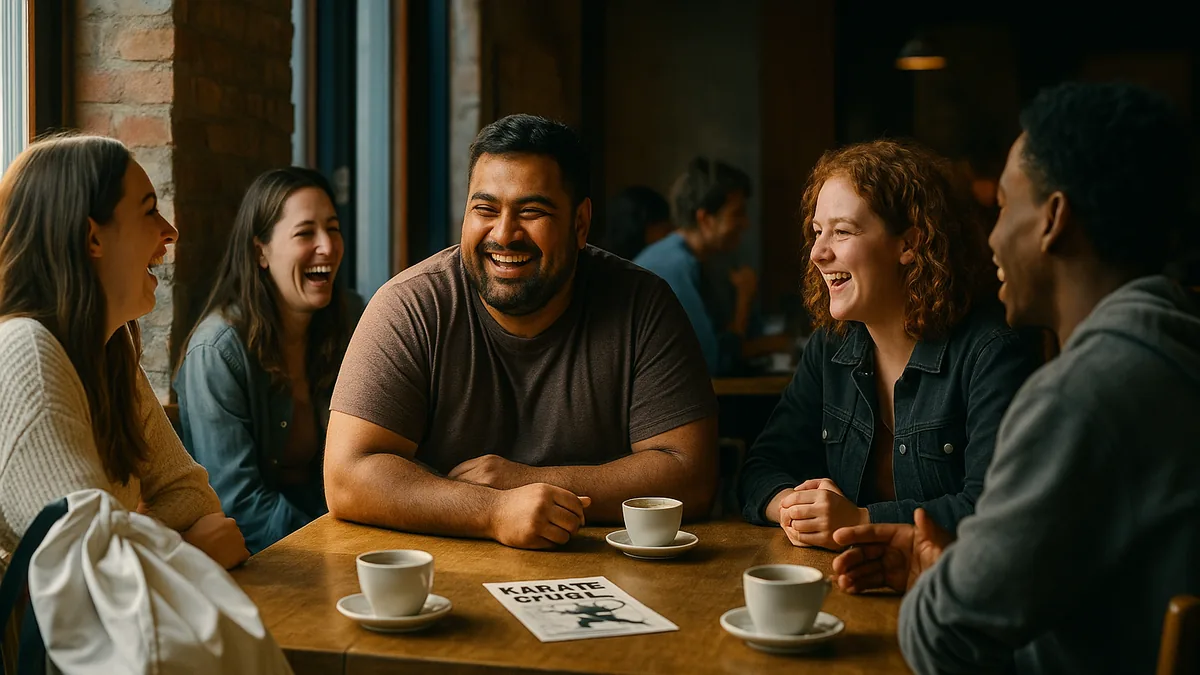
I’m not talking about mandatory fun. I’m not talking about organising a Christmas party once a year and calling it community building. I mean the stuff that happens naturally when a club has real social glue - the post-training conversations in the car park, the group chat that’s actually active, the meal after a grading, the fact that people know each other’s names outside of “Oss.”
The clubs where I’ve trained and felt genuinely invested in my own progress have all had this in common. You walk in on a Tuesday night and you’re not just training - you’re showing up for people who know you. That changes how hard you push. It changes how honest you are about your weaknesses. It changes whether you come back after a rough month.
I’ve noticed that newer students who get absorbed into the social side of a club within their first few months are dramatically more likely to still be training two years later. Not because the social side replaces the training - but because it makes the hard parts survivable. Karate is genuinely difficult. Gradings are stressful. Progress is slow and sometimes invisible. Having people around you who understand that, who’ve been through it themselves, is worth more than most instructors acknowledge.
The Mistake Most Clubs Make
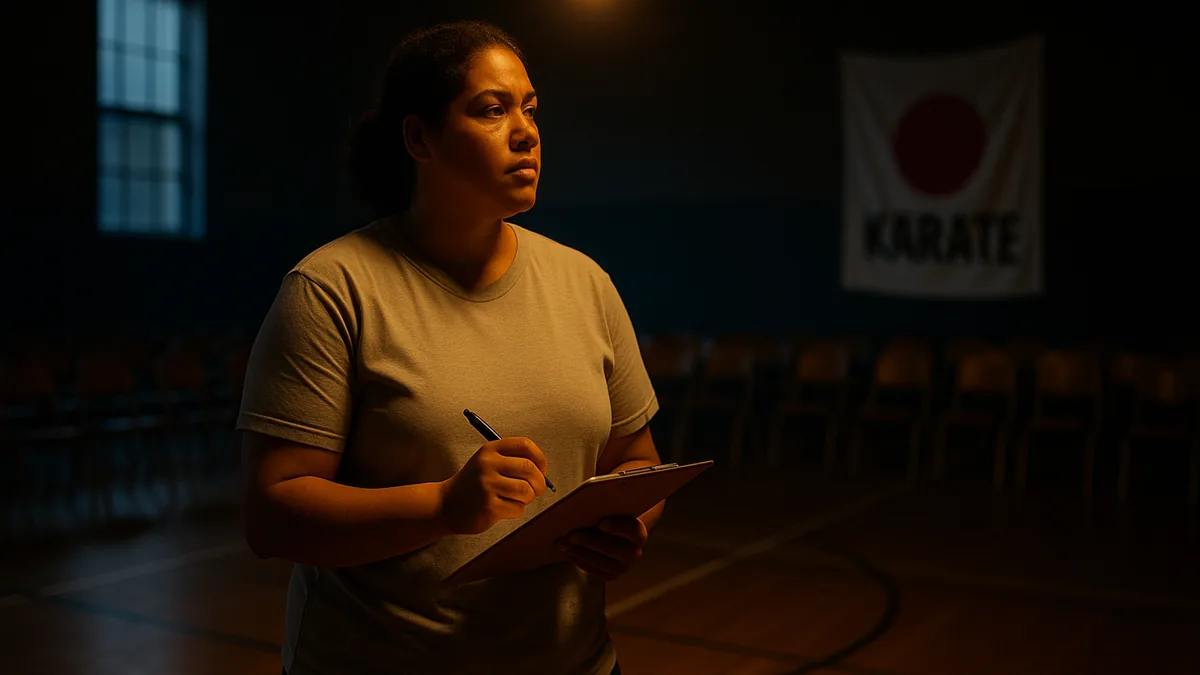
The most common mistake I see is treating socials as an afterthought. Class ends, people bow out, and that’s it. The instructor heads off, the senior grades drift away, and the newer students are left wondering if they’re supposed to hang around or just go home.
What that communicates - even if no one intends it - is that the relationship between club members only exists on the mat. And that’s a fragile foundation. Because when training gets hard, or life gets busy, or someone has a bad grading, there’s nothing holding them to the club except the training itself. That’s not enough for most people.
The correction that works is simple but it requires the instructor to actually model it. Stay after class. Talk to people. Create a habit of going for a coffee or a drink after training, even informally, even just occasionally. When senior grades do it, newer students follow. When the instructor does it, it signals that this is what we do here.
I used to train under an instructor who was extremely traditional in his approach - formal, demanding, not someone you’d describe as warm. But every few months he’d organise a club meal, and he’d sit there for three hours talking to students about everything except karate. That mattered. It told us he saw us as people, not just training bodies. I didn’t fully appreciate it until I moved clubs and experienced the contrast.
Why Off-Mat Time Changes On-Mat Dynamics
Here’s something that took me a while to understand: the quality of your training partnerships is directly affected by how well you know each other as people.
When you train with someone you only know as “the brown belt who trains Thursdays,” there’s a ceiling on how much you’ll push each other, how honest you’ll be about mistakes, and how much you’ll trust each other when the contact gets real. You’re both being careful. You’re both performing slightly.
When you actually know someone - when you’ve had a meal with them, when you know they’re stressed about work, when you’ve talked about your respective training frustrations - that changes. You can be honest. You can say “that didn’t land right, try it again.” You can push harder because the relationship can take it. It feels different through your body in partner drills when you’re relaxed with someone versus guarded. Your shoulders drop. Your reactions are faster. You stop anticipating and start responding.
I’ve had training partnerships that were genuinely transformative, and every single one of them developed partly through off-mat time. Not because we became best friends, but because we became real to each other.
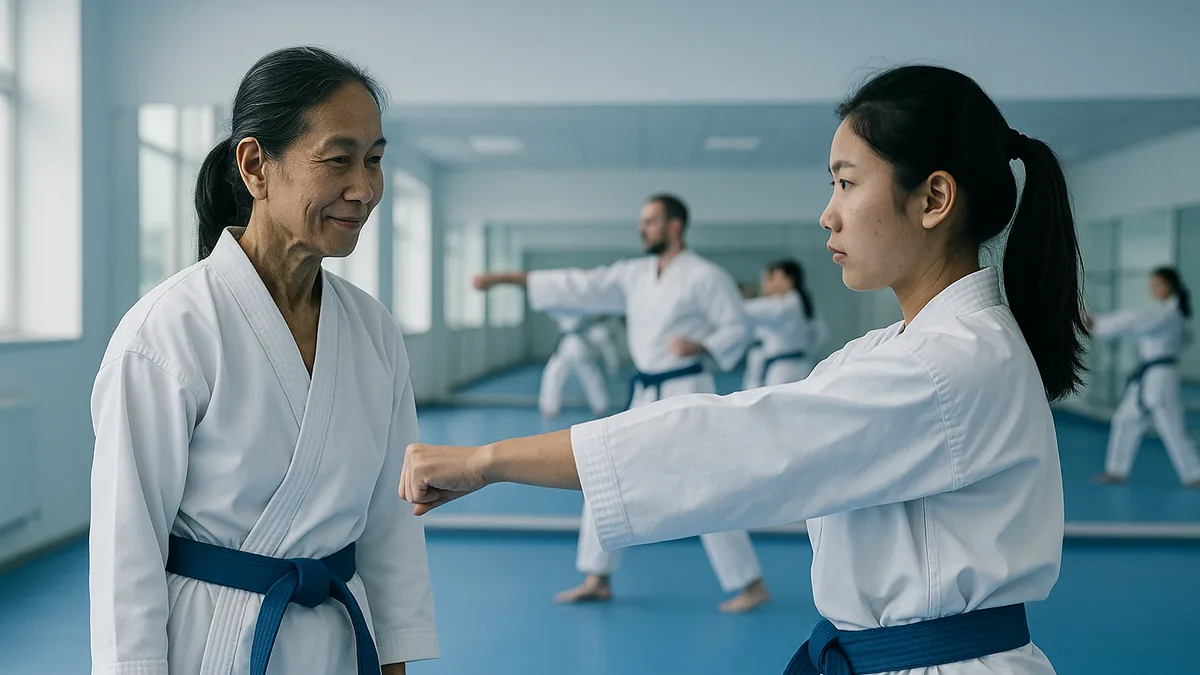
This is also where newer students learn things that aren’t in the syllabus. They hear senior grades talking honestly about their own struggles. They find out that the third dan who looks effortless in kata spent two years working on the same transition they’re currently stuck on. That kind of information is priceless, and it doesn’t get shared in formal class time.
Community Perspective
This is an area where dojos genuinely differ, and I think it’s worth being honest about that.
Some traditional instructors actively resist the social side of club culture. The argument is that karate should be self-motivating - if you need friends to keep training, maybe you’re not serious enough. I understand that position. I don’t agree with it, but I understand it. There’s a version of martial arts culture where the dojo relationship is deliberately formal, where distance between instructor and student is part of the pedagogy, and where socialising is seen as diluting that.
What I’d say to that is: look at your retention numbers. Look at how many students make it to brown belt versus how many started. If your club has a strong off-mat culture and strong retention, great. If it doesn’t, and you’re losing students at a rate that concerns you, the social side is worth examining.
There’s also a generational split here. Older practitioners often came up through clubs where training was enough, where showing up consistently was the culture. Younger students - particularly those joining in their twenties or thirties - often have more options for how they spend their time and they’re more likely to stay somewhere they feel genuinely connected to. That’s not a character flaw. It’s just a different context.
I’ve also seen the opposite problem: clubs that are socially great and technically mediocre, where the vibe is so comfortable that no one pushes anyone and the standard quietly drops. That’s a real risk. The social culture should support the training, not replace it. If you’re going for drinks after class every week and barely anyone is showing up to train, something’s off.
Socials Around Gradings and Events
Gradings are one of the best natural opportunities for off-mat culture, and most clubs underuse them. The stress of a grading, the shared experience of going through it together, the relief afterwards - that’s exactly the kind of thing that bonds a group. If you can build even a simple tradition around it - a meal out, a gathering at someone’s house, even just everyone staying for a drink - you’re giving people something to share that isn’t just the formal experience.
I’ve seen clubs where the post-grading tradition is so established that students who moved away still come back for them. That tells you something about what those events meant to people. If you’re supporting a club from the outside - as a parent, partner, or family member - you might find How to Support a Karate Club Without Being on the Mat useful, because the off-mat culture often extends beyond just the practitioners themselves.
Events like courses and seminars also have a social dimension that gets missed. When you travel to train with another club, the conversations in the car on the way there, the lunch break, the debrief on the way home - those are often where the real learning gets consolidated. If you’ve ever trained as a guest at another club, you’ll know that the social navigation matters as much as the technical experience. There’s a whole layer to training at another club as a guest that’s about how you carry yourself off the mat as much as on it.
When Off-Mat Culture Goes Wrong
It’s not always positive. I’ve seen club social cultures that became cliquey, where the inner circle made newer students feel like outsiders. I’ve seen socials that turned into gossip sessions that fed dojo politics and made the training environment worse. I’ve seen clubs where the social glue was so strong that people stayed long past when they should have left, because leaving felt like abandoning friends rather than just changing where you train.
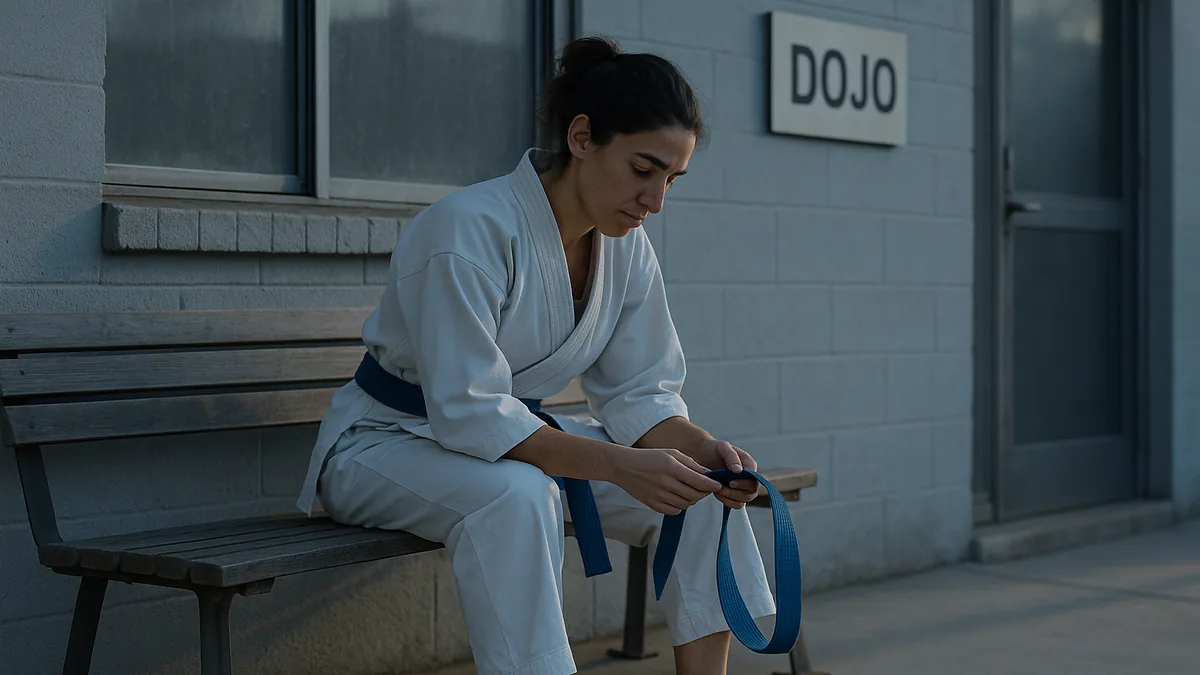
If you’re in a club where the social culture is actively making the training worse - where it’s cliquey, political, or just stifling - that’s worth taking seriously. Sometimes a club’s off-mat culture is one of the clearest signals that it might be time to move on. And if you do move, finding a new club means paying attention to the social environment as much as the technical one.
The goal isn’t social for its own sake. It’s social in service of training.
Key Takeaways
- If your club has a retention problem, look at off-mat culture before you look at the syllabus. People don’t leave because the kata is too hard. They leave because they don’t feel connected.
- Instructors need to model this. If you bow out and disappear, your students will do the same. Stay. Talk to people. Make it normal.
- Build traditions around natural pressure points - gradings, competitions, end of term. These are the moments that bond a group if you give them space to.
- Keep an eye on the quality of your training partnerships. If they feel guarded or performative, ask yourself how well you actually know those people outside of class.
- Social culture should support the training standard, not replace it. If the vibe is great but the level is dropping, you’ve drifted.
- Watch for cliques. An inclusive off-mat culture is an asset. An exclusive one is a slow poison.
The weekly digest
New karate articles, once a week
One email every week with everything new on Karate Lifestyle. No spam; unsubscribe in one click.
We'll email you to confirm. See our privacy policy.