When to Quit Your Karate Club: Signs It's Time to Leave and How to Do It Without Burning Bridges
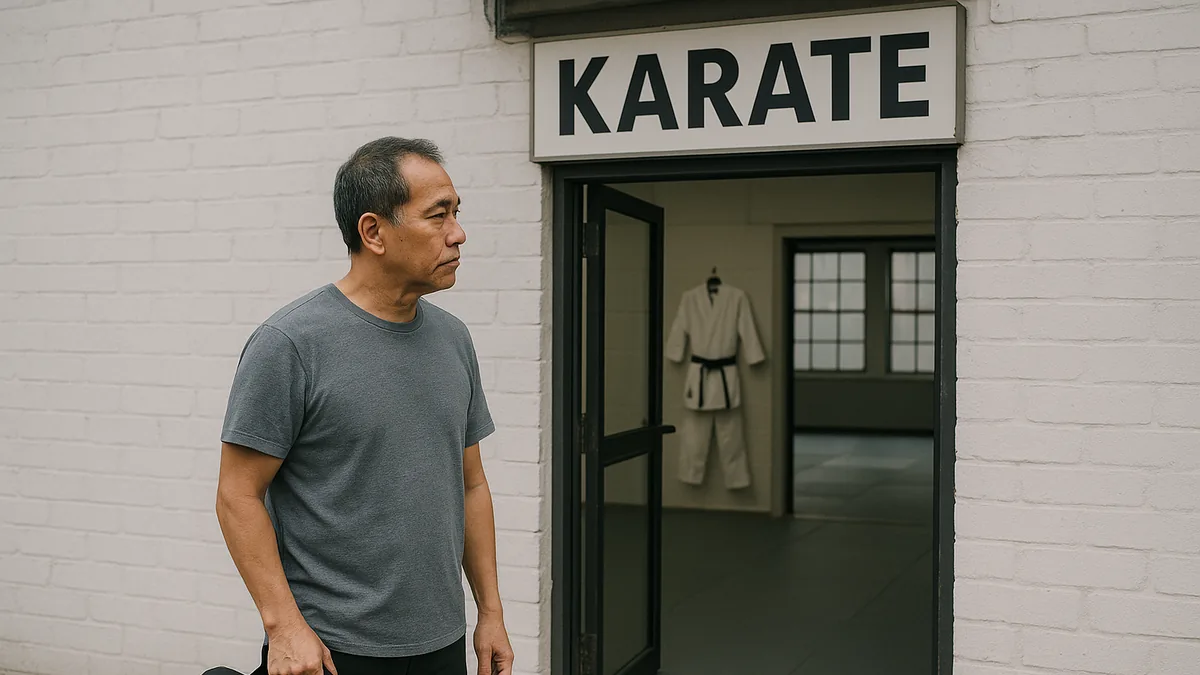
Most people stay too long. That’s the honest truth. I’ve watched good practitioners spend two, three, sometimes five years in the wrong dojo, grinding away at training that stopped serving them, convincing themselves it’ll get better or that leaving means quitting. It doesn’t. Sometimes the most serious thing you can do for your karate is walk out the door.
But I’ve also seen people leave for the wrong reasons - frustration after a bad grading, a falling out with one training partner, a rough patch in their own motivation. Those people often regret it. Knowing the difference matters.
The Difference Between a Bad Patch and a Real Problem
Every dojo goes through rough periods. Instructors get busy, class numbers drop, the energy shifts. I’ve been through it myself - stretches of six months where training felt flat and I was questioning everything. That’s not a sign to leave. That’s just training.
What you’re looking for are patterns, not incidents.
I’ve noticed a specific thing that separates practitioners who are genuinely stuck from those who are just frustrated: the frustrated ones can still point to something they’re working on. They might be annoyed, but they can tell you what their instructor pulled them up on last week, what they’re drilling, what’s not clicking yet. The stuck ones can’t. When I ask a student “what are you working on right now?” and they stare at me blankly, that’s information.
Ask yourself honestly: in the last three months, have you been genuinely challenged? Has your instructor corrected something meaningful - not just tidying your stance but actually pushing your understanding? Have you felt that uncomfortable feeling of being shown how much you don’t know?
If the answer is no for three months running, that’s worth paying attention to.
When Stagnation is the Dojo’s Problem, Not Yours
There’s a version of stagnation that’s on you - you’re not pushing yourself, you’re coasting, you’re showing up but not really training. That’s fixable without leaving.
Then there’s the version where the ceiling is genuinely low. I trained at one dojo for almost four years before I admitted this to myself. The instructor was technically competent, a decent person, ran a tight class. But there was a ceiling. The senior grades weren’t developing anymore. Nobody was asking hard questions. The syllabus was being repeated on a loop with no depth added. When I finally moved on and trained somewhere that pushed me properly, I realised I’d been standing still for at least two of those four years. That stings to admit, but it’s true.
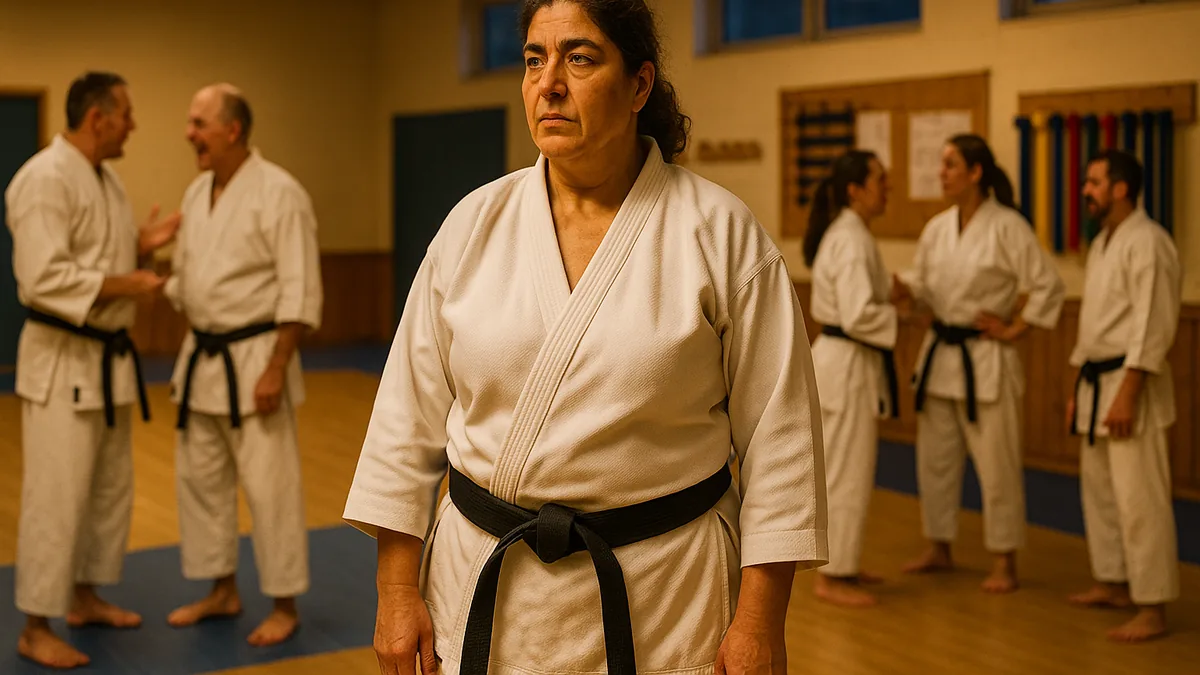
The tell is usually the senior students. Watch the shodan and nidan grades. Are they sharp? Are they still learning, still being corrected? Or are they just senior beginners who’ve been there a long time? The quality of a dojo’s senior grades is the most honest preview of what you’ll become if you stay.
Dojo Culture: What You Can Tolerate and What You Shouldn’t
Culture is harder to evaluate than technique. You can spot a bad punch. Dojo culture seeps in slowly.
I think there are two types of culture problems worth distinguishing: the ones that are uncomfortable but productive, and the ones that are genuinely harmful.
Hard training, high standards, an instructor who doesn’t hand out praise easily - none of that is a reason to leave. That might actually be exactly what you need. I’ve had instructors who barely acknowledged me for the first year, and I learned more in those dojos than anywhere else. The discomfort was the point.
What’s actually worth leaving over:
- Ego-driven instruction - where the instructor’s need to be the authority matters more than your development. You’ll recognise this because questions are discouraged, comparison to other styles is treated as disloyalty, and the instructor gets defensive when challenged.
- Unsafe training culture - where people are regularly getting hurt and it’s normalised. Some contact is fine, expected, part of training. But if you’re seeing injuries that shouldn’t be happening, and nobody’s addressing it, that’s a red flag.
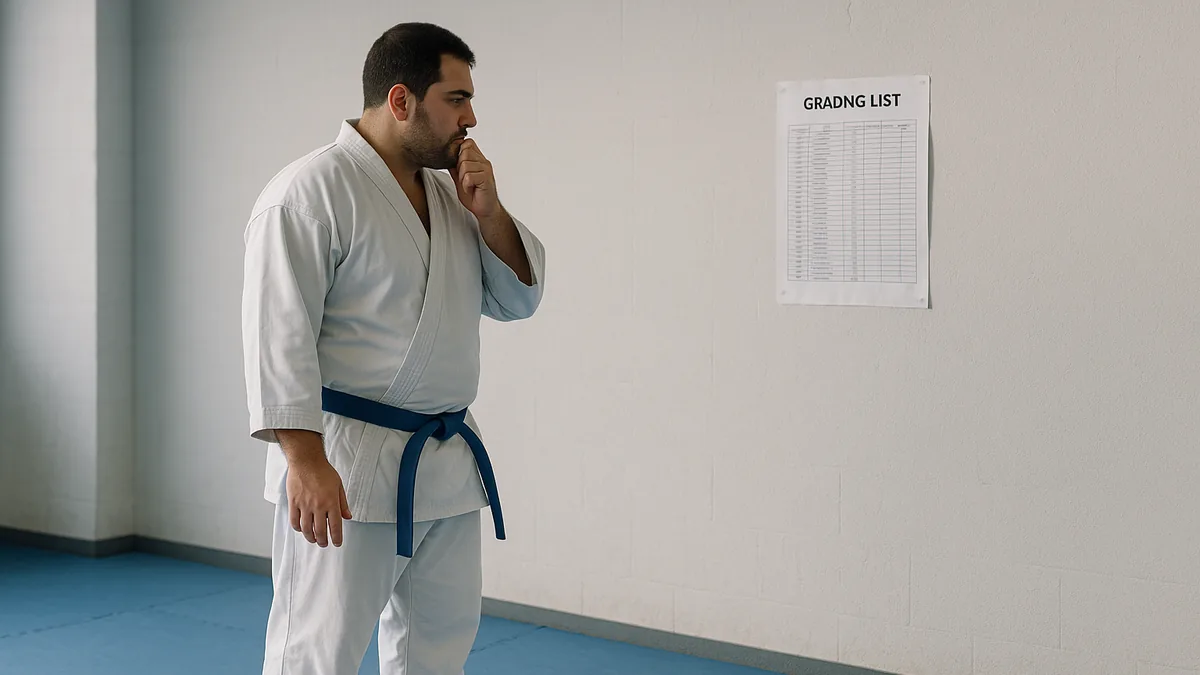
- Favouritism that affects your grading - every dojo has politics to some degree. But if you’re watching less capable students get graded ahead of you because of who they know, that matters. Your belt should reflect your karate.
- A culture of retention over development - where the dojo is more interested in keeping your membership fees than in pushing you forward. You feel this as a kind of comfortable stagnation. Nobody’s really demanding anything of you.
I’ve seen the favouritism issue destroy people’s motivation. One student I graded at my own club had come from a dojo where she’d been passed over for her brown belt twice, watching people she could clearly outperform get graded. She’d almost quit karate entirely. She wasn’t imagining it - within six months of training with us, she was ready and we graded her. That kind of thing does real damage.
The Practical Test Before You Decide
Before you make any decision, I’d recommend trying one thing: have an honest conversation with your instructor.
I know that feels uncomfortable. But if you can’t have that conversation, that itself tells you something about the culture.
What I tell students who are considering leaving is this: go to your instructor and say something like “I feel like my training has plateaued and I’m not sure how to move forward. Can we talk about what I should be focusing on?” A good instructor will take that seriously. They might not have all the answers, but they’ll engage with it.
If they dismiss it, get defensive, or tell you you’re wrong about your own experience - you have your answer.
This also applies to other issues. If you have concerns about grading fairness or training culture, raising them directly is the right first step. Sometimes things genuinely get addressed. Sometimes you confirm that they won’t be. Either outcome is useful.
If you’re also weighing up other life factors - fitting training around work, managing it as you get older - it’s worth reading Training Karate Alongside a Full-Time Job and Training Karate After 40, because sometimes what feels like a dojo problem is actually a lifestyle problem that a different dojo won’t solve.
How to Actually Leave Without Burning Bridges
This is where most people get it wrong. Either they ghost - just stop showing up - or they leave in a blaze of grievance, telling everyone what they think of the place on the way out.
Both are mistakes. Karate communities are small. You will run into these people at competitions, seminars, gradings. Your instructor may be asked about you by a future instructor. The community has a long memory.
What actually works:
Tell your instructor directly, in person if possible. Not by text, not by email if you can avoid it. This is basic respect for someone who has invested time in your training, whatever your feelings about how that went. Keep it brief and keep it honest without being brutal. “I’ve decided to move to a different club to try a different approach” is complete. You don’t owe a detailed critique.
Thank them specifically. Think of one or two things you genuinely learned or valued. Say them. Even if your experience was largely negative, something was useful - find it and acknowledge it.
Don’t recruit. If you’re leaving because you’re unhappy, don’t turn your departure into a campaign. Don’t pull other students aside and tell them why they should leave too. Even if everything you’re saying is true, it’s not your place and it will follow you.
Don’t badmouth the dojo publicly. This is a hard one when you’re angry. But talking badly about a dojo or instructor - especially on social media - almost always reflects worse on the person doing it than on the target. Keep it private.
Return any dojo property, settle any fees. Obvious, but people skip this when they’re annoyed. Don’t.
If you’re starting at a new club, I’d also suggest being thoughtful about how you talk about your previous training. New instructors don’t need your full history of grievances. They need to understand your current level and what you’re working on. If they ask why you left, keep it short and neutral.
For help thinking through what to look for in a new home, How to Choose a Karate Club is worth reading before you commit to anything new.
Community Perspective
This topic generates more disagreement than almost any other in karate circles, and I think that’s because loyalty is genuinely valued in traditional martial arts - and it should be. The idea of giving your instructor your full commitment, of not jumping ship when things get hard, of trusting the process even when you can’t see where it’s going - these are real values, not just sentiment.
The disagreement usually comes down to this: where does loyalty end and self-deception begin?
I’ve trained with people who believe you should stay with your first instructor for life, that switching clubs is a kind of betrayal. I’ve also trained with people who treat dojos like gyms - drop in, take what’s useful, move on. I think both extremes miss something.
What I’ve landed on, after training in five different dojos over fifteen years, is this: your loyalty should be to your development as a practitioner, and to the martial art itself. A good instructor will want that for you too. If staying means stagnating, staying isn’t loyalty - it’s comfort dressed up as virtue.
That said, I’ve changed my mind about specific instructors and specific dojos after leaving them. Things I was frustrated by at the time, I later understood differently. The instructor I thought was holding me back was sometimes just being patient in a way I didn’t have the experience to appreciate yet. That’s worth sitting with before you make any decision.
Key Takeaways
- If you can’t identify anything you’re actively working on or being corrected on, that’s a sign your development has stalled - not a mood, a pattern.
- Watch the senior grades. They’re the most honest preview of what training at that dojo will produce over time.
- Have the direct conversation with your instructor before you decide anything. Their response will tell you most of what you need to know.
- When you leave, do it in person, keep it brief, thank them for something specific, and don’t recruit or campaign on the way out.
- Loyalty to your training is real and worth taking seriously - but staying somewhere that’s stopped developing you isn’t loyalty, it’s inertia.
- Give yourself time at a new dojo before judging it. The discomfort of being new again is not the same as the discomfort of being in the wrong place.
The weekly digest
New karate articles, once a week
One email every week with everything new on Karate Lifestyle. No spam; unsubscribe in one click.
We'll email you to confirm. See our privacy policy.