Training Karate After 40
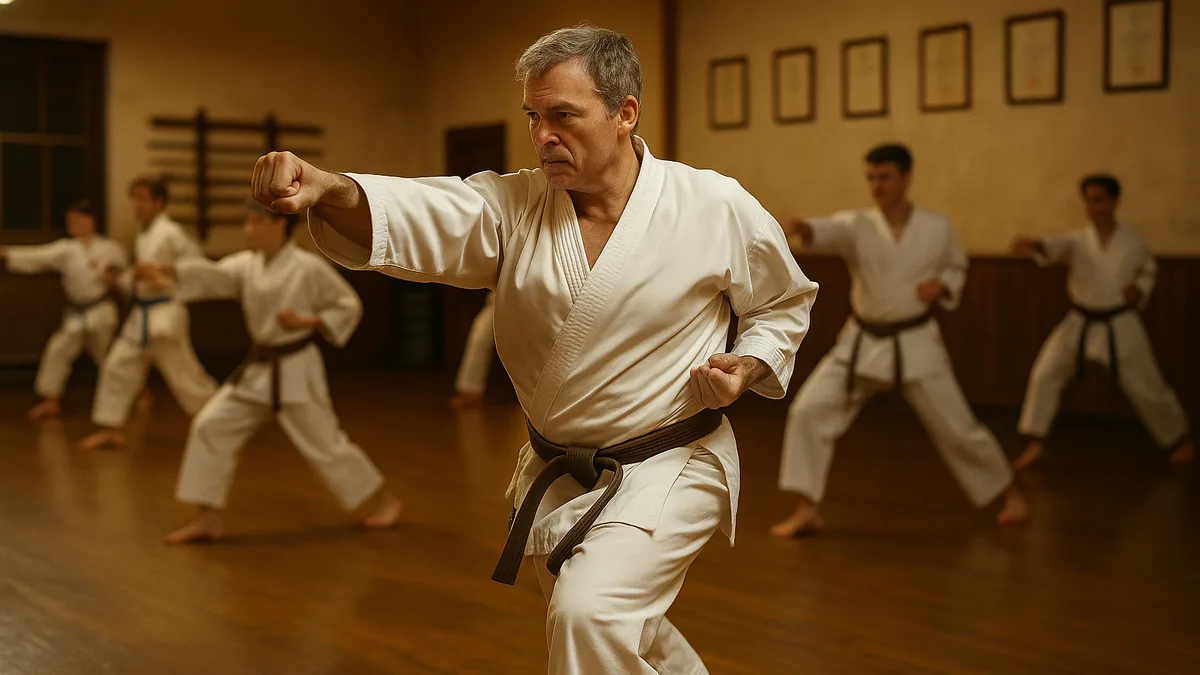
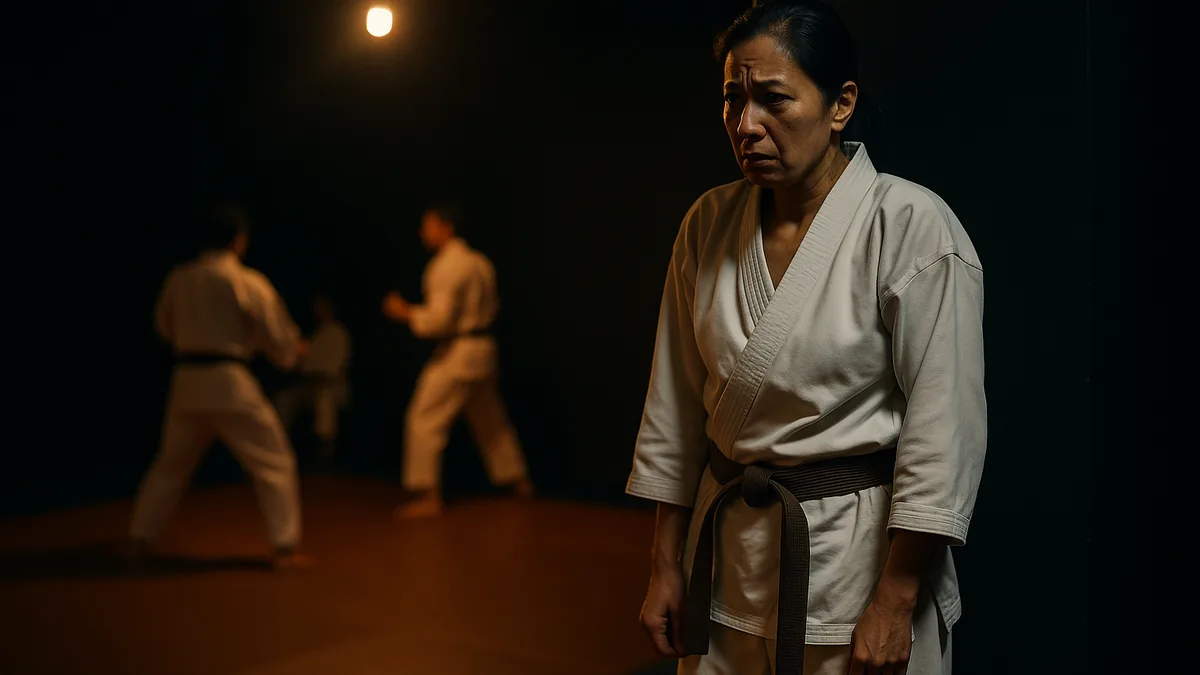
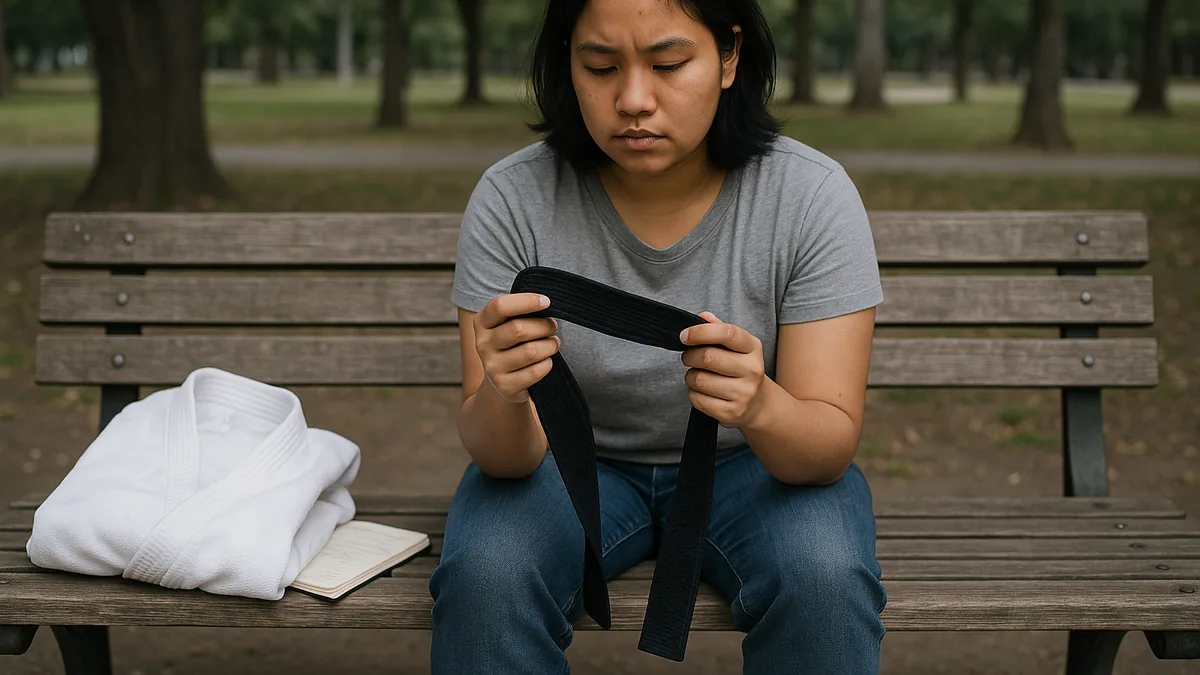
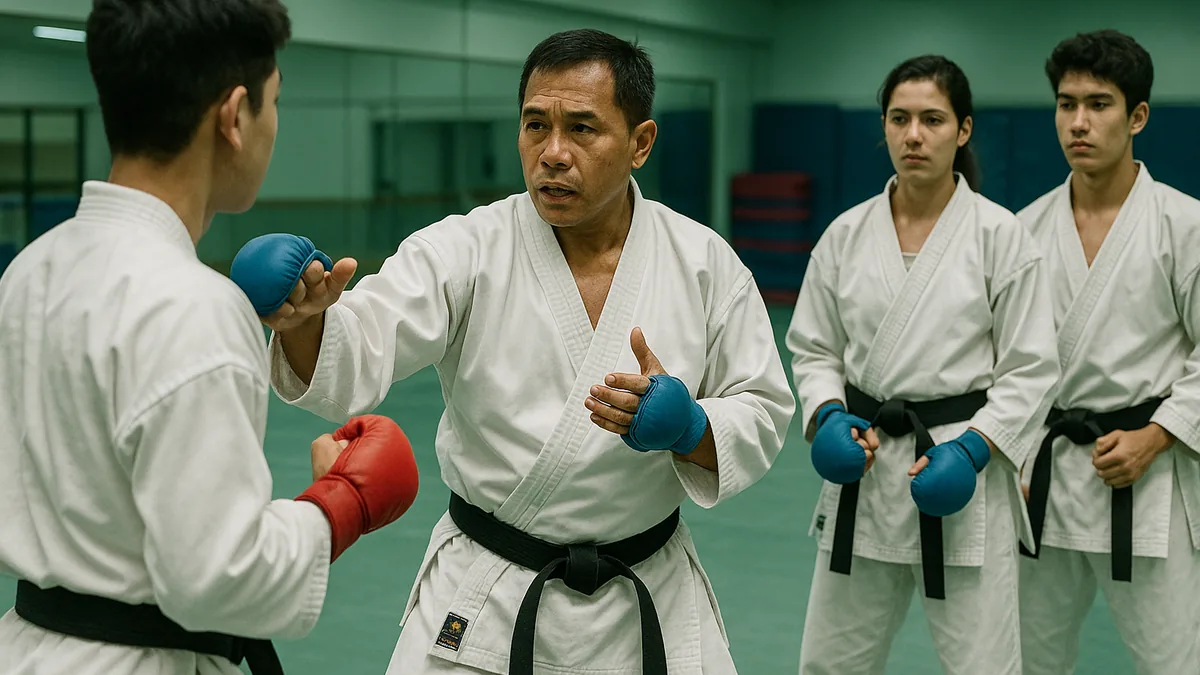
There is a common misconception that karate is a young person’s pursuit. In reality, some of the most dedicated and technically proficient karateka in any dojo are those who have been training for decades - or who started later in life.
Why Karate Works After 40
Karate is adaptable. Unlike high-impact sports that rely primarily on athleticism, karate rewards technical precision, timing and understanding. These qualities improve with experience and maturity.
Training can be adjusted to suit your body. Lower stances can be modified. Sparring intensity can be controlled. The focus can shift from raw athleticism to efficiency and technique.
Practical Adjustments
Warm Up Properly
A thorough warm-up becomes more important as you age. Allow 10-15 minutes of mobility work before training begins.
Recovery Takes Longer
Accept that recovery between sessions may take longer. Two or three quality sessions per week may produce better results than five rushed ones.
Focus On Technique
This is actually an advantage. Older practitioners often develop better technique precisely because they cannot rely on speed and power alone.
Listen To Your Body
Training through minor discomfort is sometimes necessary. Training through pain is not. Learn the difference and respect it.
Key Takeaways
- Karate is perfectly suited to practitioners over 40
- Technical precision improves with maturity
- Adjust training volume and intensity to support recovery
- Focus on quality of movement rather than quantity of sessions
- Many of the best karateka train well into their 60s and beyond
- A proper warm-up routine becomes non-negotiable as you age - cold joints and explosive technique do not mix
- If injury does occur, the guide on training with injuries provides a practical framework for when to push and when to rest
- Slow training is particularly valuable for older practitioners - it builds speed through precision rather than raw power
The weekly digest
New karate articles, once a week
One email every week with everything new on Karate Lifestyle. No spam; unsubscribe in one click.
We'll email you to confirm. See our privacy policy.