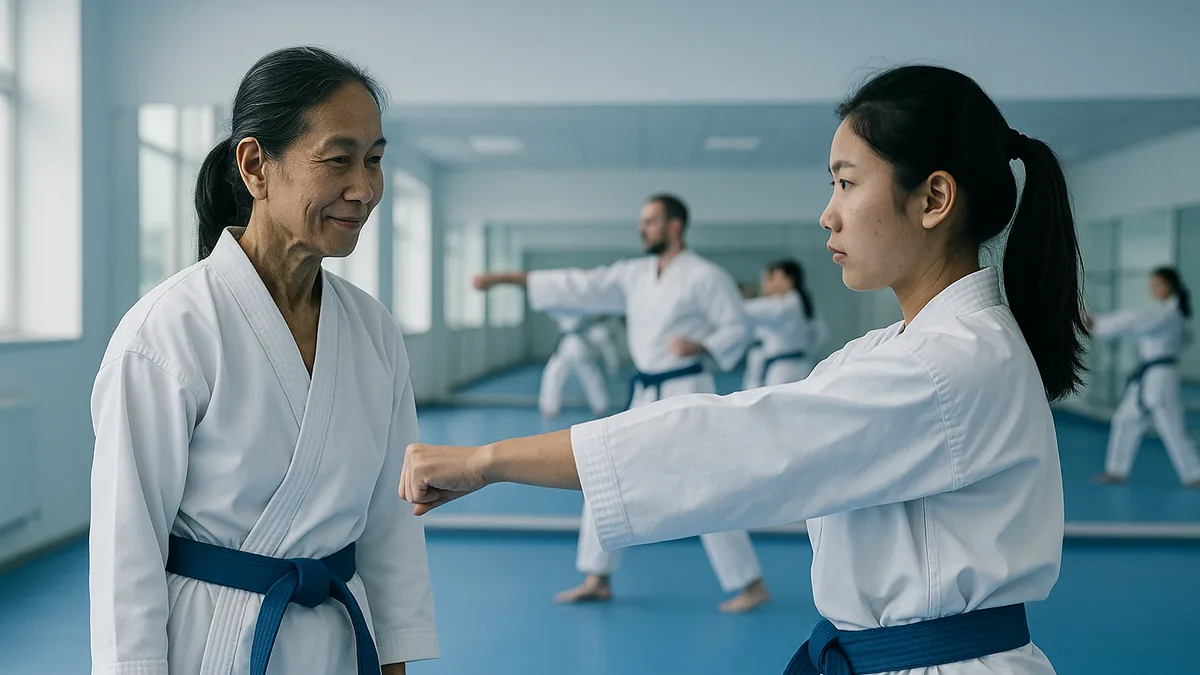
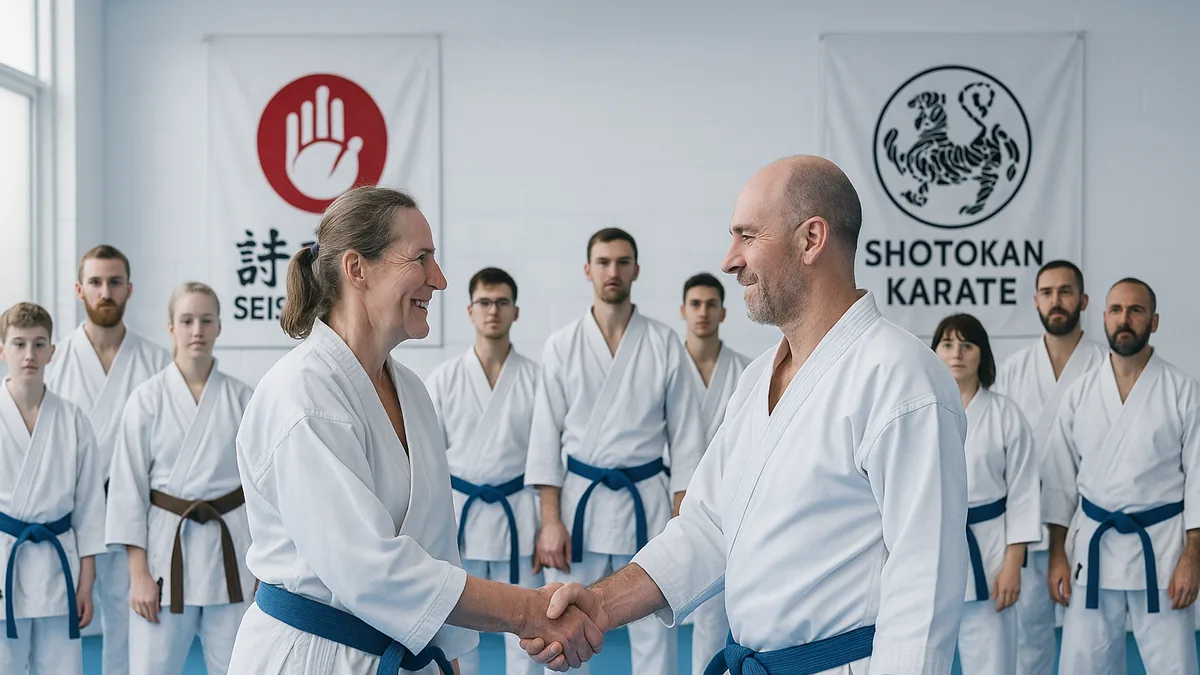
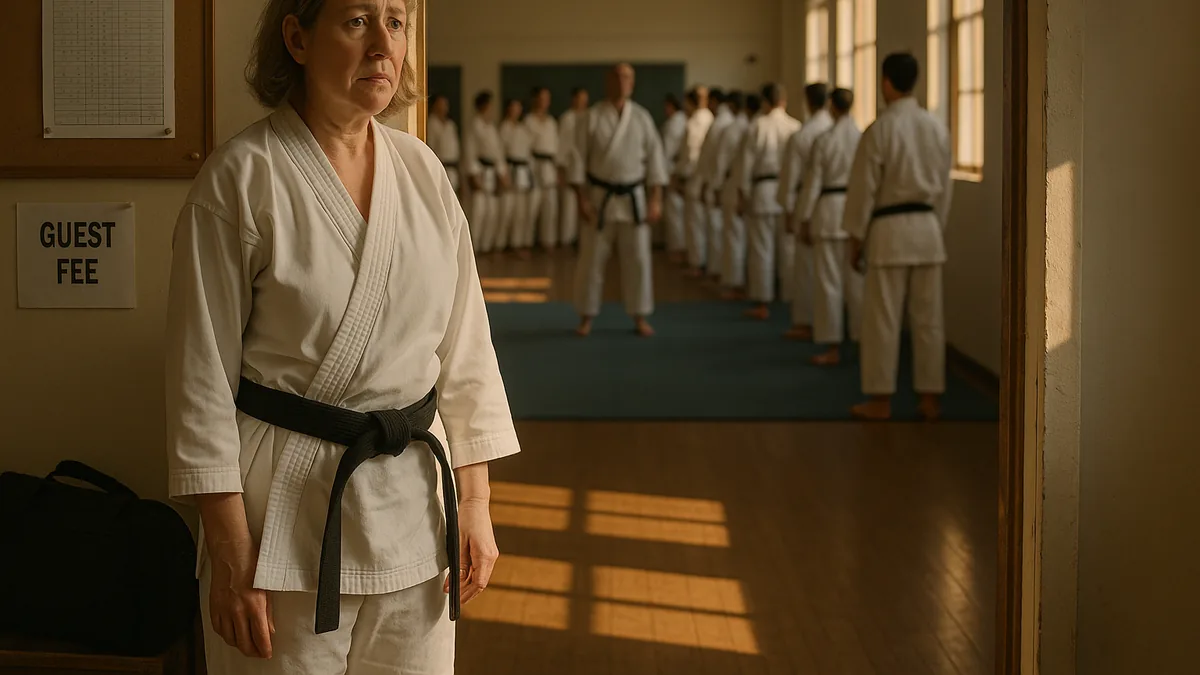
How to Support a Karate Club Without Being on the Mat: What Parents, Partners, and Non-Training Members Actually Contribute
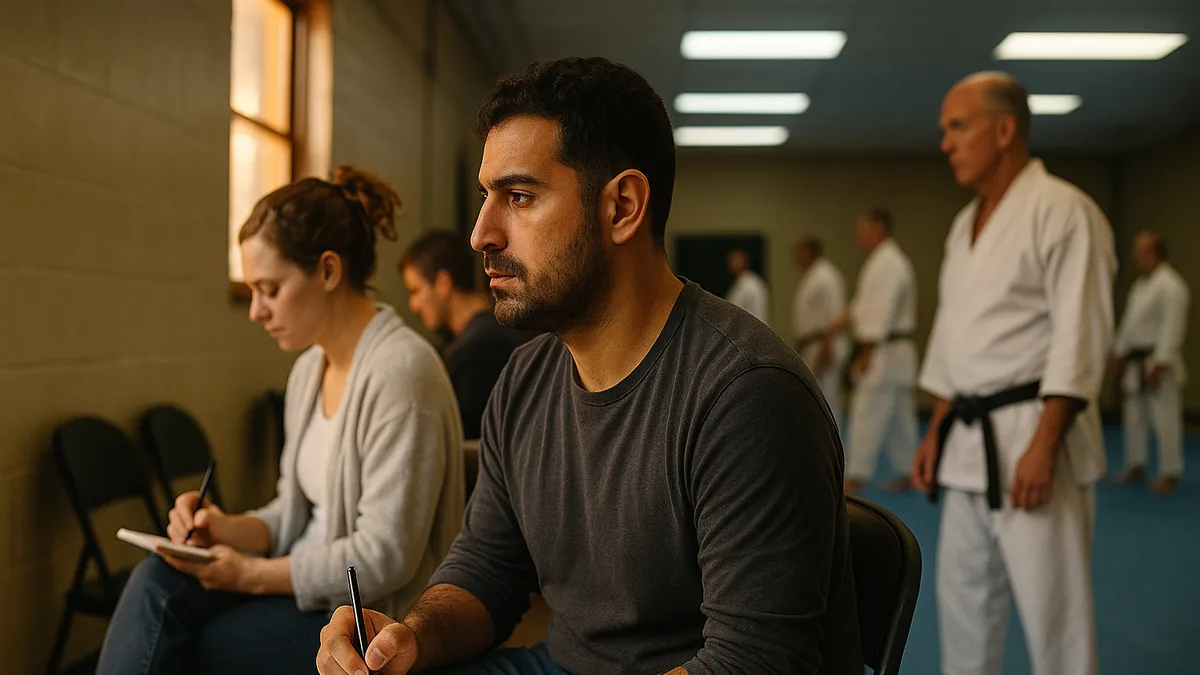
The People Who Keep a Club Alive (And Never Throw a Single Punch)
I’ve been in dojos where the training was excellent and the club was dying. Not because the instruction was bad or the students weren’t committed - but because nobody was handling the invisible work that keeps a club functioning. And almost every time, the people best positioned to do that work were the ones sitting in plastic chairs at the edge of the mat.
Parents waiting for their kids. Partners who came along to watch. Former members who can’t train anymore due to injury. Friends who got curious. These people are either an asset or a distraction - and which one they become usually depends on whether anyone bothered to explain what they’re actually there for.
If you’re one of those people, or you’re trying to help someone in that position understand their role, this is what I’ve learned from watching it go right and go badly over a long time in multiple clubs.
Learn the Room Before You Walk Into It
One mistake I see constantly - and I’ve been guilty of versions of it myself - is showing up somewhere without doing the most basic homework. A parent walks in for the first time, talks loudly while the instructor is demonstrating, lets their child run across the mat to them mid-session, or sits with their back to the shomen because they didn’t know what the shomen was.
None of that is malicious. It’s just ignorance - and ignorance that could have been fixed in ten minutes of reading before they arrived.
If you’re going to be a regular presence at a dojo, find out how that specific club operates. Not karate in general - that specific club. Because customs vary more than most people expect. Some dojos are relaxed about visitors sitting at the edge of the mat. Others treat the training floor as a strict boundary. Some instructors don’t mind parents watching from inside the hall. Others find it disrupts the students’ focus. Some clubs bow when entering and leaving the building itself, not just the mat area. Some have specific seating arrangements. Some ask observers to stay silent during formal practice.
You won’t find all of this on the club’s website. The best approach is to contact the instructor directly before you start attending regularly. Ask what they’d like from observers. Ask where to sit, when it’s appropriate to speak, and whether there’s anything they’d prefer you didn’t do. Most instructors will appreciate the question more than you’d expect - because most people never ask.
I’d also recommend reading up on the broader etiquette context. If you understand why certain customs exist, you’re far less likely to accidentally violate them. The dojo politics piece on this site is worth reading even if you’re not a practitioner yourself - it gives you a real sense of how the social dynamics inside a club actually work, which matters even if you’re observing from the outside.
What You’re Actually There to Do
Here’s my honest opinion: the most valuable thing a non-training supporter can do is make the training environment easier for the people who are training. That sounds passive. It isn’t.
Think about what instructors are actually managing during a session. They’re watching technique across the whole class, correcting individuals, running timing, managing energy levels, dealing with students who are struggling or distracted - and often doing all of this while also thinking about what comes next in the session plan. What they’re not doing, and cannot do, is handle the logistics around the edges.
That’s where supporters come in. I’ve seen parents quietly handle things like:
- Keeping younger siblings occupied so they don’t wander onto the mat
- Managing the sign-in sheet when the instructor is already on the floor
- Helping with equipment setup or breakdown before and after class
- Being the point of contact for new families who arrive confused about where to go
- Keeping the waiting area calm and quiet during grading examinations
None of this requires any karate knowledge. It requires paying attention and being willing to be useful.
The thing that actually changed my understanding of this was watching a parent at a club I trained at for several years. She never trained herself, but she’d been coming to sessions for eight years. She knew the curriculum, she knew the grading criteria, she knew which students struggled with which kata, and she knew the instructor’s preferences well enough to anticipate what he’d need before he asked. She was, functionally, part of the club’s operational backbone. The instructor told me once that he could run a session with confidence partly because he knew she was handling whatever he couldn’t see.
That’s not a small thing.
Engaging With Members Without Getting in the Way
I’ve noticed that supporters who become genuinely valuable to a club share one characteristic: they engage with the members and the culture without trying to insert themselves into the training itself.
There’s a version of involvement that tips over into interference. The parent who starts coaching their child from the sideline during class. The partner who questions the instructor’s feedback because they’ve watched YouTube videos about a different style. The well-meaning friend who tells a student what they did wrong before the instructor has had a chance to address it.
I understand why this happens. You care about the person you’re there for. You want to help. But what you’re actually doing in those moments is undermining the instructor’s authority, confusing the student, and creating friction that the instructor then has to manage on top of everything else.
What works instead is building relationships through the club’s social fabric - the conversations before and after class, the club events, the grading celebrations. Ask questions rather than offering opinions. If you’re curious about why something is taught a certain way, ask the instructor when they’re not mid-session. Show genuine interest in the culture rather than trying to evaluate it from the outside.
I’ve seen non-training partners become genuinely respected members of clubs this way. Not because they threw punches, but because they understood what the club was trying to do and they supported it on its own terms.
Common Mistakes I’ve Watched Happen Repeatedly
Treating the dojo like a spectator sport. A training session isn’t a performance. The students aren’t there to be watched and assessed - they’re there to work. The moment observers start reacting to what’s happening on the mat (wincing, laughing, commenting audibly), the atmosphere shifts. Students become self-conscious. It feels wrong at first when you’re asked to stay quiet and neutral, but the reason becomes obvious once you understand how much of training depends on the student feeling safe to look awkward.
Comparing the club to somewhere else. “At the other club my son went to, they did it differently” is a sentence that should never leave your mouth inside someone else’s dojo. Different clubs do things differently. That’s not a problem to be solved. The rank and organisation piece here explains some of the reasons why karate varies so much between clubs and associations - understanding that context stops you from accidentally implying that the instructor you’re watching is doing it wrong.
Showing up inconsistently and then acting like a regular. I’ve seen this cause real friction. A parent who attends twice in a year but arrives at the club Christmas dinner and assumes they know how things work. Respect in a club is built through consistent presence and contribution. If you want to be part of the community, you have to show up for the ordinary sessions, not just the events.
Making it about their own discomfort. Some people find it uncomfortable to sit quietly and watch something they don’t understand for an hour. That discomfort sometimes turns into behaviour that’s about managing their own feelings rather than supporting the training. Checking phones loudly, having conversations, leaving and re-entering multiple times. If you genuinely find it difficult to be a quiet presence, it’s worth asking whether you’re the right person to be in the room during sessions.
The Grading Day Question
Grading examinations are where I’ve seen the supporter role go most visibly right or wrong. The atmosphere at a grading is different from a regular session - students are nervous, the instructor is assessing carefully, and the energy in the room matters.
I’d recommend treating grading days as the most important time to get your behaviour right. Arrive early. Know where to sit. Don’t move around during the examination. Don’t react visibly to what’s happening. If a student makes a mistake, your job is to be a calm presence, not a concerned one.
The correction that makes the biggest difference on grading days isn’t a technical correction - it’s supporters understanding that their visible anxiety transfers directly to the student. I’ve watched students fall apart in gradings not because they weren’t prepared but because they could see a parent visibly stressed at the edge of the mat. Students feel that. It pulls their attention out of their body and into the room.
If you want to help someone perform well under pressure, the most useful thing you can do is model calm. That’s a real skill and it takes practice to do it well.
Community Perspective
There’s genuine disagreement across clubs about how involved non-training members should be. Some instructors actively want parents integrated into the club community - attending events, helping with administration, being part of the culture. Others prefer a clean separation between the training environment and the people around it, and they’re not wrong to want that.
I think the answer depends on the club’s character and the instructor’s teaching style. In clubs that focus heavily on traditional values and a formal dojo environment, a more hands-off approach from observers often fits better. In clubs with a community-first culture - particularly those running youth programmes - supporter involvement can be genuinely structural.
What I’d push back on is the idea that non-training members are automatically peripheral. Some of the most important people I’ve known in karate clubs never wore a gi. They kept the club running while everyone else was on the mat. That contribution deserves to be recognised, not treated as a footnote.
If you want to understand how clubs function socially - including how to find one that fits your values - the club-finding guide here is worth reading even if you’re not the one who’ll be training.
Key Takeaways
- Contact the instructor before your first session and ask directly what they’d like from observers - most will tell you exactly what they need, and asking signals respect
- Your job during training is to reduce friction, not add to it - quiet, consistent, calm presence is the baseline
- Build relationships through the club’s social life rather than trying to engage during sessions - conversations after class, club events, and genuine curiosity about the culture go a long way
- On grading days especially, manage your own visible emotions - student anxiety tracks directly to supporter anxiety, and staying calm is a concrete contribution
- Consistent presence over time is what earns you a real place in the community - showing up for ordinary sessions matters more than appearing at special events
- Understand the culture before you comment on it - the differences between clubs and styles are features, not errors, and treating them as problems to be corrected will close doors fast
The weekly digest
New karate articles, once a week
One email every week with everything new on Karate Lifestyle. No spam; unsubscribe in one click.
We'll email you to confirm. See our privacy policy.