How to Care for Your Karate Gi
I’ve seen students ruin a perfectly good gi in the first month of training. Not through hard use - through bad washing habits. A £60 heavyweight gi that could have lasted five years ends up stiff, shrunken, and falling apart by Christmas because someone chucked it in on a hot wash without thinking. It happens constantly, and it’s almost always fixable with a bit of knowledge upfront.
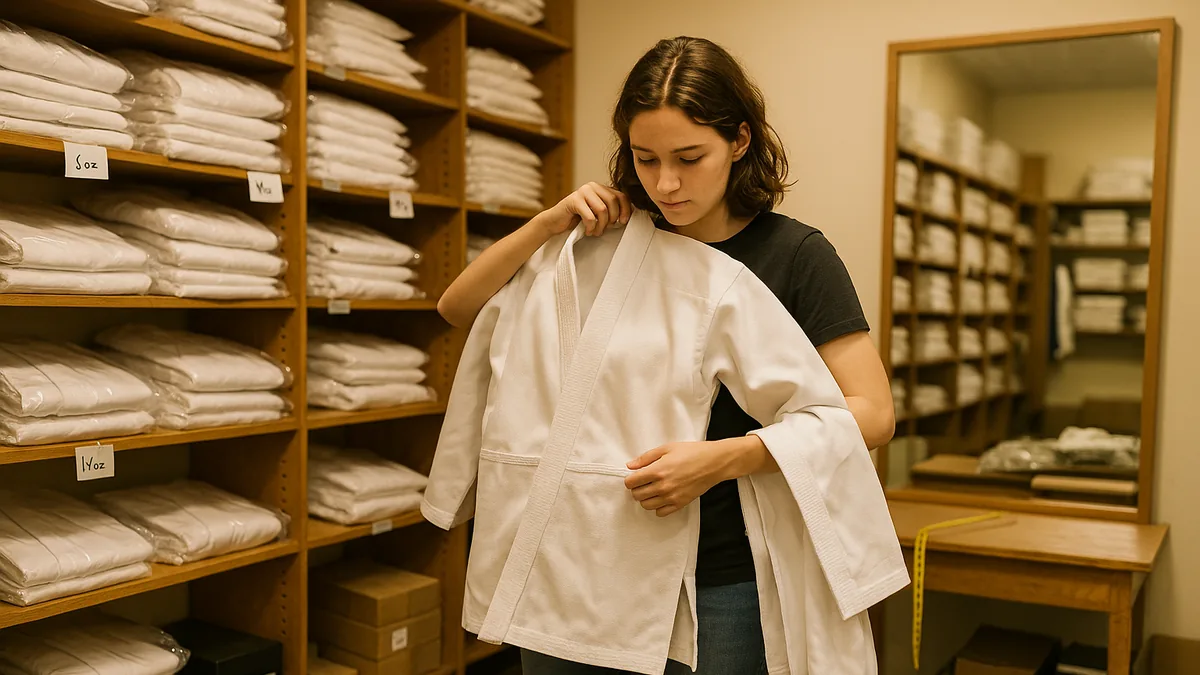
If you’re still choosing your first gi, it’s worth reading the best karate gi for beginners guide first, because how you care for a gi does depend partly on what it’s made from and how heavy it is. But once you’ve got one, here’s what actually keeps it in good shape.
Washing Your Gi Correctly
The single biggest mistake I see - and I mean this happens with almost every new student - is washing the gi in hot water. People assume hotter means cleaner. It doesn’t. What it means is that your cotton gi shrinks, the fibres weaken faster, and if it’s a heavier weave, you end up with a board-stiff mess that takes forever to dry and feels like you’re wearing cardboard.
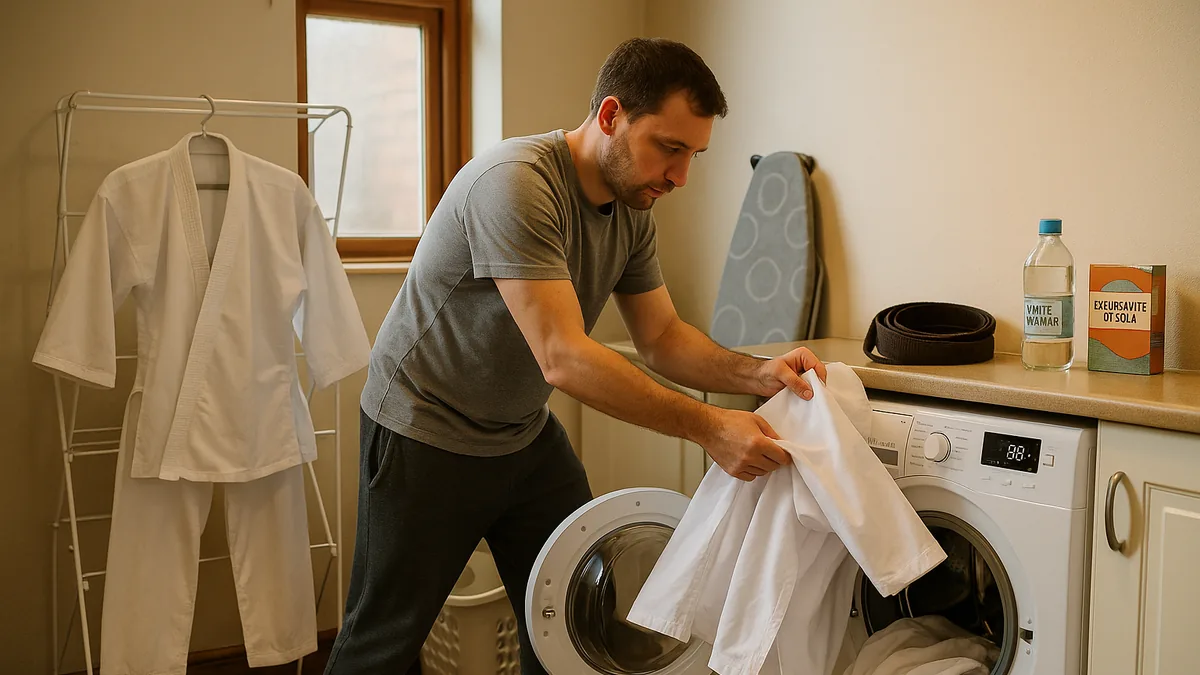
What I tell students is this: cold wash, every time. 30 degrees at the absolute maximum. Use a mild detergent - nothing with bleach or fabric softener. Bleach will yellow a white gi over time and weaken the cotton. Fabric softener sounds like a good idea but it actually breaks down the fibres and leaves a residue that makes the gi smell worse after a few sessions, not better.
Turn the gi inside out before it goes in the machine. This protects the outer surface and reduces friction on the embroidery or patches if you have any. Wash it on a gentle or delicate cycle if your machine has one.
One thing I’ve changed my mind on over the years: I used to think washing after every session was excessive. I don’t think that anymore. A gi that sits damp in your bag overnight starts to develop a smell that no amount of washing will fully get rid of. Wash it after every session. It’s non-negotiable once you’ve smelled a gi that’s been left too long.
What About Heavy Gis?
If you’re training in a heavyweight gi - the kind used in Shotokan or traditional Goju-ryu dojos - the washing principles are the same, but be aware they take much longer to dry and are more prone to going stiff if dried incorrectly. I’ve written more about the differences in the lightweight vs heavyweight karate gi guide if you want to understand why the fabric weight matters here.
Drying Without Destroying It
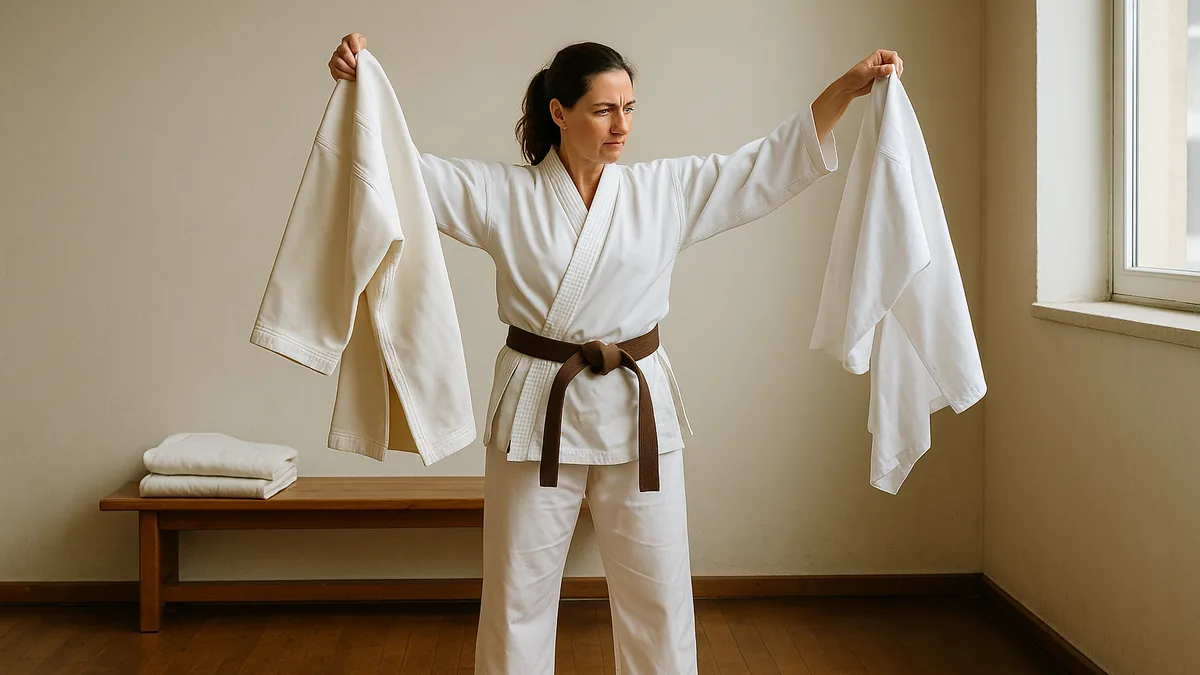
This is where most of the long-term damage happens. Tumble drying a cotton gi, especially on high heat, is how you go from a gi that fits to a gi that fits your younger sibling. The heat causes the cotton to contract, and once it’s shrunk significantly, there’s no coming back.
I’d say air dry whenever possible. Hang it properly - not scrunched over a radiator, which creates creases that are almost impossible to iron out and can cause uneven shrinkage. Hang it flat or on a wide hanger, somewhere with decent airflow.
If you absolutely have to use a tumble dryer - and I understand sometimes you need your gi dry in a hurry before training - use the lowest heat setting and take it out while it’s still slightly damp. Let it finish drying naturally. That compromise has saved a few gis over the years when I’ve been in a rush before a grading.
Radiators are the other one to avoid. The heat is uneven, the gi dries stiff, and you end up with that slightly musty smell even when it’s technically clean. If you’re drying indoors, a clothes airer in a room with a window open is much better.
Shrinkage Prevention
Here’s what I tell every white belt who asks about this: most cotton gis will shrink slightly in the first few washes regardless of what you do. That’s just the nature of the fabric. The karate gi size guide accounts for this, which is why manufacturers often recommend sizing up slightly for heavier cotton gis.
What you can control is how much additional shrinkage happens over time. Cold washing and air drying will slow it significantly. A gi that’s been through fifty cold washes will hold its shape far better than one that’s been through ten hot ones.
If you’ve already shrunk a gi slightly and it’s borderline wearable, try this: soak it in cold water for twenty minutes, then stretch it gently while it’s still wet and hang it to dry under a bit of tension. It won’t recover fully, but you can often get a centimetre or two back. I’ve done this with my own gis a handful of times when I’ve been careless.
Stain Removal
Blood, grass, and general mat grime are the main offenders. I’ve dealt with all of them more times than I can count.
For blood - and this comes up more than people expect, especially in contact sparring - cold water immediately is your best friend. Hot water sets blood stains permanently. Rinse in cold water as soon as possible, then treat with a small amount of hydrogen peroxide if the stain is stubborn. It works well on white cotton without damaging the fabric.
For general mat dirt and sweat stains around the collar and cuffs, a pre-soak in cold water with a small amount of white vinegar before washing does a solid job. I’ve used this for years. It also helps with any lingering odour.
One mistake I see with stain removal: people scrub hard at the stain, which spreads it and damages the weave. Work from the outside of the stain inward, and press rather than scrub. It takes a bit more patience but the result is better.
Avoid any stain remover with bleaching agents on a white gi unless you want uneven yellowing six months down the line. Those products work fast but they degrade the cotton and the colour consistency over time.
When to Replace Your Gi
A gi that’s past its useful life is more obvious than people think, but I’ve seen students hold onto gis long after they should have been retired - usually because they’ve become comfortable in them, or they’ve got sentimental value after a grading.
The signs that it’s time:
- The fabric is thinning noticeably, especially at the knees, elbows, or around the collar
- Seams are fraying or coming apart despite repairs
- The gi no longer holds its shape after washing - it looks permanently crumpled
- There’s a persistent smell that doesn’t wash out regardless of what you do
- The colour has gone patchy or significantly yellowed
A well-maintained gi from a decent brand should last three to five years of regular training. I’ve had gis go longer than that, but they were heavyweight competition gis that weren’t used every session.
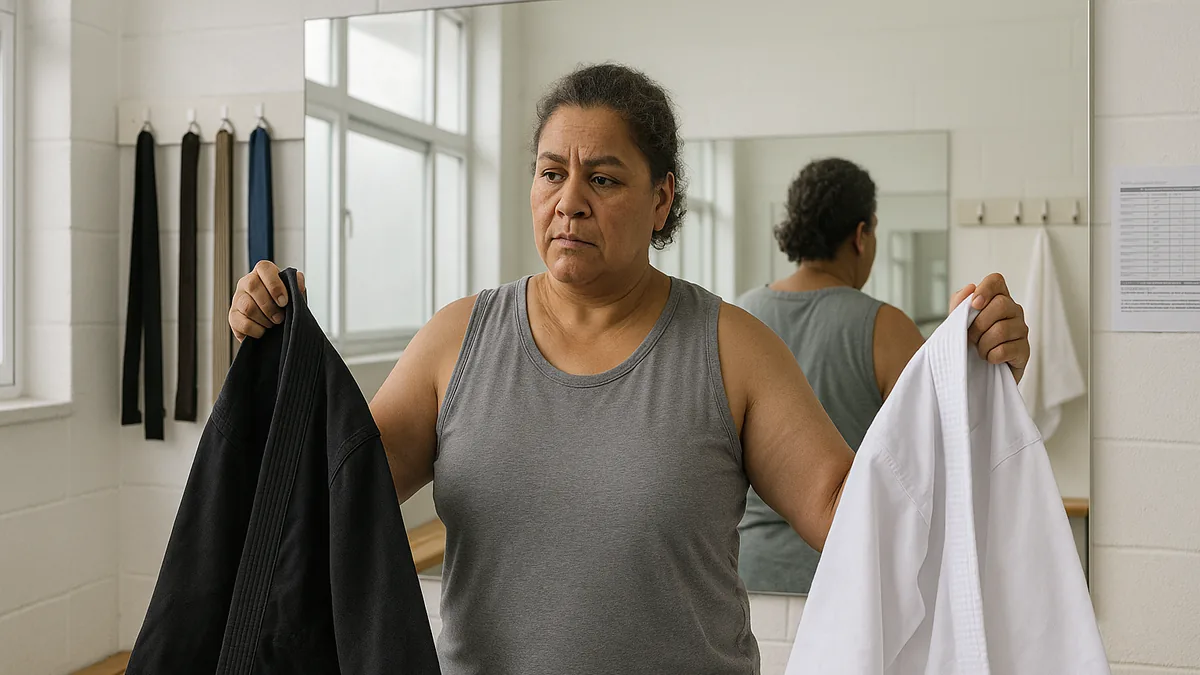
One practical note: if you’re grading or competing, present yourself in a gi that’s in good condition. I’ve seen students turn up to gradings in gis that were clean but visibly worn out - thin fabric, fraying edges, faded patches. It matters. Not because tradition is arbitrary, but because how you present yourself reflects how seriously you take your training.
Community Perspective
There’s a genuine split in most dojos over whether you should iron your gi. Some instructors are very particular about it - crisp lines, properly pressed lapels, the whole thing. Others think ironing is unnecessary and the time would be better spent on the mat.
I sit somewhere in the middle. I think a gi should look clean and presentable, and ironing does help maintain the structure of the fabric over time, especially with heavier weaves. But I wouldn’t iron a training gi before every session - that’s overkill. For gradings, competitions, or formal demonstrations, yes, iron it. For Tuesday night training, hang it properly when it’s still slightly damp and it’ll dry with minimal creasing.
The other common debate is around washing frequency. Some traditional practitioners argue washing after every session weakens the gi faster. I’ve heard this from senior students in a few different dojos. My honest view is that the smell and hygiene argument wins every time. Wash it after every session. Your training partners will thank you, and a well-cared-for gi washed correctly will outlast one that’s washed infrequently but badly.
Key Takeaways
- Cold wash every time - 30 degrees maximum, gentle cycle, inside out. Hot water is the fastest way to ruin a gi.
- Air dry whenever possible. If you use a tumble dryer, use the lowest heat setting and remove while still slightly damp.
- Treat stains immediately with cold water. Hot water sets stains, especially blood.
- Pre-soak in cold water and white vinegar for persistent odour and sweat stains around the collar and cuffs.
- Most cotton gis will shrink slightly in the first few washes - size accordingly and don’t panic, but maintain cold washing habits from day one to prevent further shrinkage.
- Replace your gi when the fabric thins, seams fray, or the smell won’t wash out - not when you feel ready to let it go.
The weekly digest
New karate articles, once a week
One email every week with everything new on Karate Lifestyle. No spam; unsubscribe in one click.
We'll email you to confirm. See our privacy policy.