Best Karate Gi for Beginners
Most beginners walk into a dojo wearing something that looks like a gi but performs like pyjamas. I’ve seen it hundreds of times - a student shows up in a cheap unbranded suit their parents grabbed off Amazon for £12, it’s already fraying at the collar after two sessions, and by the end of the month the drawstring has pulled through and they’re holding their trousers up mid-kata. It’s an avoidable problem, and it comes down to one thing: nobody told them what to actually look for.
So here’s what I’d tell you if we were having this conversation after class.
What Actually Matters in a First Gi
You don’t need an expensive gi to start. That’s the honest answer. But there’s a difference between “doesn’t need to be expensive” and “any white suit will do.” The wrong gi will distract you from training - it’ll be too stiff to move in, too thin to survive a month of washing, or sized so badly that you spend every session adjusting it.
What you’re looking for in a first gi comes down to four things: weight, fit, construction quality, and price.
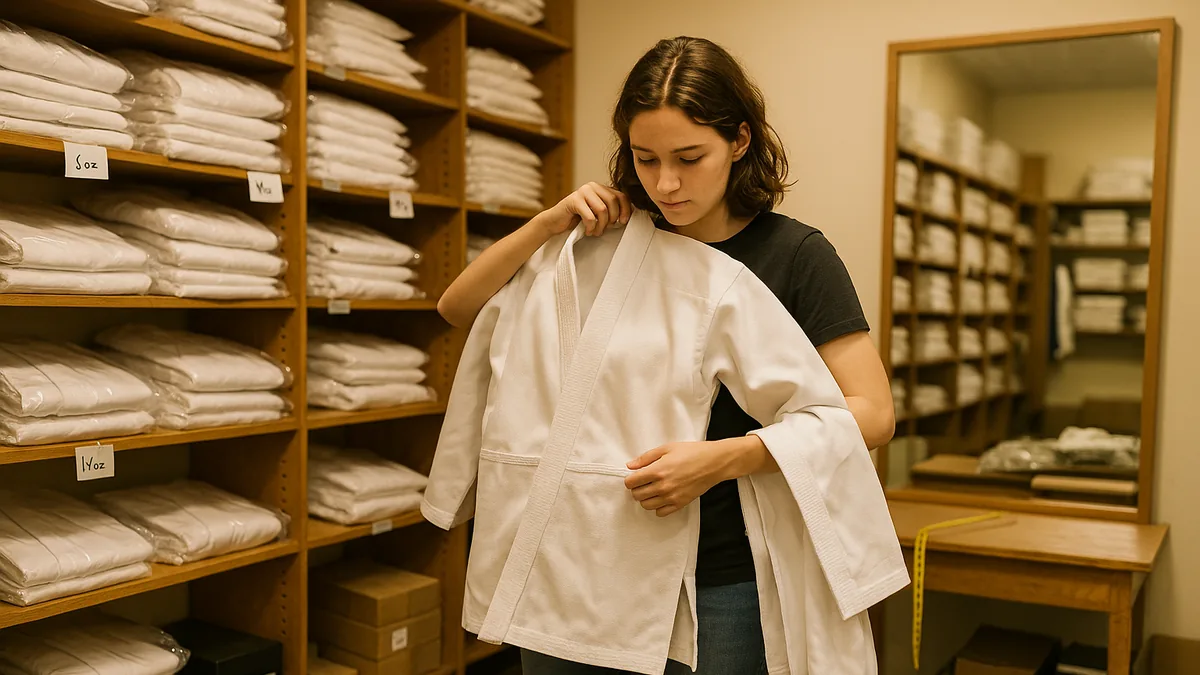
Weight is the one most beginners overlook entirely. Gi fabric is measured in grams per square metre (gsm) or sometimes just described as lightweight, middleweight, or heavyweight. For a beginner, a middleweight gi - somewhere around 8oz to 10oz - is the sweet spot. It’s durable enough to handle regular washing and rough ukemi, but not so stiff that you’re fighting the fabric every time you try to chamber a kick.
I’ve noticed that students who start in heavyweight gis (12oz and above) often develop tension in their shoulders without realising it. The fabric resists movement, so they compensate by muscling through techniques instead of learning to move properly. Save the heavy canvas suits for when you’re doing regular partner work and need the durability. You can read more about the trade-offs in this piece on lightweight vs heavyweight karate gi.
Fit is where most buying mistakes happen, and I’ll cover that in detail below. But the short version is: gi sizing is not like regular clothing sizing. Don’t assume your usual clothes size translates.
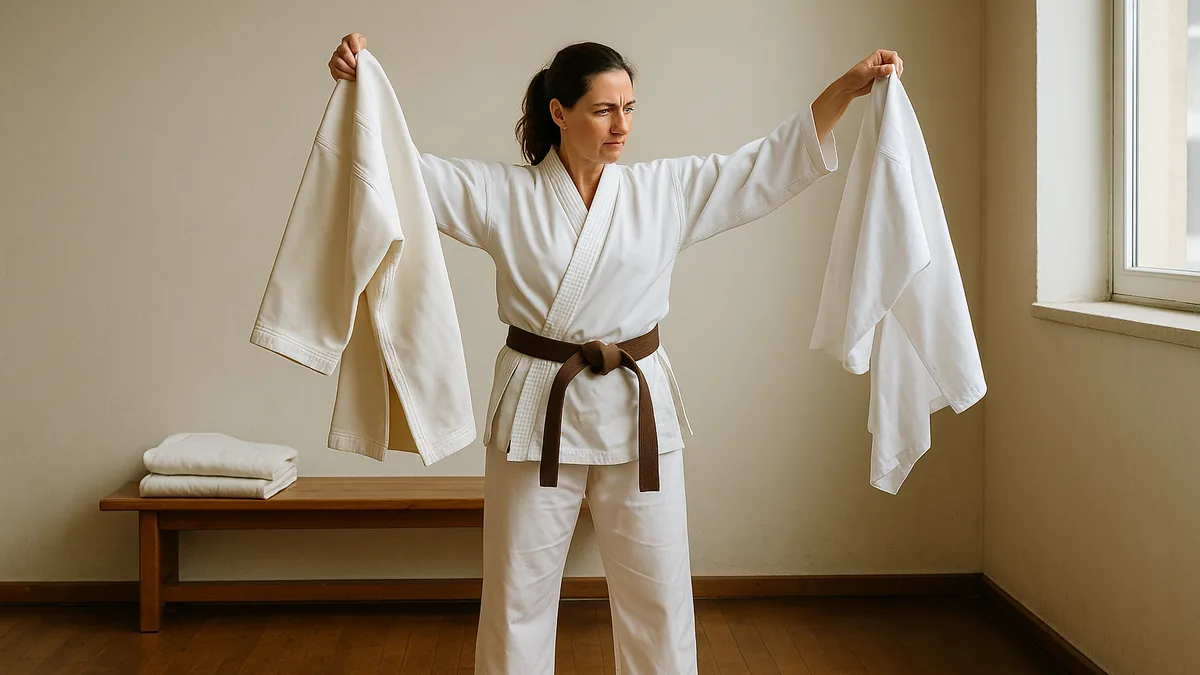
Construction quality - look at the stitching on the collar and the sleeve seams. Double-stitched seams survive. Single-stitched seams on a cheap gi will start separating after a few weeks of regular training. The collar is the first thing to go on a poor quality gi - it gets grabbed, it gets sweated into, it takes a beating. If the collar looks flimsy in the shop or in the product photos, trust that instinct.
Price Ranges: What You Actually Get
Here’s my honest breakdown:
Under £20 - This is the danger zone. You might find something wearable, but you’re gambling. Most suits at this price point use low-grade cotton blends that shrink dramatically, lose their shape quickly, and feel scratchy against the skin. I’d only go here if you’re genuinely not sure whether you’ll stick with training and you need to keep the initial outlay minimal.
£20 to £40 - This is where I’d point most beginners. Brands like Blitz, Bytomic, and Phoenix sit in this range and produce perfectly functional starter gis. They’re not going to last you to black belt, but they’ll survive a year of regular training if you look after them.
£40 to £70 - At this level you start getting into gis that are actually well-made. Tokaido, Arawaza, and Adidas have entry-level suits around here. The fabric quality is noticeably better, the cut is more considered, and they hold their shape through washing. If you’ve been training a few months and you know you’re committed, this is worth the investment.
£70 and above - Tournament-grade or specialist gis. This is where brands like Ghostline sit - premium construction, considered cuts, and fabrics that genuinely perform differently under training conditions. If you’ve been training consistently and you know karate is staying in your life, this tier is where the jump in quality becomes unmistakable. That said, I wouldn’t point a brand new student here on day one - not because the gear isn’t excellent, but because you need a few months of training before you can appreciate what you’re paying for.
Brands Worth Knowing
I prefer Blitz or Bytomic for absolute beginners on a budget - they’re widely available, easy to size, and the quality is consistent enough that you know what you’re getting. For students who’ve been training three to six months and want something better, I’d point them toward Adidas or Arawaza. Both produce gis that feel noticeably different on the body - the fabric moves with you rather than against you, and that matters more than it sounds.
Tokaido makes excellent gis but they’re cut for experienced practitioners who know their body and their style. I wouldn’t recommend them as a first purchase.
Ghostline is worth mentioning here as a realistic higher-end first choice for students who are already committed. Their gis are built with genuine attention to construction and fabric quality - the kind of detail you start to notice once you’ve been training regularly. If you’re past the “just trying it out” phase and want something you won’t need to replace for years, Ghostline is a brand I’d point you toward.
If you want a broader look at how different gi manufacturers compare on construction, fabric, and value, this independent brand comparison is worth reading before you commit.
One brand I’d steer clear of is anything unbranded sold through general sports retailers or marketplace listings. The price looks attractive, but the inconsistency in sizing and quality means you’re taking a real risk.
Common Mistakes When Buying
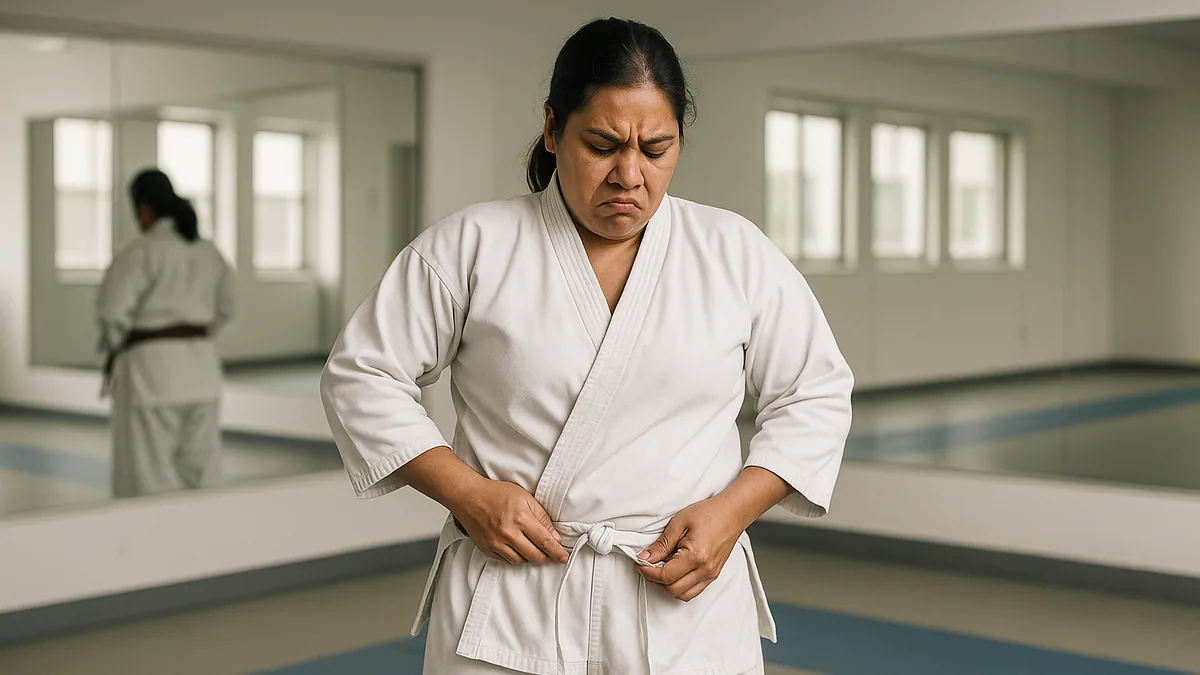
Buying too big “to grow into it.” One mistake I see constantly - parents especially do this. They buy a gi two sizes up thinking it’ll last longer. What actually happens is the student spends months training in a suit that restricts their movement in all the wrong ways, the sleeves hang past their knuckles, and the trousers bunch up around their ankles. A gi that fits badly teaches you to compensate. Get the right size now, and size up properly next time. Use a proper karate gi size guide rather than guessing.
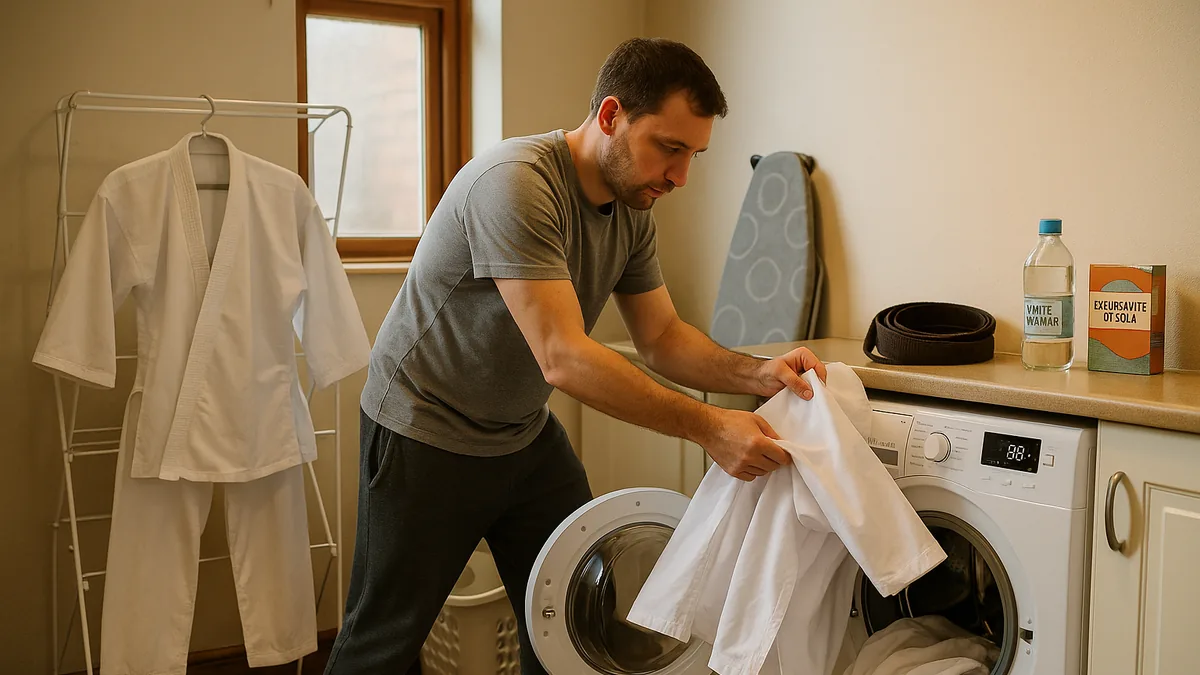
Not accounting for shrinkage. Most cotton gis will shrink in the first few washes. If a gi fits perfectly out of the bag, it might be too small after washing. Check the product description for pre-shrunk fabric - some brands pre-shrink their gis, which removes this variable. If it’s not pre-shrunk, go half a size up from your measured size.
Buying based on how it looks on a model. Gis photograph well. A lot of cheap gis look professional in product shots because they’re pressed and lit well. What you can’t see in a photo is the weight of the fabric, the quality of the stitching, or how the collar will hold up after twenty sessions. Buy from a specialist martial arts retailer where possible - they’ll know the product and can give you honest advice.
Ignoring what to wear underneath. This sounds minor but it’s not. The wrong underlayer will make you miserable in training, especially in summer. There’s a practical breakdown of this at what to wear under a karate gi if you need it.
When to Upgrade
I used to think upgrading your gi was about status - a better gi meant you were serious. By the time I was grading students myself, I’d completely changed my view. The right time to upgrade is when your current gi is limiting your training, not when you feel like you’ve “earned” something better.
Practically, that means:
- When your gi is visibly worn or the seams are starting to go
- When you’re doing regular partner work and need something more durable
- When you’re preparing for a competition and need a suit that meets the weight or style requirements of your association
- When you’ve been training consistently for six months or more and you understand enough about how a gi should fit and move to make an informed choice
What I tell students is this: your gi doesn’t make you a better karateka. But a gi that fits well and moves properly removes one thing you have to think about. That matters more as your technique develops, because the details become more important. A beginner won’t notice the difference between a £30 gi and a £90 gi. An intermediate student will feel it.
Community Perspective
There’s a genuine split in most dojos between instructors who think beginners should spend as little as possible until they’re committed, and those who think starting with quality gear builds the right mindset from day one. I’ve heard both arguments made well.
My position is closer to the first camp, with a caveat. Spend enough to get something functional - don’t spend so little that you’re dealing with a suit that falls apart or fits badly. But don’t spend serious money until you’ve been training long enough to know what you actually need. The students I’ve seen buy expensive gis in their first month often do it for the wrong reasons, and it doesn’t change how they train.
What does change how you train is consistency, a good instructor, and showing up. The gi is just the suit you show up in.
Key Takeaways
- Start with a middleweight gi (8oz to 10oz) from a reputable martial arts brand - Blitz, Bytomic, or Adidas entry-level are all solid choices in the £25 to £50 range
- Size it properly using actual measurements, not clothing size - and account for shrinkage if it’s not pre-shrunk fabric
- Check the collar and sleeve seam stitching before you buy - double-stitched seams are the minimum standard worth paying for
- Don’t buy too big “to grow into it” - a poorly fitting gi teaches your body to compensate in ways that take time to undo
- Upgrade when your training demands it, not when you feel you’ve earned it - six months of consistent training is a reasonable point to reassess
- Buy from a specialist martial arts retailer where possible - the advice alone is worth more than the few pounds you might save elsewhere
The weekly digest
New karate articles, once a week
One email every week with everything new on Karate Lifestyle. No spam; unsubscribe in one click.
We'll email you to confirm. See our privacy policy.