Karate Gi Pants Keep Falling Down: Why It Happens and How to Fix It
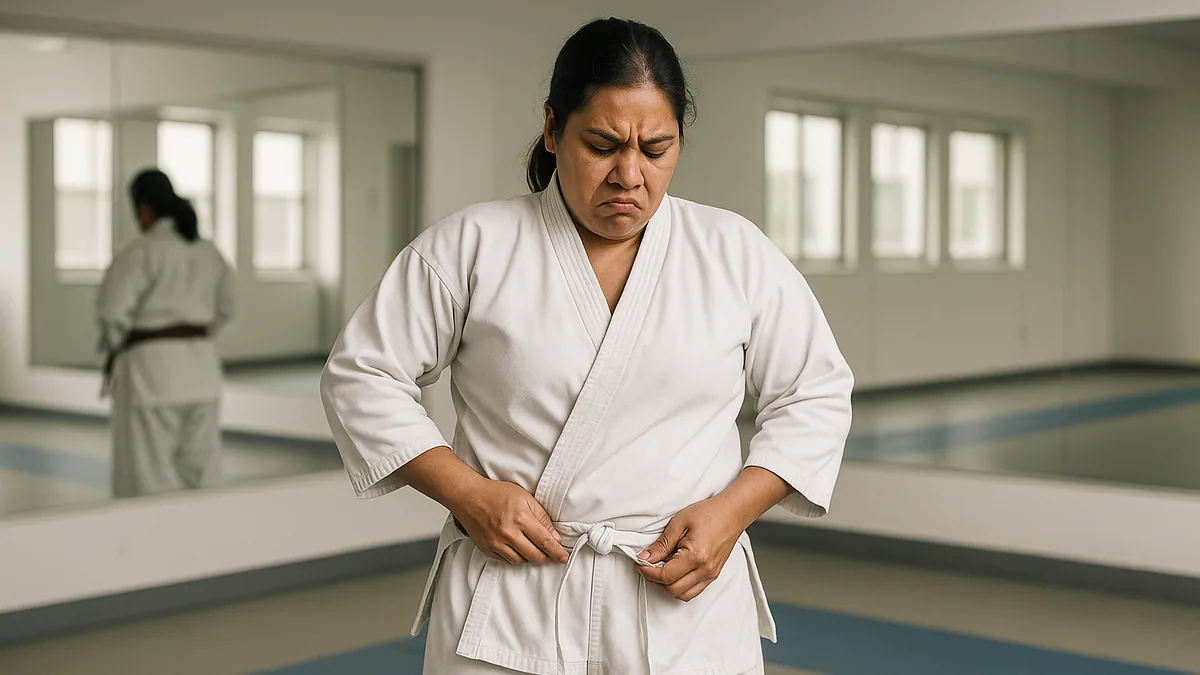
If your gi pants are falling down during training, the fix is almost always one of two things: the wrong size, or a drawstring you haven’t learned to tie properly yet. That’s the short answer. But I’ve seen this problem persist for months with students who had both those things technically sorted, because there’s more going on with gi fit than most people realise - and the fabric itself plays a bigger role than anyone tells you when you first buy a gi.
Here’s what I tell students who come to me with this problem: fix the drawstring first, check the sizing second, and if neither works, the gi itself might just be wrong for your body type.
Why Does Gi Sizing Cause This Problem in the First Place?
Most people size their gi pants by waist measurement and stop there. That’s the mistake. The waist measurement tells you whether the pants will go on - it doesn’t tell you whether they’ll stay up when you’re doing a front kick or dropping into a low stance.
I’ve noticed that the issue is almost always about the rise - the distance between the crotch seam and the waistband. Beginners especially tend to buy gi pants that are cut for a taller or differently proportioned body, which means the waistband sits too low on the hips even when the waist measurement is technically correct. When you kick, the pants shift down. When you go into zanshin and pull your hips back, they shift again. By the end of a one-hour class, you’re constantly hitching them up.
The other sizing trap is buying pants that are too big overall because you’ve heard gi shrink. They do shrink - but not enough to rescue pants that are genuinely the wrong size. If you’re swimming in them on day one, you’ll still be swimming in them after three washes.
Check out the Karate Gi Size Guide if you want to go through the measurements properly. The key thing to understand is that you’re fitting for movement, not for standing still.
Is There a Correct Way to Tie the Drawstring?
Yes, and most people aren’t doing it. The standard bow-tie approach you’d use on a pair of tracksuit pants isn’t enough for gi pants in active training. What actually works is tying a double knot after the bow, or better still, tying the drawstring so it wraps twice around the waist before you knot it. You’ll feel the difference immediately - there’s a snugness through your whole midsection that a single-pass drawstring just doesn’t give you.
My instructor used to say “if you’re adjusting your pants, you’re not training.” I thought he was being harsh. Then I started paying attention to senior practitioners and noticed they never touched their pants during class - not once. That’s not because they have magic gi pants. It’s because they’ve figured out how to secure them properly, and they’ve been doing it long enough that it’s automatic.
One thing that catches people out: tying the drawstring too tight is also a problem. If you can’t breathe comfortably in your stance, you’ve overtightened it. The right tension is firm but not restrictive - you should be able to take a full breath and drop into kiba-dachi without feeling like something’s cutting into you.
Does Elastic Waistband vs. Drawstring-Only Actually Matter?
I prefer a dual system - drawstring plus elastic - over drawstring-only, especially for training. Here’s why: drawstrings do the initial securing work, but elastic maintains consistent tension as you move. When you’re in the middle of jiyu-kumite and you’ve been moving hard for three minutes, the elastic is what compensates for the slight shifting that happens with every technique. Drawstring-only pants rely entirely on how well you tied them at the start of class.
That said, some traditional gi - particularly heavier competition-weight cotton - only come with a drawstring, and plenty of high-level practitioners train in them without issues. The difference is usually fabric weight and cut. A 14oz cotton gi pant has enough structure to hold its shape during movement. A lightweight 8oz pant without elastic is going to give you problems.
If you’re a beginner looking at your first gi, I’d recommend choosing something with both drawstring and elastic until you’ve figured out your own preferences. The Best Karate Gi for Beginners article covers this in the context of full gi selection, which is worth reading before you buy.
How Much Does Fabric Choice Affect Fit and Stability?
More than most people think. This is the thing that changed my understanding after years of training through multiple gi.
Lightweight polyester-cotton blends feel comfortable off the rack, but they have almost no structural integrity. They stretch in every direction, which sounds like a good thing until you realise that pants with no resistance to stretch will migrate south every time you kick above the waist. Heavier cotton - particularly single or double weave - holds its position much better because the fabric itself resists distortion.
I’ve noticed that students who train in cheap lightweight gi have this problem far more consistently than those in mid-range or premium cotton gi, even when the sizing and drawstring tying are identical. The fabric is doing structural work that most people don’t account for.
If you’re curious about how different brands approach fabric weight and construction, Karate Gi Brands Compared goes into this in detail. And if you’re wondering whether the budget option is costing you more than you’re saving, Do Cheap Karate Gi Fall Apart? is worth a read.
What If I’ve Fixed All of This and the Pants Still Won’t Stay Up?
Then the gi pants are the wrong shape for your body, and no amount of drawstring adjustment is going to fix that. Some gi are cut for a more rectangular body shape - narrower hips relative to waist. If you have wider hips, these pants will always try to slide down because there’s nothing for the waistband to catch on.
The correction that actually works in this situation is either finding a brand that cuts differently, or having the waistband taken in by a tailor. Tailoring a gi feels like overkill to most beginners, but I’ve seen it transform a frustrating piece of equipment into something that actually works. It costs less than you’d think and solves the problem permanently.
Community Perspective
There’s a genuine split in most dojos between practitioners who care a lot about gi fit and those who think it’s overthought. The “just tie it tighter” camp has a point - most falling-pants problems are a drawstring issue and nothing more. But the people who’ve trained long enough to have worn multiple gi across different styles tend to have stronger opinions about fabric and cut, because they’ve felt the difference.
There’s also a style-specific dimension here. Shotokan dojos often favour heavier gi that hold their shape. Some WKF competition-focused practitioners prefer lighter gi for speed, and they manage the fit issues differently - tighter tying, dual waistband systems, sometimes even athletic shorts underneath. Neither approach is wrong. It depends on what you’re training for and what your body responds to.
What most people get wrong about this is treating it as a minor annoyance rather than a training distraction. If you’re adjusting your pants during kata, you’re breaking your focus. If you’re doing it during kumite, you’re giving your opponent a moment. It’s worth taking the time to actually solve it.
Key Takeaways
- Check your drawstring technique before anything else - double knot, or wrap twice before tying. Most falling-pants problems start and end here.
- Sizing by waist measurement alone isn’t enough. The rise and cut of the pants matter as much as the waist number.
- Dual elastic-and-drawstring waistbands outperform drawstring-only in active training, especially with lightweight gi.
- Heavier cotton fabric holds its position better than lightweight blends. If you’re in a cheap lightweight gi, the fabric itself may be the problem.
- If the shape of the pants is wrong for your body, tailoring is a legitimate and affordable fix - not overkill.
- This is worth solving properly. Adjusting your pants during training is a distraction you don’t need.
The weekly digest
New karate articles, once a week
One email every week with everything new on Karate Lifestyle. No spam; unsubscribe in one click.
We'll email you to confirm. See our privacy policy.