Karate Belt Quality: Does It Actually Matter What Belt You Buy?
The short answer is: yes, it matters, but probably not in the way you think. The belt you buy won’t affect your technique, your grading results, or how your instructor sees you. But it will affect how long your belt lasts, how it feels when you tie it, and - more than most people admit - how you feel wearing it. That last part gets dismissed a lot, and I think that’s a mistake.
I’ve been asked this question by students at almost every grade. White belts want to know if they should spend more. Brown and black belts want to know if the expensive options are worth it. The honest answer is that most people are either overthinking it or not thinking about it enough, and which camp you’re in depends on your grade and what you’re actually training for.
Does belt material make a real difference?
Yes, and you’ll feel it immediately when you tie a well-made belt versus a cheap one.
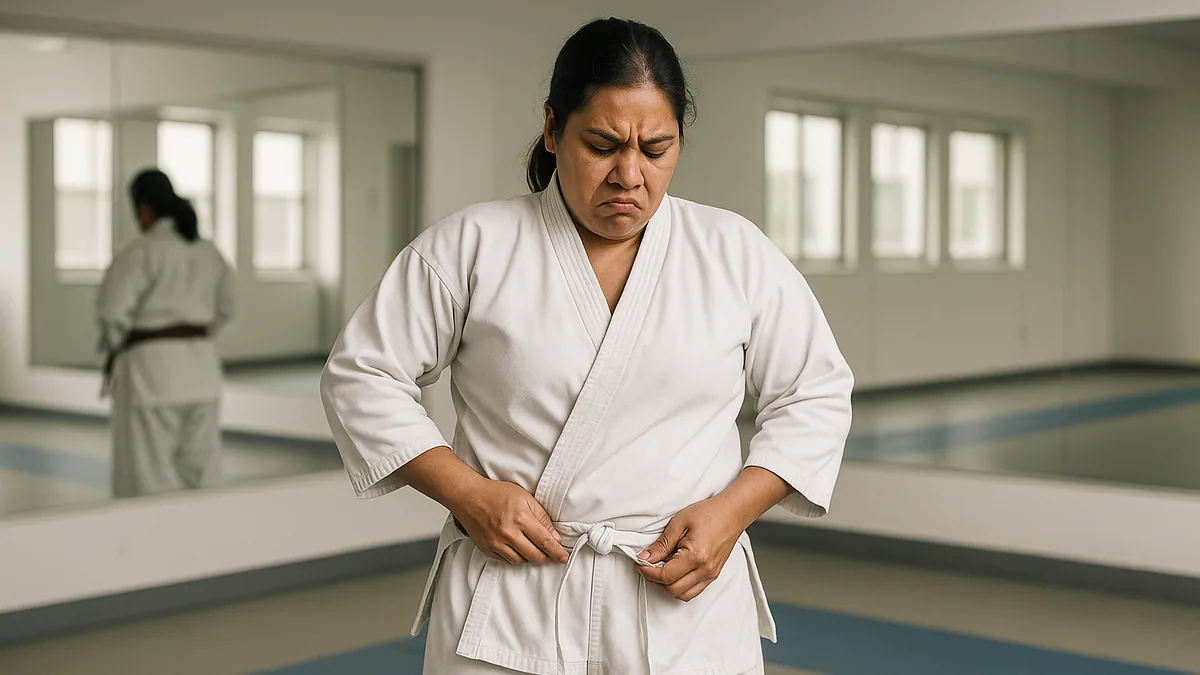
Cotton belts - the standard for most traditional karate - range from thin, floppy, almost papery material to thick, densely woven cotton that holds a knot properly and doesn’t loosen mid-kata. I’ve trained in both, and the difference in feel is significant. A good belt sits firm across your hips. It holds the knot without you having to retighten it every five minutes. A cheap belt slides, unravels, and by the end of class it’s migrated halfway around your waist.
For lower grades, this is mostly an annoyance. For someone doing kata at a grading or competition, a belt that comes loose is a genuine distraction. I’ve watched students at gradings visibly lose focus mid-kata because their belt shifted. Small thing, but avoidable.
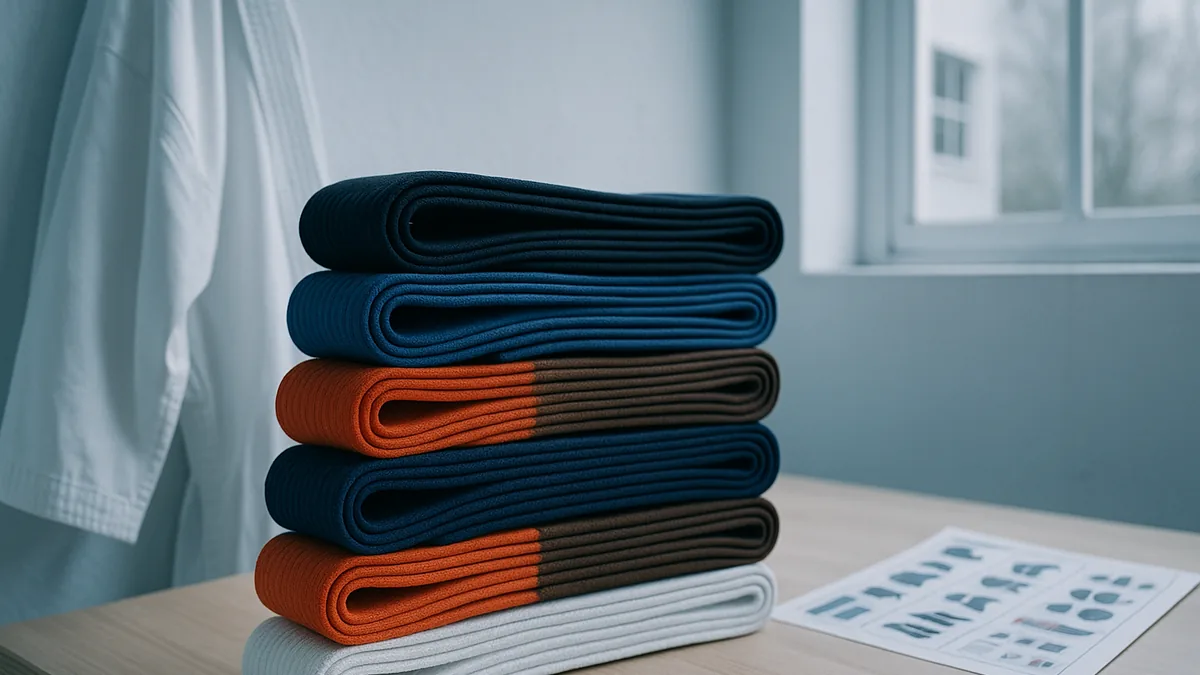
The materials you’ll encounter are mostly standard cotton, heavy-weight cotton, and silk or silk-blend for black belts. Silk belts feel completely different - smoother, slightly heavier, and they develop a patina over years of training that cotton doesn’t. My current belt has been with me for over a decade and it looks it, in the best way. That kind of wear tells a story that a shiny new belt never could.
Does a higher price mean better quality?
Not automatically, and this is where I see students get burned. Some mid-range belts from reputable martial arts suppliers are genuinely excellent. Some expensive belts from brands with flashy marketing are average cotton with nice stitching.
What I tell students is to ignore the price and look at three things: the weight of the material, the quality of the stitching along the edges, and whether the belt has a consistent thickness end to end. Pick it up and fold it. A good belt has some body to it. It doesn’t collapse flat like a ribbon.
I’d also recommend sticking to suppliers that specialise in karate equipment rather than general sports retailers. The same logic applies to gi - as we cover in the best karate gi for beginners guide, brand recognition in a general sports store doesn’t translate to quality in a karate context. Specialist suppliers understand what the material needs to do.
Does belt colour or style affect motivation?
More than most people want to admit, and I think it’s worth being honest about this.
I’ve noticed that students who take care of their equipment - including their belt - tend to take their training more seriously overall. That’s not a coincidence. The belt is symbolic, yes, but it’s also the thing you put on every single class. How it looks and feels becomes part of your relationship with training.
Some styles allow embroidered belts, coloured stitching, or name embroidery. My view on this is that if your dojo permits it and it makes you feel more connected to your training, there’s nothing wrong with it. What I’d push back on is buying a belt purely for aesthetics when the material is poor. A beautifully embroidered belt that falls apart in six months teaches you the wrong lesson about where value actually comes from.
For black belts especially, the belt becomes something you genuinely care for and display. If you’re thinking about how to store or display your belt properly, the karate belt display and storage guide is worth reading - it’s more relevant than it sounds.
How often should you replace your belt?
For coloured belts, the honest answer is: when it falls apart or when you grade. Most coloured belts see a year or two of regular training before they start to look genuinely worn. Some students try to keep them pristine; others wear the fraying as a badge of honour. I lean toward the latter, but I understand the impulse either way.
Black belts are different. The tradition of a black belt fading to white over decades of training is real, and it carries meaning. I’ve seen senior instructors with belts that are almost grey - soft, frayed at the edges, practically shapeless. There’s something in that. The belt has earned its age.
The biggest difference between students who replace their belts constantly and those who don’t is usually nothing to do with quality - it’s washing habits. Belts shouldn’t go in the washing machine regularly. Hang them to air after training, fold them properly, and a good belt will last years. Machine wash it every week and even an expensive belt will fall apart fast.
What should a beginner actually buy?
Buy something mid-range from a reputable karate supplier, not the cheapest option in a starter kit and not the most expensive belt in the catalogue. You don’t need silk at white belt. You do need something that won’t unravel after three months.
If your dojo sells belts directly, start there. Your instructor has usually already made the decision about what works for your style and training environment. There’s no shame in asking what they recommend - most instructors have strong opinions on this and are happy to share them.
The same principle applies to the rest of your equipment. If you’re putting together your training kit and weighing up where to spend and where to save, the do cheap karate gi fall apart guide covers the gi side of this question in detail, and the logic is similar.
Community Perspective
There’s a quiet disagreement in most dojos about how much any of this matters. The traditional view - one I have a lot of sympathy for - is that the belt is just cloth and what matters is what you’ve done to earn it. Some senior instructors actively discourage students from spending money on belts at all until they reach black belt.
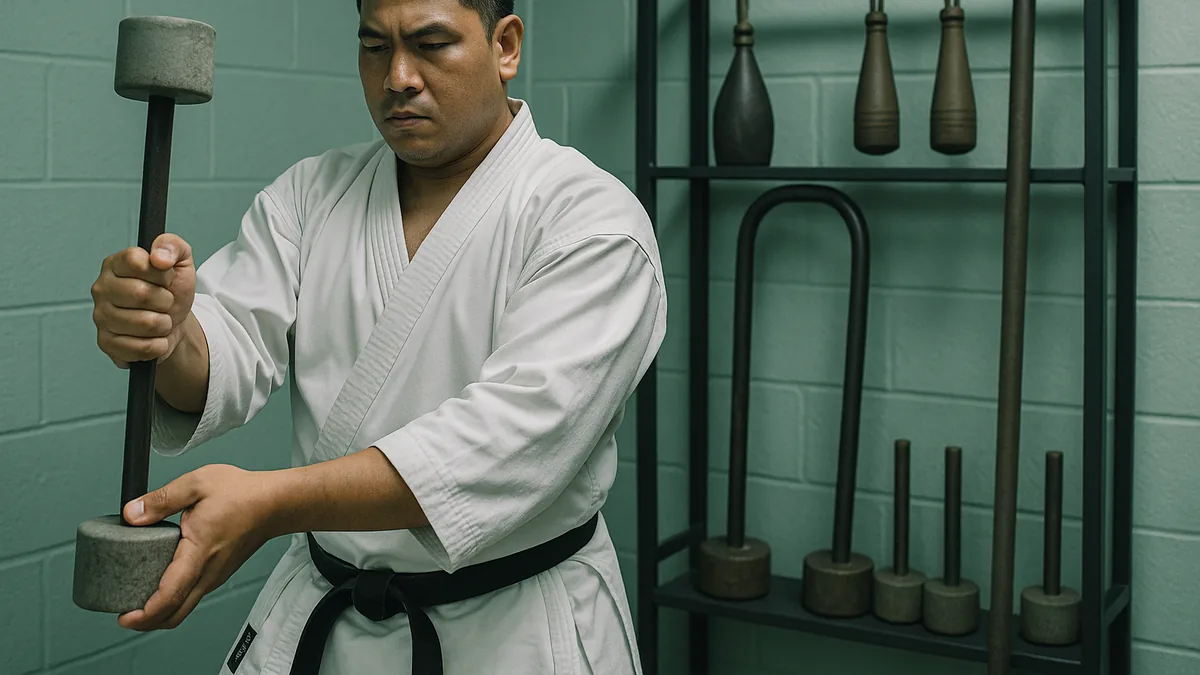
The counter-view, which I think is also valid, is that your equipment is part of your practice. Caring about it isn’t vanity - it’s an extension of taking training seriously. The same debate comes up around gi quality, footwear (see the karate shoes comparison for how that one plays out), and even training tools like the makiwara.
My position is somewhere in the middle. I don’t think a student should obsess over their belt, but I also don’t think dismissing it entirely is useful. The things we wear and use in training become part of our relationship with the art. That’s worth taking seriously, even if it’s not worth overthinking.
Key Takeaways
- Material quality affects durability and feel in ways you’ll notice every class - prioritise weight and stitching over brand name
- Higher price does not guarantee better quality; buy from specialist karate suppliers, not general sports retailers
- A belt that holds its knot properly is a functional advantage, not a luxury - especially at gradings
- For coloured belts, mid-range is the right call; save the premium spend for black belt
- How you care for your belt matters more than what you paid for it - air dry, fold properly, avoid regular machine washing
- If your dojo sells belts, start there; your instructor’s recommendation carries more weight than any online review
The weekly digest
New karate articles, once a week
One email every week with everything new on Karate Lifestyle. No spam; unsubscribe in one click.
We'll email you to confirm. See our privacy policy.