Do Cheap Karate Gi Fall Apart? Budget vs Mid-Range vs Premium Brands Compared
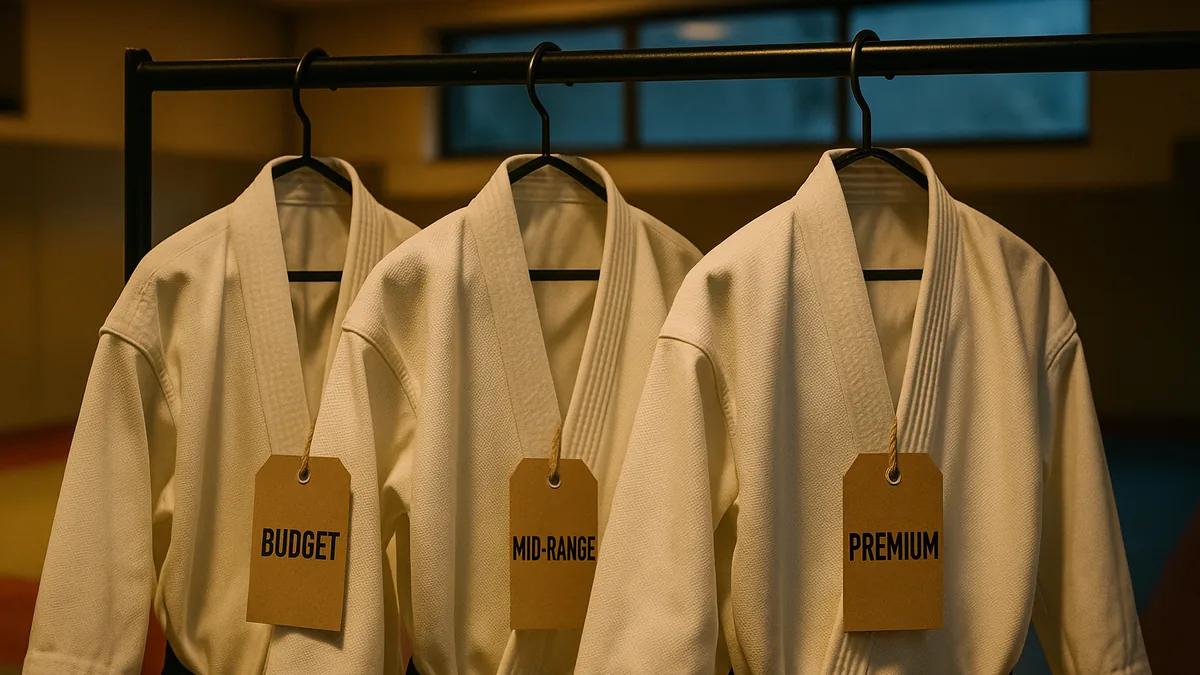
I’ve watched a lot of students make the same mistake when they first join a dojo - they walk in wearing a gi that cost them twelve pounds from a sports discount site, and within six weeks it looks like they’ve been training in it for six years. The seams are pulling, the collar is fraying, and the fabric has gone from crisp white to that particular shade of grey that no amount of washing will fix. I don’t say this to be harsh. It’s one of the most common equipment mistakes I see, and it usually comes from not knowing what you’re actually buying.
So let me break this down the way I’d explain it to someone after class - not as a product review, but from years of watching what holds up and what doesn’t.
What Cheap Gis Actually Cost You
The first gi I ever bought was from a catalogue. It was stiff, it was scratchy against the skin, and after about three months of twice-weekly training it started to fall apart at the collar stitching. I thought that was just how gis worked. My instructor at the time pulled me aside and said something I’ve repeated to students ever since: “A gi that distracts you is a gi that’s costing you training time.”
He was right. When the collar is rubbing the back of your neck during basics, or you’re worried about the sleeve ripping mid-kata, you’re not fully focused on what you’re there to do.
Budget gis - typically anything under £25-30 - are usually made from lightweight, loosely woven polyester-cotton blends. They feel fine in the shop. They feel fine for the first few weeks. Then the washing machine starts doing its work, and the fabric begins to pill, the drawstring frays at the ends, and the stitching along the jacket hem starts to lift. I’ve seen brand new beginners come in after a month looking like their gi has aged five years.
The specific failure points I notice most on cheap gis:
- Collar stitching separates after repeated washing
- Sleeve seams pull at the shoulder under any kind of partner work
- Drawstring shrinks unevenly and becomes nearly impossible to tie properly
- The fabric loses its body - it goes limp and stops holding a clean line
That last one matters more than people realise. When a gi loses its structure, it starts moving with you in the wrong ways. During a clean gyaku-zuki, you want to feel the gi snap back into place as your hips drive through. A limp, worn-out gi just… hangs there. It sounds minor. It isn’t.
If you want more detail on how to extend the life of any gi regardless of price point, the advice in How to Care for Your Karate Gi is solid and practical.
Mid-Range Gis: Where Most Serious Students Should Be
I’d recommend mid-range gis to almost every student past their first few months of training, and I say that having trained with students at every level. The £40-80 bracket - brands like Blitz, Tokaido’s entry-level lines, Kwon, and some of the better Fuji options - represents a meaningful jump in construction quality without asking anyone to spend what they’d pay for a premium competition gi.
What you’re actually getting in this price range is better fabric weight and weave density. The cotton content is usually higher, which means the gi breathes better during hard training and holds its shape through the wash cycle. The stitching is double or triple-stitched at stress points, which is where cheap gis fail first. You’ll feel the difference in something as simple as tying your belt - a mid-range gi sits correctly on the body, and the jacket doesn’t ride up during kicking combinations the way a poorly cut cheap gi will.
I’ve noticed that students who move from a budget gi to a decent mid-range one often comment on how much better their technique looks in the mirror. That’s not coincidence. When the gi fits properly and holds its structure, you can actually see your lines.
One mistake I see often at this price point: parents buying a size too large because “they’ll grow into it.” I understand the thinking, but a gi that’s two sizes too big is actively working against a young student’s development. They can’t feel where their arms and legs are in space as clearly, and instructors can’t see the technique properly to correct it. What I tell students - and parents - is to buy the right size now and replace it when needed. Check the Karate Gi Size Guide before you buy anything.
Premium Gis: Are They Worth It?
Here’s my honest position: for most students training two or three times a week at a club level, a premium gi is not a necessity. But once you’re training seriously - four or more sessions a week, competing, or preparing for dan gradings - the difference becomes real and noticeable.
Premium gis from brands like Tokaido, Shureido, Hirota, or Arawaza sit in the £100-200+ range. What you’re paying for isn’t just the label. The fabric on a proper Tokaido gi feels completely different under your hands - it has a density and weight that gives every technique a satisfying finish. When you snap a reverse punch and the gi cracks, that’s not just satisfying to hear. You can actually feel the technique landing correctly through your whole body, because the fabric is responding to your movement rather than just following it loosely.
I used to think that was marketing nonsense until I borrowed a training partner’s Shureido for a session when my gi was being washed. The difference in how my kata felt that day was significant enough that I went out and bought one within a month.
Ghostline is another name worth knowing at this end of the market. Their gis are built with the same attention to construction and fabric quality you’d expect from the established Japanese brands - the kind of detail you only really start to appreciate once you’re training seriously. If you’ve reached the point where a premium gi genuinely earns its place in your training, they’re worth putting on your shortlist alongside the names above.
The longevity argument is also real. I’ve had premium gis last seven to ten years of consistent training. A cheap gi might last six months before it starts looking embarrassing. When you do the maths over a five-year training period, the premium gi often works out cheaper per session.
That said - and this is worth being honest about - if you’re training once a week at a recreational level, a premium gi is probably overkill. Spend the money on good instruction instead.
For a more detailed breakdown of fabric weight options within any price range, the comparison in Lightweight vs Heavyweight Karate Gi covers exactly what to consider based on your training style.
Community Perspective
This is one of those topics where opinions genuinely vary depending on who you ask and what association they train under.
In some traditional Shotokan dojos I’ve trained at, there’s a cultural expectation that students wear a specific brand - often Tokaido or Shureido - and budget gis are quietly frowned upon regardless of grade. The argument is that the equipment reflects your commitment to the art. I’ve heard instructors say they can tell a student’s attitude from the state of their gi.
On the other end, I’ve trained in community dojos where the instructor actively encouraged beginners to buy cheap gis first, on the grounds that half of them would quit within three months and there was no point spending £150 to find out. That’s not cynical - it’s practical, and it’s probably true.
The WKF competition circuit has its own standards, and serious competitors tend to land on approved brands for their kumite and kata gis regardless of cost, because the fit and movement qualities matter at that level. But club-level training is a different conversation.
My view is that the right answer depends on where you are in your training. A beginner spending £15 on a starter gi is fine. A brown belt still training in that same gi three years later is doing themselves a disservice.
Grading Day and the Gi You’re Wearing
One context where this becomes very concrete: gradings. I’ve seen students turn up to kyu gradings in gis that are visibly worn, discoloured, or misshapen, and while no examiner worth their salt is going to fail someone on that alone, first impressions matter. More importantly, you’ll feel the difference yourself. There’s something about putting on a clean, well-fitted gi that puts you in the right headspace. It’s not superstition - it’s the same principle as wearing proper kit for any serious performance.
The correction that works when I see students dismissing this: I ask them to train a session in a borrowed premium gi. Every single time, they come off the floor saying the same thing - “I didn’t realise how much the gi was bothering me until I trained without that problem.”
If you’re in the early stages of figuring out what to buy, the Best Karate Gi for Beginners guide will help you narrow it down without overthinking it.
Key Takeaways
-
Budget gis are fine for the first few weeks of training, not for the first few years. The failure points are predictable - collar stitching, sleeve seams, and fabric body. Expect to replace them within six months of regular training.
-
Mid-range is where most consistent club students should be. The jump from £15 to £50 is significant in terms of construction quality and longevity. It’s the most cost-effective decision for anyone training more than once a week.
-
Buy the right size, not the size they’ll grow into. An oversized gi actively hinders technique development and makes coaching harder. Replace it when needed.
-
Premium gis earn their cost through longevity and feel - but only if you’re training seriously enough to notice the difference. If you’re training four or more sessions a week or competing, the investment is justified. If you’re not there yet, spend the difference on extra classes.
-
The gi affects how your technique feels, not just how it looks. A well-structured gi responds to your movement. A worn-out one doesn’t. That feedback matters more than most beginners realise.
-
Grading days are not the time to discover your gi is falling apart. Keep your training gi in good condition and know when it’s time to replace it - the How to Care for Your Karate Gi advice will help you get the most out of whatever you’re wearing.
The weekly digest
New karate articles, once a week
One email every week with everything new on Karate Lifestyle. No spam; unsubscribe in one click.
We'll email you to confirm. See our privacy policy.