Karate Gi Sizes: How to Choose the Right Size
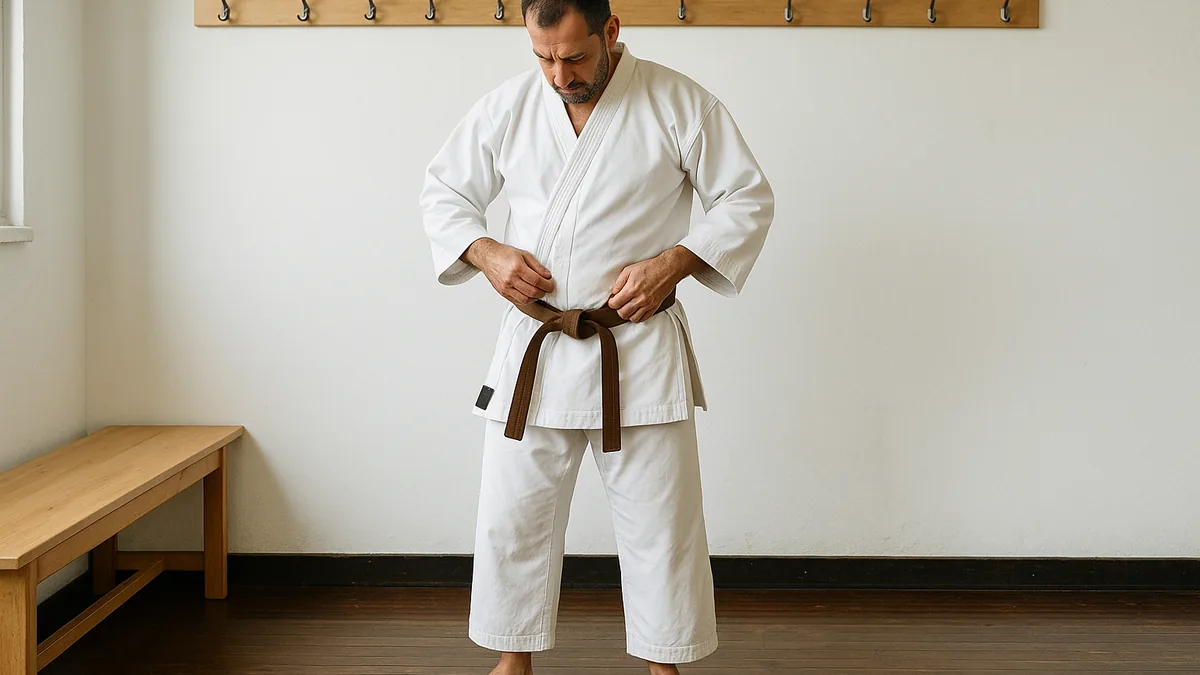
Finding the right karate gi size is more important than most beginners realise. A gi that is too large restricts movement and looks untidy. A gi that is too small rides up during training and can be uncomfortable. Getting the right fit improves both comfort and performance.
How Karate Gi Sizing Works
Karate gi are typically sized using two references - a number (e.g. size 4) and a height in centimetres (e.g. 170cm). A size 170, for example, is designed for someone approximately 170cm tall. Always use the centimetre measurement rather than the size number, as the same number can mean different heights across different brands. A size 4 in a Japanese-made gi may correspond to 160cm, while a European size 4 is usually 170cm.1
Karate uniform sizes are based primarily on height, with weight used as a secondary measure. If you are between sizes, consider your build - go up a size if you have a broader or heavier build, or down if you are slimmer.1
Key Measurements
- Height - The primary sizing factor
- Chest - Important for jacket fit
- Waist - Determines trouser comfort
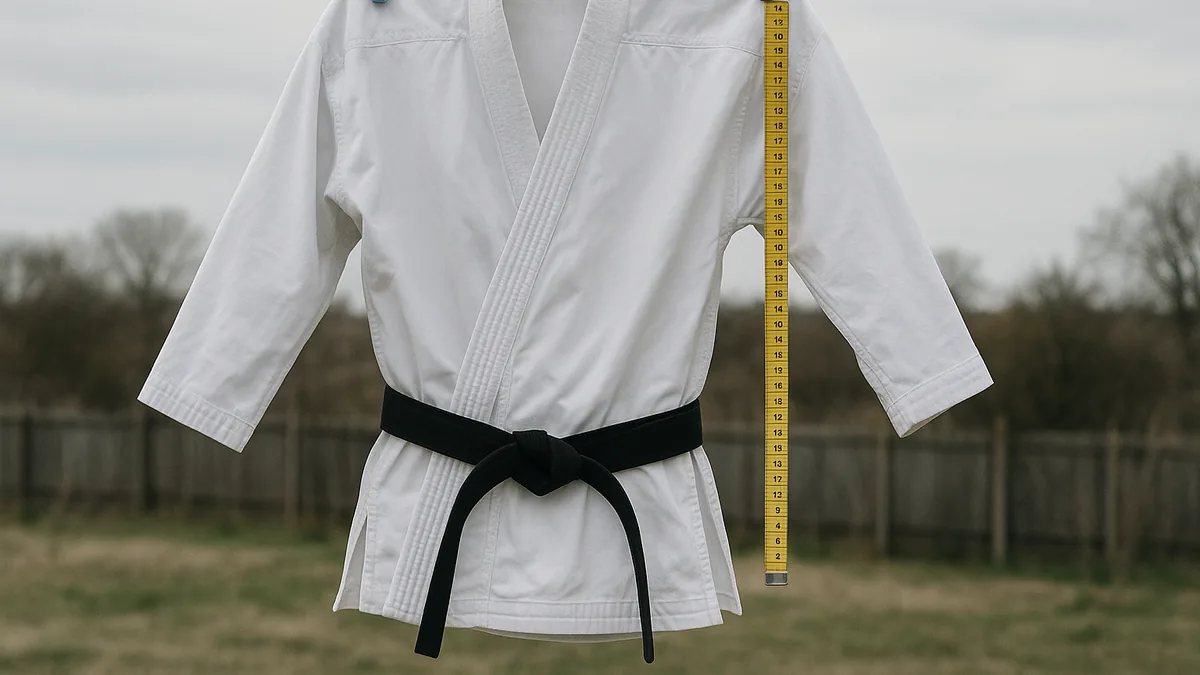
- Arm length - Sleeves should reach no longer than the bend of your wrist
- Leg length - Trousers should finish just above the ankle bone
The sleeve and trouser length cues above are everyday training guides. If you are buying for WKF competition, the rules set tighter parameters: the maximum length of the jacket sleeves must be no longer than the bend of the wrist and no shorter than halfway down the forearm, and sleeves cannot be rolled up. Trousers must be long enough to cover at least two-thirds of the shin and must not reach below the ankle bone. Check the current competition bulletin for your event before purchasing.
Lightweight vs Heavyweight Fit
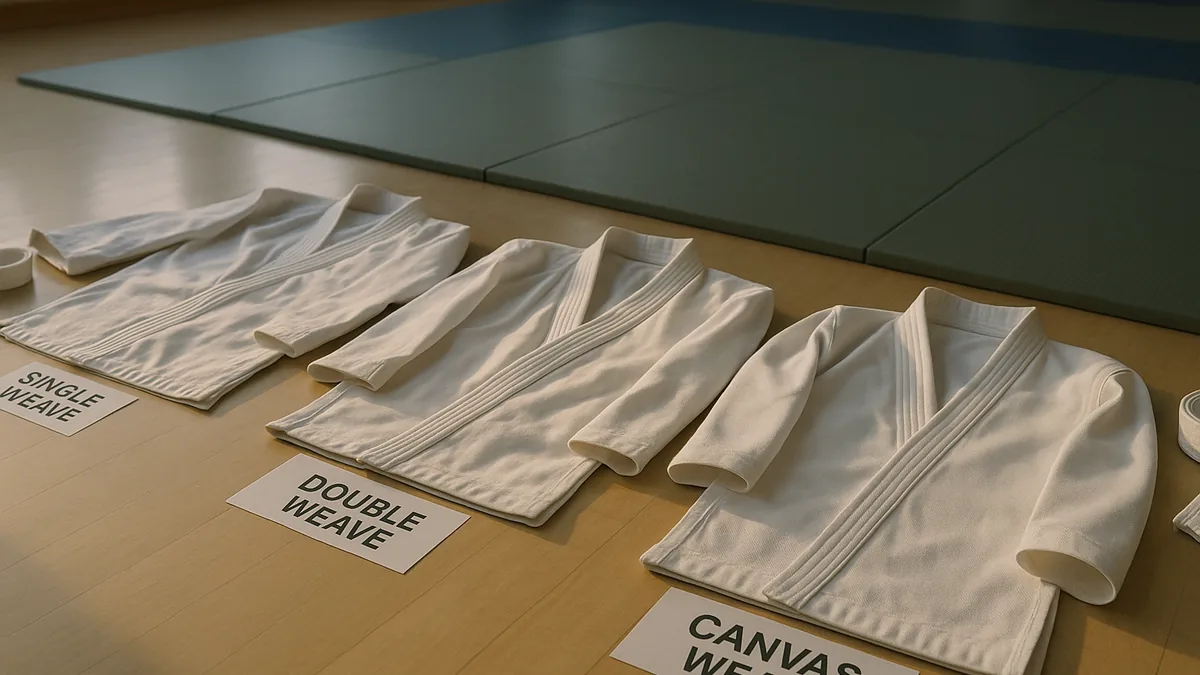
Fabric weight in a karate gi is measured in ounces per square yard. The three main categories are lightweight (6 to 8 oz), mediumweight (8.5 to 10 oz), and heavyweight (12 to 14+ oz).
Lightweight gi tend to fit more loosely and are designed for ease of movement. Lightweight uniforms are used by beginning students and for everyday training because they offer ease of movement and tend to keep the body cooler. Heavyweight gi are stiffer and may feel tighter initially, but the dense weave provides unmatched structure and feedback, making it ideal for high-level training or frequent competition. While it can feel warm and stiff at first, it softens with wear and delivers exceptional longevity.
Shrinkage Considerations
Cotton karate gi will shrink after washing. Pure cotton gi can shrink by 4 to 8% (sometimes up to 10% on lower-cost gi), mostly on the first few washes. For a gi sized at 170cm, 5% shrinkage equals roughly 8 to 9cm in total garment length - significantly more than many buyers expect. Many practitioners buy slightly longer than their measured size to account for this. Cotton uniforms can also shrink after the first few washes. Pre-shrunk fabrics reduce this effect, but you should still anticipate minor fit changes and factor that into your initial size selection. Always check the manufacturer’s shrinkage guidance, as some brands pre-shrink their fabric before sale.1
Key Takeaways
- Size your gi primarily by height in centimetres - use the cm figure, not the size number alone
- Always use the centimetre measurement rather than the size number, as the same number can mean different heights across different brands - a size 4 in a Japanese-made gi may correspond to 160cm, while a European size 4 is usually 170cm1
- Check chest and waist measurements for a comfortable fit
- Account for 4 to 8% shrinkage in pure cotton gi, especially on the first few washes1
- For everyday training, sleeves should reach no longer than the bend of your wrist; trousers should finish just above the ankle bone. For WKF competition, confirm the precise sleeve and trouser length rules with the official competition bulletin
- Gi are broadly divided into lightweight (6 to 8 oz), mediumweight (8.5 to 10 oz), and heavyweight (12 to 14+ oz) - different brands and weights fit differently, so check each manufacturer’s size chart
- If you are choosing your first gi, the best karate gi for beginners guide covers which models to consider
- Understanding the difference between lightweight and heavyweight gi will help you choose the right weight for your training
References
Checked by the KarateLifestyle editorial team against WKF official competition rules, specialist karate gi retailers, and fabric-industry shrinkage data in September 2026. Shrinkage figures vary meaningfully between gi constructions and wash temperatures; readers should treat percentages as indicative and always follow the manufacturer's specific guidance.
- Buying a Karate Gi - Guide to Choosing the Right Karate Uniform. Budo Online (UK martial arts retailer), 2024
The weekly digest
New karate articles, once a week
One email every week with everything new on Karate Lifestyle. No spam; unsubscribe in one click.
We'll email you to confirm. See our privacy policy.