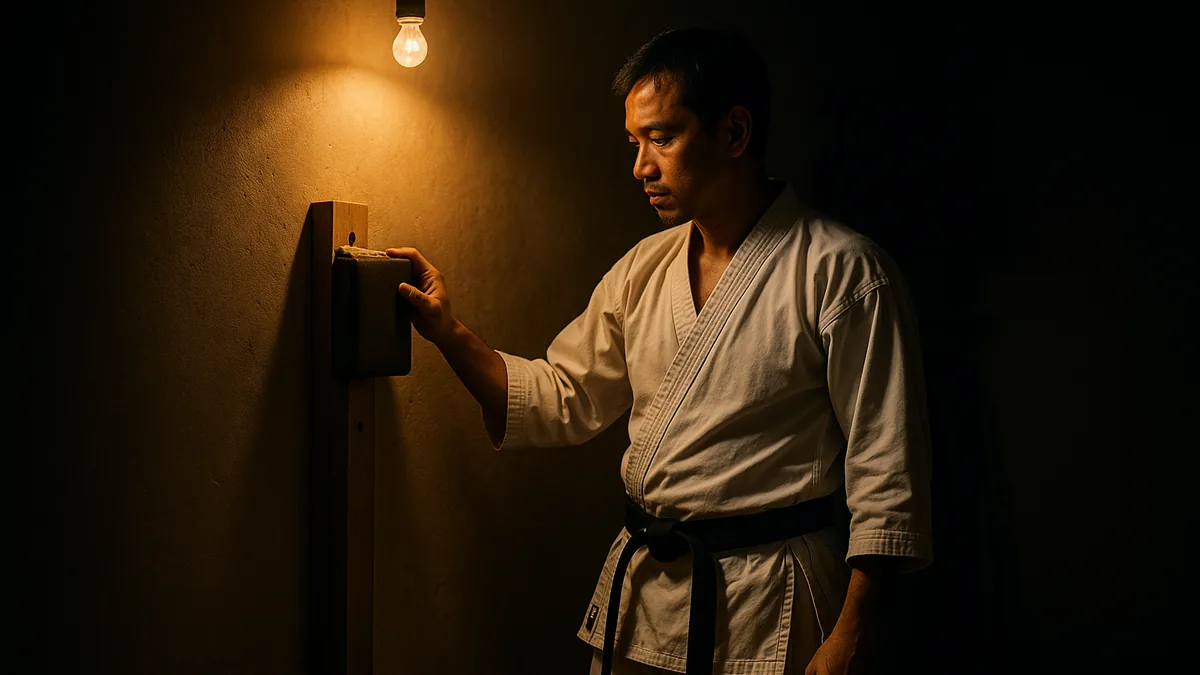
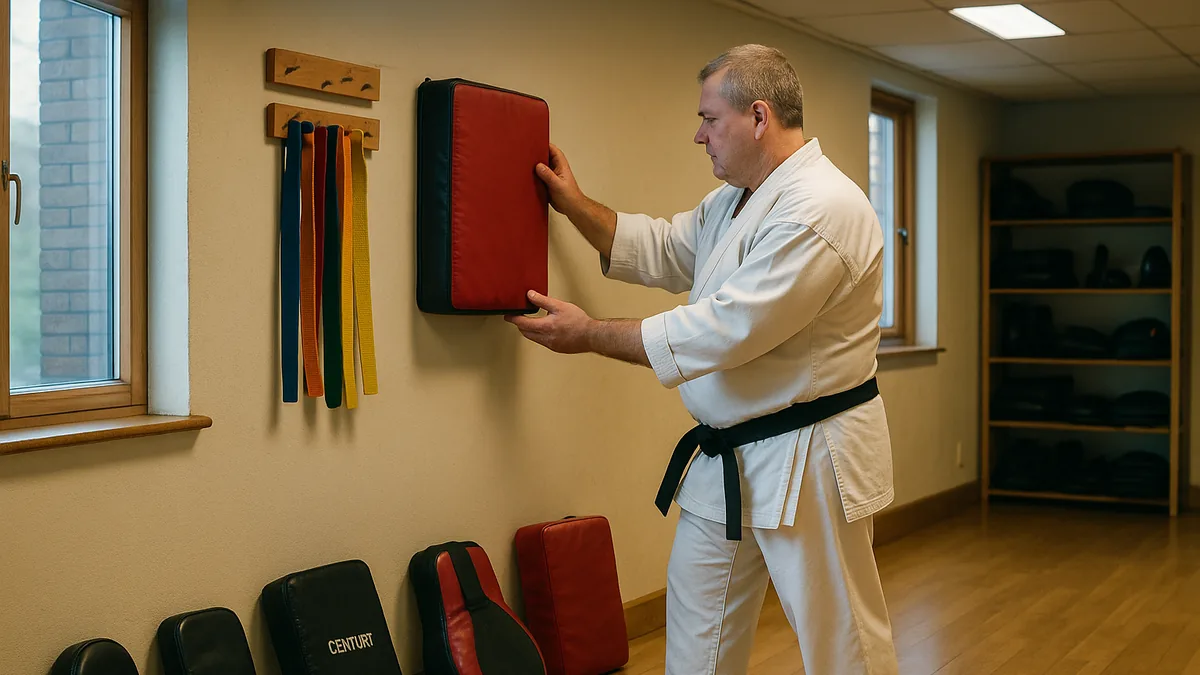
The Best Makiwara Boards for Home Training: What to Buy and What to Avoid
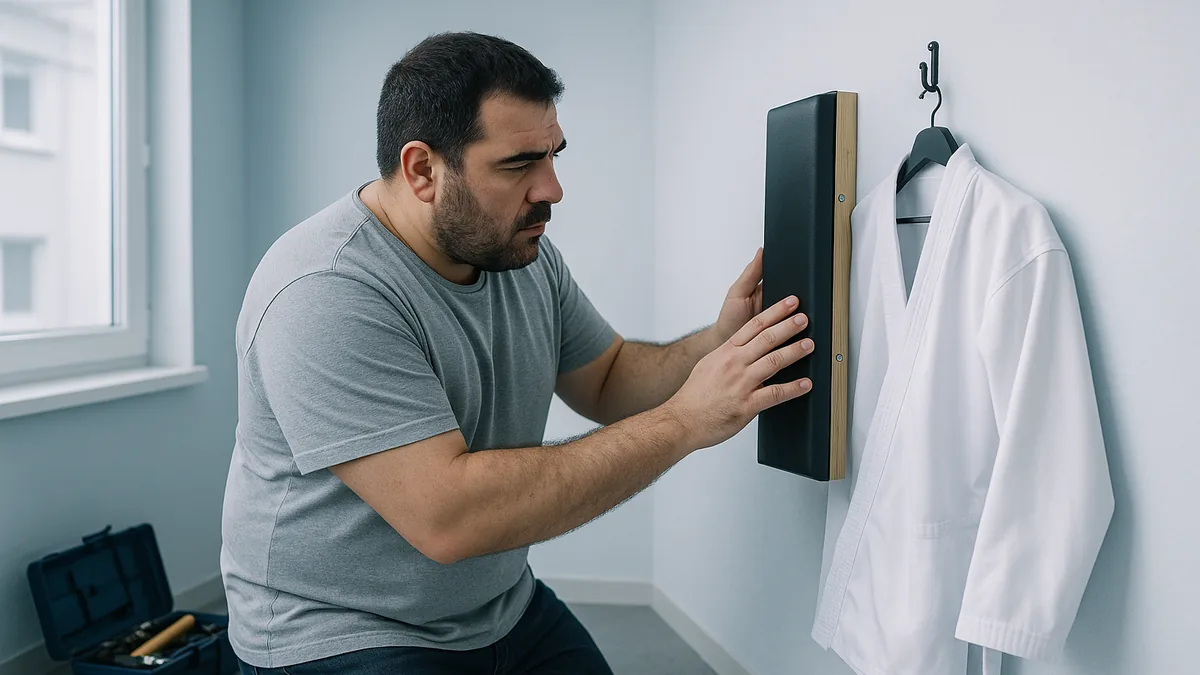
I’ve seen a lot of students waste money on makiwara boards that fall apart within months, or worse, buy something so flimsy it doesn’t actually train anything useful. The makiwara is one of those pieces of equipment where the wrong choice doesn’t just waste money - it can quietly build bad habits because the feedback is wrong. A board that wobbles, compresses too easily, or doesn’t give you that sharp, clean rebound is teaching your hands the wrong lesson.
If you’re serious about home training and you’re considering adding a makiwara to your setup, there’s a lot of noise to cut through. I’ve trained on everything from hand-built dojo boards to modern wall-mounted versions, and I have opinions about most of them. This is what I’d tell you if we were talking after class.
Why the Makiwara Matters More Than People Think
Before getting into specific products, it’s worth being clear about what you’re actually buying. A makiwara isn’t a punching bag. The training effect is completely different. When you hit a heavy bag, it absorbs and swings. When you hit a good makiwara, it pushes back - that slight, firm resistance that travels up through your knuckles, wrist, and forearm tells you immediately whether your structure is right.
I used to think the makiwara was about toughening the knuckles. My first instructor let me believe that for about six months. Then one day he watched me hit it and said, “You’re pushing. You’re not punching.” I had no idea what he meant until he made me feel the difference. A proper strike on a well-tensioned makiwara has a snap to it - you’ll feel the rebound through your whole arm if your wrist is aligned and your elbow is tracking correctly. If your structure is off, the board exposes it immediately. That’s the point.
If you’re still deciding whether you actually need one, take a look at Do You Need a Makiwara? An Honest Assessment for Modern Karateka before spending anything. It’s a more honest breakdown than most.
The Two Main Types You’ll Encounter
Freestanding vs Wall-Mounted
Most home training options fall into one of two categories: freestanding boards (usually mounted on a weighted base or floor bracket) and wall-mounted boards that bolt directly into a stud wall.
I prefer wall-mounted, and I’d recommend it to most people training at home. The reason is simple - a wall-mounted board has nowhere to go. When you strike it correctly, it flexes and returns. When you strike it badly, it still returns, but the feedback is honest. Freestanding boards, particularly cheaper ones, have a tendency to shift or rock under impact. That movement absorbs some of the feedback you’re supposed to be getting, and over time you stop noticing it.
That said, wall-mounted boards require a proper wall. If you’re renting, training in a garage with thin partition walls, or you don’t have access to solid timber studs, a freestanding option might be your only realistic choice. Just know you’re accepting a compromise.
What to Look for Before You Buy
Adjustable Tension Is Not Optional
This is the one feature I’d argue is non-negotiable for home training. In a dojo, the makiwara is usually set by the instructor or a senior student, and it’s typically calibrated for a range of practitioners. At home, it’s just you.
The tension of the board changes everything. Too stiff and you’re hitting something that doesn’t give enough - you lose the rebound feedback and you’re more likely to injure your wrists or knuckles early on. Too loose and the board compresses so easily that you’re not building anything useful. You want that middle ground where the board bends meaningfully under a proper strike but snaps back cleanly.
I’ve noticed that beginners consistently underestimate how much tension matters. They buy a fixed-tension board, it’s either too easy or too hard, and within three months they’ve stopped using it. What I tell students is: if you can adjust the tension yourself as your striking develops, you’ll actually use the board long-term. Look for boards where you can change the mounting depth, adjust the spring mechanism, or swap out the core material.
Material Durability - What Lasts and What Doesn’t
The striking surface and the board core are where most budget options cut corners.
Striking surface materials:
- Rice straw or natural cord wrapping - Traditional, gives excellent feedback, but degrades faster with outdoor exposure or humidity. Needs re-wrapping over time, which is actually fine once you know how.
- Synthetic leather or vinyl - Easier to maintain, handles sweat and weather better, slightly different feel on impact. Not as traditional but genuinely practical for home use.
- Foam padding over a firm core - I’d mostly avoid this. It feels softer on your knuckles but it changes the feedback completely. You’re not getting the same training stimulus.
Board core materials:
- Solid hardwood - The traditional choice, and still the best for feel and longevity. Oak and ash are both good. Heavy, but that’s part of why they work.
- Laminated wood - Can be fine, but quality varies enormously. Some laminated boards are well-constructed and last years. Others delaminate under repeated impact within months.
- Fibreglass or composite - Increasingly common in modern boards. Durable, weather-resistant, consistent flex. I’ve trained on a few and they’re genuinely good, though the feel is slightly different from wood. Not worse - just different.
What to Avoid
Lightweight Boards That Can’t Handle Real Impact
This is the mistake I see most often with home purchases. Someone finds a makiwara on a general sports equipment site, it’s inexpensive, it looks the part, and they buy it. Three weeks later the board is cracked, the mounting hardware has loosened, or the striking surface has started peeling.
The problem is usually weight and construction density. A makiwara needs mass to function properly. If the board itself is too light, it can’t absorb and return force the way it should - it just flexes wildly or shifts on its mounting. You’ll feel it immediately. The strike lands and instead of that clean, controlled rebound, there’s a kind of slap-and-wobble that tells you nothing useful.
One mistake I see often is people treating price as the main filter. I understand it - good equipment is expensive, and not everyone has the budget. But with makiwara boards specifically, the cheap end of the market is genuinely bad. You’re better off spending more once than replacing a cheap board twice.
For context, if you’re building out a home training space more broadly, check out Karate Training Equipment for Home - it gives a useful overview of where to prioritise your budget across different equipment types.
Boards with Poor Mounting Hardware
The board itself might be excellent, but if the mounting bracket is thin steel that flexes under load, or the bolts are too short to reach solid timber, you’ve got a problem. I’ve seen boards pull away from walls mid-training session because the installer used drywall anchors instead of hitting the studs. Not only is that frustrating, it’s genuinely dangerous.
What to look for: heavy-duty steel brackets, bolts long enough to seat properly into structural timber, and ideally a mounting system that lets you adjust the board angle or depth after installation. If the product listing doesn’t specify bracket gauge or bolt length, that’s a bad sign.
Specific Options Worth Considering
I’m not going to list every product on the market - that’s not useful. What I’ll do is give you a clear picture of the categories that are worth your time.
Traditional hardwood wall-mounted boards from specialist martial arts suppliers are still the benchmark. They’re not cheap - expect to spend properly for a quality piece - but a well-made hardwood makiwara should last a decade or more with basic maintenance. The feel on impact is what everything else is compared to.
Adjustable spring-based boards have improved significantly in recent years. The better ones give you a genuine range of tension settings and use a durable composite or hardwood core. These are particularly good for home training because you can dial in the resistance as your striking develops. I’d look for ones where the spring mechanism is enclosed rather than exposed - exposed springs corrode and fatigue faster.
Freestanding heavy-base boards are the most practical option if wall mounting isn’t possible. The key is base weight - anything under 25-30kg is going to move around under serious striking. Some of the better versions use a water or sand-filled base with a locking mechanism. These are genuinely usable, just accept that the feedback won’t be quite as clean as a properly wall-mounted board.
Avoid: anything marketed primarily as a “flex board” or “rebound trainer” that uses foam as the primary core material. These are designed for a different purpose and don’t replicate makiwara training in any meaningful way. Also avoid anything with a striking surface attached by adhesive rather than wrapping or mechanical fastening - it will peel.
Getting the Most Out of What You Buy
The board is only part of it. I’ve seen students with excellent equipment training badly on it, and I’ve seen students with basic setups making real progress because they understood what they were trying to develop.
Mount height matters. The centre of the striking surface should be at approximately your solar plexus height, not your chin and not your waist. This positions the board for a natural, structurally sound lunge punch. Adjust from there based on what techniques you’re training, but that’s your starting point.
Start with lower tension than you think you need. This is the correction that actually works for most beginners. The instinct is to set the board stiff because it feels more serious. But with lower tension you can focus on the snap and retraction of the strike rather than just pushing through the resistance. As your technique improves, you increase the tension. The board should challenge your structure, not just your pain tolerance.
And train both hands. I’ve noticed that most home practitioners heavily favour their dominant side on the makiwara. After six months, the difference in knuckle conditioning and structural confidence between their two hands is obvious. It becomes a problem in actual application. Alternate sides deliberately, not just occasionally.
Community Perspective
There’s a genuine split in the karate community about whether modern makiwara boards are worth using at all, or whether you should build your own traditional board from scratch. Some traditionalists argue that the commercial options don’t replicate the feel of a properly seasoned hardwood board set into the ground or mounted in a specific way. They’re not entirely wrong - there is something different about a traditional post-style makiwara.
But I think this position sometimes becomes an excuse for perfectionism that stops people training. A good commercial wall-mounted board, properly installed, is genuinely effective training equipment. If you’re waiting until you can build the perfect traditional setup, you’re not training on a makiwara at all.
The other debate worth acknowledging is between dojo practitioners who think makiwara training is essential and those who think it’s been superseded by modern bag work and pad work. I sit firmly in the camp that says they train different things. Bag work develops power and combination flow. Makiwara work develops structural integrity and precision. You want both if you can have them. The practitioners I’ve seen with the most reliable, consistent strikes almost always have makiwara in their training history.
Key Takeaways
-
Adjustable tension is the most important feature for home training - a fixed-tension board will either be too easy or too hard as your technique develops, and most people stop using it. Prioritise adjustability over aesthetics or price.
-
Wall-mounted hardwood or quality composite boards are the best long-term investment - they give the clearest feedback and last longest. If you can mount one properly, do it.
-
Lightweight boards are a false economy - if the board can’t handle real impact without wobbling or shifting, it’s teaching your hands the wrong lesson. Spend more once.
-
Check the mounting hardware before you buy - the board quality is irrelevant if the bracket is flimsy or the installation can’t reach solid timber. Heavy-duty steel brackets and proper stud mounting are non-negotiable.
-
Start with lower tension than feels necessary - the goal is feedback on technique, not pain tolerance. Increase tension as your structure improves, not as a way to prove toughness.
-
Train both sides deliberately - a home makiwara without a training partner to keep you honest will default to your dominant hand. Build the habit of alternating from day one.
The weekly digest
New karate articles, once a week
One email every week with everything new on Karate Lifestyle. No spam; unsubscribe in one click.
We'll email you to confirm. See our privacy policy.