How To Improve Kumite Timing
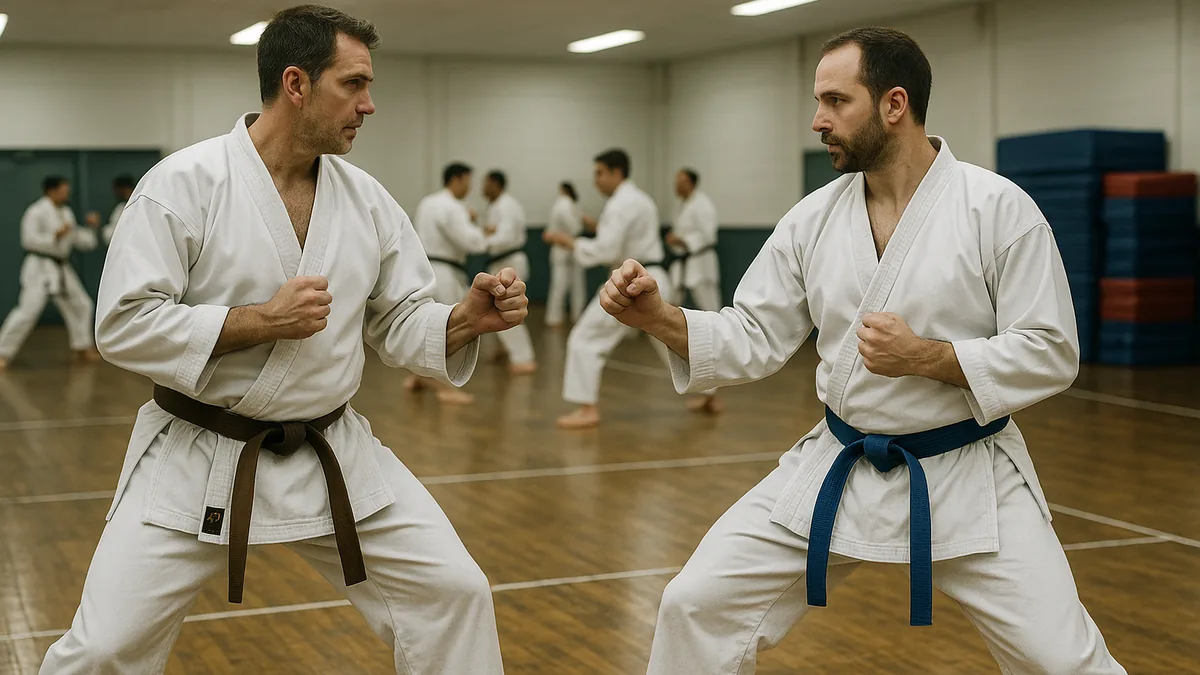
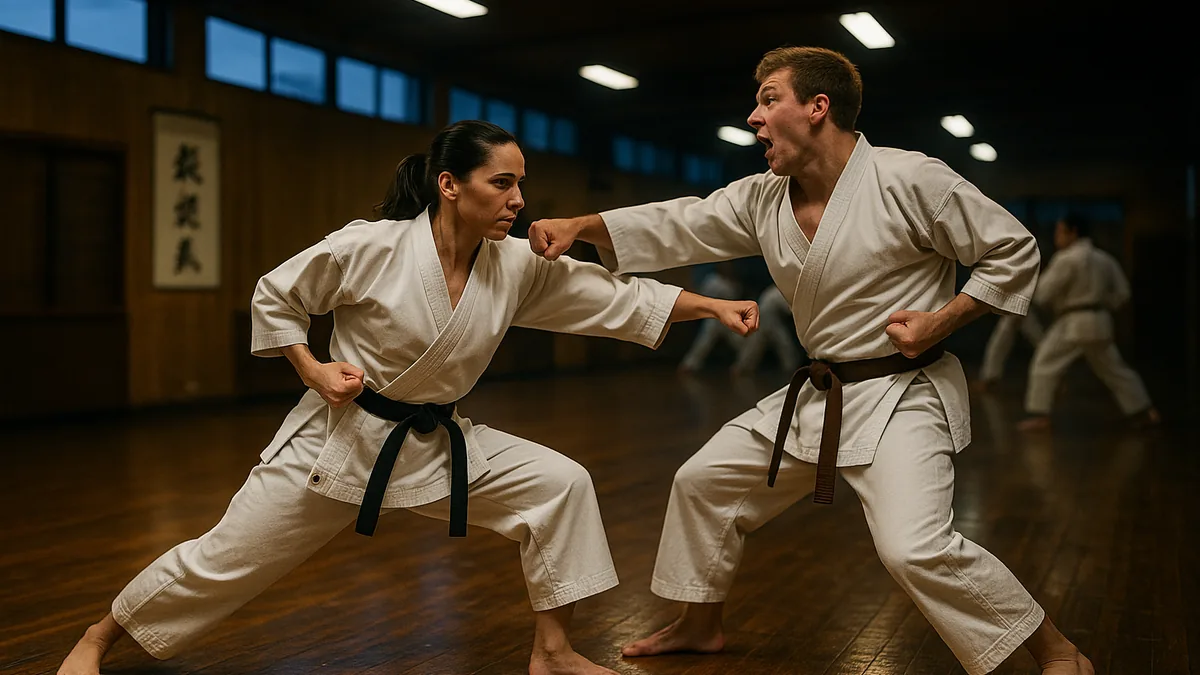
Timing in kumite is the ability to execute a technique at exactly the right moment. It is more important than speed, more important than power, and arguably the single most valuable skill a karateka can develop for sparring.
Why Timing Beats Speed
A fast technique launched at the wrong moment will miss or be countered. A well-timed technique, even at moderate speed, lands cleanly because the opponent is unable to react. Timing exploits the gaps in your opponent’s movement - the moments when they are transitioning, attacking, or mentally resetting.
Practical Timing Drills
The Counter Drill
Work with a partner. One attacks with a single predetermined technique. The other focuses solely on timing the counter. Start slowly and gradually increase speed.
Rhythm Breaking
Spar at a steady rhythm, then deliberately change pace. The ability to break rhythm forces your opponent to reset, creating timing opportunities.
Distance Management
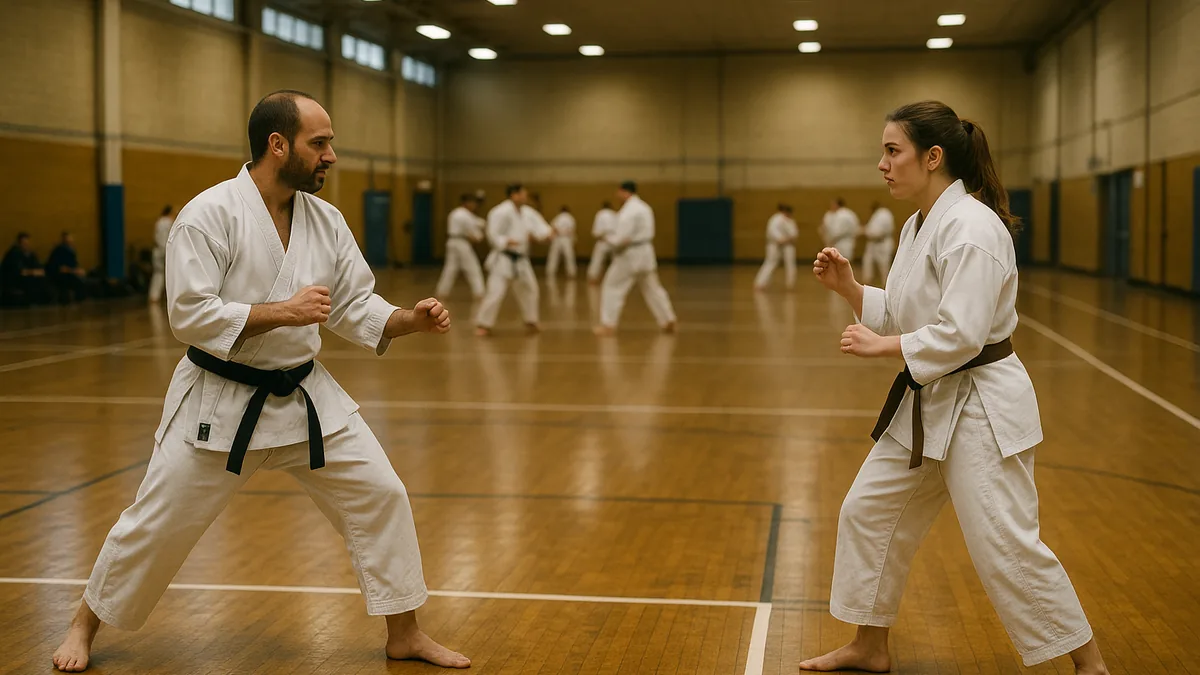
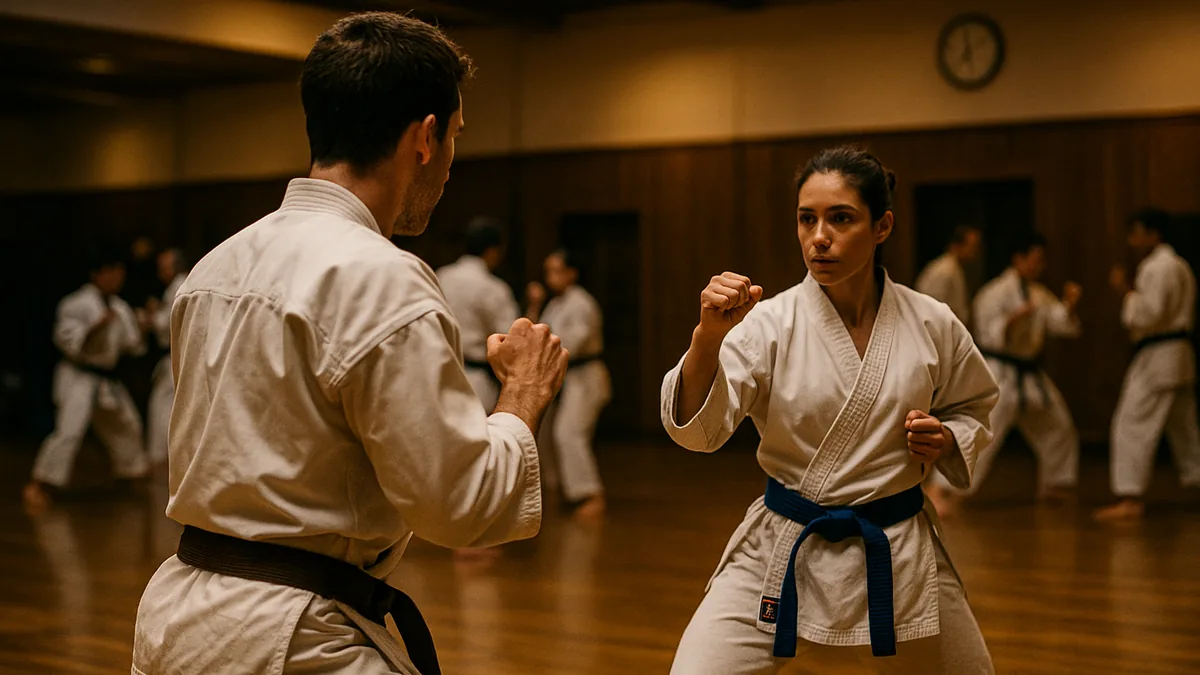
Timing and distance are inseparable. Practise controlling the space between you and your partner. Learn to recognise when you are in range and when your opponent enters yours.
Common Timing Mistakes
- Attacking before reading the opponent’s intention
- Waiting too long and missing the window
- Relying on speed rather than reading the situation
- Failing to set up techniques with feints or footwork
Key Takeaways
- Timing is the most valuable skill in kumite
- Well-timed techniques beat fast techniques
- Timing can be developed through specific partner drills
- Distance management and rhythm are closely linked to timing
- For a deeper look at controlling the space between you and your opponent, see distance management in kumite
- Counter-attacking is where timing pays its biggest dividends - a well-timed counter is the most efficient way to score
- Good footwork creates the conditions for good timing - you can’t time what you can’t reach
The weekly digest
New karate articles, once a week
One email every week with everything new on Karate Lifestyle. No spam; unsubscribe in one click.
We'll email you to confirm. See our privacy policy.