Counter-Attacking in Karate
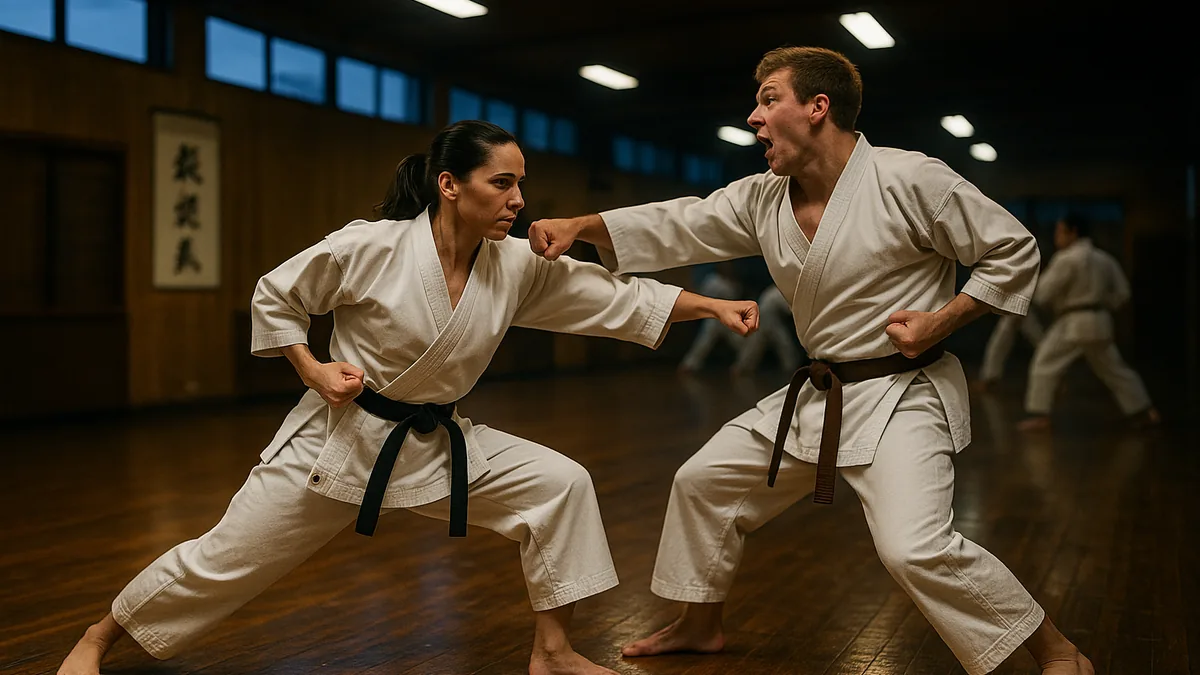
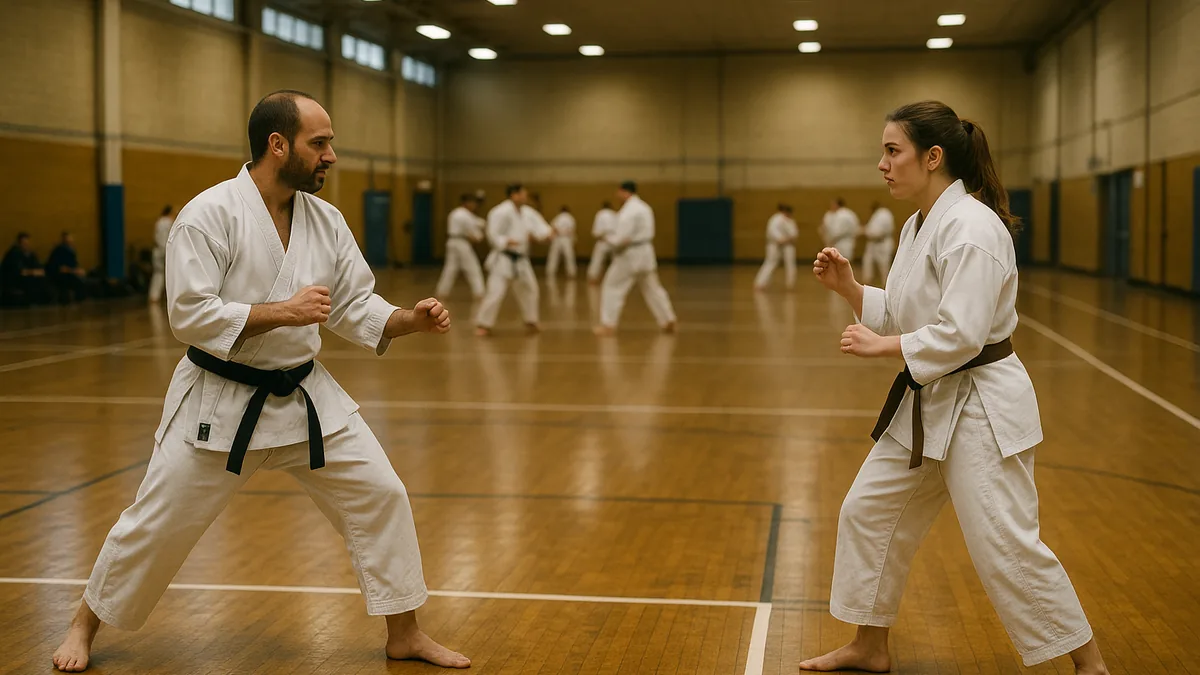
Most people come into kumite thinking the goal is to attack well. Land the first punch, control the pace, force your opponent onto the back foot. I thought that too, for a long time. Then I started training with a senior student who barely initiated anything - and I couldn’t touch him. Every time I moved, I got countered. Every time I hesitated, he was already there. He wasn’t faster than me in any measurable sense. He was just waiting for me to do something stupid, and I kept obliging.
That experience changed how I think about kumite entirely. Counter-attacking isn’t a defensive strategy. Done properly, it’s the most efficient offensive strategy there is - because you’re using your opponent’s energy and commitment against them, and you’re letting them take the risk of initiating.
Why Counter-Attacking Is More Efficient Than Initiating
Here’s the honest case for it. When you attack first, you’re committing to a line of movement, telegraphing your intention, and hoping your timing and execution are clean enough to land before your opponent reacts. That’s a lot of variables in your favour that need to go right simultaneously.
When you counter, your opponent has already committed. Their weight has shifted. Their guard has moved. Their attention is on delivering a technique, not receiving one. You’re not guessing what they’re about to do - they’re already doing it. Your job is simply to recognise it fast enough and respond appropriately.
I’ve noticed that students who develop strong counter-attacking skills also tend to become calmer in sparring. They stop chasing. They stop wasting energy on combinations that go nowhere. There’s a stillness to how they move, because they’ve learned to trust that the opportunity will come if they’re patient and positioned correctly. That stillness, by the way, doesn’t come from being passive - it comes from reading your opponent accurately enough that you know when not to move.
The Three Timings: Go No Sen, Sen No Sen, Sen Sen No Sen
These three concepts are the framework for everything that follows. Your instructor has probably mentioned them. You may have nodded along without fully absorbing what they mean in practice. I’ll tell you what each one actually feels like when you get it right.
Go No Sen - Responding After the Attack
Go no sen is the most accessible starting point. Your opponent attacks, you evade or block, then you counter. The timing is sequential: they go, then you go. It feels like a two-beat rhythm.
Most beginners default to this whether they intend to or not - they wait to see what’s coming, react to it, then respond. The problem isn’t the concept, it’s the execution. What I see constantly is students absorbing the attack rather than evading it. They take the hit, then counter. That’s not go no sen - that’s just getting hit and hitting back.
The correction that makes the biggest difference here is teaching the body to move before the counter lands. The evasion and the counter need to happen almost simultaneously. You shift offline, you’re already throwing. When you get this right, you’ll feel a kind of compression - like the gap between receiving and responding has collapsed to almost nothing. It doesn’t feel like two separate movements anymore.
Sen No Sen - Meeting the Attack
This is where it starts to get interesting. Sen no sen means intercepting the attack as it’s being launched - not after it arrives, but during the initiation. You’re reading the telegraphing and moving into the attack as it develops.
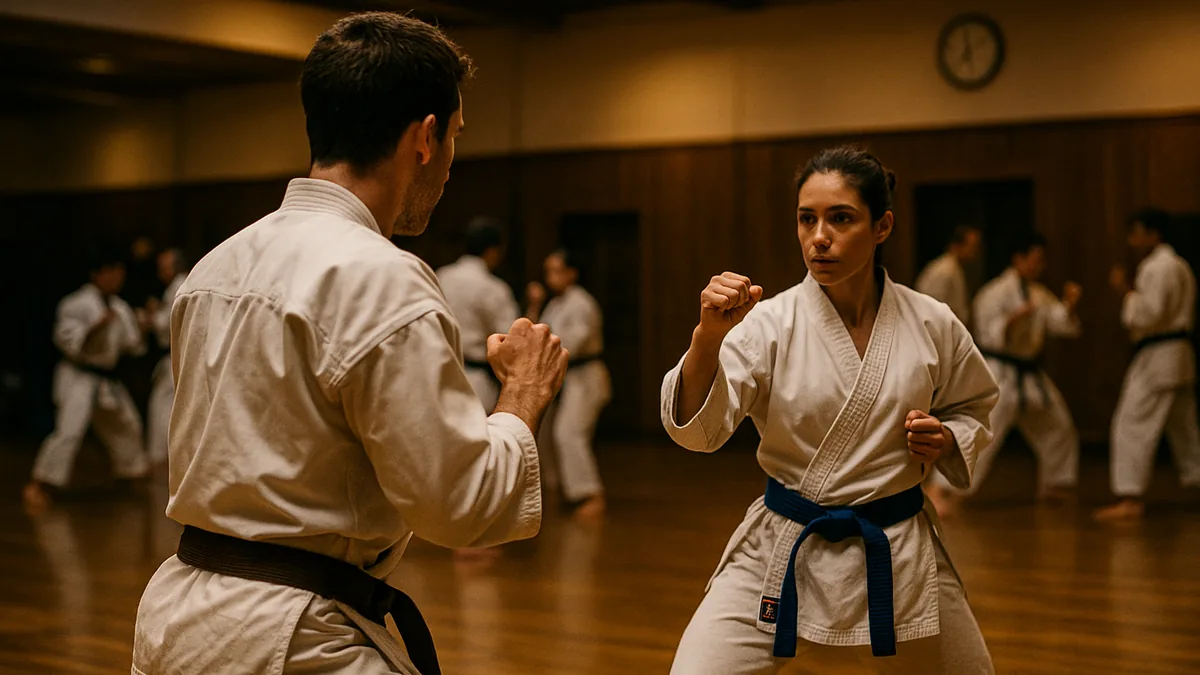
What I tell students is: you’re not reacting to the technique, you’re reacting to the intention. The moment their shoulder drops, their weight shifts, their eyes change - that’s your cue. By the time their punch is halfway extended, your counter should already be landing.
It took me years to understand why my instructor kept saying “attack the attack.” I thought it was a metaphor. It isn’t. In sen no sen, you’re genuinely attacking the attack - moving into it, disrupting the kinetic chain, landing your technique at the moment their commitment is highest and their ability to adjust is lowest. When you time it correctly, it feels effortless in a way that’s almost unsettling. You barely moved. They walked into it.
Sen Sen No Sen - Pre-empting the Attack
This is the one that looks like mind-reading from the outside. Sen sen no sen means acting before the attack has even launched - you’ve read the intent so clearly that you move first, and your opponent runs into your technique.
I want to be honest here: this isn’t something you can drill in isolation in your early years. It’s the product of thousands of hours of reading people. It requires you to understand how a particular opponent thinks, what their preferred attacks are, how they set things up. It’s not psychic - it’s pattern recognition built over time. The reading your opponent article covers this in more depth, but the short version is that sen sen no sen only becomes available once you’ve already done the work on the earlier two timings.
Timing Windows - What They Actually Are
Every attack has a window where a counter is viable, and that window is narrower than most people think. I’d break it down into three moments:
- Before commitment - the opponent is preparing, weight is shifting, guard is adjusting. This is the sen sen no sen window.
- During initiation - the technique is launched but not yet extended. This is sen no sen territory.
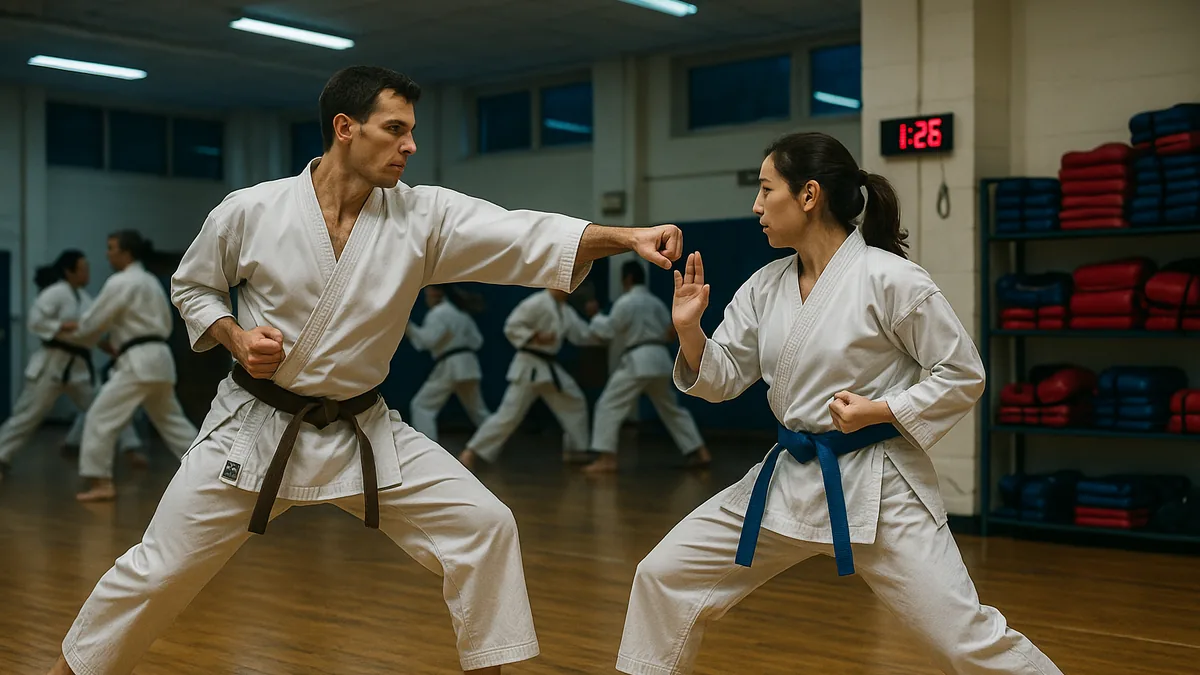
- On retraction - the attack has extended and is being pulled back. The opponent is briefly exposed, their weight is committed, their guard is open on the attacking side.
Most intermediate students can identify these windows conceptually. The gap between knowing them and feeling them in real time is enormous. What actually develops this is not more theory - it’s specific drilling against a live partner who is varying their timing. If your partner always attacks at the same speed and the same moment, you’ll develop a pattern, not a skill.
One thing I’ve observed over years of watching students spar: the retraction window is consistently underused. Everyone wants the flashy sen no sen timing. But in jiyu-kumite, when your opponent overcommits to a chudan attack, the moment their arm is retracting is when their whole right side is open and their weight is forward. A well-timed gyaku-zuki into that window is almost unstoppable. It’s not glamorous. It works constantly.
Drills That Actually Build This
Theory is useless without the reps. Here are the drills I keep coming back to because they transfer directly.
Controlled attack and counter pairs - One person attacks a predetermined technique, the other counters with a predetermined response. Sounds basic. The key is to start slow enough that the defender is genuinely reading the initiation, not just waiting for the count. Speed up gradually. If the defender is just reacting to the count, slow back down.
Variable timing attacks - Same structure, but the attacker varies when they launch within a given window. This is the drill that actually develops sen no sen, because the defender has to read the movement rather than anticipate the rhythm. Most students hate this drill initially because they get hit a lot. That’s the point.
Shadow counter sparring - Both partners spar, but only the designated “counter” person can score. The attacker’s job is to make the counter-fighter work for it. This forces the counter-fighter to stay patient and not chase. It’s uncomfortable. You’ll feel the urge to initiate constantly. Sitting with that discomfort is part of the training. Kumite footwork fundamentals matter enormously here - your positioning between exchanges determines whether the counter window opens at all.
Single technique isolation - Pick one attack and one counter. Drill it until the counter happens automatically when that specific cue appears. Then add variations. This is how you build the automatic responses that sen no sen requires. If you’re still consciously deciding what to throw when the attack is already halfway extended, you’re too slow.
Mistakes I See Constantly
The most common one: waiting to be fully certain before committing to the counter. I understand why this happens - no one wants to move and be wrong. But counter-attacking requires committing to a read before you have complete information. If you wait until you’re certain, the window has closed. What I tell students is that a committed wrong move is better than a hesitant right one, because at least the committed move disrupts your opponent’s rhythm.
The second mistake is countering without moving offline first. Students learn the counter technique, they can do it on the bag, they can do it in kihon - and then in sparring they throw it while standing directly in the path of the incoming attack. You don’t get credit for a counter if you also took the punch. The evasion and the counter are one movement, not two.
The third is telegraphing the counter. I’ve seen students who are so eager to counter that they start preparing the counter technique while the attack is still being set up. Their shoulder drops, their weight shifts, their opponent sees it and adjusts. If your opponent can read your counter coming, you’ve already lost the advantage that counter-attacking gives you.
Community Perspective
There’s a genuine split in how different dojos approach this. Traditional Shotokan environments often emphasise go no sen heavily - the classical ippon kumite format builds exactly that sequential timing. You block, you counter, you finish. It’s clean, it’s teachable, and it builds discipline in the response.
More competition-oriented training tends to push sen no sen earlier, because in sport kumite the scoring window is so tight that go no sen timing often means you’re countering into a retreating opponent who has already scored. Neither approach is wrong - they’re optimised for different contexts.
What I’ve seen shift in practitioners over time is this: most people start with go no sen because it feels safest. As they get more comfortable reading attacks, they start intercepting earlier, naturally moving toward sen no sen without necessarily labelling it. The practitioners who get stuck are the ones who never make that transition - who are still waiting for the attack to fully arrive ten years into their training. If that’s you, the how to improve kumite timing article is worth your time.
The honest answer is that all three timings belong in your toolkit, and which one you use depends on the opponent in front of you. Some attackers telegraph heavily - sen sen no sen becomes available. Some are tight and fast - go no sen with a clean evasion might be the only viable option. Developing range means you’re not locked into one approach.
Key Takeaways
- Counter-attacking is not passive - it’s a deliberate strategy that forces your opponent to take the initiative risk while you wait for the opening they create.
- Go no sen, sen no sen, and sen sen no sen are not levels of advancement - they’re tools. Train all three, even if you’re most comfortable with one.
- The evasion and the counter are one movement. If you’re doing them sequentially, you’re still getting hit.
- The retraction window is consistently underused. When your opponent’s committed attack is pulling back, their guard is open and their weight is committed - that’s your moment.
- Drilling predetermined counters to predetermined attacks is only useful if the timing is genuinely variable. If you’re reacting to a count, you’re not training the skill.
- Patience in sparring is a trained quality, not a personality trait. The discomfort of not initiating is something you sit with until it stops feeling like a problem.
The weekly digest
New karate articles, once a week
One email every week with everything new on Karate Lifestyle. No spam; unsubscribe in one click.
We'll email you to confirm. See our privacy policy.