How Long Does It Take to Get a Black Belt?
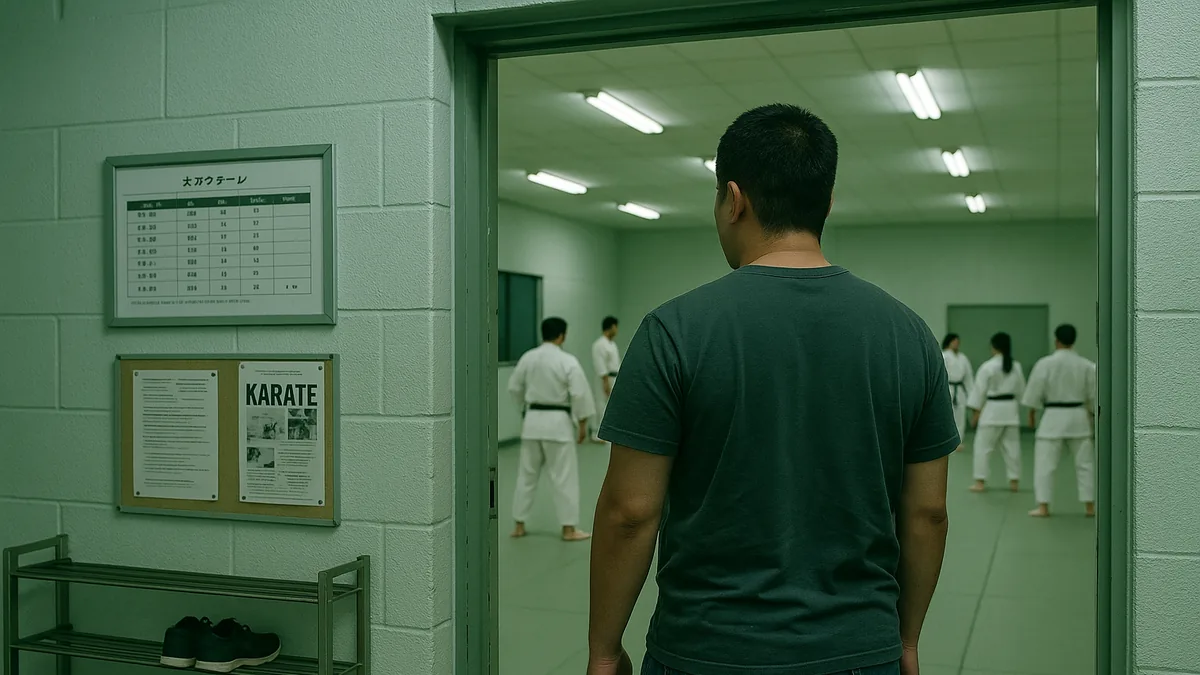
Most people who walk into a dojo for the first time ask the same question within the first few weeks. Sometimes it’s the first session. They want to know how long it takes to get a black belt. And I understand why - it’s a visible, concrete goal in a practice that can feel abstract and overwhelming at the start.
What I’ve noticed over the years is that the question itself reveals a misunderstanding about what a black belt actually is. Not a flaw in the person asking - just a gap that takes time to close. The honest answer is somewhere between three and ten years, depending on your style, your dojo, your training frequency, and frankly, how honest your association is about what the grade means. But that range is almost useless without context. So let me give you the context.
Realistic Timelines by Style
The first thing to understand is that black belt timelines are not standardised across karate. Different styles, different associations, and different countries have genuinely different expectations. I’ve graded under two different associations and trained in four different dojos, and the variation is significant enough to matter.
Shotokan tends to run four to five years for a dedicated student training two to three times per week. Some associations push that to six or seven years before they’ll consider someone ready for shodan. The JKA-affiliated dojos I’ve trained in take grading seriously - there’s a minimum time between grades, and the shodan examination is a full-day event with multiple examiners.
Wado-Ryu runs similarly, though in my experience the emphasis on kumite is heavier earlier in the syllabus, which changes how students develop. I’ve seen students from Wado dojos who are sharper in sparring at brown belt than some Shotokan practitioners at the same stage, but less polished in kata. Different priorities, different paths.
Goju-Ryu can take longer - five to seven years is common, sometimes more. The conditioning work and the complexity of the kata at the upper kyu grades slow things down. That’s not a criticism. The depth is there for a reason.
Kyokushin operates differently because the emphasis on full-contact kumite means the physical preparation required for shodan is genuinely extreme. Four to five years is possible, but the grading itself - the kumite rounds - is a separate kind of test that most people aren’t prepared for until they’ve been training seriously for several years.
What I’d say to any beginner is this: if someone is promising you a black belt in two years or less, look carefully at what that black belt actually represents. I’ve seen McDojo black belts. They’re not hard to spot once you’ve been around the real thing.
What the Journey Actually Involves
The kyu grades - the coloured belts before black - are where most of your actual development happens. In most styles, you’ll move through somewhere between six and ten kyu grades before reaching shodan. Each grade adds technical content, raises the standard expected of your existing techniques, and typically increases the sparring and kata requirements.
What I tell students at white belt is that the first six months are almost entirely about coordination. Your body doesn’t know how to do any of this yet. You’re not learning karate - you’re teaching your nervous system to move in ways it’s never moved before. The frustration beginners feel in this phase isn’t about talent. It’s about neurological adaptation, and it takes the time it takes.
By the time you reach the mid-kyu grades - green, blue, purple depending on your style - something starts to click. You stop thinking about every component of a technique and start feeling it as a single movement. That transition is real, and it’s one of the most satisfying things I’ve experienced in training. The punch stops being “chamber, rotate hip, extend arm, snap back” and becomes one thing. You’ll feel it through your whole body when it happens properly - there’s a solidity to it that’s completely absent when you’re still assembling the components consciously.
The brown belt grades are where most people plateau and where I’ve seen the most students quit. The technical demands increase sharply, the gap between where you are and where you need to be becomes visible, and the end goal of black belt can feel further away than it did at yellow belt. What I tell students at this stage is that the difficulty is the point. Brown belt is where you find out what you actually understand versus what you’ve been copying.
If you’re just starting out and want to know what your first session will look like before you commit, What to Expect at Your First Karate Class covers that in detail.
Dan Grades Explained
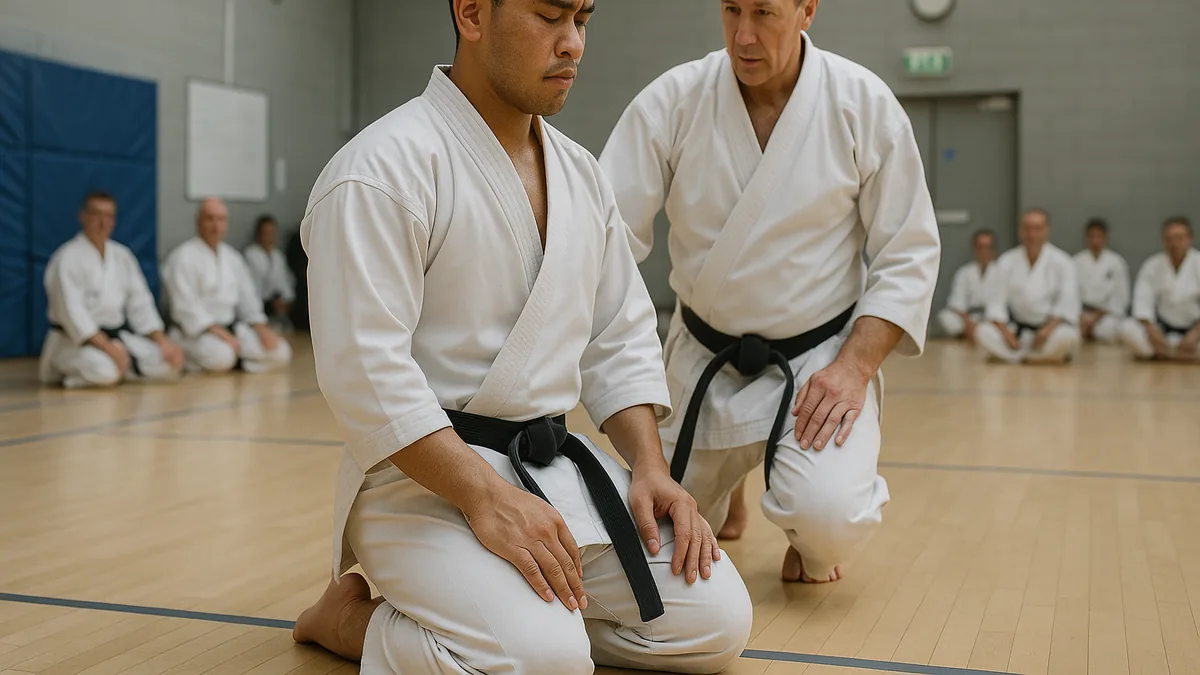
Shodan - first dan - is where most people’s understanding of black belt stops. But shodan is genuinely just the beginning of a different kind of training. The word itself roughly means “first step,” and that’s not false modesty. It’s accurate.
Here’s how the dan grades typically work in most traditional styles:
- Shodan (1st Dan) - The minimum time from grading to eligibility for nidan is usually one year, often longer. You’re expected to continue developing, not to have arrived.
- Nidan (2nd Dan) - Typically requires two years minimum after shodan. The technical standard is meaningfully higher, and you’re usually expected to be teaching or assisting with teaching.
- Sandan (3rd Dan) - Three years minimum after nidan in most associations. This is where many practitioners spend the longest time. It’s a significant grade.
- Yondan (4th Dan) - Four or more years after sandan. At this level, the grading often involves a panel examination and an expectation that you’re running your own classes or contributing significantly to the association.
- Godan (5th Dan) and above - The timelines extend further and the grades become as much about contribution to the art as technical performance. Many associations award 5th dan and above by invitation rather than formal examination.
The pattern you’ll notice is that the minimum time between grades roughly matches the grade number in years. That’s not universal, but it’s a reasonable rule of thumb.
One thing I’ve changed my mind about over the years: I used to think the dan grades above shodan were mostly ceremonial - a way of recognising seniority rather than marking real development. I don’t think that anymore. The difference between a genuine sandan and a genuine shodan is substantial if both have been training honestly. The difference between a genuine godan and a genuine sandan is harder to articulate but real. You feel it when you train with someone at that level.
Misconceptions I’ve Seen Repeatedly
The biggest one is that a black belt means you can fight. It doesn’t, necessarily. What a black belt in a traditional style means is that you have a solid foundation in the technical syllabus of your style, that you’ve demonstrated consistent training over several years, and that you’re ready to begin serious study. Whether that translates to effective self-defence depends on your dojo’s sparring culture and your own experience in pressure situations. For a more direct discussion of that question, Karate for Self-Defence: Does It Actually Work? is worth reading.
The second misconception is about grading frequency. I’ve seen beginners try to grade at every available opportunity, treating it like a video game where you advance as fast as possible. One mistake I see constantly with this approach is that the student’s basics deteriorate because they’re always learning new content rather than consolidating what they already have. What actually works is the opposite - spend more time at each grade than you strictly have to. The students I’ve seen develop the best technique are the ones who weren’t in a rush.
The third is about age. Adults who start training in their thirties or forties sometimes assume they’re at a disadvantage compared to people who started younger. In some ways that’s true - children absorb movement patterns faster and have more time to accumulate hours. But I’ve trained alongside people who started at forty and reached a genuinely high standard by their early fifties. The timeline is longer, but the ceiling isn’t as low as people assume. If you’re considering starting a child in karate, Is Karate Good for Children? covers the age question from a different angle.
Community Perspective
The question of what a black belt should mean is genuinely contested in the karate community, and I think it’s worth being honest about that.
There are practitioners - serious ones, not McDojo apologists - who think the current system inflates grades and that shodan is handed out too early in many associations. I have some sympathy with that view. I’ve met first dans who I wouldn’t have passed at brown belt under my original instructor.
On the other side, there are instructors who argue that the grade means different things at different ages and in different contexts, and that expecting the same standard from a fifty-year-old recreational practitioner as from a twenty-five-year-old competitor is missing the point of what traditional karate is for.
I think both positions contain something true. My own view is that the minimum time requirements matter more than most people realise - not because time automatically produces quality, but because quality takes time, and shortcuts on the timeline almost always show up in the technique. The students I’ve seen graded too early almost always have gaps that follow them for years.
What I’d encourage any beginner to do is choose a club carefully before you worry about timelines at all. The dojo and the instructor shape everything. A black belt from a rigorous club after five years means something different from a black belt from a lenient club after three, even if the certificates look identical.
Key Takeaways
- Expect three to five years minimum for shodan in most traditional styles if you train consistently two to three times per week - and treat anyone promising faster than that with scepticism.
- The kyu grades are where most of your real development happens. Don’t rush through them. The students who linger at each grade and consolidate their basics almost always outperform the ones who grade at every opportunity.
- Shodan is not the destination - it’s the point at which serious study begins. The dan grades above it represent real and meaningful development if the training is honest.
- Your dojo matters more than your timeline. A rigorous club with high standards will take longer and produce a better result. That trade-off is worth making.
- The frustration you feel in the early stages - especially at brown belt - is not a sign that you’re failing. It’s a sign that you’re starting to understand how much there is to learn. That’s exactly where you should be.
- If you want to accelerate your development between classes, setting up a home practice space can make a real difference - but only if your basics are solid enough to practice correctly on your own.
The weekly digest
New karate articles, once a week
One email every week with everything new on Karate Lifestyle. No spam; unsubscribe in one click.
We'll email you to confirm. See our privacy policy.