Training Karate as a Parent: How to Stay Serious About Your Own Practice When Your Child Joins the Same Club
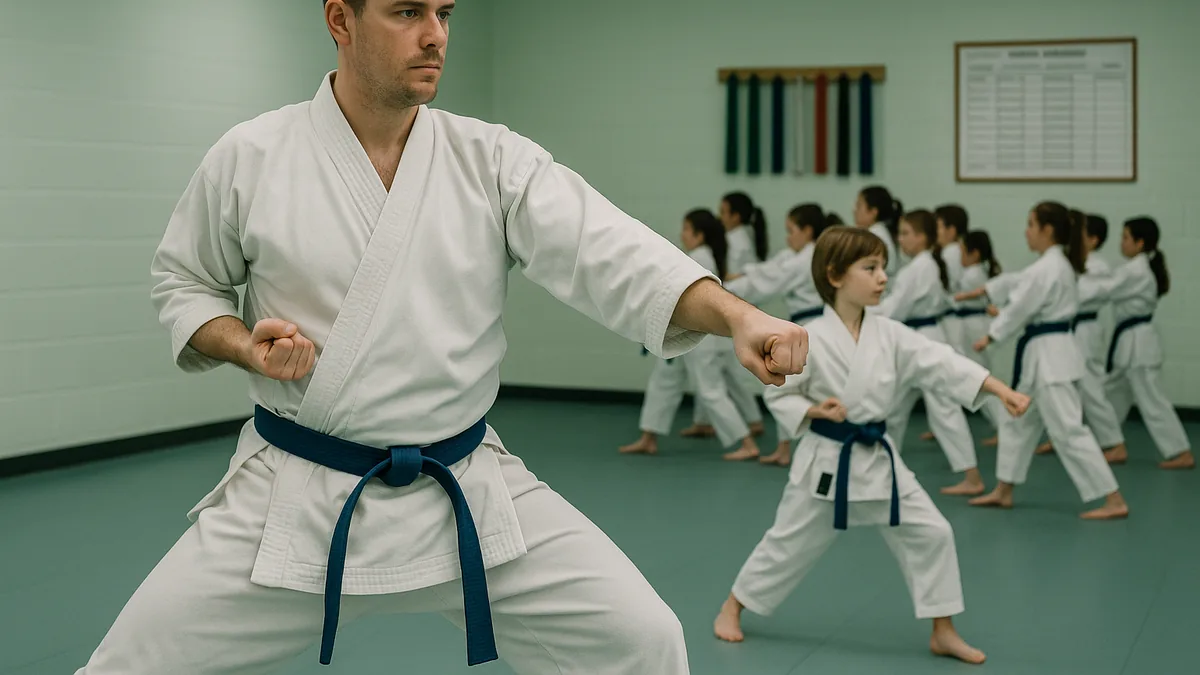
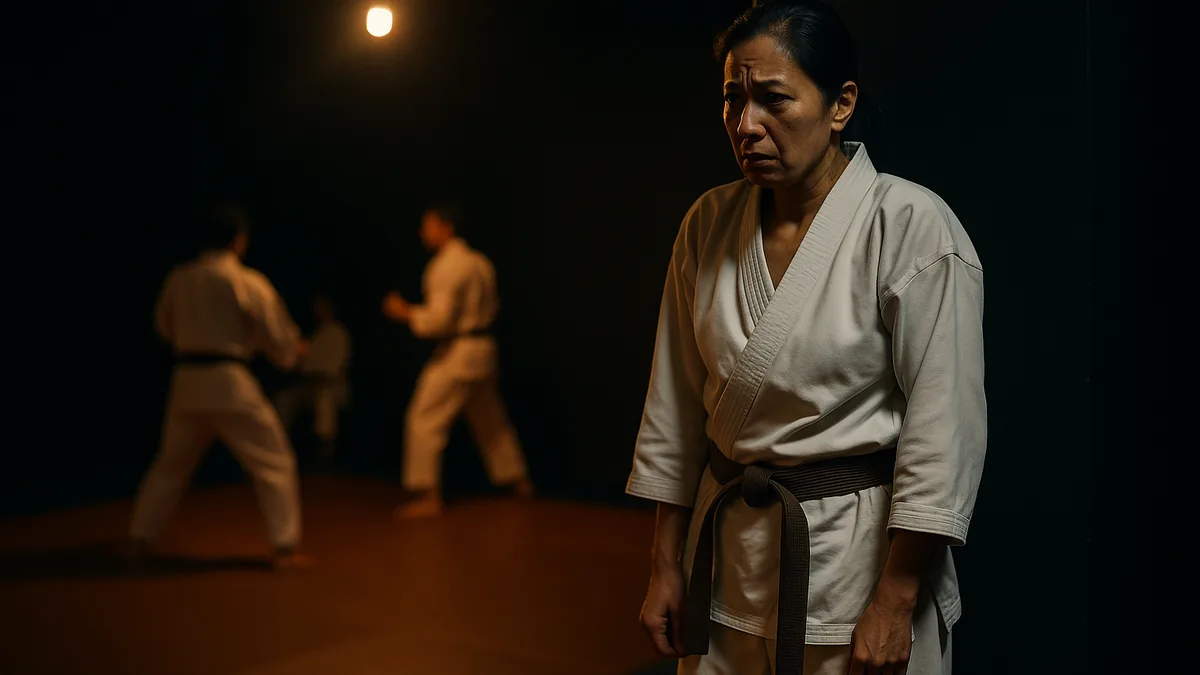
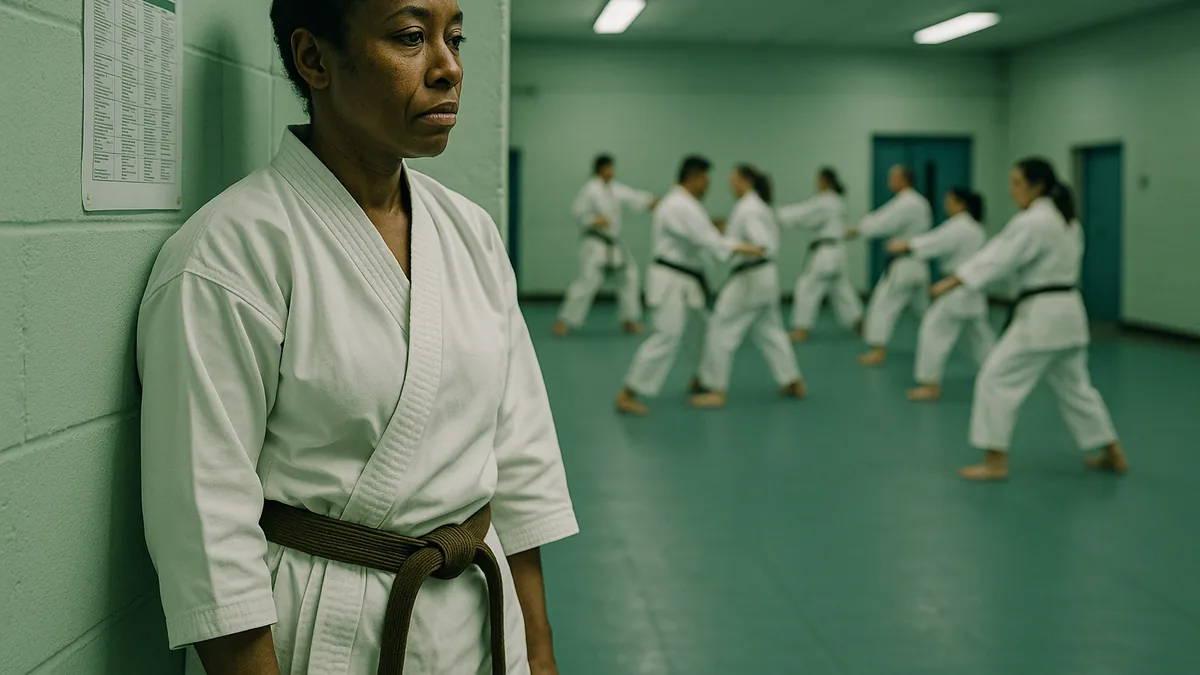
The moment your child bows onto the mat for the first time, something shifts in how you train. You know it before it happens. You’ve watched other parents go through it - the ones who used to be serious competitors, who graded steadily, who turned up early and stayed late. Then their kid joins the club, and within six months they’re standing at the side of the mat watching junior class instead of warming up for their own session. Their gi starts gathering dust between gradings. They stop setting goals.
I’ve watched this happen to good practitioners. Not because they stopped caring about karate, but because nobody warned them how quickly the parent role swallows the practitioner role - and they had no plan to stop it.
This isn’t about choosing your training over your child’s experience. It’s about being honest that both things matter, and that letting your own practice slide doesn’t actually make you a better karate parent. It makes you a resentful one.
The Trap Nobody Warns You About
Here’s what actually happens. Your child starts training. You’re excited. You help them with their basics at home, you watch their class, you chat to the instructor after. That part feels like involvement. It feels productive. And it is - for a while.
The problem is that “being involved in your child’s karate” starts to feel like training, when it isn’t. You’re absorbing the class without doing the class. You’re thinking about their stances, their kiai, their lack of focus - and somewhere in that process, you stop thinking about your own.
I used to think this was purely a motivation problem. That parents who drifted just needed reminding of their own goals. But the thing that actually changed my understanding was watching a student of mine - a solid 3rd kyu, genuinely talented, someone I expected to grade to shodan within a year - completely stall for almost two years after his daughter joined our junior class. He wasn’t less motivated. He was just spending all his karate energy on her, and arriving at his own class already mentally spent.
When we talked about it, he said something that stuck with me: “I feel selfish focusing on myself when she’s just starting out.” That’s the trap. The idea that your own development is somehow in competition with supporting your child.
It isn’t. But you have to build your training life in a way that makes that obvious in practice, not just in theory.
Setting Boundaries for Your Own Training Time
The first practical thing I’d say is this: treat your training sessions as non-negotiable in the same way you’d treat theirs. You wouldn’t pull your child out of their class because something came up unless it was genuinely unavoidable. Apply the same standard to your own sessions.
That sounds obvious. It isn’t, in practice, because the pressure usually comes from inside rather than outside. Nobody is stopping you from training. You’re just quietly deciding that your session matters less - and you do it so gradually that you don’t notice until you’ve missed six weeks.
What I tell students in this situation is to be explicit about the structure. Which sessions are yours, and which are theirs? If you train on Tuesday and Thursday evenings and your child trains on Saturday morning, those are different commitments. Don’t let them bleed into each other. Don’t skip your Thursday session to take your child to an extra practice, then tell yourself you’ll catch up at the weekend. You won’t. The weekend fills up.
If you’re training at the same club and the schedules overlap, that creates a different challenge - one I’ll come back to. But even then, the principle holds: your sessions are your sessions. Guard them.
One mistake I see constantly in parent-practitioners is using their child’s grading as a reason to deprioritise their own. “She’s got her green belt grading coming up, so I’m just focusing on getting her ready.” That’s generous, but it usually means you arrive at your own grading underprepared and frustrated. Your child’s grading timeline and your grading timeline are separate things. Keep them that way.
Training at the Same Club: The Double-Edged Situation
Training at the same club as your child is genuinely great in some ways and genuinely complicated in others. I’ve seen it work beautifully and I’ve seen it create real problems, and the difference usually comes down to one thing: whether the parent can switch roles cleanly.
When you’re in your class, you’re a student. When your child is in their class, you’re a parent. The moment those roles blur - the moment you’re coaching your child from the side of the mat during their session, or you’re mentally in parent mode during your own - both things suffer.
I prefer parents to sit away from the mat during junior sessions if they’re also training at the club. Not because their presence is unwelcome, but because proximity makes the role-switching harder. If you’re sitting right there, your child will look to you for approval after every technique, and you’ll start coaching whether you mean to or not. That’s the instructor’s job during that session. Let them do it.
In your own session, the correction that makes the biggest difference is usually the one you’re not giving yourself because you’re distracted. I’ve noticed that parent-practitioners often have a particular quality of distraction - they’re physically present but mentally checking on their child in the adjacent room. You can see it in their kata. They rush through combinations, they lose focus at the transitions. It’s not laziness. It’s divided attention.
The fix is simple but not easy: make a ritual of the role switch. When you bow in for your own class, that’s the moment you become a student. Everything else waits. If you need to, arrive ten minutes early and use that time to decompress from parent mode before training starts.
If you’re navigating the complexity of training at the same club, Teaching Karate to Your Own Child: Why It’s Harder Than Teaching Anyone Else and How to Make It Work goes into the instructor-parent dynamic in much more depth - worth reading alongside this.
Involving Your Child in Your Practice (Without Making It About Them)
There’s a version of this that works and a version that doesn’t. The version that doesn’t work is turning your home practice into an extra junior class. You demonstrate a technique, they copy it, you correct them, you spend an hour on their basics. That’s their training, not yours.
The version that works is letting them be present in your practice without making them the subject of it. My daughter used to sit in the corner of the garage and watch me run kata while she did her homework. She’d occasionally ask questions. I’d answer briefly, then continue. She picked up more from watching than she ever did from being taught directly - and my practice stayed mine.
If you want to train together at home, I’d recommend keeping it short and specific. Ten minutes of basics together at the end of your session, not an hour of you teaching. The distinction matters. You’ve done your work first. You’re sharing a small piece of it, not sacrificing your session to theirs.
There’s also real value in letting your child see you struggle. See you repeat something twenty times because it’s not right yet. See you get frustrated and keep going. Most children see their parents as either perfect at things or not doing them - they rarely see the middle ground of sustained, imperfect effort. That’s actually one of the most valuable things karate can show them, and they can only see it if you’re genuinely training, not just supervising.
Finding the Balance Between Personal Goals and Supporting Your Child
Here’s my honest position on this: your personal goals should stay personal. Not hidden, not deprioritised - personal. Meaning they belong to you, they’re driven by your own standards, and they don’t get adjusted downward because your child is on a different timeline.
I’ve seen practitioners abandon shodan goals because their child is also working toward their first dan and “it would be weird to grade together” or “I don’t want to overshadow them.” That’s not balance. That’s self-erasure dressed up as generosity.
What balance actually looks like, in my experience, is more like this: you know your grading timeline, you know your training schedule, and those things are set. Within that structure, you find ways to support your child’s development - you watch their gradings, you encourage them at home, you share the culture of the dojo with them. But the structure of your own practice isn’t up for negotiation every time their schedule changes.
The practitioners I’ve seen manage this well tend to have very clear short-term goals for themselves. Not vague aspirations like “get better at kumite” but specific targets: work on my mawashi-geri combination before the next club competition, nail the transition in the third sequence of my kata before grading. Specific goals give your sessions a purpose that’s hard to crowd out. If you know exactly what you’re working on, it’s easier to protect the time to work on it.
If you’re struggling to maintain that sense of direction in your own training, How to Stay Motivated in Karate When Progress Feels Invisible covers the mechanics of keeping momentum when external markers aren’t showing up - which is a common feeling when your training energy is split.
What Actually Happens to Your Technique When You Drift
I want to be direct about this because I don’t think it gets said enough: if you let your own practice slide for six to twelve months, you don’t just lose fitness. You lose feel. The timing goes first - that instinctive sense of distance and rhythm in kumite that takes years to build. Then the quality of your kime drops. Your techniques start to feel like approximations of what they used to be. You know it, even if nobody else can see it yet.
Getting that back takes longer than you’d expect. I’ve seen brown belts take eighteen months to return to the level they were at before a period of distracted, half-present training. Not because they were lazy during that period, but because they were there in body but not in focus.
You’ll feel this most clearly in kata. When you’re training well, kata has a quality of presence - each technique lands with intention, the transitions feel connected, you’re not thinking about what comes next because the sequence is in your body. When you’ve been drifting, it feels like you’re reading from a script. The techniques are there but the conviction isn’t. That’s the thing that goes quiet when your attention is divided, and it’s the hardest thing to get back.
This is also why the role-switching I mentioned earlier isn’t just a practical tip. It’s about protecting the mental state that makes real training possible. If you’re not fully present in your own sessions, you’re not really training - you’re going through motions. And going through motions is how good practitioners become average ones.
Community Perspective
This is a topic where dojos vary enormously in their approach, and I think it’s worth being honest about that. Some clubs actively encourage family training and build their schedule around it - shared sessions, family gradings, the whole culture oriented toward karate as a family activity. Others keep junior and senior training completely separate and expect parents to choose a role.
Neither approach is wrong, but they create different pressures. In a family-oriented club, the temptation to blur roles is higher. In a strictly separated club, you might feel like you’re missing something by not being more involved in your child’s training.
I’ve trained in both environments. My honest preference is a club that keeps the sessions separate but creates space for shared moments - gradings, demonstrations, occasional family sessions. That structure makes the role-switching easier because the environment itself supports it. When you’re in the adult class, everyone around you is in the adult class. The context does some of the work.
What I’ve noticed changes with experience is the guilt. Early on, most parent-practitioners feel guilty about prioritising their own training. By the time they’re a few years in - and especially if they’ve seen their own technique suffer from neglect - they understand that their development and their child’s development aren’t in competition. A parent who trains seriously is modelling something genuinely valuable. A parent who sacrifices their training entirely often becomes quietly resentful of the thing they gave it up for.
If your training is under pressure from life circumstances more broadly - not just parenting but work, time, energy - Training Karate Alongside a Full-Time Job: How to Make It Work Long-Term is worth reading. A lot of the principles around protecting training time apply directly.
Key Takeaways
- Treat your training sessions with the same non-negotiable status you give your child’s. If you wouldn’t pull them from class for something non-urgent, don’t pull yourself either.
- Build a clean role switch between parent and practitioner. When you bow in for your own session, that’s the moment you become a student - not a parent watching from the inside.
- Keep your personal goals specific and short-term. Vague aspirations are easy to defer. Concrete targets are harder to crowd out.
- Let your child witness your practice, not just receive your teaching. Watching you struggle and persist teaches them more than any correction you give them.
- Your technique suffers more from distracted training than from missed sessions. Half-present repetitions build bad habits. If you can’t be fully there, consider whether that session is actually serving you.
- The guilt you feel about prioritising your own training usually fades when you see what sustained, serious practice actually models for your child. You don’t have to choose between being a good karate parent and a serious practitioner - but you do have to be deliberate about being both.
The weekly digest
New karate articles, once a week
One email every week with everything new on Karate Lifestyle. No spam; unsubscribe in one click.
We'll email you to confirm. See our privacy policy.