What Karate Has Actually Taught Me About Handling Stress Outside the Dojo
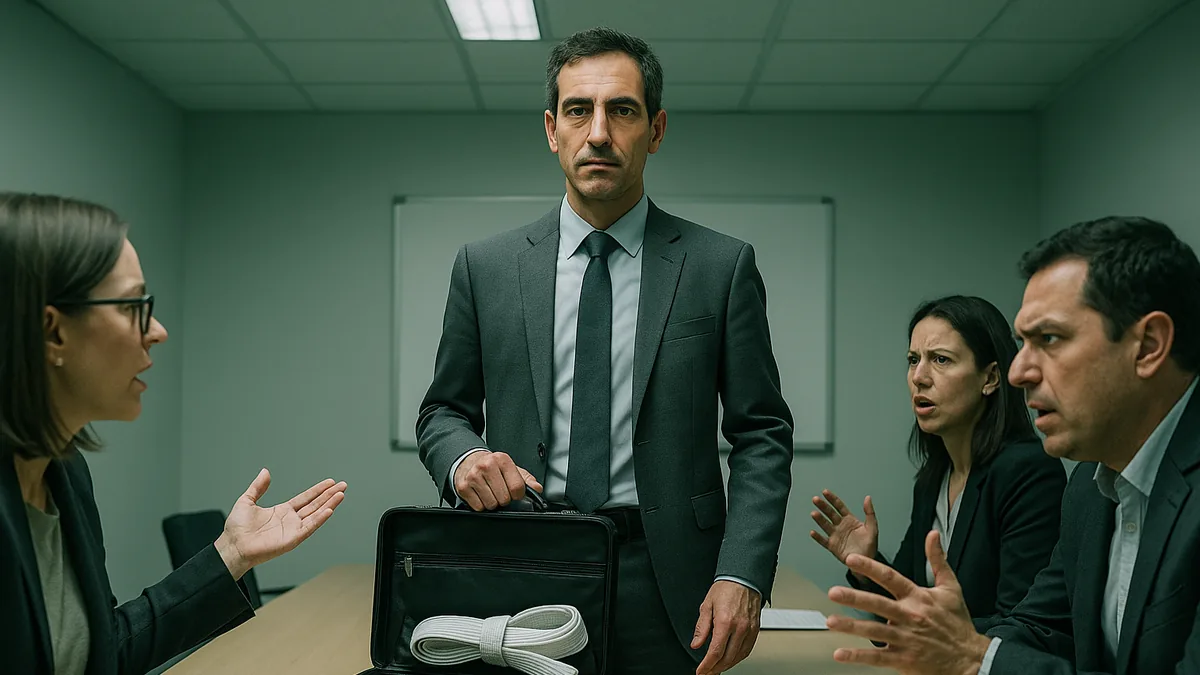
The first time I genuinely understood what the dojo was doing to my nervous system, I was standing in a work meeting that had gone sideways. My manager was escalating. Everyone in the room was tense. And I noticed - clearly, almost clinically - that I was breathing. Not shallow chest breathing. Proper breathing. The kind I’d drilled for years under pressure in kumite. I wasn’t calm because I was detached. I was calm because my body had been trained to stay regulated when things got uncomfortable.
That’s not a mindset shift. That’s a physical habit built over hundreds of hours of controlled stress.
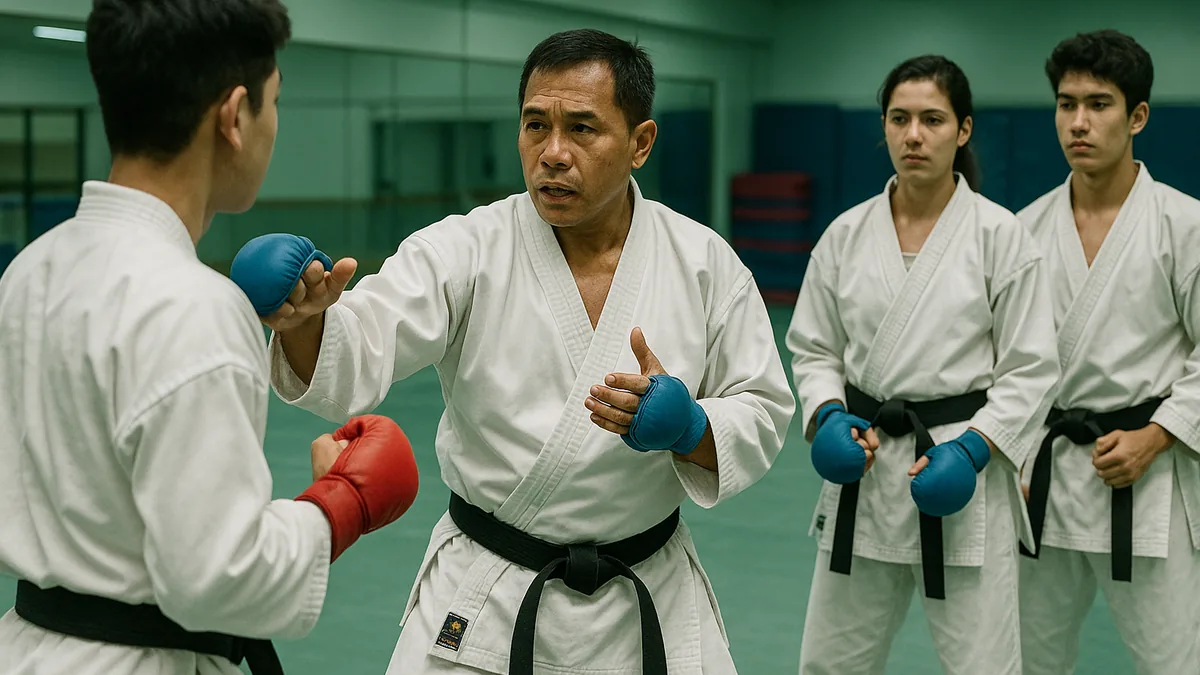
I’ve been training for over fifteen years across four different dojos, under instructors with very different approaches, and I’ve watched this pattern repeat itself with students who stick around long enough. The ones who train seriously - not just show up, but actually engage with what the training is asking of them - tend to handle pressure differently outside the dojo. Not perfectly. But differently.
The Dojo Is a Stress Lab, Whether You Think of It That Way or Not
Here’s my honest take: most people come to karate for fitness or self-defence. They don’t come because they want to learn how to handle a difficult conversation at work or stop catastrophising when things go wrong. But that’s what ends up happening, because the dojo systematically puts you under manageable stress and asks you to function anyway.
Grading is the clearest example. I’ve seen students who train consistently for months, then fall apart the moment they step in front of an examiner. Techniques they’ve done a thousand times suddenly feel wrong. Their timing goes. Their kiai sounds apologetic. What I tell students before grading is this: the nerves aren’t the problem. The problem is thinking the nerves mean something bad is happening. They don’t. They mean your body is ready to perform.
That distinction - between arousal as threat and arousal as readiness - is one of the most transferable things karate teaches. It just takes a while to land.
I used to think the point of kihon was to build perfect technique. By brown belt I’d started to realise it was also about building a stable baseline you can return to when everything else is going wrong. When you’re tired, when someone’s pushing you, when your mind is noisy - you can come back to basics. That principle works identically outside the dojo.
Breathing Is the Whole Thing and Most People Ignore It Until It’s Too Late
One mistake I see constantly, especially with newer students, is treating breathing as an afterthought. They’re focused on the technique, the stance, the combination - and they’re holding their breath through half of it without realising. Then they wonder why they’re gassing out after two minutes of pad work.
The correction that actually works isn’t telling them to breathe more. It’s connecting the breath to the movement so they can feel the difference. When you exhale sharply on a strike and you feel that tension release through your core, and then you feel the reset as you pull back - that’s the feedback loop. Once you’ve felt it, holding your breath starts to feel wrong rather than normal.
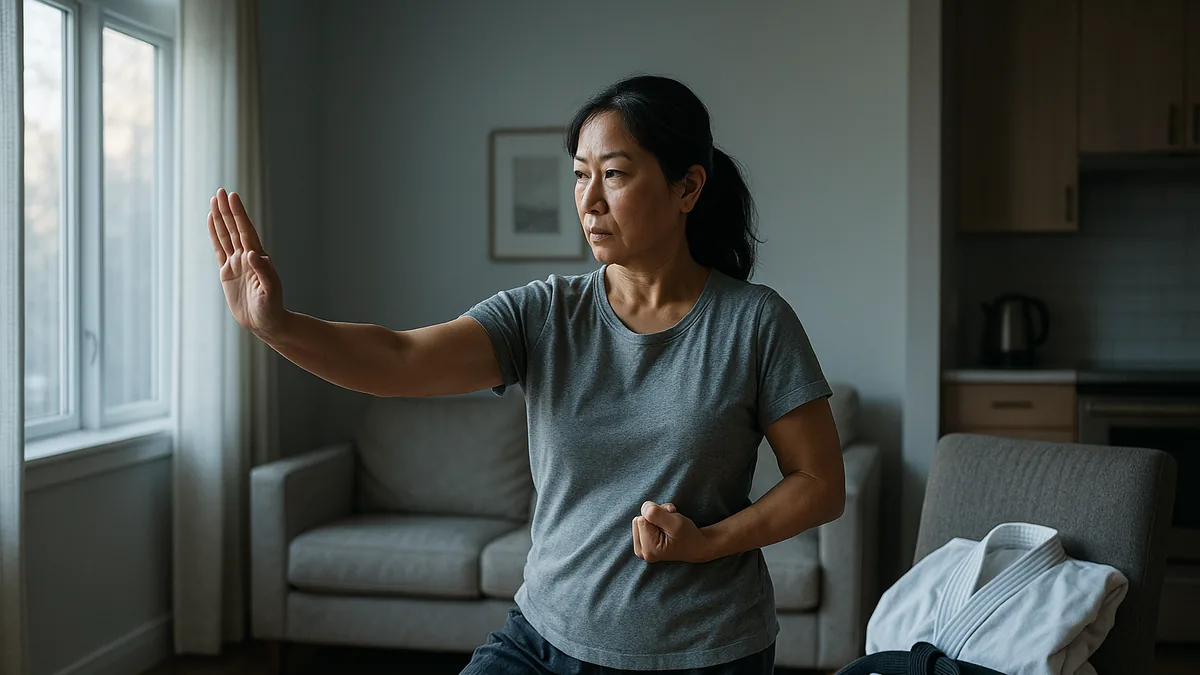
What this builds, over time, is a habit of noticing your breath state. And breath state is a surprisingly accurate readout of your stress state. I’ve caught myself holding my breath in traffic, in arguments, reading a difficult email - and the moment I notice it, I can do something about it. That’s not meditation philosophy. That’s a physical skill I developed because my instructors kept calling me out on it during kata.
If you want to go deeper on the mental side of what training does, the mental benefits of karate training piece is worth reading alongside this one. But I’d argue the mental benefits are mostly physical habits in disguise.
What Zanshin Actually Means When You Take It Off the Mat
Zanshin - that sustained awareness after a technique - is one of those concepts that sounds poetic until you’ve had an instructor shout at you for dropping it. I had a sensei who would wait until you’d finished your last technique in a kata, and the moment you visibly relaxed before he’d given the signal, he’d clap and make you start over. Every time.
It annoyed me for months. Then I started noticing how often I checked out of situations too early in real life. Finished a presentation and mentally left the room before the questions started. Sent an email and stopped thinking about it before I’d confirmed it had landed. The habit of maintaining presence after the obvious moment of effort - that’s what zanshin actually trains. And it’s genuinely rare.
I’ve noticed that students who grasp zanshin early tend to be more composed in sustained stressful situations. Not just acute pressure, but the kind of slow-burn stress that comes from difficult projects, ongoing conflict, or uncertainty. They haven’t switched off. They’re still in the room.
The Mistake of Treating Calmness as Passivity
This is where I’ll take a position, because I think it’s commonly misunderstood: being calm under pressure doesn’t mean being disengaged. I’ve seen students who’ve developed what looks like composure but is actually detachment - they’re not stressed because they’re not fully invested. That’s not the same thing, and it doesn’t transfer usefully to real life.
The calmness that karate builds at its best is active. You’re present, you’re reading the situation, you’re making decisions - you’re just not being hijacked by your own stress response. In jiyu-kumite, the difference is obvious. A student who’s detached will miss opportunities because they’re not really tracking. A student with genuine composure will pick up on a dropped guard and counter off it before they’ve consciously decided to. The information is getting in and being processed cleanly.
That’s what I want when I’m handling a difficult situation at work, or having a hard conversation, or making a decision under time pressure. Not switched off. Switched on without the noise.
If you’re thinking about how training habits extend into daily structure, how serious practitioners actually structure their day covers some of this from a practical angle.
Community Perspective
There’s a genuine split in how different dojos approach this side of training. Some instructors treat the mental and lifestyle dimensions as central to what karate is - they’ll talk explicitly about how training applies outside the dojo, they’ll frame grading nerves as a learning opportunity, they’ll discuss breathing in terms of stress regulation. Others think that kind of framing is soft, and that the physical training speaks for itself if you do it seriously enough.
I’ve trained under both types. My honest view is that the explicit framing helps, especially for adult students who aren’t going to make the connections automatically. But I’ve also seen students from very traditional, no-discussion dojos who’ve developed remarkable composure - because the training volume was high enough and the standards were demanding enough that they couldn’t avoid building those habits.
What I’d push back on is the idea that the mental benefits are automatic. I’ve seen plenty of long-term practitioners who still fall apart under pressure, because they never engaged with what the training was actually doing. They showed up, they drilled, but they were going through the motions. The transfer to real life only happens if you’re paying attention in the dojo.
This comes up a lot in discussions about dojo politics and how to navigate them too - the ability to stay regulated in a politically charged environment is its own test of whether the training has actually transferred.
Key Takeaways
-
Your breath state is your stress state. Train yourself to notice it in the dojo and the habit will carry over. The moment you catch yourself holding your breath outside of training, you’ve already got the tool to reset.
-
Arousal isn’t threat. The physical sensation of nervousness before a grading, a difficult conversation, or a high-stakes situation is the same as readiness. The training teaches you to function through it rather than interpret it as failure.
-
Zanshin is a real-world skill. Staying present after the obvious moment of effort - not checking out when the pressure drops - is rare and genuinely useful. Practice it consciously in the dojo and you’ll start doing it automatically elsewhere.
-
Composure is active, not passive. The goal isn’t to care less. It’s to stay fully engaged without being run by your stress response. If you’re calm because you’re detached, that’s not the same thing and it won’t serve you.
-
The transfer isn’t automatic. You have to be paying attention in the dojo for the habits to carry over. Students who go through the motions for years don’t necessarily develop these skills. Engagement is the variable.
-
Basics are your reset. When everything is going wrong - in sparring, in a grading, in a difficult situation at work - you can always come back to fundamentals. Posture, breath, presence. That’s not a metaphor. It’s a trained physical habit.
The weekly digest
New karate articles, once a week
One email every week with everything new on Karate Lifestyle. No spam; unsubscribe in one click.
We'll email you to confirm. See our privacy policy.