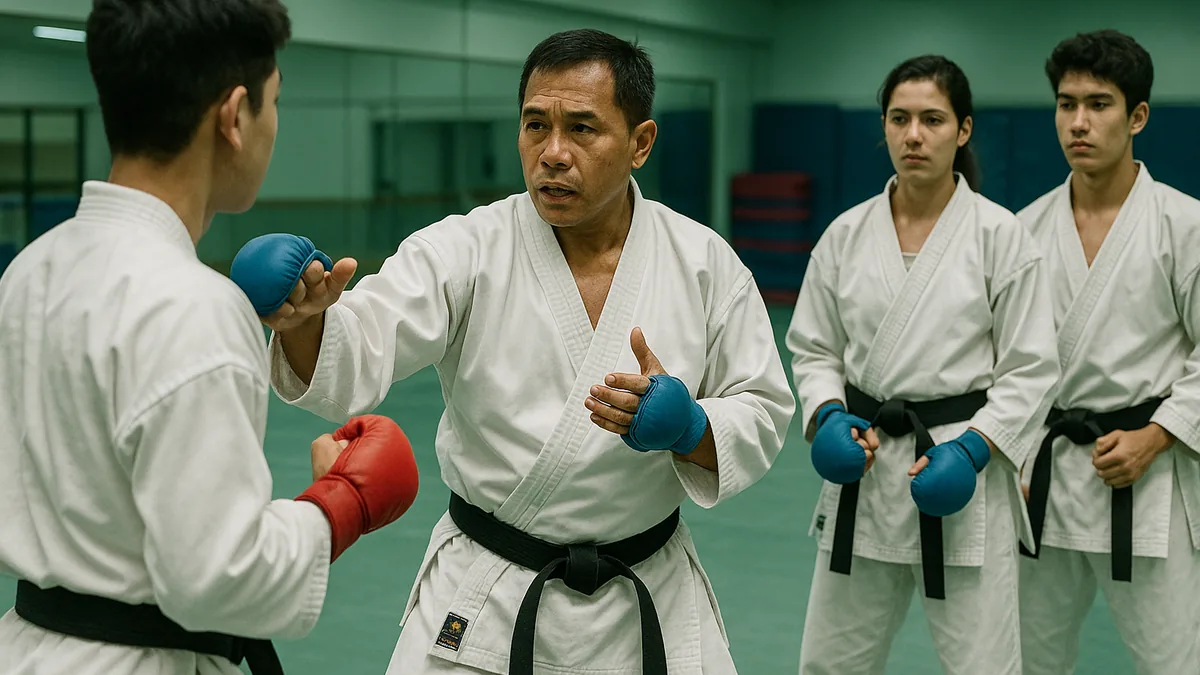
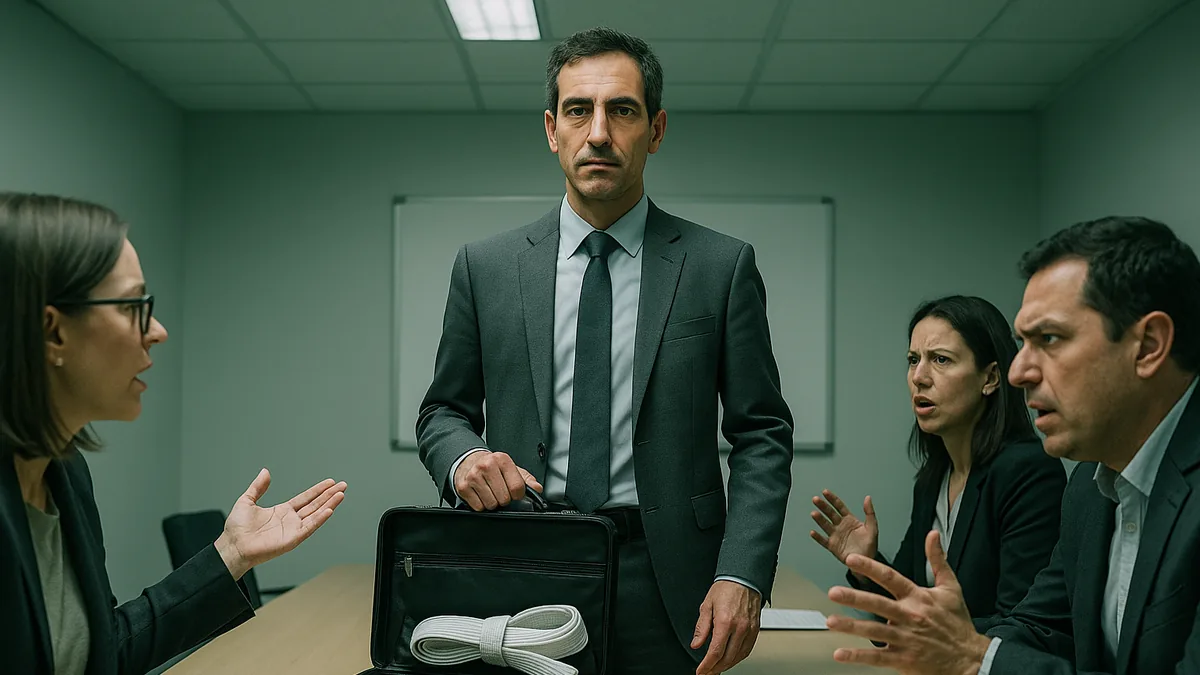
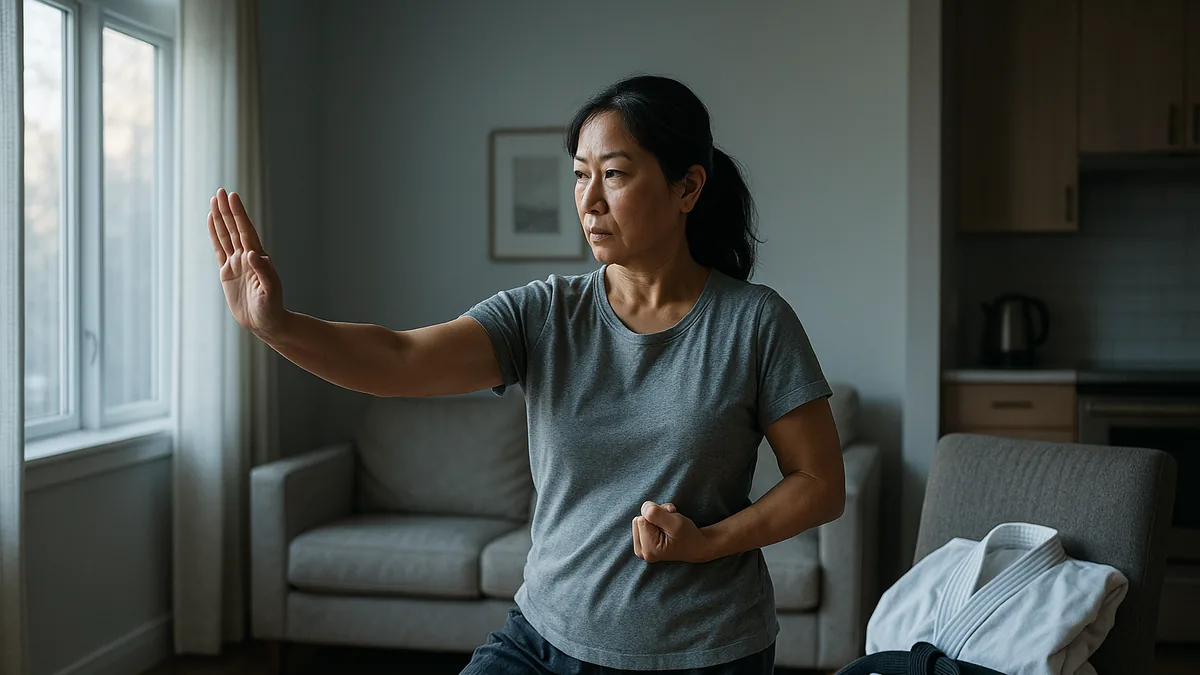
When Should You Grade and When Should You Wait? How to Make the Call Honestly
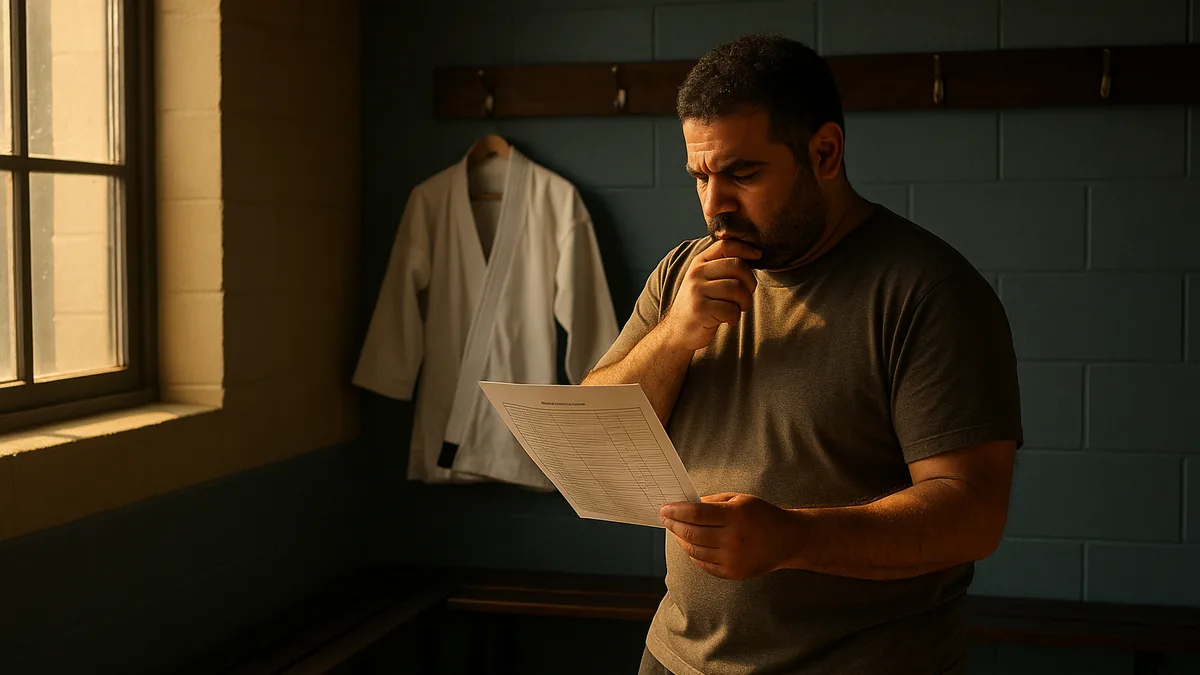
Most people who grade too early know it before they bow in. They know it in the changing room, they know it during the warm-up, and they definitely know it when they’re standing in front of the examiner trying to remember which foot leads in the third sequence of their kata. The problem isn’t that they didn’t prepare. The problem is that they said yes when they should have said “give me another month.”
I’ve been on both sides of this. I’ve graded when I wasn’t ready, and I’ve watched students do the same thing. I’ve also held students back when they thought they were ready, and had to explain why - which is a harder conversation than it sounds when someone has been training consistently and genuinely wants to progress. The grading decision is one of the most misunderstood parts of the whole journey, and getting it wrong in either direction costs you more than you’d think.
What “Ready” Actually Means
Here’s the thing nobody tells you clearly enough at the start: being ready to grade doesn’t mean you can perform the techniques under ideal conditions. It means you can perform them under pressure, when you’re tired, when you’re nervous, when the examiner is watching your hands and your feet at the same time and you suddenly can’t remember which one to think about.
I’ve noticed that students who are genuinely ready tend to look almost bored during their grading. Not disrespectful - settled. Their basics are automatic enough that they’re not burning mental energy trying to remember the sequence. They’re actually doing karate rather than performing a memorised routine. That’s the distinction worth chasing.
What I tell students is this: if you have to think about whether your stance is correct, you’re not ready. If you can feel when it’s wrong without looking down, you’re getting there. When you stop noticing your stance altogether because it just happens - that’s when you’re ready.
It feels different too. When your basics are genuinely embedded, there’s a kind of ease to the movement that you can’t fake. Your kamae settles into place without effort. Your transitions between techniques have a natural weight to them. It doesn’t feel effortless exactly - there’s still intensity - but it feels clean. When you’re not ready, everything feels slightly effortful in a way that shows.
Know the Actual Requirements - Not Just the Kata
One mistake I see constantly is students who have learned the required kata but haven’t actually read the grading syllabus. They assume that because they can perform what they’ve been shown in class, they know what the examiner wants. Often they’re wrong.
Every style and association has a syllabus. Most dojos have a printed version somewhere, or it’s available through the association. Read it. Not once - read it regularly as you’re preparing. I’ve seen students fail gradings not because their technique was poor but because they’d learned a slightly different version of a kata than the one being examined, or because they didn’t know that kihon combinations were being assessed as well as the main kata, or because they hadn’t practised kihon ippon kumite in months because nobody had drilled it recently in class.
Your instructor should be guiding you through this, and most do. But your instructor is also running a class of fifteen people at different grades, and it’s not always possible to cover every element of every syllabus in every session. That’s not a criticism - it’s just the reality of how dojos work. The responsibility for knowing your own syllabus sits with you.
If you’re unclear on what’s expected, ask. Ask your instructor directly: “What do I need to show at my next grading?” A good instructor will tell you plainly. If they give you a vague answer, ask again more specifically. Knowing the requirements isn’t cheating the system - it’s taking the process seriously.
The Pressure Problem
I graded for my first dan under an examiner I’d never trained with before. I knew my material. I’d been preparing for months. And I still found myself standing there during the kata thinking “is this the right kata? Did he say Bassai Dai?” He had. I knew it. But the pressure does something to your brain that training in the dojo doesn’t fully prepare you for.
The only real solution is to manufacture that pressure in training. Ask your instructor to watch you run your kata cold, without a warm-up. Do your combinations when you’re already tired from sparring. Have someone senior watch and say nothing - just observe. That silence is surprisingly uncomfortable, and getting comfortable with it before the grading matters.
What actually works, in my experience, is drilling the material until it survives interruption. If someone calls your name mid-kata and you can pause, answer, and pick up from where you left off - you know it well enough. If an interruption causes you to lose your place completely, you need more repetitions.
This connects to something broader about how you structure your training life. If you’re fitting karate around a demanding schedule, the Training Karate Alongside a Full-Time Job: How to Make It Work Long-Term piece is worth reading before you commit to a grading date. Grading when you’ve been training inconsistently for three months because work got heavy is a different calculation than grading after three months of solid, regular training.
When Instructors Say You’re Ready and You Don’t Believe Them
This happens more than the opposite. A student is clearly ready - technically sound, consistent, confident in kumite - but they keep finding reasons to wait. Another month. After the tournament. When my reverse punch feels better.
I understand this impulse completely. I had a phase around brown belt where I was convinced I wasn’t ready for anything, despite my instructor telling me I was more than capable. What I eventually realised was that I was confusing “not perfect” with “not ready.” They’re completely different things.
No one grades perfectly. The examiners know this. They’re not looking for perfection - they’re looking for a level of competency that demonstrates you’ve genuinely absorbed the material for your current grade and have the foundation to start working on the next one. Waiting for perfection before grading means you’ll never grade, because perfection doesn’t exist at any grade.
What I tell students who are stalling: if your instructor says you’re ready, they’ve seen more gradings than you have. They know what the examiner is looking for. They’re not going to put you forward if they think you’ll embarrass yourself or the dojo - their reputation is also on the line. Trust that.
The harder question is what to do when you don’t trust your instructor’s assessment, or when you’re at a dojo where students are pushed forward too quickly. That’s a different problem, and it’s worth being honest with yourself about which situation you’re actually in.
The Case for Waiting - and When It’s the Right Call
I think the pressure to grade regularly - every few months in some clubs - does real damage to how students develop. I’ve seen it too many times: someone grades at every available opportunity, collects belts at a reasonable pace, and then hits a wall somewhere around brown belt where the gaps in their foundation suddenly become impossible to ignore. Everything they skipped over on the way up comes back as a problem they have to fix before they can move forward.
The students who develop most solidly are usually the ones who’ve spent longer at each grade than the minimum. Not because they’re slow - often because they’re thoughtful. They’re not just ticking boxes; they’re actually absorbing what each grade is teaching them.
There’s something in the How to Stay Motivated in Karate When Progress Feels Invisible piece that’s relevant here - the idea that visible progress (a new belt) and actual progress aren’t always the same thing. Sometimes the most productive period of your training is the one where you stayed at the same grade for longer than expected and actually fixed something.
Specific situations where I’d recommend waiting:
- Your kata is technically correct but mechanical - you’re performing steps, not karate. Give it more time.
- You can do the techniques in isolation but fall apart under any pressure - in kumite, in combination drills, when someone’s watching.
- You’ve had a significant gap in training - illness, work, life - and haven’t had time to rebuild consistency. Grading on rusty material is a waste of everyone’s time.
- Something specific in the syllabus is genuinely weak and you know it. Don’t grade hoping the examiner misses it.
Community Perspective
This is one of the areas where dojos genuinely differ, and it’s worth being honest about that. Some associations have fixed grading intervals - you can’t grade before a minimum time at grade, regardless of ability. Others leave it almost entirely to instructor discretion. Both approaches have problems.
Fixed intervals can hold genuinely talented students back unnecessarily and create a culture where everyone grades together regardless of individual readiness. Instructor discretion can lead to commercial pressure - clubs where gradings are frequent because they generate income, and where the bar is set lower than it should be.
I’ve trained in both environments. My honest preference is instructor discretion within a clearly defined syllabus, where the examiner is external to the dojo. That combination - your instructor decides when you’re ready, but someone else does the examining - tends to produce the most honest outcomes.
What I’ve noticed changes with experience is the attitude toward the belt itself. As a white belt, the next belt feels like the whole point. By brown belt, you start to realise the belt is just a marker - what matters is what you can actually do. Senior practitioners often talk about gradings almost as an afterthought. They trained, they were ready, they graded. The belt wasn’t the goal; it was a byproduct of the goal.
That shift in perspective is worth trying to reach earlier than most people do.
The Grading Day Itself
Whatever you’ve decided - whether you’re going forward or waiting - the day itself deserves some thought. The etiquette of the grading environment matters. If you’re unclear on expectations around formality, bowing protocol, or how to conduct yourself during the examination, the Karate Etiquette: What You Need to Know piece covers the basics clearly.
One thing I’ll add from watching hundreds of gradings: how you handle your mistakes tells the examiner as much as your technique does. Students who make an error and visibly collapse - losing their composure, starting to rush, getting flustered - show that their confidence is fragile. Students who make an error, correct it, and continue show something more valuable: they’ve been training long enough that a mistake doesn’t derail them.
That composure under pressure is something that develops outside the dojo too. The mental habits you build in training - staying calm when something goes wrong, refocusing quickly - show up in gradings whether you’ve deliberately cultivated them or not.
Key Takeaways
- If you have to think about your stance during your kata, you need more time. Readiness means the technique is automatic, not just memorised.
- Read your actual grading syllabus. Don’t assume that what you’ve drilled in class covers everything the examiner will assess.
- If your instructor says you’re ready and you’re stalling, ask yourself honestly whether you’re being careful or just afraid. They’re not the same thing.
- Grading frequently with weak foundations creates problems at higher grades that are harder to fix than they would have been earlier. Quality of preparation matters more than speed of progression.
- Manufacture pressure in training before the grading - cold runs of your kata, drills when you’re already tired, being watched in silence. The grading environment is uncomfortable and you should have experienced something like it before the day.
- The belt is a byproduct. If you’re training properly, the readiness arrives and the grading follows. Chase the readiness, not the belt.
The weekly digest
New karate articles, once a week
One email every week with everything new on Karate Lifestyle. No spam; unsubscribe in one click.
We'll email you to confirm. See our privacy policy.