Returning to Karate After a Long Break: What to Expect
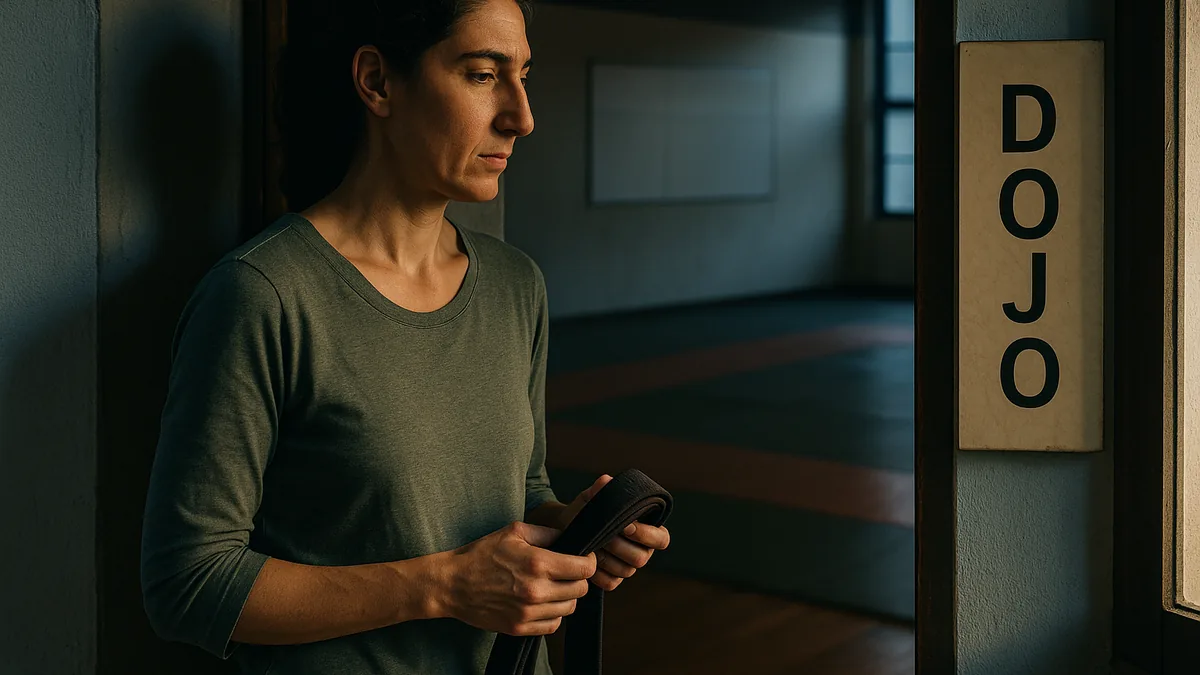
The first session back is always humbling. I’ve seen it dozens of times - someone walks in after two, five, sometimes ten years away, and within the first twenty minutes their face tells the whole story. The techniques are still there, somewhere. The muscle memory fires, but it fires slow, and the body doesn’t respond the way it used to. They look confused, almost betrayed. That feeling is normal. What happens next depends entirely on whether they understand what they’re actually dealing with.
If you’re coming back to karate after a long break, this is what I’d tell you before you step back on the mat.
Your Body Has Not Forgotten - But It Has Changed
There’s a version of this conversation I’ve had more times than I can count. Someone comes back after years away, maybe they trained to shodan or nidan, and they expect to slot back in somewhere around where they left off. Technically, they’re not wrong - the patterns are still there. But the body that used to execute them has changed, and that gap between what your brain remembers and what your body can currently deliver is where most returning practitioners get into trouble.
I used to think muscle memory was almost permanent. That if you’d done ten thousand gedan barai, those ten thousand reps were banked forever. And in a sense they are - but the connective tissue, the hip flexibility, the cardiovascular base, the specific conditioning that karate demands? That erodes faster than the neural patterns. So you’ll remember the technique, you’ll even feel it starting to come back after a few sessions, but your hips won’t rotate the way they did, your stances will be higher than you want them, and your lungs will be screaming after a kata that used to be a warm-up.
What I tell students in this situation is to treat the first month as reconnaissance, not performance. You’re gathering information about where your body currently is, not demonstrating where it used to be.
The Injury Window
This is the part that matters most, and the part most returning practitioners ignore. The two to six week window when you’re coming back is genuinely high risk. Your nervous system remembers how hard to push. Your cardiovascular system starts to recover quickly. But tendons, ligaments, and the specific stabilising muscles around your knees and hips - those take longer to recondition. The mismatch is dangerous.
I’ve seen it go wrong in exactly the same way each time. Someone comes back, feels good after the second session, trains hard in the third, and pulls something in the fourth. Usually the knee, sometimes the lower back, occasionally a hip flexor. They’re then out for another six weeks, which sets the whole return back significantly.
The correction that actually works here isn’t about holding back on technique - it’s about managing intensity and volume. Do the class. Do the kata. But don’t go at full power on every rep, and don’t try to make up for lost time by training six days a week in the first month. Three sessions a week, controlled intensity, and be honest with yourself about when something feels strained rather than just worked.
Reconnecting With Your Technique
This is the part that surprises people, because it cuts both ways. There are moments in those first few weeks back where something clicks - a technique you struggled with for years suddenly makes sense in a way it didn’t before. I think this happens because you’ve had time away from the noise of regular training, and when you come back, you’re approaching familiar movements with fresher eyes.
But there’s also the frustration. Combinations that used to flow feel clunky. Your timing is off. You watch your own reflection in the mirror and it looks nothing like it felt. That disconnect is real, and it’s temporary, but it’s worth understanding why it happens rather than just grinding through it.
When you train consistently, your technique exists in a kind of dynamic calibration with your current fitness, timing, and muscle tone. When you’ve been away, those calibrations have drifted. The technique hasn’t disappeared, but the physical infrastructure that made it feel natural has shifted. You’re essentially re-tuning the instrument.
What Actually Comes Back Quickly - And What Doesn’t
I’ve noticed a consistent pattern across the returning practitioners I’ve worked with. Kata sequences come back faster than most people expect - the order of movements, the turns, the timing within the kata. What takes longer is the quality inside those movements. The kime, the connection through the hip, the snap at the end of a technique.
Kumite timing takes the longest to return. I think this is because timing is relational - it’s calibrated against other people moving at real speed, and you can’t replicate that in solo training. If you’ve been away for a year or more, expect to feel genuinely slow in sparring for the first month or two. Not because you’ve forgotten what to do, but because the read-and-respond loop needs to be rebuilt through repetition.
One mistake I see constantly with returning practitioners in kumite is that they revert to whatever worked for them years ago, regardless of whether it’s actually working now. There’s a comfort in the familiar. But if your timing is off and your movement is slower than it was, the techniques that relied on speed and sharp timing will fail you until those qualities return. I’d recommend starting with your most reliable, least timing-dependent techniques and rebuilding from there.
The Mental Side Nobody Talks About
Returning to a dojo after years away has a psychological dimension that doesn’t get enough attention. If you left as a brown belt and you’re coming back to train alongside people who were white belts when you left - some of whom may now outrank you - that’s a specific kind of uncomfortable that you need to be honest with yourself about.
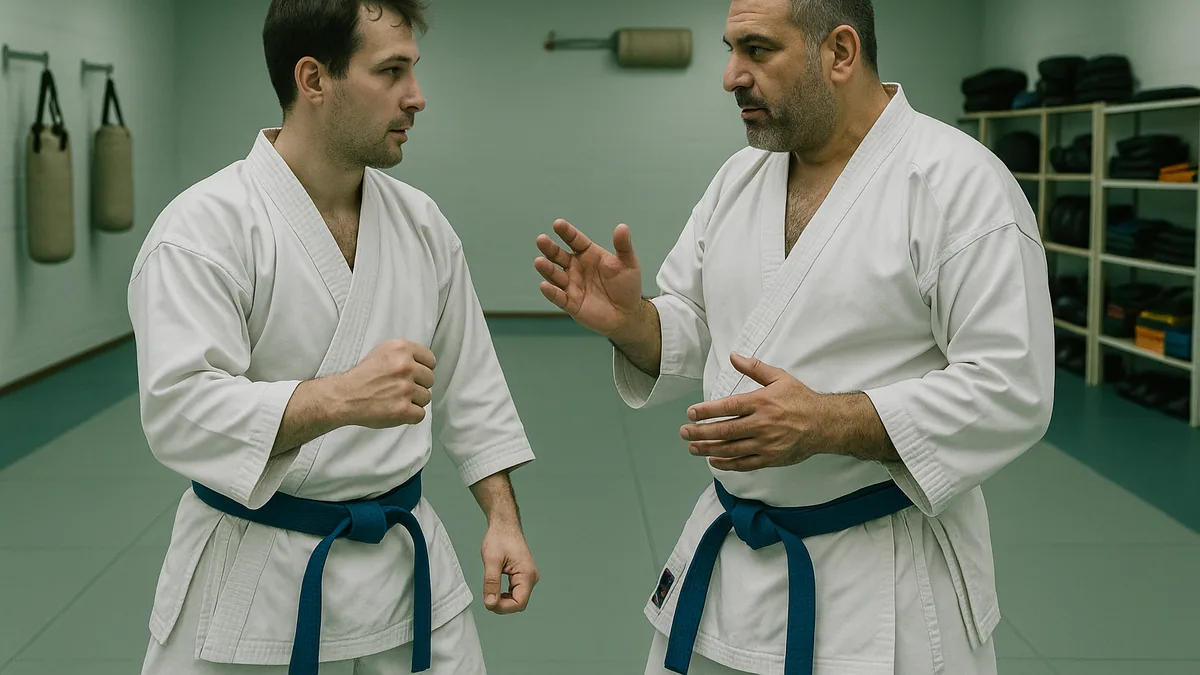
I’ve watched returning practitioners make the same mistake: they resist instruction because they feel they should already know this. They take less feedback from their instructor because accepting correction feels like admitting how far they’ve fallen back. That’s ego, and it’s the single biggest obstacle to a successful return.
What actually works - and I say this from watching people navigate this well and badly - is to approach your return with something close to beginner’s mind, while drawing on your experience to learn faster. You’re not starting from zero. You have context that genuine beginners don’t have. But you are starting from a physical baseline that’s lower than where you left, and the sooner you make peace with that, the faster you’ll progress.
My instructor used to say that the hardest rank to hold is the one you think you’ve already earned. I didn’t fully understand that until I came back from a six-month break due to injury and had to rebuild my basics from scratch. The students I’d been grading a year earlier were now technically cleaner than I was in several areas. That was useful information, even if it wasn’t comfortable.
Community Perspective
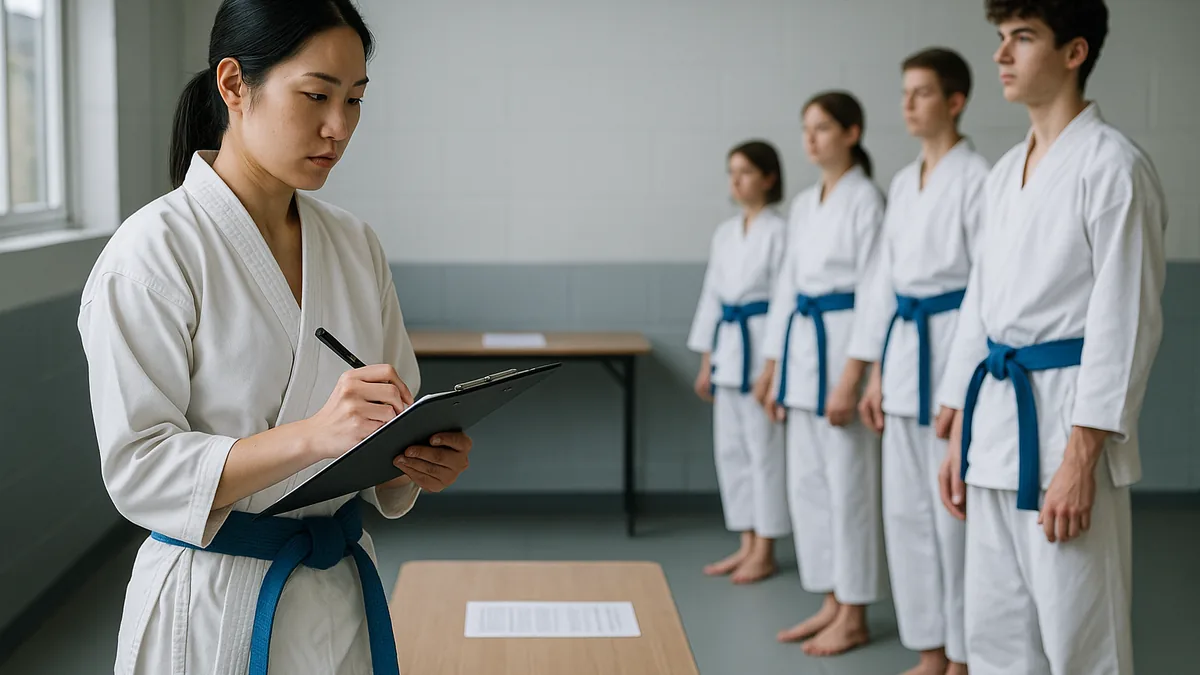
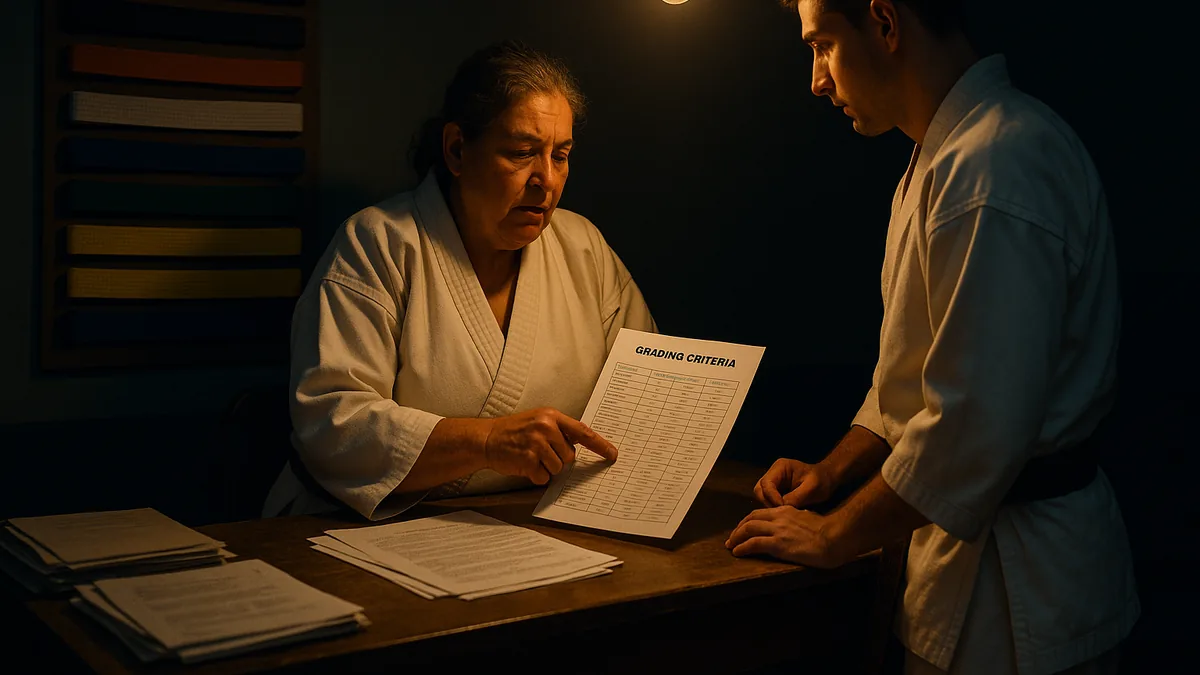
There’s a genuine disagreement in most dojos about how to handle returning practitioners and their rank. Some instructors feel strongly that someone returning after several years should retrain at a lower grade - at least informally - until they’ve demonstrated that their technique is back to standard. Others feel that rank represents accumulated knowledge and shouldn’t be stripped or ignored just because someone took time away.
I’ve seen both approaches, and honestly, I think the answer depends on how long the break was and what grade the person holds. A returning shodan who’s been away for two years is different from someone returning to a mid-kyu grade after five years. What I’d say to any returning practitioner is this: don’t make the grade the point. If your instructor suggests you train at a lower intensity or revisit basics, that’s not an insult - it’s good coaching. The practitioners I’ve seen resist that advice are almost always the ones who take longer to get back to form.
If you’re returning to a new dojo rather than the one you left, there’s a whole separate conversation about how to present yourself and find a club that fits where you are now. The article on how to find a new karate club when you move or change styles covers that in detail and is worth reading before you walk into somewhere new.
The Mistakes I See Most Often
Trying to train at their old level immediately. The body isn’t there yet. The result is either injury or discouragement when the technique doesn’t perform the way they remember.
Skipping the basics because they feel too easy. I’d argue basics are where returning practitioners should spend most of their first month. Not because you’ve forgotten them, but because your body needs to relearn how to execute them with your current physical capacity. Rushing to kata or kumite before your basics are recalibrated is like trying to run before you’ve sorted your stride.
Comparing their current performance to their best-ever performance. This is the fastest route to frustration. Compare yourself to where you were last week, not to where you were five years ago.
Not telling their instructor they’ve returned after a break. This one baffles me, but I’ve seen it. Someone comes back, says nothing, and then the instructor can’t understand why their technique looks inconsistent. A good instructor will adjust their expectations and coaching approach if they know the context. Give them that information.
If you’re thinking about what comes next after you’ve settled back in - competitions, gradings, new goals - it’s worth reading Competing in Karate for the First Time: What Nobody Tells You when you’re ready for that conversation.
Key Takeaways
- Treat the first four to six weeks as physical reconnaissance, not performance. Your nervous system is ready before your tendons and ligaments are. Train consistently but manage intensity to stay out of the injury window.
- Expect your kumite timing to lag behind your kata. Timing is relational and rebuilds through live repetition. Start with your most reliable techniques and let the sharper, speed-dependent ones return naturally.
- Tell your instructor you’re returning after a break. It changes how they coach you, and good coaching is the fastest route back to form.
- Don’t let ego block feedback. The practitioners who return successfully are the ones who accept correction without it feeling like an indictment of where they used to be.
- Basics first, every time. Kihon isn’t beneath you. It’s where your body relearns how to work with your current physical capacity, not the one you had five years ago.
- The frustration is part of it. The gap between what you remember and what you can currently do is real but temporary. The practitioners who push through that window are the ones who come back properly. The ones who quit during it almost always regret it.
The weekly digest
New karate articles, once a week
One email every week with everything new on Karate Lifestyle. No spam; unsubscribe in one click.
We'll email you to confirm. See our privacy policy.