What Makes a Good Karate Grading System?
I’ve seen grading systems destroy good students. Not through failure - through passing them when they shouldn’t have been passed. A student who gets their green belt six months too early doesn’t feel proud for long. They feel it in the first sparring session at the new grade, when the technique isn’t there yet and everyone in the room knows it. That discomfort isn’t motivating. It’s demoralising in a way that takes months to undo.
A grading system isn’t just a reward mechanism. It’s a communication tool. It tells a student where they stand, what’s expected of them, and whether the dojo takes its own standards seriously. Get that communication wrong and you undermine everything else you’re trying to build.
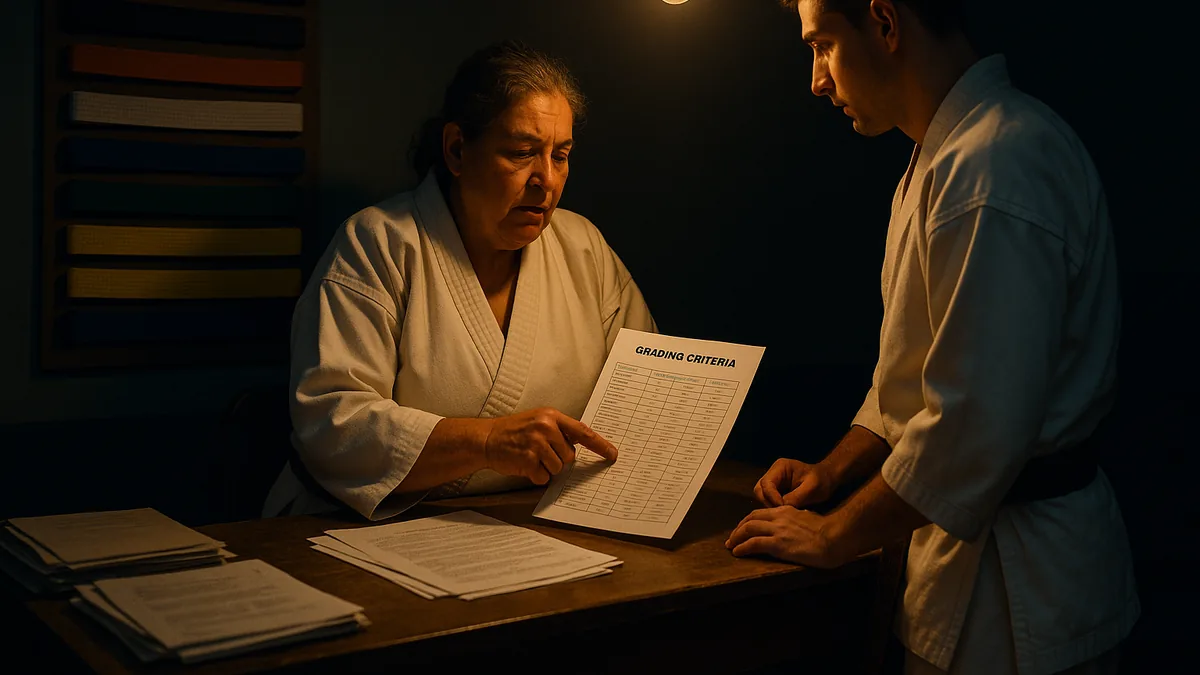
Transparency Isn’t Optional
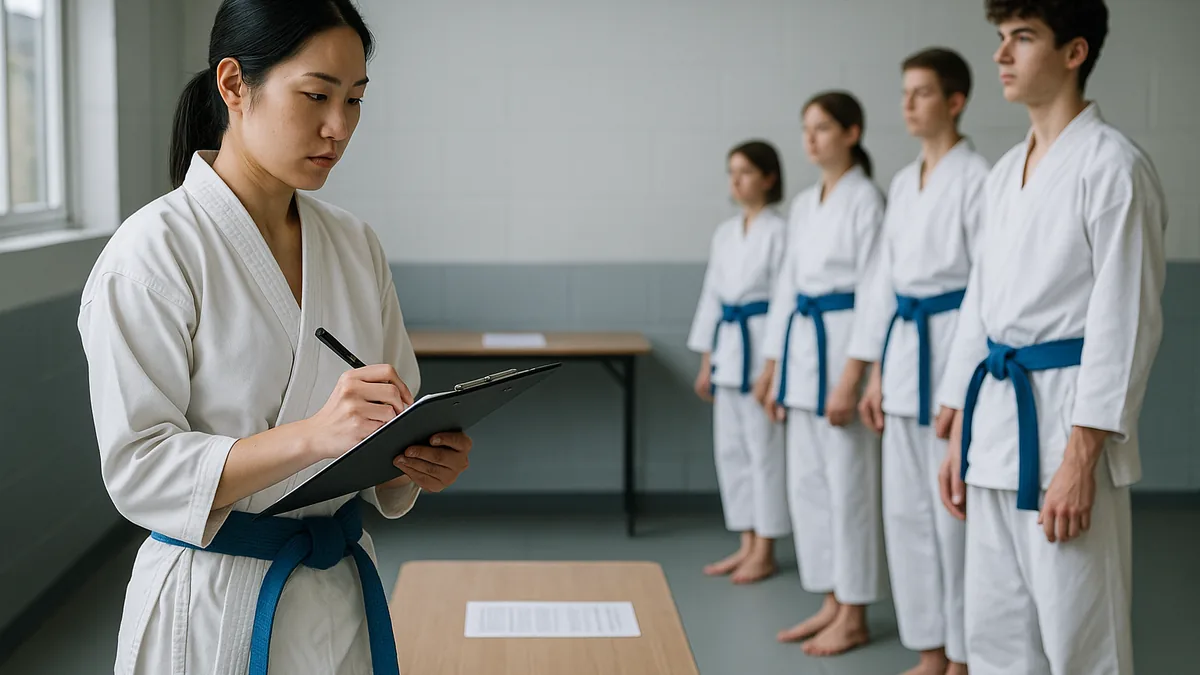
The single biggest failure I see in grading systems is the absence of clear criteria. Students train for months, show up on grading day, and genuinely don’t know what’s being assessed or why. They perform their kata, do some kihon, maybe a bit of kumite, and then wait for a result that feels arbitrary. When they fail, they don’t know what to fix. When they pass, they don’t know what they did right.
I’ve noticed this problem is worse in smaller dojos where everything runs on the instructor’s instinct. And to be fair, experienced instructors often do have good instincts. But instinct isn’t a system. If the only person who knows the standard is the person doing the grading, you don’t have a grading system - you have an audition.
What I tell students before their grading is this: if you can’t explain to a training partner what you’ll be assessed on, you’re not ready to grade. Not because the knowledge proves readiness, but because understanding the criteria is part of the preparation. It forces students to engage with what they’re actually training toward.
Transparent criteria also protects instructors. When a student fails and the criteria are written down and discussed openly, the conversation is much easier. The failure isn’t personal. It’s measured against something specific. I’ve been in situations where a student challenged a grading result and the instructor had nothing concrete to point to. That’s uncomfortable for everyone and it damages trust in the system.
What “Fair” Actually Means in a Dojo Context
Fair doesn’t mean identical. Two students grading for the same belt might need to demonstrate different things depending on their physical ability, age, or how long they’ve been training. A 50-year-old with a knee injury and a 20-year-old athlete shouldn’t be measured against exactly the same physical standard. What should be consistent is the rigour of the assessment and the honesty of the result.
I used to think fairness meant everyone doing the same test. My instructor at the time had a different view. He said fairness means everyone being assessed against their own potential. I didn’t fully agree with him then. I do now. What I’ve seen over the years is that rigid uniformity often benefits naturally athletic students and penalises everyone else - which isn’t a measure of karate ability, it’s a measure of athletic ability.
That said, there are non-negotiable standards. Certain techniques need to be present at certain grades. Timing, control, understanding of basic principles - these don’t get waived because someone has been training for years without getting there. A kind grading that passes someone who isn’t ready isn’t kind at all. It sets them up for a harder fall later.
If you’re thinking about what this looks like when you join a new club, the grading system is one of the first things worth paying attention to. How to Find a New Karate Club When You Move or Change Styles covers some of the practical questions to ask, and the grading structure tells you a lot about how seriously a dojo takes its own standards.
Grading as a Reflection of Real Progress
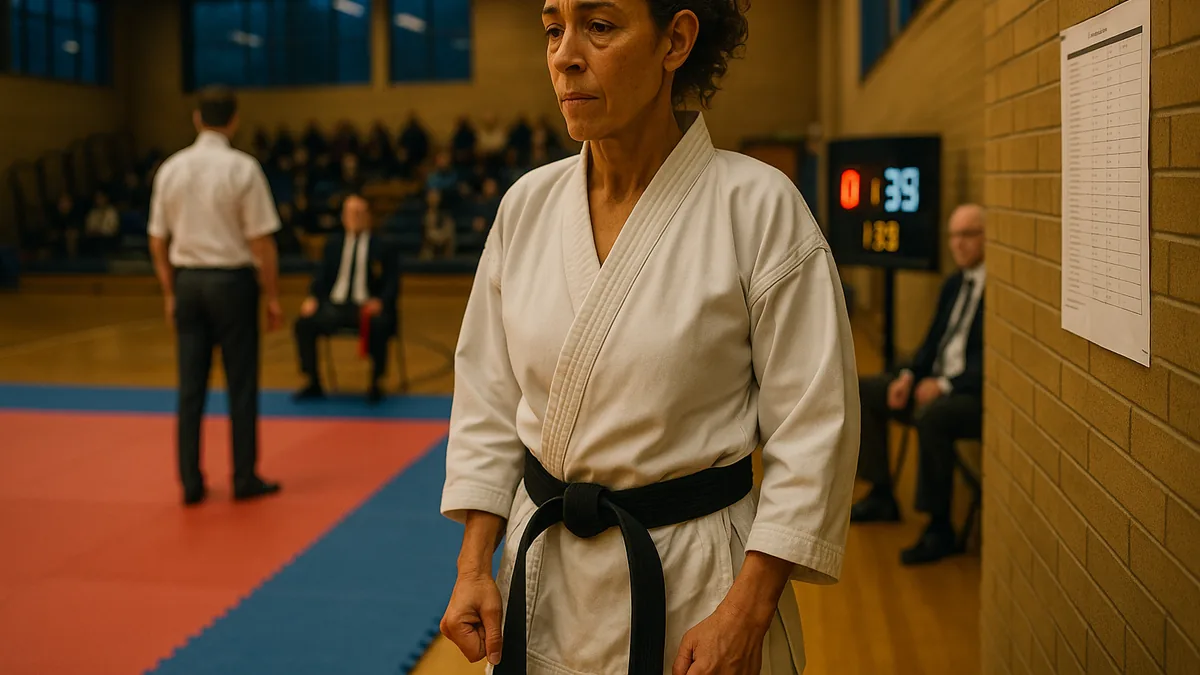
Here’s where I’ll be direct: a grading should be hard to pass. Not cruel, not designed to fail people, but genuinely difficult enough that passing it means something. The moment students start expecting to pass rather than hoping to pass, the belt loses its value.
I’ve seen dojos where the pass rate for every grading is essentially 100%. Every student who shows up gets through. The instructors justify this by saying they only enter students who are ready. That sounds reasonable until you realise that “ready” has been quietly redefined as “has been training long enough.” The technique hasn’t been held to account. The student hasn’t had to push.
The correction that actually works in these situations isn’t to fail more students - it’s to be more honest during regular training about where each student actually is. If a student is surprised by a grading failure, that’s a coaching problem as much as a student problem. They should have known. The grading result shouldn’t be news.
What a good grading does is confirm what the student and instructor already know. The preparation should be the hard part. The grading itself should feel like a performance of something you’ve already earned, not a gamble on whether today is a good day. You’ll feel the difference in your body during the grading - when you know the material is genuinely there, the nerves are different. They feel like focus rather than fear.
This connects to something I’ve written about elsewhere in the context of competition. If you’ve read Competing in Karate for the First Time: What Nobody Tells You, some of this will be familiar - the mental state going into a high-pressure assessment is something you can train, but only if the assessment actually has pressure attached to it.
Regular Assessment Keeps Standards Honest
One grading every six months isn’t a grading system. It’s two data points a year. In between, students can drift, pick up bad habits, and lose the sharpness they had when they last performed. Regular assessment - even informal, even just structured observation during class - is what keeps standards from slipping between gradings.
I’ve noticed that the dojos with the strongest technical standards tend to be the ones where instructors are giving constant, specific feedback rather than saving all evaluation for grading day. The grading is then a formal confirmation of something that’s been tracked continuously. Students know where they stand because they’ve been told, clearly and regularly, throughout their training.
This doesn’t mean formal assessments every month. It means building a culture where feedback is honest and specific, where students understand what they’re working on and why, and where the grading is a milestone rather than a mystery.
Returning to Karate After a Long Break: What to Expect touches on something relevant here - students coming back after time away often find that their grade no longer reflects their current level. A system with regular check-ins makes that gap easier to identify and address honestly, rather than letting it become an awkward conversation at grading time.
Community Perspective
This is one of those topics where practitioners genuinely disagree, and the disagreement often runs along stylistic lines. Traditional styles - Shotokan in particular - tend to favour stricter, more standardised grading criteria with a clear emphasis on technical precision. More pragmatic or sport-oriented approaches sometimes prioritise performance under pressure, sparring ability, or competitive results as part of the grade. Neither is obviously wrong, but they reflect different values about what a grade is supposed to represent.
There’s also a real tension between association-wide grading standards and what individual instructors actually apply in their dojo. I’ve seen students from the same association, graded to the same level, who are at completely different technical standards. The association standard exists on paper. What actually gets enforced depends on the instructor. That gap is where most of the frustration lives.
Karate Styles Compared: Shotokan, Goju-Ryu, Wado-Ryu, Shito-Ryu is worth reading if you’re trying to understand why grading expectations vary so much between clubs - a lot of it comes down to what each style prioritises technically, and that shapes what gets assessed and how.
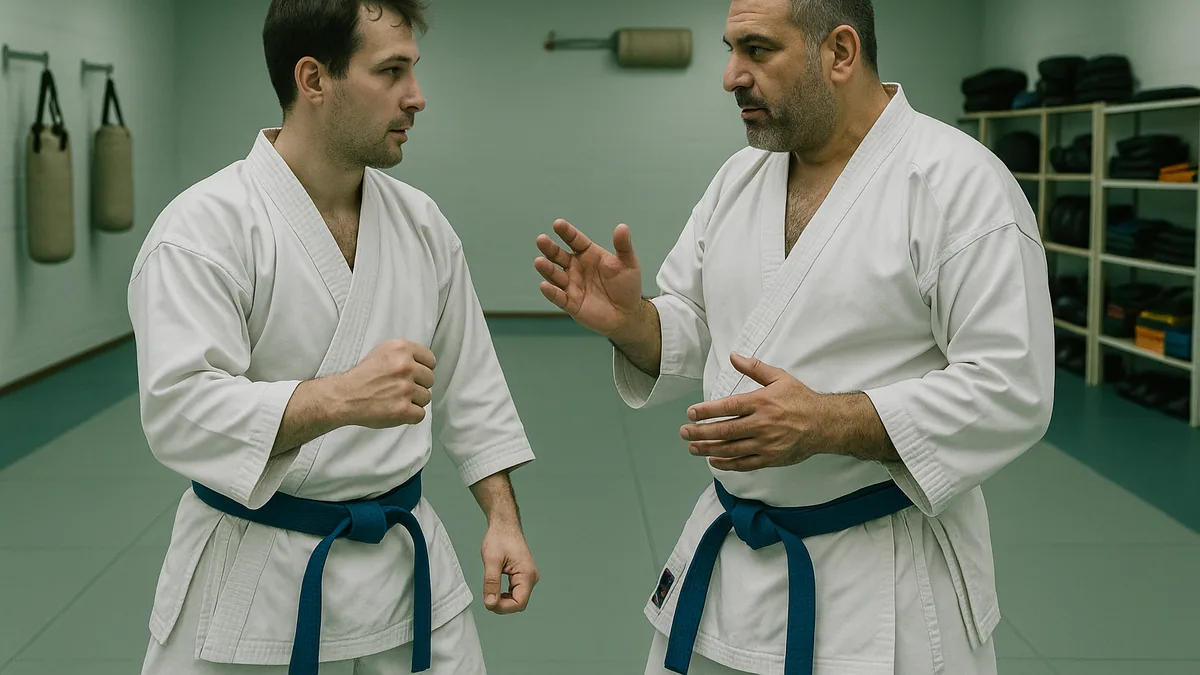
My own view, after training in several different dojos under instructors with very different approaches, is that the specific criteria matter less than the consistency and honesty with which they’re applied. A system that’s clear, fair, and actually enforced will produce better karateka than a technically sophisticated system that’s quietly ignored when it’s inconvenient.
Key Takeaways
- Write your grading criteria down and share them with students before they start preparing - if the standard only exists in the instructor’s head, it isn’t a standard
- A student who is surprised by a grading failure hasn’t been given honest feedback during training - that’s a coaching gap, not just a student gap
- Passing every student who shows up isn’t kindness - it’s a slow way of making the belt meaningless and setting students up for a harder realisation later
- Regular feedback during class is what keeps standards honest between gradings - two formal assessments a year isn’t enough data to track real progress
- Fair doesn’t mean identical - adjust for age and physical ability where appropriate, but never waive the core technical requirements that define the grade
- The grading should confirm what the student already knows about their level - if it feels like a gamble, the preparation process has failed
The weekly digest
New karate articles, once a week
One email every week with everything new on Karate Lifestyle. No spam; unsubscribe in one click.
We'll email you to confirm. See our privacy policy.