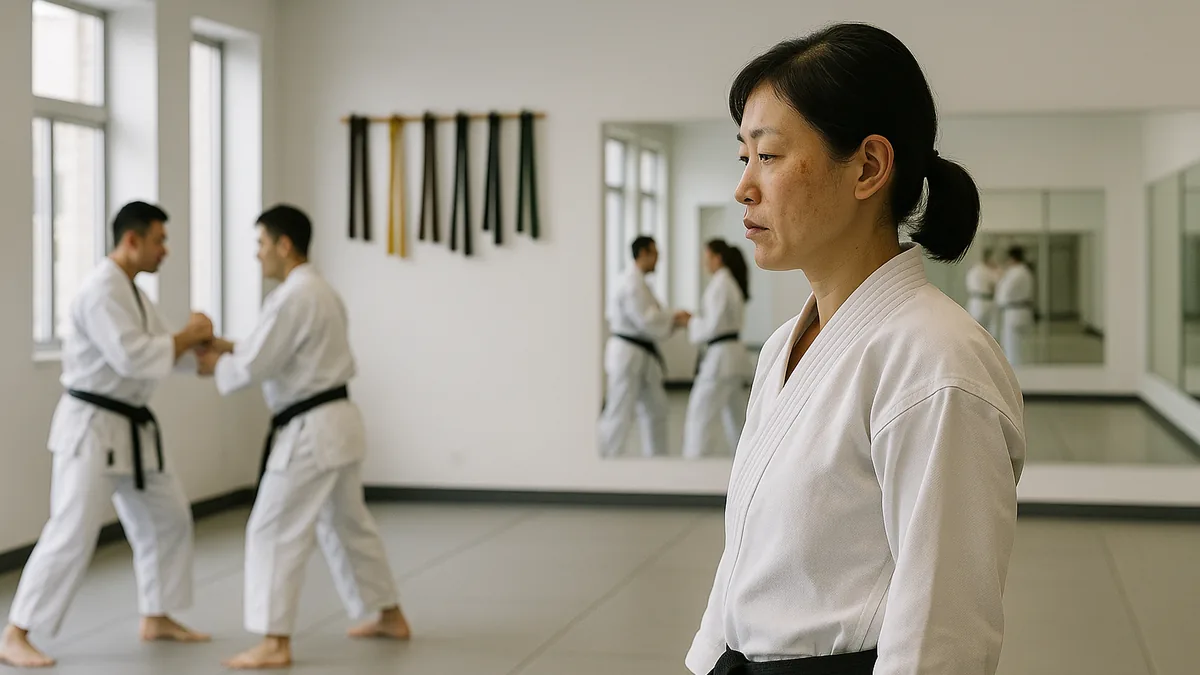
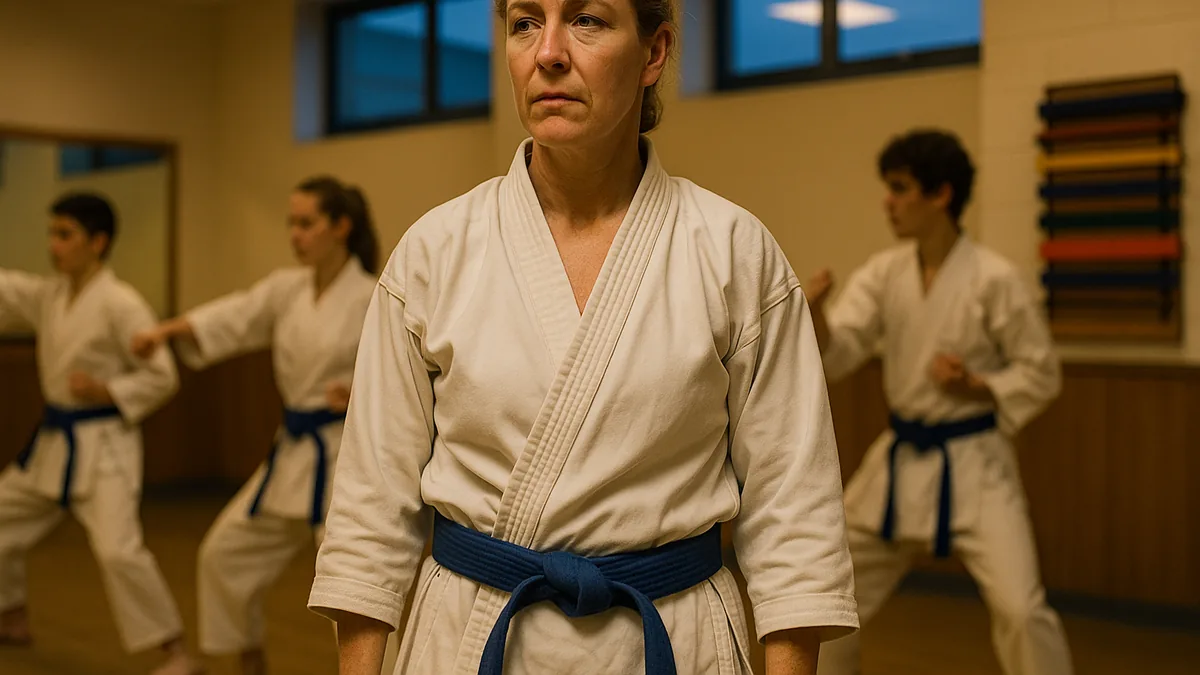
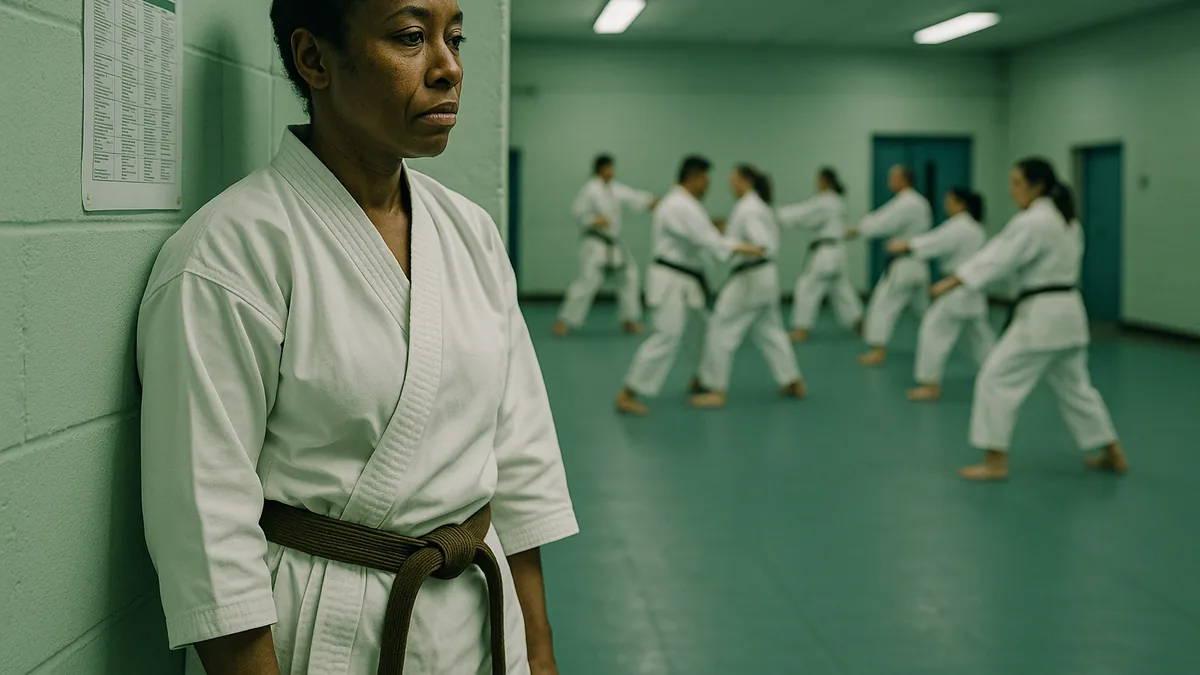
When Your Training Partner Gets Their Black Belt Before You: How to Handle It and Keep Training Together
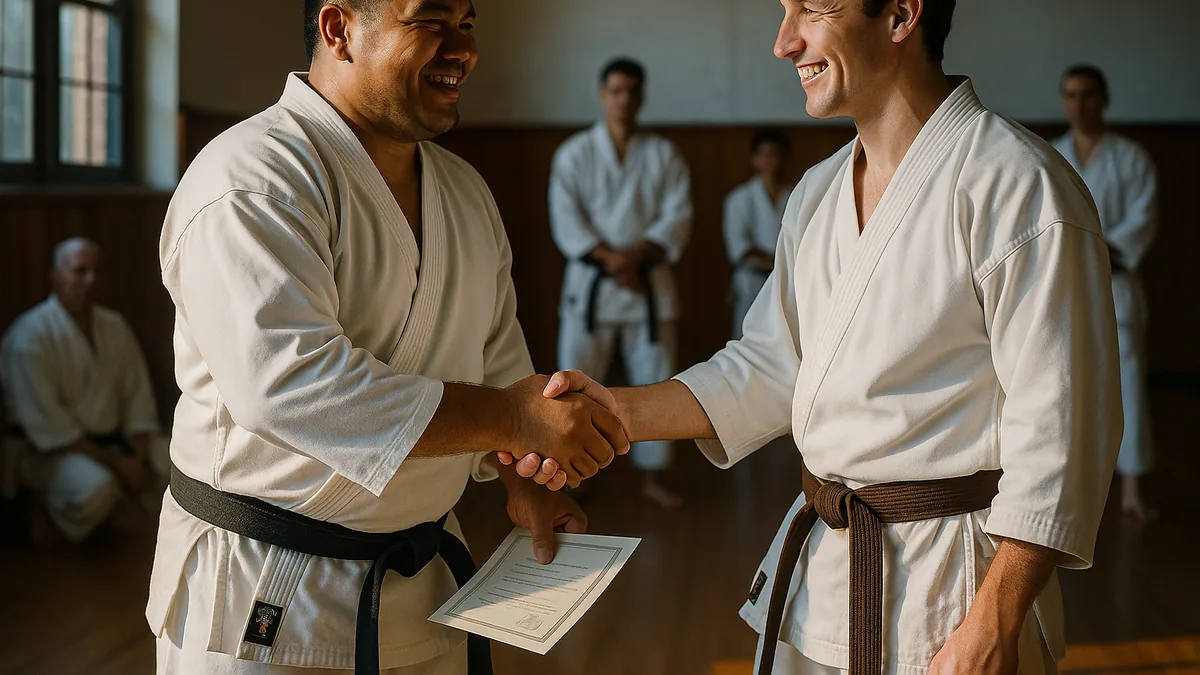
I’ve watched this play out more times than I can count. A training pair who’ve been working together for years - same grade, same struggles, same inside jokes about that one kata they both hate - and then one of them passes their shodan grading and the other doesn’t. What happens next tells you almost everything about who that person is, and who they’re going to become.
Most of the time, the person who didn’t pass handles it worse than they think they will. Not dramatically. Not in a way they’d even admit to. But there’s a quiet withdrawal. They train a little harder when their partner isn’t watching. They stop asking for feedback as freely. They start measuring every session against where their partner is now rather than where they themselves were six months ago. I’ve seen it pull apart training partnerships that had been genuinely valuable for both people. That’s the real loss - not the belt, but the relationship that made the training better.
So let’s talk about what actually helps.
The First Few Weeks Are the Hardest - and the Most Important
The grading result comes in. Your partner gets their black belt. You don’t. There’s a ceremony, maybe a celebration, and you’re expected to be happy for them. And you are - mostly. But there’s something else sitting underneath that, and pretending it isn’t there doesn’t make it go away.
I used to think the right move was to just push through it. Keep training, don’t make it weird, act like nothing changed. What I didn’t understand then was that suppressing it doesn’t resolve it - it just delays the point where it surfaces in a less useful way. The resentment I’ve seen build in students who “handled it fine” is often worse at the six-month mark than it would have been if they’d just been honest with themselves in the first week.
What I tell students in that situation is this: give yourself a few days to feel whatever you’re actually feeling. Disappointment, frustration, maybe something that feels uncomfortably close to jealousy. That’s not a character flaw. That’s a normal response to something that mattered to you not going the way you wanted. The problem isn’t feeling it - it’s what you do with it.
What you do with it is: you don’t take it into the dojo.
Celebrate It Like You Mean It - Because You Should
Your partner earned their black belt. That’s real. Whatever the grading criteria, whatever your instructor’s standards, they showed up and did what was asked of them. That deserves genuine acknowledgement, not the tight-smiled version you give when you’re holding something back.
I’ve noticed that the students who genuinely celebrate their partner’s achievement - not performatively, but actually - tend to recover their own training momentum faster. There’s something about fully releasing the comparison that frees you up to get back to work. The ones who half-celebrate and then quietly stew are the ones who drift.
Go to the celebration. Buy them a drink. Tell them specifically what you’ve seen them improve over the years you’ve trained together. That specificity matters - it’s not just politeness, it’s recognition. And recognition given generously, even when it costs you something emotionally, builds the kind of trust that makes a training partnership last.
The thing is, if you’ve been training together seriously, you probably know things about their karate that nobody else does. You’ve felt their punch tighten up over the years. You’ve been on the receiving end when their timing clicked. You have a front-row seat to what they actually achieved. Use that.
What You Actually Learn From This Situation
Here’s my honest take: being the one who didn’t pass, when handled well, can make you a better karateka than if you’d passed together. That’s not a consolation prize framing - I genuinely believe it.
When you’re forced to look at why your partner passed and you didn’t, you start asking questions you wouldn’t have asked if you’d both graded through. What did the instructor see that they were looking for? Where is your technique actually falling short, not just technically but under pressure? What does your partner do in kumite that you don’t do yet?
The biggest difference I see between students who use this moment well and students who waste it is specificity. The ones who waste it train harder in a general, unfocused way - more reps, more hours, more intensity, but pointed at nothing in particular. The ones who use it well go to their instructor and ask a direct question: what do I need to fix, and how will I know when I’ve fixed it?
That conversation is uncomfortable. Most students avoid it because they’re afraid the answer will be something they don’t want to hear. But you’ll feel the difference when you finally have it - there’s something that settles in your training when you stop guessing and start working on something specific. The uncertainty was costing you more energy than the actual work will.
If you’re finding it hard to stay motivated through this period, the approach I’d point you toward is in How to Stay Motivated in Karate When Progress Feels Invisible - particularly the part about separating process goals from outcome goals. That distinction matters a lot when your benchmark just shifted.
Keeping the Training Partnership Alive
This is where most people make the mistake they don’t see coming. They assume the dynamic between them and their partner will stay the same after the grading. It won’t. It can’t. The relationship changes whether you want it to or not - the question is whether it changes into something useful or something that quietly poisons both your training.
I’ve noticed that the partnerships which survive this moment are the ones where both people talk about it directly, early, and without making it bigger than it needs to be. Not a long emotional conversation - just an honest one. Something like: “This is a bit weird for me and I wanted to say that out loud rather than let it sit.” That’s enough. Most training partners will meet that honesty with relief, because they’ve been feeling the awkwardness too.
The practical side of this matters as well. Your partner is now a shodan. Depending on your dojo culture, that might mean they’re expected to help with teaching, or that they’re training in different sessions, or that the instructor pairs them differently in kumite. If your training time together changes structurally, talk about how you want to handle it rather than letting it drift.
One thing I’d push back on is the idea that the senior partner should now “look after” the junior one in a way that changes the dynamic of the relationship. I’ve seen this go wrong. The shodan starts coaching when what was asked for was a training partner. The junior student starts deferring when they should be pushing back. The sparring gets softer because neither person wants to make it weird. That’s how you lose a good training partnership to politeness.
Keep training together the way you trained before. The belt doesn’t change what you both know about each other’s karate. If anything, lean into that familiarity - it’s the thing that makes training with a long-term partner genuinely valuable in ways that new partnerships can’t replicate quickly. You know each other’s habits, tendencies, the techniques they reach for under pressure. That’s hard-won knowledge. Don’t waste it.
If you’re navigating a broader shift in your dojo environment at the same time - instructor changes, club restructuring - the principles in How to Keep Training Seriously When Your Instructor Moves On or the Club Folds are worth reading alongside this. The thread running through both situations is the same: external circumstances change, and your job is to protect the training itself.
Community Perspective
This is one of those topics where dojos handle it very differently, and I think it’s worth being honest about that rather than pretending there’s one right approach.
In some traditional dojos, the belt hierarchy is taken seriously enough that a new shodan is expected to carry themselves differently - more formal in the dojo, more distance from junior grades during training. In that environment, a training partnership that was peer-to-peer before the grading is expected to shift, and both parties understand that going in. There’s a logic to it, and it can work if everyone accepts the framework.
In other dojos - and this is more common in clubs with a competitive or sport karate background - the belt is treated more as an administrative marker than a social one. Training partners stay training partners, the dynamic doesn’t change much, and the emphasis is on what you can do rather than what you’re wearing. I’ve trained in both environments, and honestly, I think the truth sits somewhere between them.
What I’d say is this: know your dojo culture and work within it, but don’t let the culture be an excuse to avoid the actual emotional work of navigating the situation. Whether your dojo is formal or relaxed, the feelings are the same. The difference is just how much the structure gives you a framework to manage them.
There’s also a version of this that comes up specifically around ego - the new shodan who handles their grading well but then slowly starts positioning themselves above their former peers in ways that aren’t warranted. That’s a different problem, and one worth naming. If you’re the new shodan reading this, Karate and Ego: How to Train Hard Without Becoming Someone Your Club Dreads is worth your time.
Key Takeaways
- Feel what you feel, then leave it outside the dojo. Disappointment is valid. Letting it follow you onto the mat is where it becomes a problem.
- Celebrate your partner’s achievement with specificity. Tell them what you’ve actually seen improve. It costs you something and it’s worth it.
- Ask your instructor a direct question about what you need to fix. Not “how am I doing” - something specific. The answer will give your training direction it probably lacks right now.
- Talk to your training partner about the shift early and plainly. One honest conversation is worth six months of carefully managed awkwardness.
- Keep training together the way you trained before. Don’t let politeness or deference soften the work. The familiarity is the asset - protect it.
- Separate your progress from their timeline. You’re not running the same race. You never were. The sooner that feels true rather than just logical, the better your training gets.
The weekly digest
New karate articles, once a week
One email every week with everything new on Karate Lifestyle. No spam; unsubscribe in one click.
We'll email you to confirm. See our privacy policy.