How to Train When You Are the Most Senior Student in the Room: The Problems Nobody Prepares You For
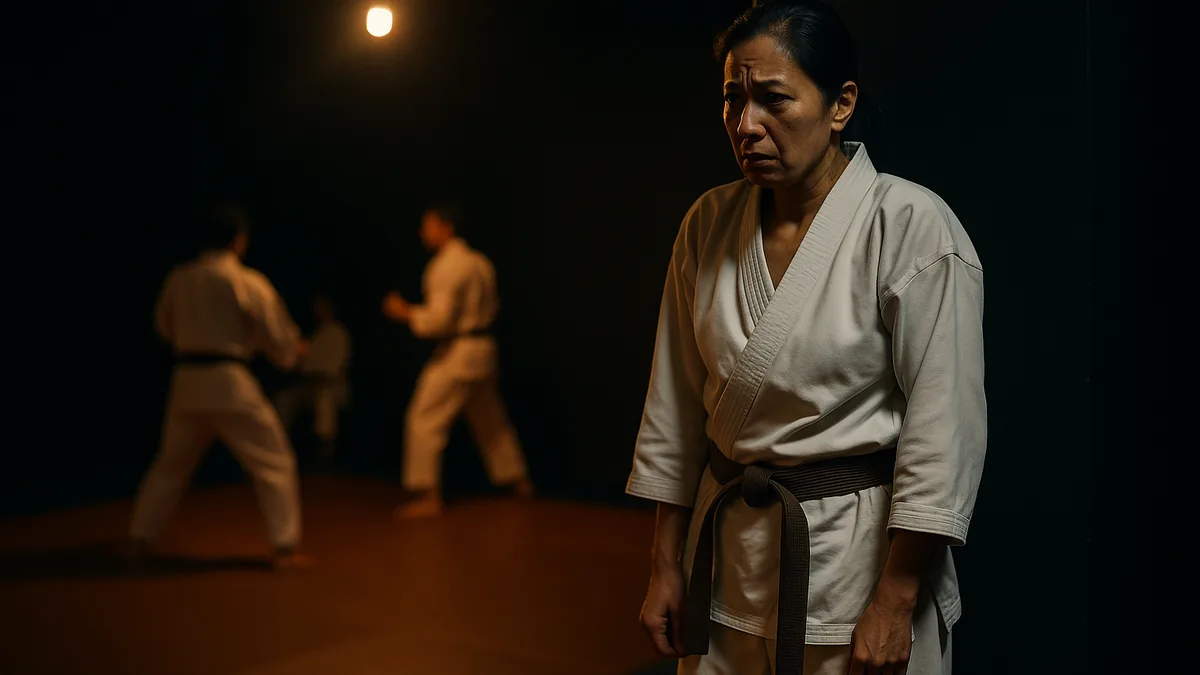
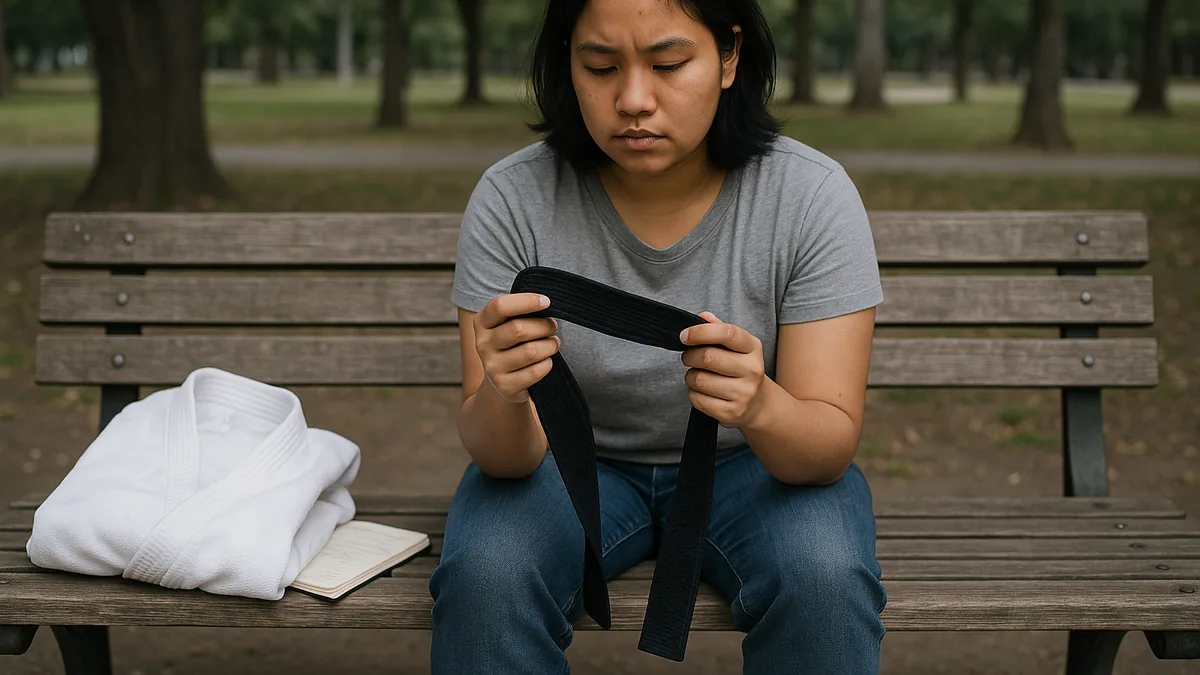
The class finishes. Everyone bows out. The junior students start rolling up their belts and chatting near the door. And you stand there, the most senior person in the room, wondering what just happened to your training.
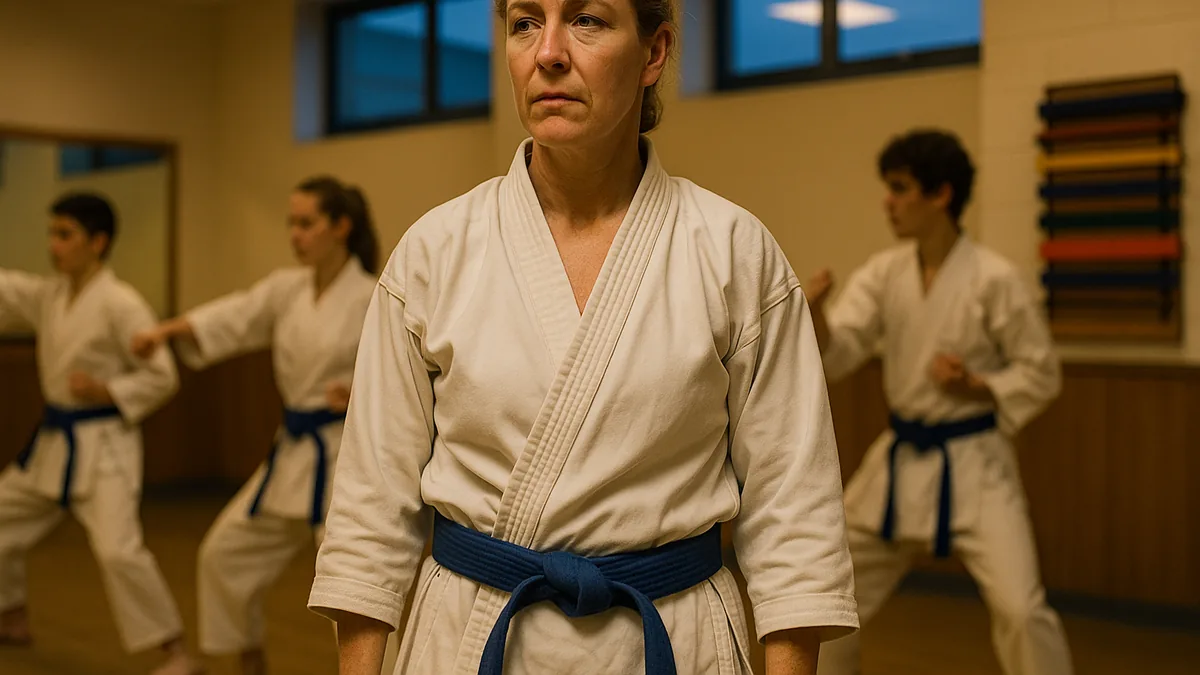
Nobody tells you this is coming. You work for years to get to a high kyu grade or your shodan, and somewhere along the way the dynamic shifts. Suddenly you’re the one being watched. Newer students copy your stances. Your instructor asks you to lead warm-ups or work with the white belts. And if you’re not careful, your own training quietly disappears into the background while you spend every session managing everyone else.
I’ve been in that position more than once, across different clubs and under different instructors. The first time it happened, I thought I was handling it well. I wasn’t. I was doing a lot of demonstrating and very little training. My own technique stagnated for the better part of a year before I noticed.
Here’s what nobody prepares you for.
The Mentor Trap - And How to Avoid Falling Into It Completely
There’s a version of senior student that the dojo needs, and there’s a version that’s quietly giving up on their own development. The line between them is thinner than most people think.
What I tell students when they reach this point is: mentoring is part of your training now, but it is not a replacement for it. These are two separate things, and you have to protect both.
The trap looks like this. A white belt is struggling with their gedan barai. You step in, correct them, spend five minutes working through it together. Good instinct. But then the next drill starts and you’re still watching them instead of doing your own reps. Then someone else needs help. Then you’re adjusting stances across the whole line. By the end of class, you’ve done maybe a third of the actual training volume everyone else did.
I’ve noticed this pattern in almost every senior student I’ve trained alongside. It comes from a good place - you want to help, you can see the errors, and frankly it feels productive. But you’re borrowing from your own development to fund someone else’s, and that debt accumulates.
The correction I’d give here is simple but requires discipline: set a mental boundary at the start of each session. You are a student first. If your instructor hasn’t specifically asked you to teach, your default is to train. Help when it’s genuinely needed, but return to your own work immediately. Don’t let a two-minute correction become a ten-minute coaching session unless that’s what the session calls for.
The mentoring role is real and valuable - I’m not dismissing it. But you have to earn the right to teach by continuing to improve yourself. The moment your own technique starts sliding because you’re too busy watching everyone else, you’re not actually helping anyone.
Your Own Feedback Loop Has Broken - And You Probably Haven’t Noticed
Here’s the thing that took me years to understand. When you’re a junior student, feedback is constant. Your instructor corrects you, senior students demonstrate what you’re aiming for, and you can feel the gap between where you are and where you need to be. That gap is uncomfortable, but it’s useful. It tells you exactly what to work on.
When you become the most senior person in the room, that feedback loop breaks. Your instructor may not be there every session. The students around you can’t tell you what’s wrong with your technique - they don’t have the eye for it yet. And if you’re not careful, you start training in a vacuum, reinforcing whatever habits you’ve already built, good or bad.
I had an instructor who used to say: “The most dangerous student is the one who thinks they’ve arrived.” I heard that phrase probably fifty times before I understood what it actually meant. It’s not about arrogance. It’s about the loss of honest feedback. You stop being corrected not because you’re perfect, but because there’s no one left in the room who can see what’s wrong.
What actually changed my understanding was attending a seminar with a visiting instructor from a different association. He watched me do a basic combination and immediately identified a flaw in my hikite that I’d had for years. My regular training partners had stopped seeing it because they were used to it. I’d stopped feeling it because it had become my normal.
Seek feedback from outside your usual training environment. Attend seminars. Visit other clubs. If you have training partners at a similar level who train elsewhere, swap sessions occasionally. And specifically ask for criticism - not “how was that?” but “what’s wrong with it?” Those are very different questions.
If your usual club or instructor situation has changed, the advice in how to keep training seriously when your instructor moves on or the club folds is directly relevant here. The problem of losing your feedback source isn’t unique to instructor loss - it happens gradually as you rise through the ranks too.
The Ego Problem Nobody Talks About Honestly
I want to be direct about this because I’ve seen it go wrong in both directions.
The obvious ego problem is the senior student who becomes insufferable - correcting everyone, dominating class discussions, treating their own interpretation of technique as the only valid one. If you’ve trained long enough, you’ve met this person. Don’t become this person. There’s a whole conversation worth having about that, and karate and ego: how to train hard without becoming someone your club dreads covers it well.
But there’s a less obvious ego problem that I think is actually more common among genuinely conscientious senior students: the ego of false humility.
This looks like constantly deferring, refusing to demonstrate confidently, downplaying your own knowledge to the point where you’re not actually useful to anyone. I’ve seen senior students so worried about appearing arrogant that they hedge everything they say, apologise for their corrections, and undermine their own credibility in the process. A white belt doesn’t need you to say “well, I think the stance might possibly be a bit wide, but I could be wrong.” They need you to say “your stance is too wide - move your back foot here.”
Confidence in what you know is not arrogance. Pretending you know things you don’t - that’s where the problem starts.
The balance I’ve landed on, after getting this wrong in both directions: be definitive about the things you genuinely understand, honest about the things you’re still working on, and clear about the difference between the two. Students respect that. They can tell when you’re performing humility as much as when you’re performing superiority.
What Staying Humble Actually Looks Like in Practice
Humility in training isn’t an attitude. It’s a behaviour. And the specific behaviour that matters most at this stage is this: keep putting yourself in positions where you can be wrong.
That means:
- Grading when you’re eligible, even when you’re nervous about it
- Asking your instructor to watch your kata and give you a hard critique, not a reassuring one
- Sparring with people who push you, not just people you’re comfortable with
- Attending training outside your home dojo regularly enough that you can’t coast on familiarity
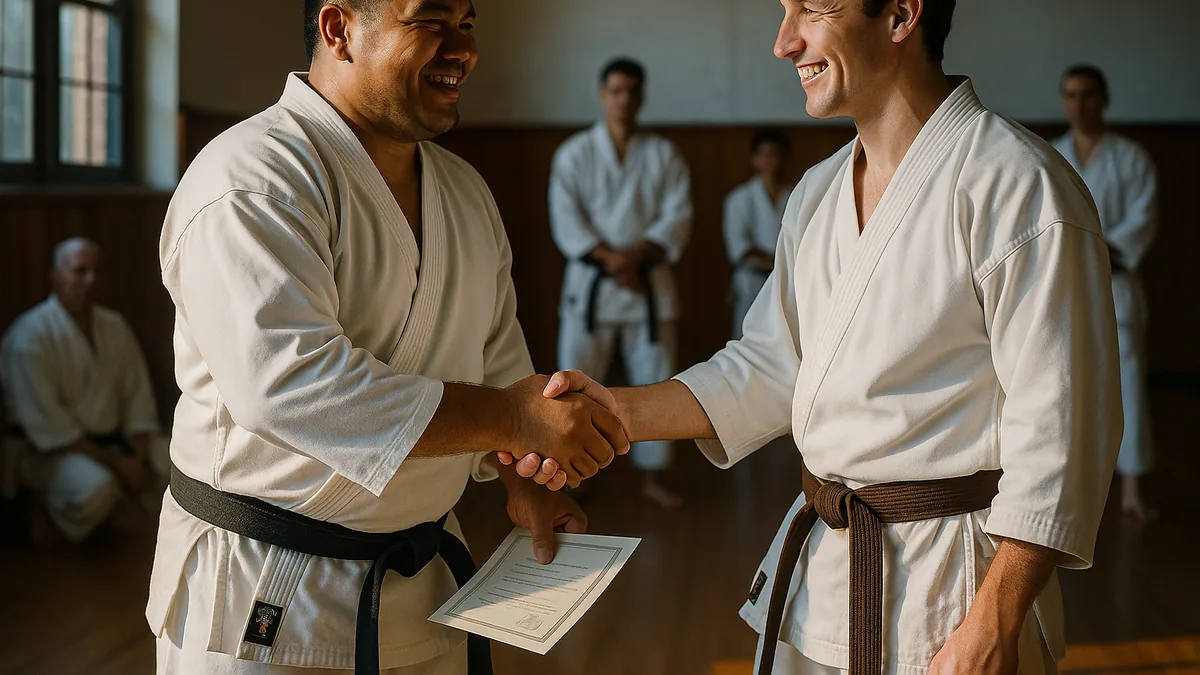
I’ve noticed that senior students often stop grading because they don’t want to be seen to fail. I understand that instinct completely. But grading is one of the few formal mechanisms that forces external evaluation of your actual standard. Avoiding it to protect your reputation is exactly backwards.
If progress is feeling invisible to you right now - if you’re putting in the hours but can’t tell whether you’re actually improving - the problem is usually that your training has become too comfortable. How to stay motivated in karate when progress feels invisible goes into this in more depth, but the short version is: discomfort is the signal that you’re still growing. When everything feels fine, you’re probably plateauing.
Common Mistakes I See Senior Students Make
Teaching instead of training. Already covered this, but it’s the most common one by a significant margin. You can mentor and still train hard. They’re not mutually exclusive, but you have to be intentional about protecting your own mat time.
Doing kata on autopilot. This one is subtle. By the time you’re the most senior student in the room, you’ve done your kata hundreds of times. That familiarity breeds a kind of comfortable numbness. You go through the sequence without really being in it. The correction that makes the biggest difference here is to deliberately slow down and find the application in every movement. If you can’t tell me what a specific transition in your kata is for, you don’t know that kata as well as you think you do.
Stopping jiyu-kumite because it’s uncomfortable. I’ve watched senior students quietly phase out free sparring as they get older or more senior, replacing it with controlled partner work that never really challenges them. I get it - the risk feels higher, the recovery takes longer. But if you stop sparring, you stop testing. And if you stop testing, you stop knowing. What I tell students is that you can adjust how you spar without stopping altogether. Lighter contact, slower pace, specific constraints - fine. But stay in it.
Assuming they’ve figured out what they need to work on. Junior students get told what to fix. Senior students have to find it themselves, and most of them aren’t looking hard enough. After every session, ask yourself one specific question: what was the weakest thing I did today? Not “how did I do overall” - that’s too easy to answer generously. What was the weakest thing? Work on that next session.
Community Perspective
There’s genuine disagreement in most dojos about how much senior students should be teaching versus training. Some instructors actively want their senior students leading drills and working with beginners - they see it as part of the senior student’s development, a way of deepening understanding by having to articulate it. Other instructors are protective of their students’ training time and would rather the seniors focus on their own practice.
I’ve trained under both approaches and I think the truth is somewhere in the middle, but it depends heavily on the student. Some people genuinely deepen their own understanding by teaching. Others use it as a way to avoid the harder work of continuing to improve. The honest question to ask yourself is which one you are.
There’s also real variation between associations and styles on what senior student status actually means. In some clubs, a brown belt is expected to assist with instruction regularly. In others, that responsibility doesn’t come until shodan or beyond. If you’re training as a parent alongside your child, this dynamic gets even more complicated - training karate as a parent: how to stay serious about your own practice when your child joins the same club deals with a specific version of this problem that’s worth reading if that’s your situation.
What I’ve found consistent across all of it is this: the senior students who kept improving were the ones who stayed genuinely curious about their own technique. Not satisfied, not defensive, not performing confidence they didn’t have. Curious. Still asking questions. Still willing to be wrong.
That’s the thing that actually separates the ones who plateau from the ones who don’t.
Key Takeaways
- Protect your own training time deliberately - helping a junior student is not the same as training, and one should not routinely replace the other
- Seek honest feedback from outside your usual training environment regularly; familiarity makes flaws invisible to the people around you
- Be definitive about what you know and honest about what you don’t - that combination is more useful to students than either false confidence or performed humility
- Keep putting yourself in positions where you can be evaluated and found wanting - grading, seminars, sparring with people who push you
- After every session, identify the weakest specific thing you did - not your overall performance, the weakest thing - and make that your focus
- Stay in jiyu-kumite, even if you adjust how you do it; the moment you stop testing yourself against a resisting partner, you stop knowing what your technique actually does
The weekly digest
New karate articles, once a week
One email every week with everything new on Karate Lifestyle. No spam; unsubscribe in one click.
We'll email you to confirm. See our privacy policy.