Karate Bag Buyer's Guide: What to Look For and What Most Practitioners Overlook
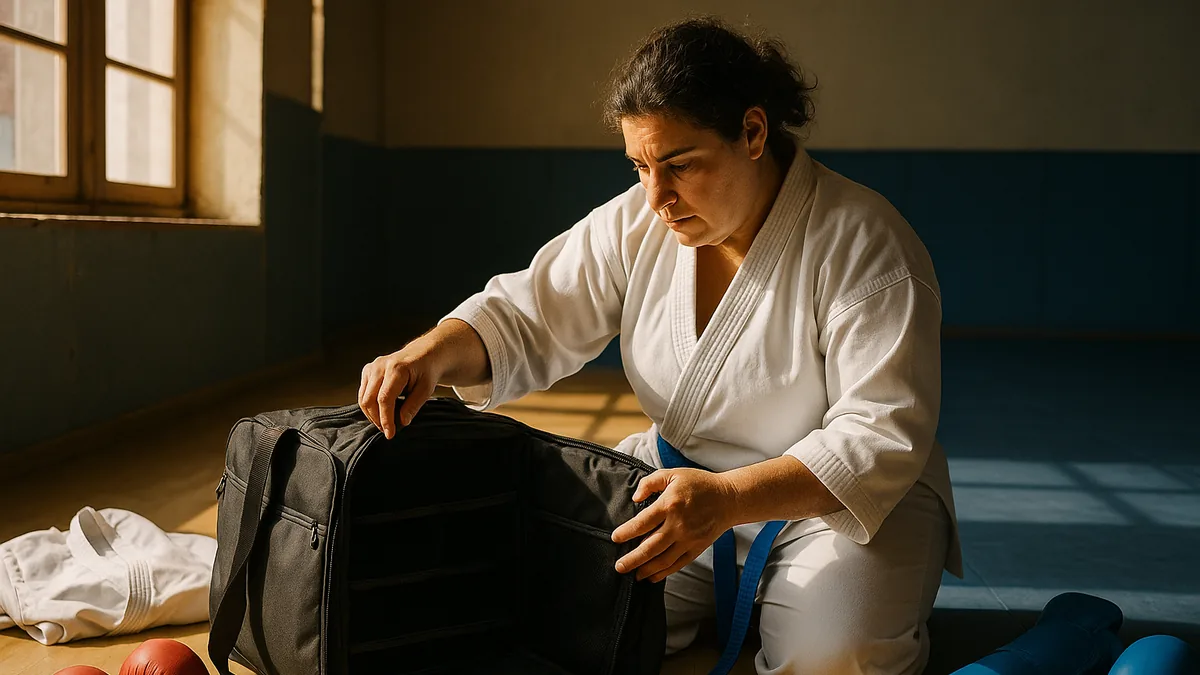
Most people buy their first karate bag the same way they buy a gym bag - they grab whatever looks big enough, has a decent price tag, and comes in black. I’ve watched students show up to class with everything from hiking backpacks to reusable shopping bags. And honestly, for the first few weeks, that’s fine. But the moment your kit starts expanding - gi, belt, sparring gloves, shin guards, mouthguard, water bottle, maybe a second gi for gradings - you realise pretty quickly that you need something built for the job.
The problem is most people don’t know what “built for the job” actually means for karate. A football bag won’t cut it. A swimming bag definitely won’t. And the generic martial arts bags you see on Amazon for twelve pounds are usually garbage that falls apart within six months. I know because I’ve bought them, and I’ve watched students show up with split seams and broken zips at the worst possible times - like the morning of a grading.
So let’s talk about what actually matters when you’re choosing a bag, and what most people miss entirely.
Size and Capacity: Think About What You’ll Actually Carry
The single biggest mistake I see is people buying for their current kit, not their kit in twelve months. You walk into a sports shop, you’ve got a gi and a belt, you try a medium bag, it fits fine, job done. Then six months later you’re doing contact work and you’ve got gloves, shin pads, a mouthguard, foot protectors, and maybe a second gi - and suddenly that bag is bursting at the seams every session.
What I tell students is this: buy one size bigger than you think you need. Every time. It sounds obvious but almost nobody does it.
What you need to fit comfortably, once you’re properly kitted out:
- One or two gi (a full gi folds down smaller than you think, but it’s still bulky when damp)
- Belt
- Sparring gloves - WKF-style mitts or bag gloves depending on your training
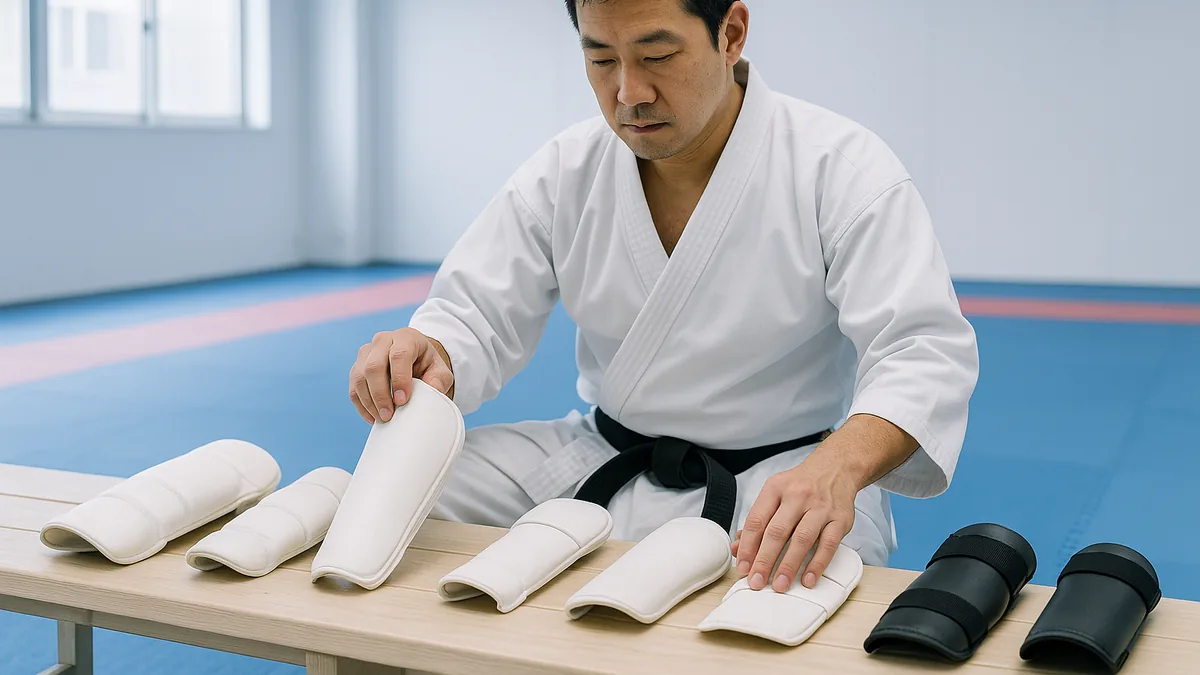
- Shin guards
- Foot protectors
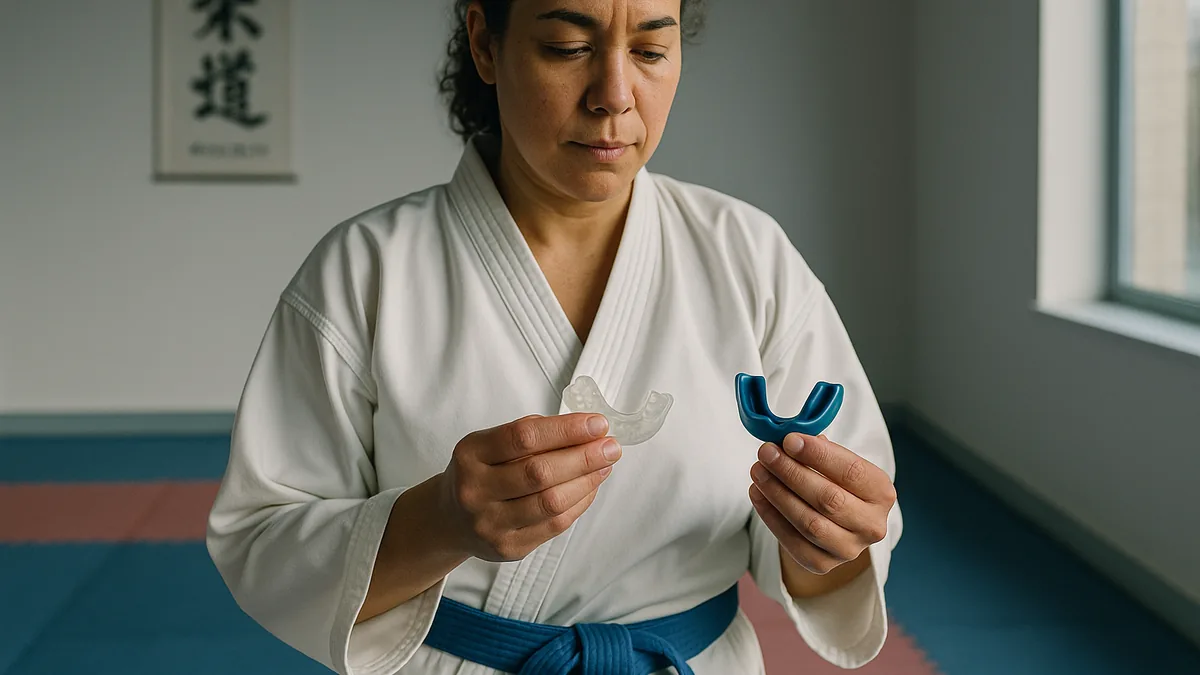
- Mouthguard and case
- Water bottle - a full 1.5 litre bottle takes up more room than people expect
- Towel
- Flip flops or karate shoes if you use them
- Any additional protective gear - groin guard, chest protector for women, headgear
That list is not unusual for someone training three or four times a week at an active dojo. You’re looking at a bag that needs to be at least 60 litres if you want to carry everything without stuffing it like a suitcase. I’d go 70-80 litres for anyone doing regular contact training or competing.
The other thing people overlook is internal organisation. A single cavernous space sounds good until you’re digging through damp shin guards to find your mouthguard case at the bottom. Look for bags with at least one large main compartment, a separate ventilated pocket for wet or used gear, and a few smaller pockets for your keys, phone, and the small stuff that always gets lost.
I’ve seen students lose mouthguards in the bottom of their bags for weeks. That’s not a minor inconvenience - a mouthguard sitting loose in a bag with wet kit is a hygiene problem. A dedicated pocket fixes that immediately.
Durability and Material: Where Cheap Bags Actually Fail
The handles go first. Always. I’ve seen it so many times that I now check handle stitching before anything else when I’m looking at a bag. If the handles are stitched only at the attachment points and not reinforced along the length where they join the bag body, that bag will fail within a year of regular use. Probably faster if you’re loading it heavy.
The second failure point is the zip. Cheap zips on cheap bags feel fine in the shop and start snagging within a few months. Once a zip starts snagging, it’s only a matter of time before it fails completely - usually at a moment when you’re in a hurry. I had a student once who arrived at a regional competition with a broken main zip and had to borrow a belt from another competitor because he couldn’t get into his bag properly. Not ideal.
What to look for in terms of materials:
- 600D polyester or higher - this is the baseline for anything worth buying. 300D tears. 600D holds up. 1000D is excellent if you can find it at a reasonable price
- Reinforced base - bags get put down on wet changing room floors, car boots, dojo floors. The base takes more punishment than any other part. It should be thicker material or have a rubberised panel
- YKK zips or equivalent - you’ll see this mentioned a lot and it’s genuinely worth checking. YKK is a zip manufacturer and their zips are significantly more reliable than the generic alternatives. Not all good bags have them, but it’s a positive sign
- Double-stitched seams - run your hand along the seams of any bag you’re considering. If the stitching feels thin or you can see it pulling at stress points, walk away
The same logic applies here as it does with gi - you can read more about that in the piece on whether cheap karate gi actually hold up. The pattern is consistent across equipment: the budget option looks fine at first and costs you more in replacements over time.
I prefer canvas-style bags over pure nylon for one reason - they tend to hold their structure better when partially empty. A pure nylon bag that’s half-full collapses into itself and things shift around constantly. A stiffer canvas or heavy polyester blend keeps its shape. That sounds minor but it makes a real difference when you’re trying to pack quickly after training.
Comfort and Carrying: The Part Everyone Ignores Until It Hurts
Here’s something I’ve noticed over years of training: the people who consistently show up to class well-prepared and organised are almost always the people who have sorted out their kit management. And a huge part of that is how easy it is to carry their bag.
If your bag is uncomfortable to carry, you’ll start leaving things at home. You’ll decide you don’t need the shin guards tonight, or you’ll skip bringing a second gi. And that starts affecting your training. It sounds like a stretch but I’ve watched it happen repeatedly.
The carrying comfort question comes down to a few things:
Shoulder straps vs handles vs backpack straps
Most dedicated karate bags are duffel-style with two carrying handles and a detachable or fixed shoulder strap. That’s fine for short distances. But if you’re walking any distance - from a car park, on public transport, between venues at a tournament - a single shoulder strap with 15+ kilos of kit is genuinely unpleasant. You’ll feel it through your traps and neck after about ten minutes.
The best option for anyone carrying heavy kit regularly is a bag with proper backpack straps that can be tucked away when not in use. These are increasingly common on martial arts-specific bags. The straps distribute the weight across your back and shoulders properly, and you’ll feel the difference immediately - it feels like carrying a rucksack rather than lugging a weight on one side of your body.
I’d recommend this setup for anyone who trains more than twice a week or who travels to tournaments. The extra cost is worth it.
Padding on the straps and handles
Thin unpadded handles cut into your hands when the bag is loaded. This is one of those things that feels like a minor detail until you’ve walked any distance with a full bag and your palms are red. Padded handles are a basic quality indicator. Padded shoulder straps matter even more.
Base feet
Some bags have small rubber feet on the base to keep them off wet floors. This sounds trivial. It isn’t. Changing room floors are often wet. If your bag sits directly on them, the base gets soaked and that moisture works its way into your kit. Rubber feet keep the bag elevated by a centimetre or two and that’s enough to make a difference.
Ventilation: The Feature That Actually Protects Your Gear
Damp kit in a sealed bag is how you end up with gear that smells permanently terrible and degrades faster than it should. Sparring gloves especially - if they go into a closed bag immediately after training and stay there, the smell becomes almost impossible to remove. I’ve seen students throw away perfectly functional gloves because of this.
The correction is simple: a bag with a ventilated section. This is usually a mesh panel on one end or a separate zipped compartment with mesh sides that allows air circulation. You put your used gloves, damp gi, and wet foot protectors in there. Everything else goes in the main compartment. Air gets to the wet gear on the way home and it dries faster.
Not every bag has this. It should be a deciding factor if you’re choosing between two otherwise similar options.
If you’re investing in focus mitts or Thai pads for partner work, this matters even more - that equipment is expensive and damp storage destroys it faster than anything else.
Community Perspective
There’s a genuine split in how dojos approach this. Traditional clubs often have a “one bag, everything goes in” mentality - keep it simple, keep it clean, don’t overthink your kit. And there’s something to that. I’ve trained with senior practitioners who’ve used the same basic holdall for twenty years and their kit is immaculate because they’re disciplined about airing it out after every session.
The counter-argument, which I lean towards, is that good equipment makes good habits easier. If the bag has a ventilated pocket, you’re more likely to separate your wet gear without having to think about it. If the bag is comfortable to carry, you’re more likely to bring everything you need. The bag doesn’t replace discipline - but it does reduce friction.
There’s also a debate about branded martial arts bags versus generic sports bags. Some practitioners feel the martial arts branding is unnecessary and you’re paying for a logo. That’s sometimes true. But the better martial arts-specific bags are actually designed around the dimensions of protective gear, which generic sports bags aren’t. A bag designed to fit sparring gloves and shin guards alongside a gi is laid out differently to a standard gym bag, and that difference is real once you’re trying to pack quickly after class.
Key Takeaways
- Buy bigger than you think you need - your kit will grow, and a bag that fits everything now will be too small within a year if you’re training consistently
- Check the handles and zips first - these are the first failure points on cheap bags; reinforced handle attachment and quality zips are worth paying for
- Prioritise a ventilated compartment - damp gear in a sealed bag destroys equipment and creates hygiene problems; this feature should be non-negotiable
- Backpack straps matter if you carry any distance - a single shoulder strap with heavy kit causes real discomfort over time and you’ll start leaving gear at home to compensate
- 600D polyester minimum, reinforced base - anything lighter will tear at stress points within months of regular use
- Organisation saves time and protects gear - dedicated pockets for mouthguard, phone, and keys aren’t a luxury; they’re what keeps small expensive items from getting lost or damaged
The weekly digest
New karate articles, once a week
One email every week with everything new on Karate Lifestyle. No spam; unsubscribe in one click.
We'll email you to confirm. See our privacy policy.