Karate Sparring Gear Guide
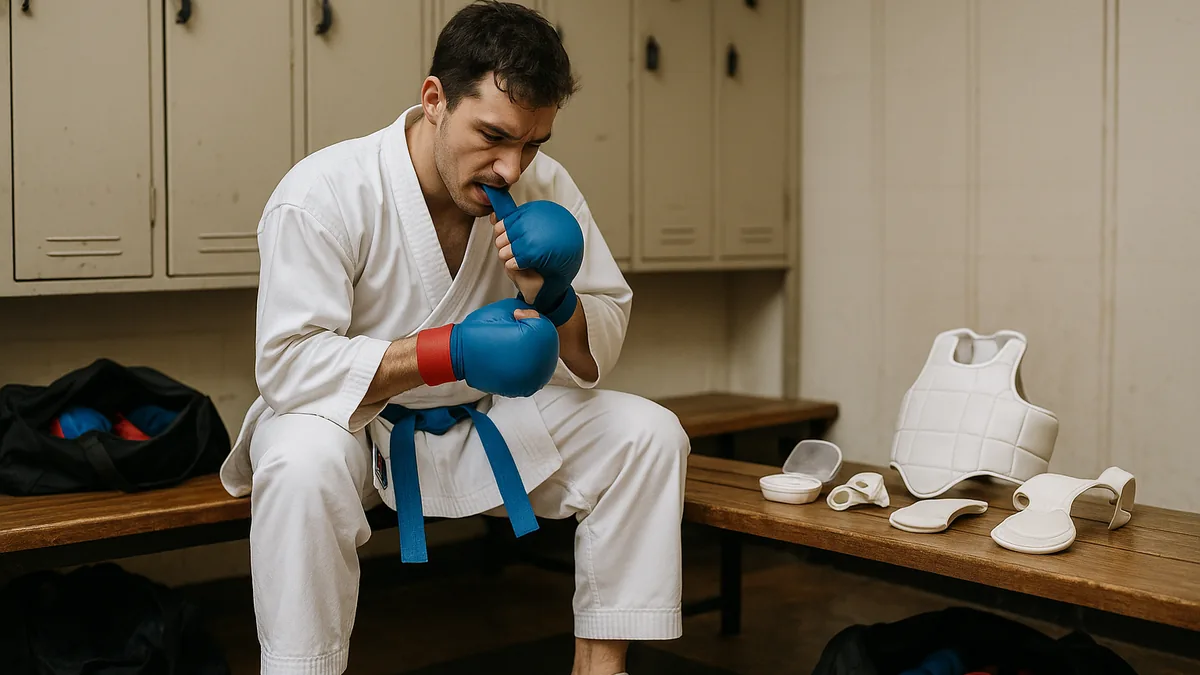
Most clubs hand you a kit list when you join. Gloves, shin guards, gumshield, foot pads. You buy the cheapest set you can find online, stuff it in your bag, and turn up to your first sparring session thinking you’re sorted. Then you get hit in the shin by someone wearing proper guards and yours ride up and do nothing, or your gloves are so thick you can’t feel the target, or your gumshield is the boil-and-bite thing from the supermarket and it tastes like plastic and falls out every time you open your mouth.
I’ve been through all of it. I’ve also watched hundreds of beginners go through the same cycle, and I’ve graded students who turned up to competition wearing gear that would have got them disqualified before they threw a single technique. So here’s what I actually think about sparring gear - not what the kit list says, but what you need, what you can skip, and where it genuinely matters.
WKF-Approved Gear vs Club Sparring Gear - They Are Not the Same Thing
This is the thing nobody explains clearly at the start, and it causes real problems when students start competing.
WKF-approved gear is gear that has been tested and certified for competition under World Karate Federation rules. It has a specific logo on it. If you turn up to a WKF-sanctioned competition without that logo on your gloves and foot pads, you will be told to go home. That’s not a maybe - I’ve seen it happen at regional championships to students who had trained for months for that event.
Club sparring gear is everything else. It’s what most of us train in day to day. It’s often heavier, more padded, and more forgiving than WKF competition gear. That’s fine for dojo training. It’s not fine if you’re competing.
What I tell students is this: if you’re only training at your club and have no intention of competing, buy decent club gear and don’t overthink it. If you’re planning to compete, buy WKF-approved gear from the start. Don’t buy club gear and then replace it six months later when you realise it won’t pass inspection. It’s a waste of money.
The brands that dominate the WKF-approved market are Adidas, Kamikaze, and Shureido. Hayabusa makes good gear but check the specific product - not everything they produce is WKF-approved. Tokaido is worth looking at too. I’ve trained in Adidas for most of my competition years and it’s held up well, but I’ve seen students do well with Kamikaze gloves that feel slightly more natural in the hand.
Gloves and Mitts - Where People Get This Wrong
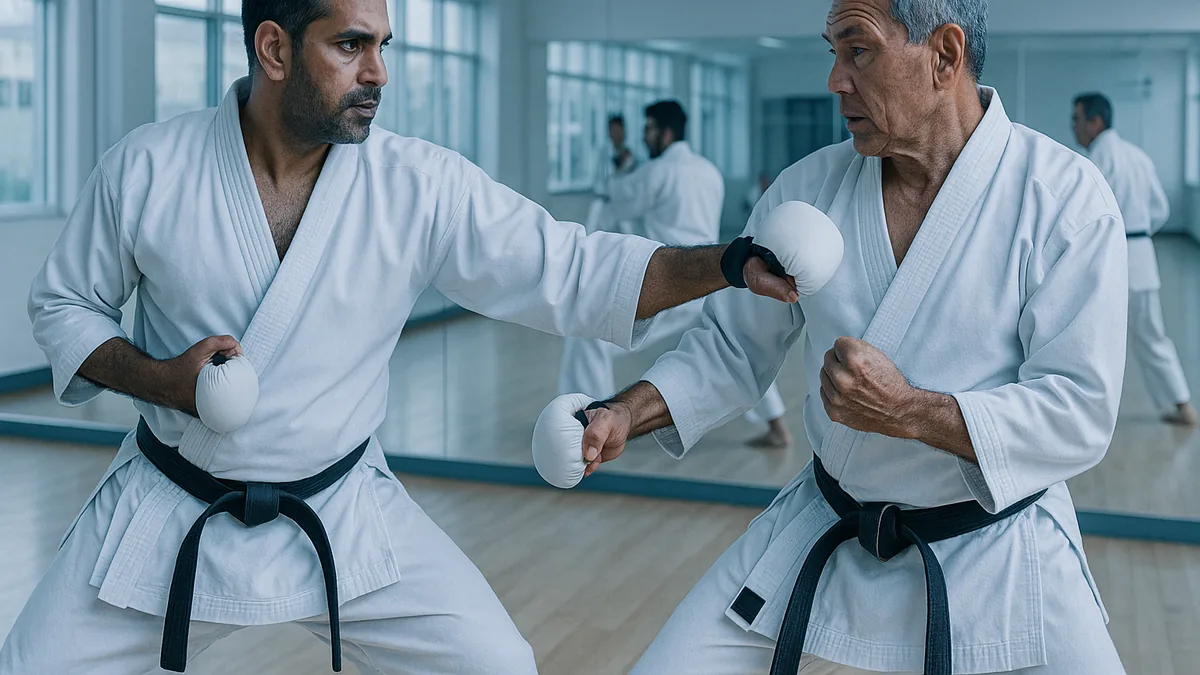
One mistake I see constantly with beginners is buying gloves that are too big and too padded. I understand why it happens - more padding feels safer, especially when you’re new and nervous about getting hit. But thick gloves change your technique in ways you don’t notice until the damage is done.
When your gloves are too bulky, you can’t feel the target. You start relying on arm strength rather than hip rotation because the feedback loop is gone. The correction that makes the biggest difference here is getting students to train with lighter gloves earlier than they think they should. You learn more about your technique from a clean connection you can feel than from a padded thud that tells you nothing.
WKF competition gloves are relatively thin compared to what most clubs sell as “sparring mitts.” They’re designed for control kumite where the emphasis is on clean, controlled contact - not full-power shots. If you put on a pair of proper WKF gloves for the first time after training in thick club mitts, it feels wrong at first. Your hands feel exposed. But within a few sessions you adjust, and your technique actually sharpens because you’re getting real feedback again.
For club training, I prefer open-finger mitts for pad work and closed-finger gloves for sparring. Some clubs use the same glove for both. That’s fine, but if you’re doing a lot of pad work, the open-finger design gives you better grip and more natural hand position.
Shin Guards - Don’t Cheap Out Here
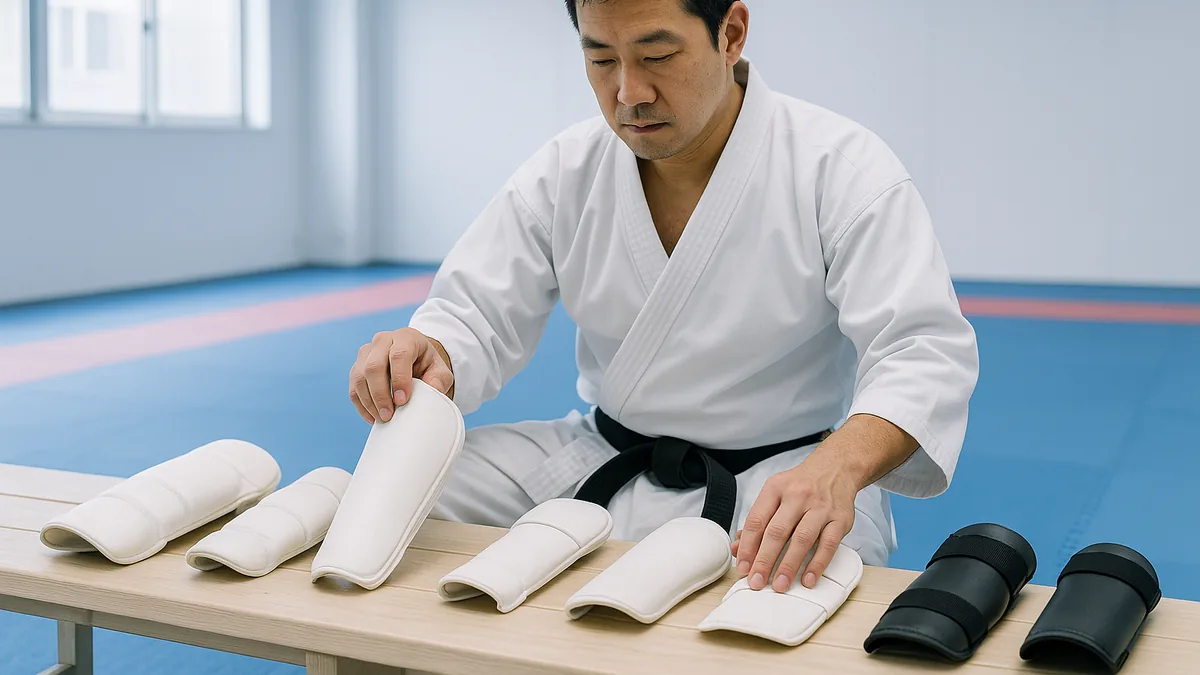
If there’s one piece of gear where I’d tell you to spend proper money, it’s shin guards. The cheap foam ones that come in beginner sets are basically decorative. They shift, they compress on impact, and they leave the ankle exposed. I’ve had students come off the mat with bruised shins through guards that were supposedly protecting them.
What you want is a guard with a solid shell - either fibreglass or hard plastic - with decent foam backing, and a strap system that actually holds it in place. The Adidas WKF-approved shin guards are the ones I’d point most students toward. They stay put, they cover the ankle properly, and they last. Ghostline also produces compression-fit shin sleeves designed to sit cleanly under guards without bunching - worth considering if your current setup shifts during sparring.
The fit matters more than most people think. A shin guard that’s too long will press into the top of your foot and restrict your movement. Too short and your ankle is exposed. When you try them on, put on your gi trousers and test your kicks - not just a slow extension, but a proper snap. If the guard shifts on impact, it’s wrong for you regardless of the size label.
I’ve noticed that students who train in poor shin guards develop a habit of pulling their kicks slightly - unconsciously protecting themselves because they know the guard isn’t reliable. It’s a subtle thing but it shows up in grading and competition. Get guards you trust and you’ll kick properly.
Gumshields - The Most Ignored Piece of Kit
Nobody talks about gumshields. They’re on the kit list, students buy the cheapest one they can find, it fits badly, they hate wearing it, and eventually they train without one or just hold it in their cheek.
I used to do this. My first gumshield was a supermarket boil-and-bite that sat loose in my mouth and made it impossible to breathe properly through my mouth during sparring. I trained for over a year thinking gumshields were just a rule you had to follow rather than something that actually helped you.
The thing that actually changed my understanding was getting a custom-fitted gumshield from a dentist. The difference is not subtle. A properly fitted shield sits snugly, doesn’t move, and you genuinely forget it’s there after a few minutes. Your jaw can close naturally, your breathing isn’t affected, and it actually protects you because it’s not moving around on impact.
Custom shields from a dentist cost between £50 and £150 depending on where you are. That sounds like a lot compared to a £5 supermarket version. But if you’re training seriously, it’s one of the best equipment investments you’ll make. There are also good mid-range options - OPRO and Shock Doctor make decent self-fit shields that are a significant step up from generic boil-and-bite versions.
What I tell students is: if you’re only doing light contact club sparring, a decent OPRO will do the job. If you’re competing or training hard contact, get it done properly by a dentist.
Foot Pads - WKF Rules Are Specific
Foot pads are another area where WKF requirements catch people out. The approved pads have to fit specific dimensions and carry the WKF logo. The soft foam pads that most beginners buy for club training won’t pass competition inspection.
For club training, soft foam pads are fine. They protect your training partners from your toenails and the bony top of your foot, and they give you a bit of cushioning on contact. For competition, you need the right kit.
One thing I’ve noticed is that thick foot pads can deaden your kicking feedback in the same way thick gloves do. You stop feeling whether you’re connecting with the ball of the foot or the toes, and over time that affects your technique. I’ve seen students with excellent kick mechanics in bare feet become sloppy in foot pads because they’ve lost the sensation. If your dojo allows occasional barefoot sparring drills, it’s worth doing - not to replace pads, but to recalibrate your feel for the technique.
What Clubs Sell vs What You Actually Need
Here’s my honest take on the beginner kit sets that clubs and online retailers push: they’re a compromise, and not always the right one.
The typical beginner bundle includes gloves, shin guards, foot pads, and sometimes a gumshield. The gear is usually mid-range foam construction, unbranded or cheaply branded, and it gets you started. That’s the upside. The downside is that if you progress and start competing, you’ll replace most of it within a year.
If I was advising a new student today, I’d tell them to spend a bit more upfront on WKF-approved gloves and shin guards - even if they’re not planning to compete immediately - and buy a decent OPRO gumshield rather than the cheapest option. The foot pads matter less at the start; soft foam is fine for club training.
What you don’t need at the start: a chest protector unless your club specifically requires it for contact levels, a full-face helmet for standard club kumite, or body armour beyond what your instructor specifies. Some clubs sell this stuff as part of beginner packages. Most of it sits in bags unused.
For more on getting your overall kit sorted, the Best Karate Gi for Beginners guide covers the gi side of things, and if you’re unsure about sizing once you know what you want, the Karate Gi Size Guide is worth reading before you order anything.
Community Perspective
There’s a genuine split in most clubs between the “train in WKF gear from day one” camp and the “club gear is fine until you compete” camp. I’ve trained under instructors who held both views strongly.
The argument for WKF gear from the start is that you build your sparring in the equipment you’ll compete in, so there’s no adjustment period. The argument against is that WKF competition gloves are lighter and less forgiving, and beginners benefit from more protection while they’re learning control.
I’ve changed my view on this over the years. Early on I thought beginners needed maximum protection. Now I think moderate protection with better feedback serves most students better. The exception is very young students or complete beginners with no martial arts background - I’d keep them in more padded gear for the first few months while they develop control.
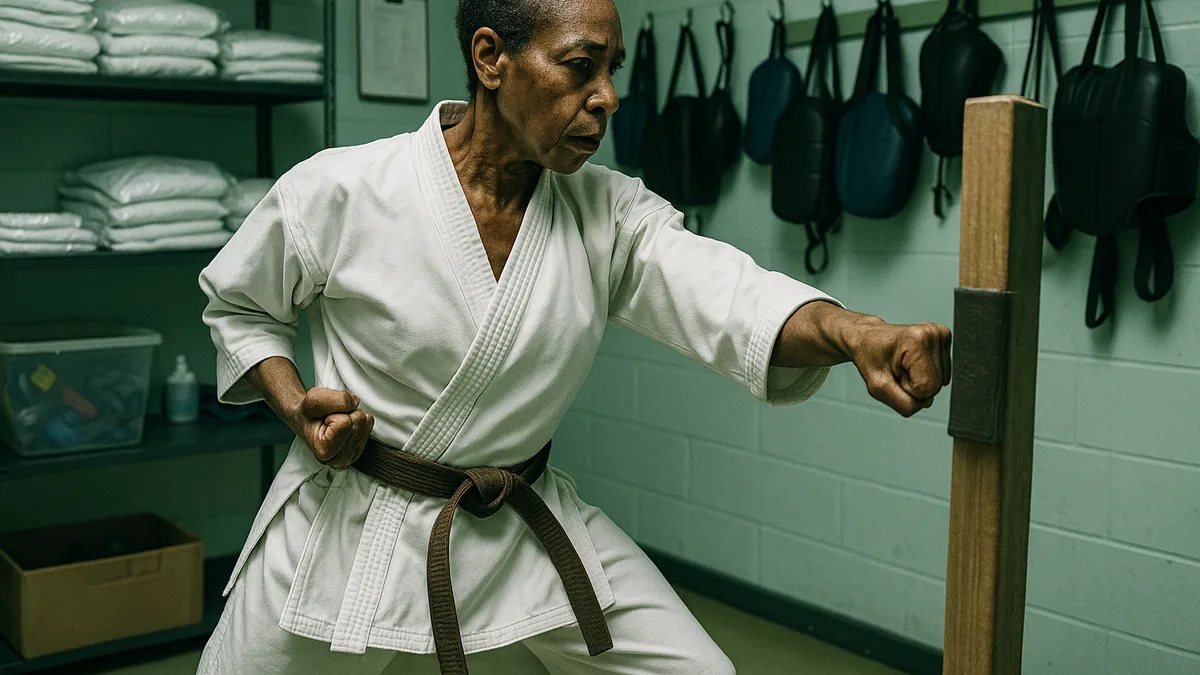
The other debate worth mentioning is around shin conditioning. Some traditional practitioners think training in shin guards at all is counterproductive - that you should be building shin hardness through conditioning work and training without guards. There’s something to this, and I’ve done plenty of conditioning work over the years. But for regular club sparring and competition, guards are non-negotiable both for safety and under the rules. The two things aren’t mutually exclusive.
If you’re working on your sparring and want to understand the tactical side of how gear choices interact with technique, Counter-Attacking in Karate is worth reading alongside this.
Key Takeaways
- If you’re planning to compete under WKF rules, buy WKF-approved gloves and foot pads from the start - check for the logo before you buy, not after
- Spend proper money on shin guards with a solid shell and reliable strap system; cheap foam guards shift on impact and quietly damage your kicking technique
- A custom-fitted or high-quality gumshield is worth the cost - a loose shield affects your breathing, your confidence, and your protection. The full breakdown on do you need a mouthguard for karate covers when you need one, which types work, and what the rules actually require
- Thicker gloves feel safer but reduce feedback; lighter gloves sharpen your technique because you can actually feel whether you’re connecting properly
- Don’t buy gear from a club bundle without checking whether it meets the standards you’ll need - what works for Tuesday night training may not pass competition inspection
- Barefoot sparring drills occasionally, if your instructor allows it, will recalibrate the physical sensation of your kicks in ways that padded training alone won’t
The weekly digest
New karate articles, once a week
One email every week with everything new on Karate Lifestyle. No spam; unsubscribe in one click.
We'll email you to confirm. See our privacy policy.