Recovery For Karate Practitioners
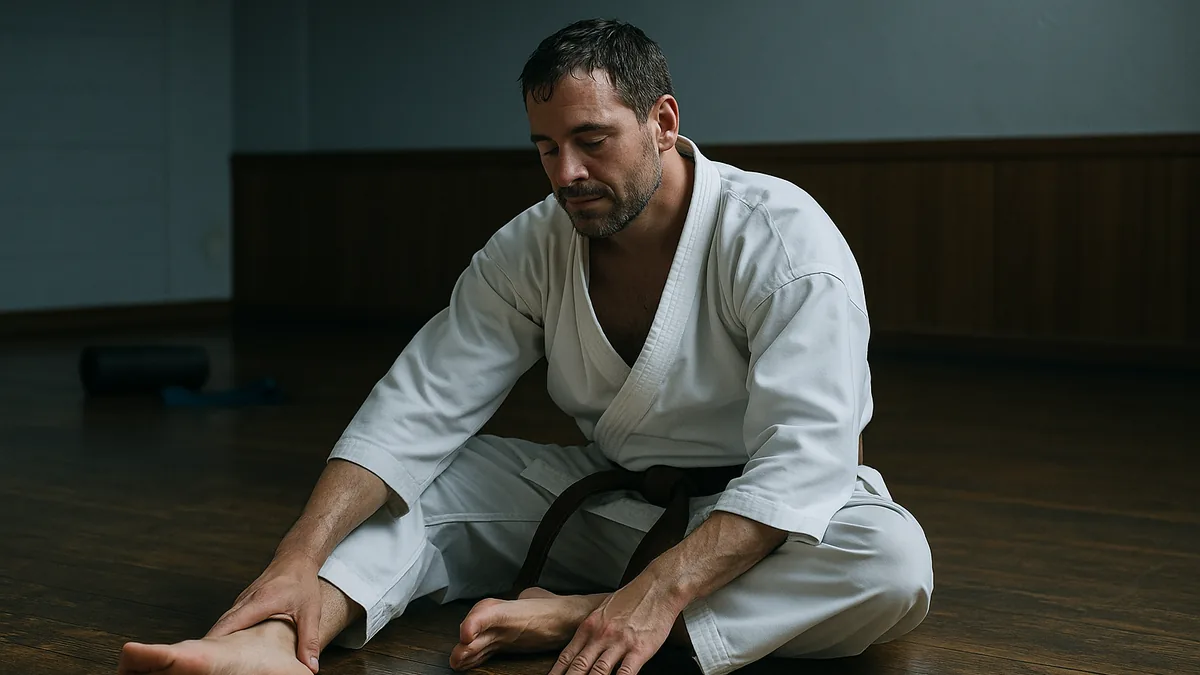
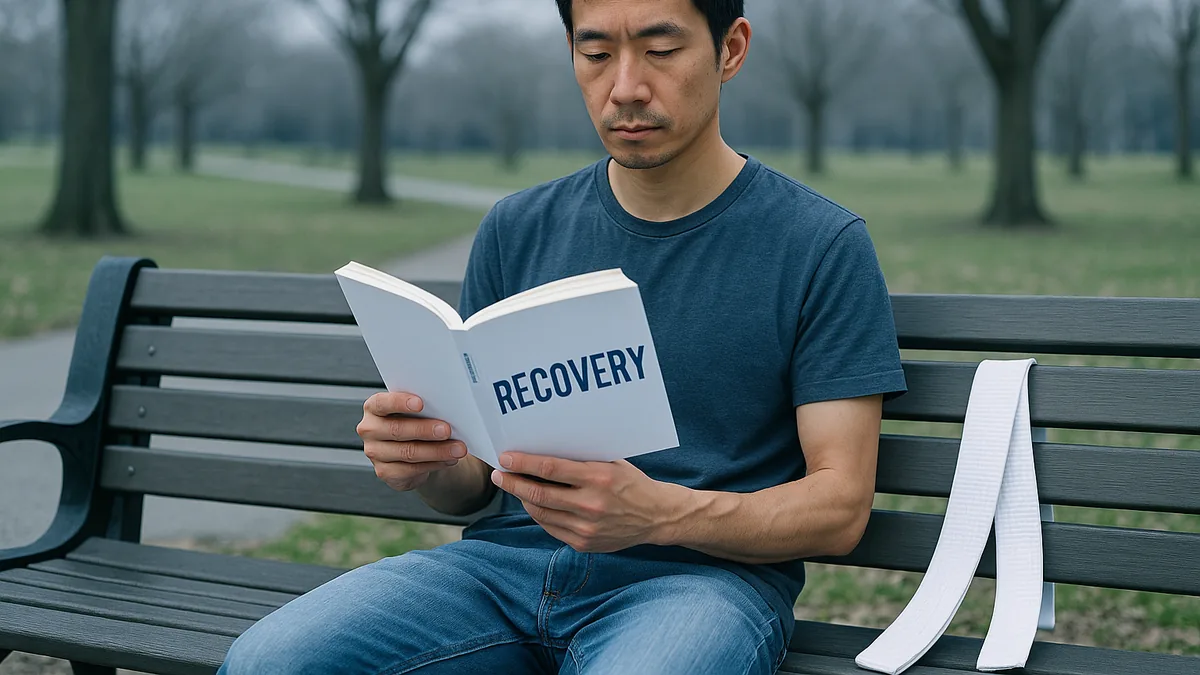
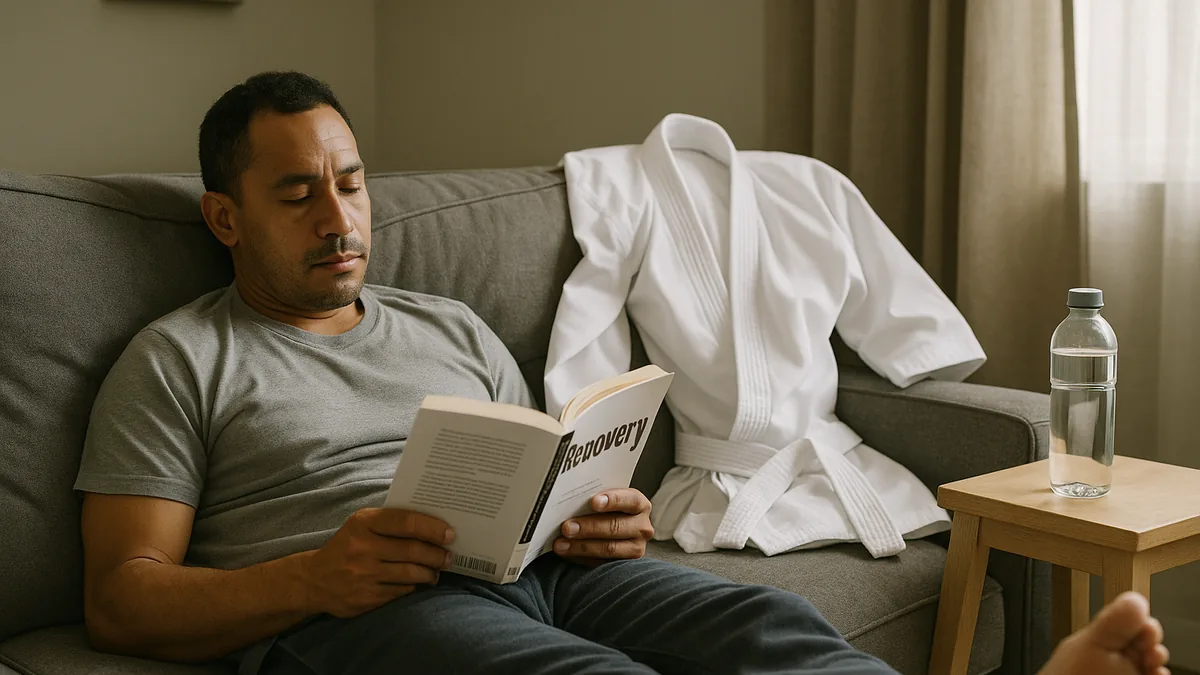
Recovery is often the most overlooked aspect of karate training. Practitioners focus on technique, fitness and sparring but neglect the recovery that allows their body to adapt and improve. Without adequate recovery, training quality drops, injury risk increases and progress stalls.
Why Recovery Matters
Karate training places significant demands on the body. Repetitive kicking strains hip flexors and hamstrings. Punching loads shoulders and wrists. Stances challenge knees and ankles. The body needs time and the right strategies to repair and strengthen.
Practical Recovery Strategies
Sleep
Sleep is the single most important recovery tool. Aim for 7-9 hours per night. Growth hormone release peaks during deep sleep, directly supporting muscle repair and adaptation.
Nutrition
Post-training nutrition supports recovery. Protein repairs muscle tissue. Carbohydrates replenish energy stores. Hydration replaces fluid lost through sweat.
Active Recovery
Light movement on rest days - walking, gentle stretching, mobility work - promotes blood flow to recovering muscles without adding training stress.
Stretching and Mobility
Regular stretching maintains flexibility. Targeted mobility work addresses the specific demands of karate - hip rotation, shoulder mobility and ankle flexibility.
Common Recovery Mistakes
- Training through pain rather than addressing it
- Skipping rest days to train more
- Neglecting sleep in favour of extra training sessions
- Poor nutrition undermining the body’s ability to recover
Key Takeaways
- Recovery is not optional - it is part of training
- Sleep is the most powerful recovery tool available
- Post-training nutrition directly supports adaptation
- Active recovery promotes healing without adding stress
- If you’re dealing with a specific injury, the guide on training with injuries covers when to modify and when to rest completely
- A dedicated flexibility routine supports both recovery and long-term training sustainability
- Older practitioners may need to adjust recovery expectations - the piece on training karate after 40 covers this in more detail
The weekly digest
New karate articles, once a week
One email every week with everything new on Karate Lifestyle. No spam; unsubscribe in one click.
We'll email you to confirm. See our privacy policy.