How Long Should You Rest Between Karate Training Sessions? A Practitioner's Guide
The short answer is 24 to 48 hours between hard sessions. But that answer only tells you half the story, and if you apply it without understanding the context, you’ll either undertrain or grind yourself into the ground. I’ve seen both happen plenty of times, and neither produces a better karateka.
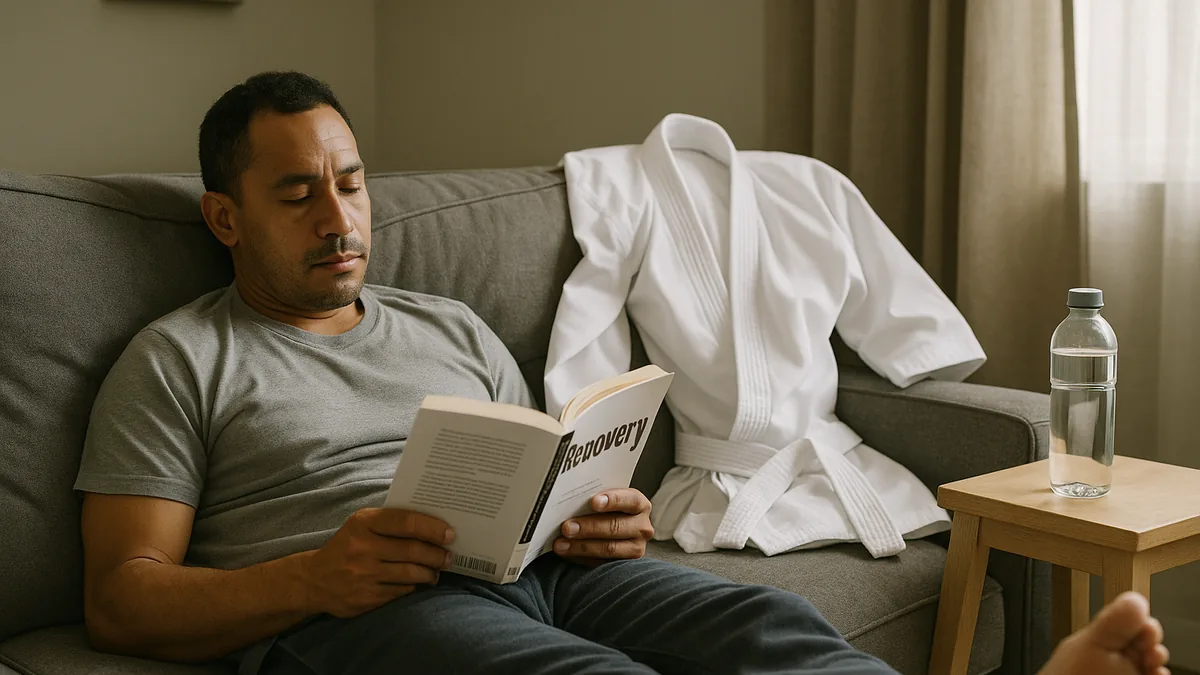
What most people get wrong about rest is that they treat it as doing nothing. Rest is part of training. The adaptation - the actual improvement in strength, coordination, and technique retention - happens during recovery, not during the session itself. You’re not getting better in the dojo. You’re getting better while you sleep, eat, and let your nervous system consolidate what you just drilled.
How does training intensity change how long you need to recover?
This is the question most people skip straight past, and it’s the most important one.
A light kata session at 60% effort, working on timing and transitions? You could train again the next morning and feel fine. A two-hour session of hard jiyu-kumite followed by conditioning work? You might need 48 to 72 hours before you’re genuinely ready to train hard again - not just able to drag yourself to the dojo, but actually recovered.
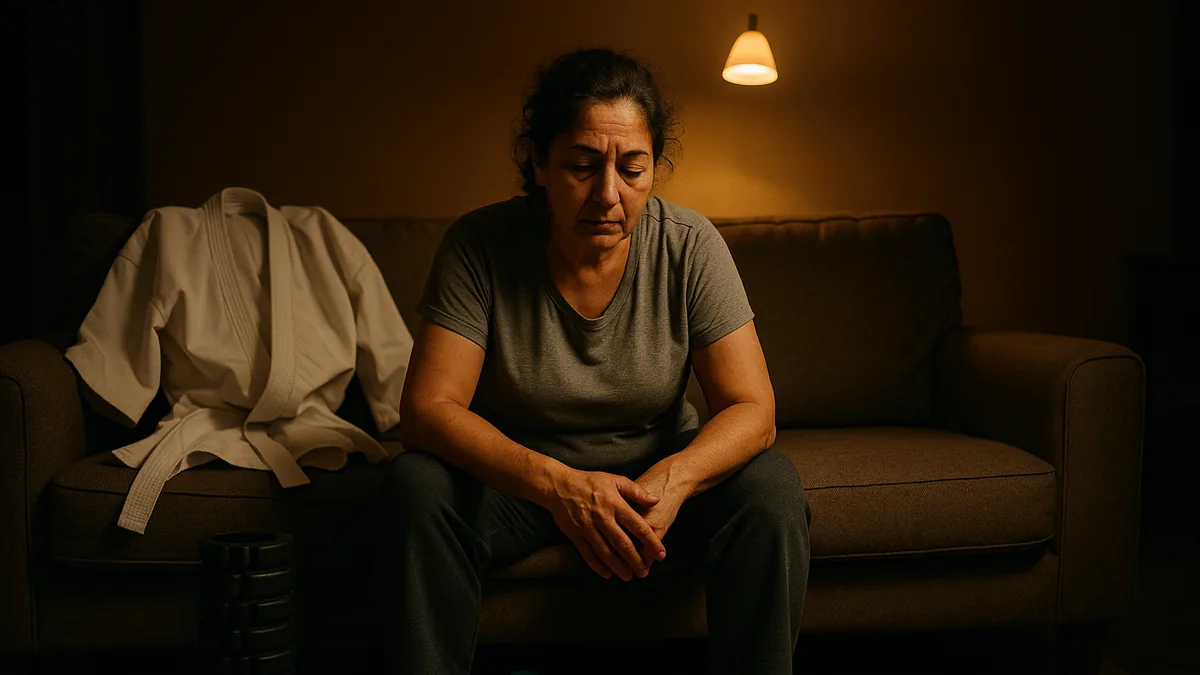
I’ve noticed that students often confuse “I can train” with “I’ve recovered.” You can always train through fatigue. The question is whether doing so is building you up or wearing you down. In my experience, most students who plateau aren’t undertrained - they’re chronically under-recovered. They’re showing up, putting in the hours, and wondering why their technique isn’t improving. The answer is usually that their nervous system never fully resets between sessions.
Here’s a rough framework I use with my students:
- Light technical work (kata, kihon at moderate intensity): 12 to 24 hours recovery
- Moderate session (class training, controlled kumite, bag work): 24 to 48 hours
- Hard session (full contact sparring, heavy conditioning, competition prep): 48 to 72 hours
This isn’t a rigid schedule. It’s a starting point for paying attention to your own body.
What does overtraining actually feel like in karate specifically?
Most people imagine overtraining as complete physical collapse. It’s rarely that dramatic. What I’ve seen far more often is a slow erosion that looks like poor motivation or bad technique.
You’ll feel it as a kind of flatness. Your combinations that normally flow start feeling mechanical. Your reaction time in kumite slows down - not because your technique is wrong, but because your nervous system is lagging. You’ll feel like you’re pushing through treacle on techniques that should feel automatic.
My instructor used to say that when your karate starts feeling “thick,” you need rest, not more drilling. I didn’t understand what he meant until I hit a wall during competition prep in my second year of serious training. I was training six days a week, convinced that volume was the answer. My mawashi-geri - normally one of my better techniques - started feeling clumsy and slow. I kept drilling it, convinced I just needed to work through it. What I actually needed was three days off. When I came back, the technique was cleaner than it had been before the wall. That was the thing that changed my understanding.
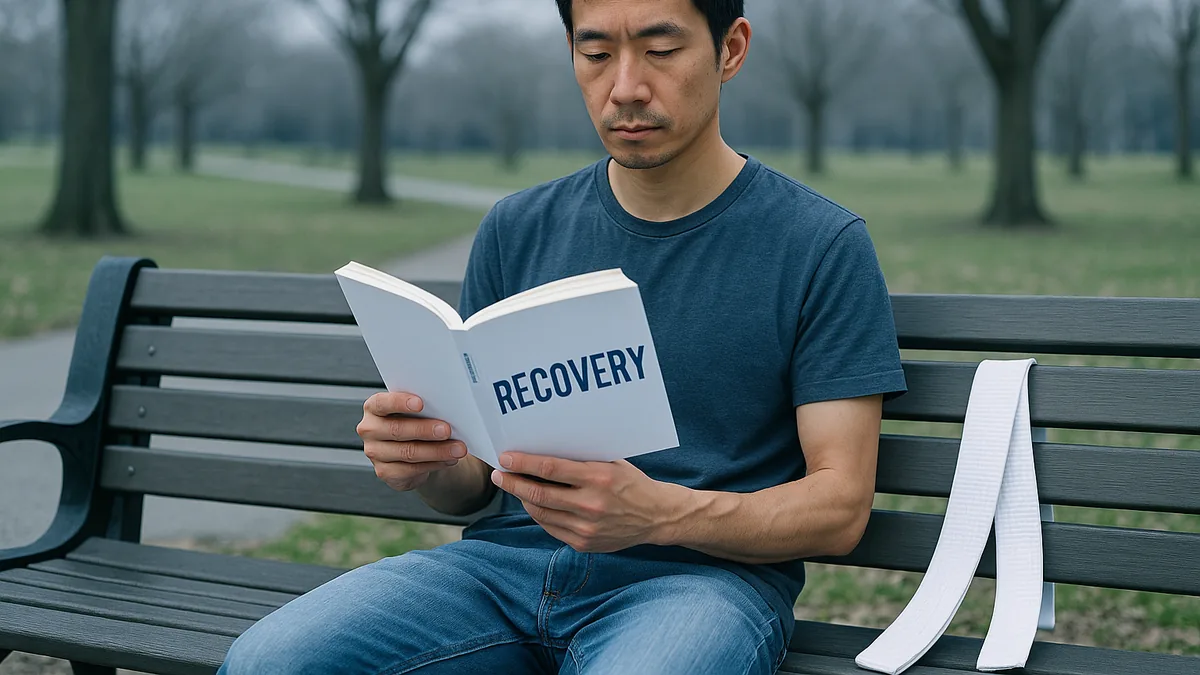
For a deeper look at what recovery actually involves, Recovery For Karate Practitioners covers the full picture.
Should you do anything on rest days, or just do nothing?
I’d recommend active recovery over complete rest for most people, most of the time. The exception is when you’re genuinely depleted - then sleep and stillness win every time. But for a standard rest day between normal training sessions, light movement keeps blood flowing to the muscles you’ve worked, speeds up waste removal, and keeps your mobility from tightening up.
What counts as active recovery for karateka? Light walking, gentle kata at 40% effort focusing purely on breathing and flow, mobility work, or swimming. What doesn’t count: another hard bag session because you “felt fine this morning.” I’ve seen students do this constantly - they feel good on their rest day, interpret that as being recovered, and immediately undo it.
The distinction I always draw for students is between movement that adds stress and movement that reduces it. If it raises your heart rate significantly or creates muscle fatigue, it’s training, not recovery.
Active Recovery Days: What Karateka Should Actually Do Between Hard Sessions goes into this in much more detail if you want specific protocols.
How does sleep fit into this, and why do most practitioners underestimate it?
Sleep is the most undervalued recovery tool most karateka have access to, and it costs nothing. I think the culture in a lot of dojos - the “train hard, sleep when you’re dead” mentality - actively works against people’s development.
Here’s what I tell students: if you’re sleeping less than seven hours, your rest days aren’t actually rest days. You’re accumulating a recovery deficit that no amount of foam rolling or protein shakes will fix. Technique retention, reaction time, and the consolidation of motor patterns all depend heavily on sleep quality. The clean, sharp feeling of a well-rested training session versus a sleep-deprived one isn’t subtle - you’ll feel the difference through your whole body, from the speed of your combinations to how quickly you read your opponent in kumite.
Sleep and Karate Performance: What Serious Practitioners Get Wrong is worth reading if this is an area you’ve been ignoring.
Community Perspective
This is one of those topics where traditional dojo culture and modern sports science pull in opposite directions, and I think it’s worth being honest about that tension.
In a lot of traditional dojos, especially those with Japanese or Okinawan lineage, the expectation is daily training. The idea of scheduling rest days can feel almost disrespectful to the art. I’ve trained in environments where admitting you were tired was seen as weakness. I understand where that culture comes from, and I have respect for it - but I think it produces a lot of unnecessary injuries and burnout, particularly in adult practitioners with jobs and families who aren’t 19-year-old full-time students.
On the other side, some modern practitioners over-periodise everything and end up treating karate like a gym programme with deload weeks and heart rate zones. That can strip out the spontaneity and mental resilience that hard, consistent training builds.
My honest position is somewhere in the middle. Train frequently, train hard when the session calls for it, and take recovery seriously without making it precious. The practitioners I’ve seen improve fastest over the long term are the ones who show up consistently and recover intelligently - not the ones who train every day regardless, and not the ones who turn every minor soreness into a rest day.
Key Takeaways
- 24 to 48 hours is the practical guideline for moderate training, but hard sessions need more - up to 72 hours before you train hard again
- “I can train” and “I’ve recovered” are not the same thing - learn to tell the difference
- Flatness in your technique, slow reactions in kumite, and mechanical-feeling combinations are early overtraining signals, not motivation problems
- Active recovery on rest days beats doing nothing for most people - light kata, mobility work, and walking all help without adding training stress
- Sleep is non-negotiable - under seven hours undermines everything else you’re doing for recovery
- If your karate is feeling thick and laboured rather than sharp, rest is almost always the answer before more drilling
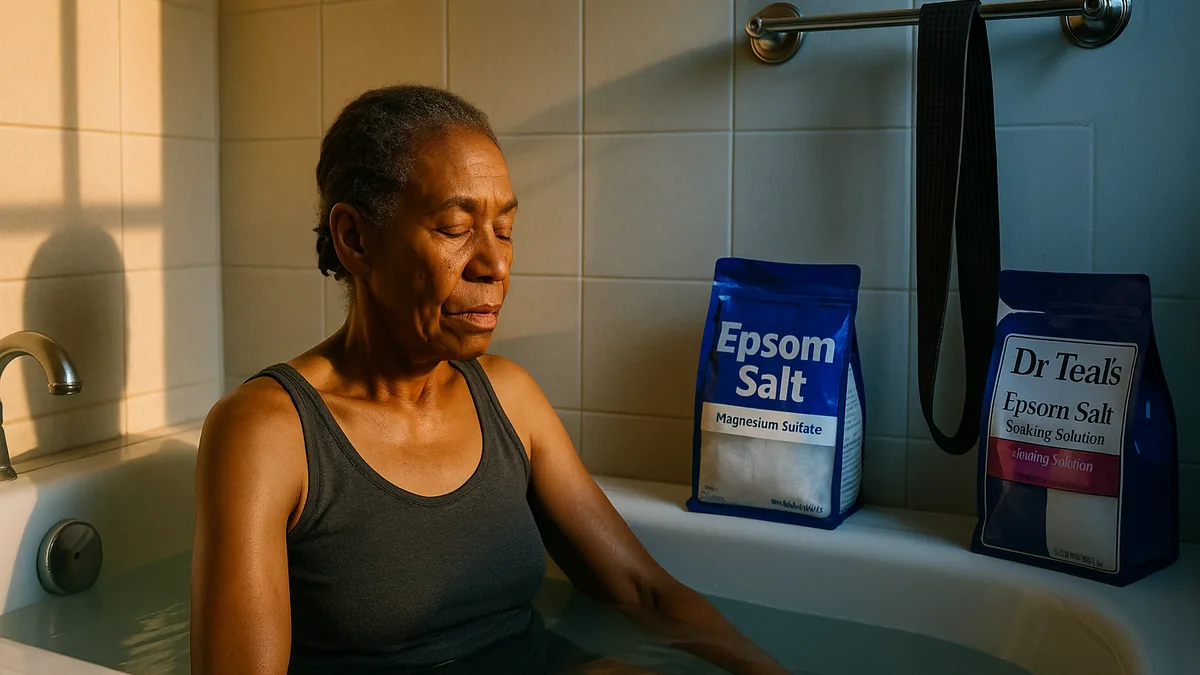
For related reading, Mobility vs Flexibility for Karate Recovery: Why the Difference Matters and Foam Rolling for Karate: Which Muscles Actually Need It and Which Don’t are worth your time. And if you’re curious about cold exposure for recovery, Cold Exposure and Ice Baths for Karate Recovery: Do They Actually Work? gives an honest take on whether the hype is justified.
The weekly digest
New karate articles, once a week
One email every week with everything new on Karate Lifestyle. No spam; unsubscribe in one click.
We'll email you to confirm. See our privacy policy.