Sleep and Karate Performance: What Serious Practitioners Get Wrong
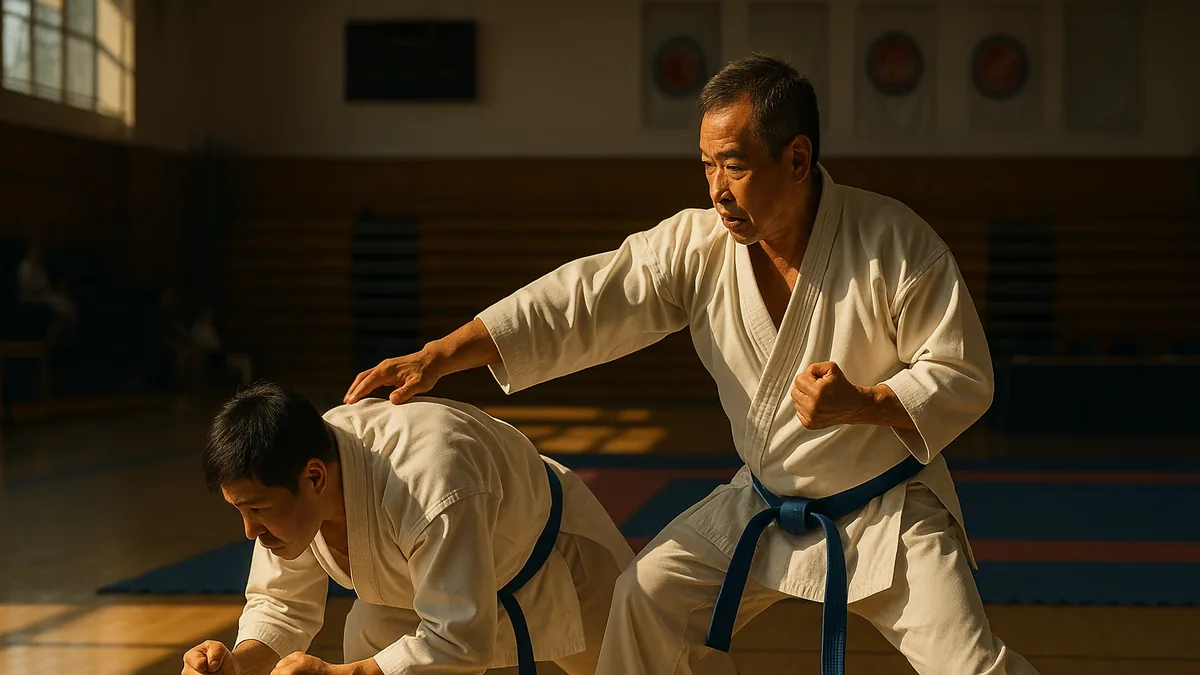
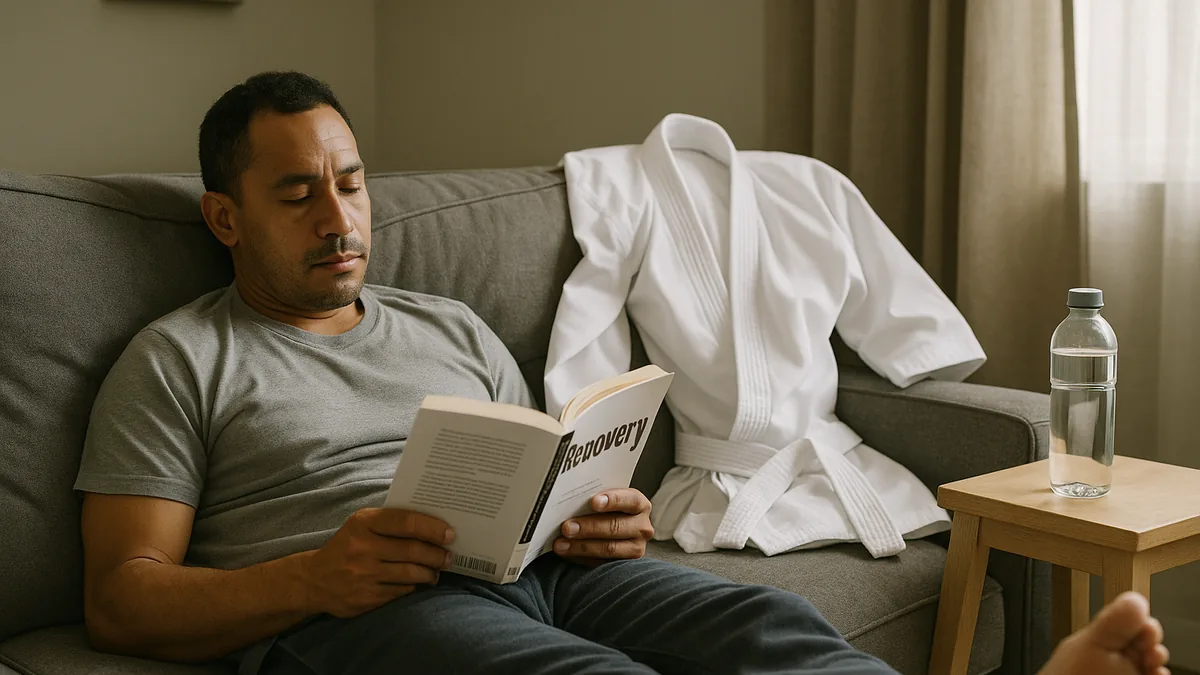
Most serious practitioners I’ve trained with will obsess over their kata, track their kumite rounds, and spend money on the best equipment - but then sleep six hours a night and wonder why their technique feels flat. I’ve done it myself. There’s a version of me from about eight years into my training who genuinely believed that grinding harder would compensate for running on empty. My instructor at the time said something I dismissed for years: “You don’t get better in the dojo. You get better while you sleep.” I thought it was one of those poetic instructor things that sounded wise but didn’t mean much practically. I was wrong.
Sleep is where the adaptation actually happens. The muscle memory you’re building in the dojo, the reaction timing you’re developing through thousands of repetitions - none of that consolidates unless you give your nervous system the time to process it. When you shortchange sleep, you’re not just tired. You’re actively undermining the training you just did.
Why Sleep Hits Karate Performance Harder Than Most Sports
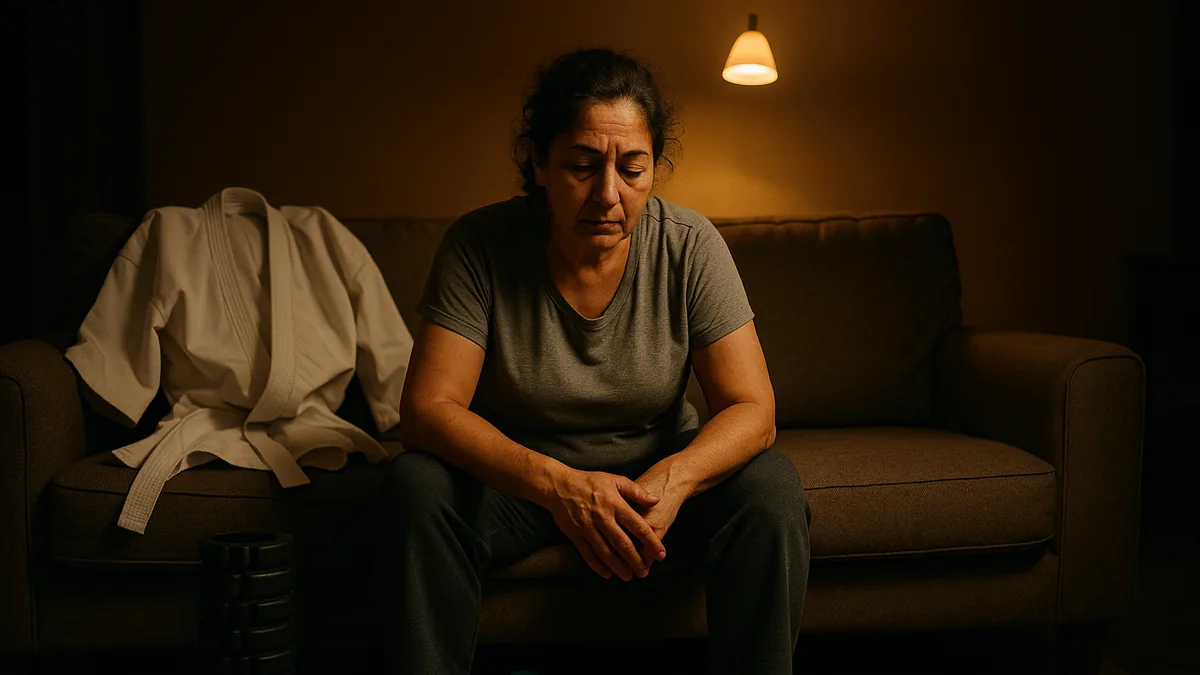
I’ve noticed that karate practitioners tend to underestimate sleep deprivation more than athletes in other disciplines, and I think I know why. A tired runner slows down. A tired weightlifter lifts less. The feedback is immediate and measurable. A tired karateka still throws punches and kicks. The degradation is subtler - reaction time drops, decision-making in kumite gets sluggish, technique gets sloppy in ways that feel like a coordination problem rather than a recovery problem. You blame your form. You do more reps. You dig the hole deeper.
The physical demands of serious karate training are significant. If you’re training four or more sessions a week with any real intensity - hard kumite, heavy bag work, competition prep - your muscles are dealing with consistent micro-damage that requires deep sleep to repair. Growth hormone secretion peaks during slow-wave sleep. If you’re cutting that short, you’re cutting off the repair cycle. This isn’t abstract sports science - I’ve seen it play out in the dojo repeatedly. Students who push hard through a training camp and don’t prioritise sleep come back the following week moving worse than when they started, not better. The training didn’t stick.
The neural side is just as important, and honestly less discussed. Karate is a skill sport. The difference between a good gyaku-zuki and a great one isn’t just strength or flexibility - it’s the precision of motor patterns that your nervous system has encoded through repetition. Sleep is when those patterns get consolidated. Specifically, REM sleep plays a central role in procedural memory - the kind of memory that governs how you move. When you’re undersleeping, you’re essentially doing the work of encoding a skill and then not saving the file.
For more on how recovery integrates with performance, the recovery for karate practitioners article covers the broader picture well, including how sleep sits alongside nutrition and active recovery.
The Mistakes I See Most Often
Treating sleep as passive and training as active
The biggest conceptual mistake I see is practitioners thinking of sleep as the absence of training rather than part of training. This leads to a specific behaviour pattern: when life gets busy and something has to give, sleep gets cut before mat time does. I understand the logic - it feels like you’re protecting your training. You’re not. You’re protecting the input and sacrificing the output.
What I tell students is this: if you had to choose between a 90-minute session on four hours of sleep or a 60-minute session followed by eight hours of sleep, take the second option every time. You’ll get more from that shorter session and you’ll actually retain what you worked on.
Ignoring the cumulative effect
One night of bad sleep doesn’t destroy your training. But I’ve seen students run on six hours a night for weeks during a competition prep cycle, thinking they’re fine because they’re not falling asleep in class. Chronic partial sleep deprivation accumulates in ways that don’t feel like tiredness - they feel like a plateau. Technique stops improving. Reaction time stagnates. Sparring feels effortful in a way that doesn’t make sense given how much work you’re putting in. I used to think those plateaus were about training volume or technique refinement. Now I ask students about their sleep first.
Inconsistent sleep timing
This one is underrated. Your body’s circadian rhythm affects everything from hormone release to reaction time, and it’s highly sensitive to consistency. I’ve noticed that students who sleep irregular hours - even if they’re getting enough total hours - perform less consistently than those who keep a regular schedule. The body doesn’t just need sleep; it needs sleep at predictable times. This is especially relevant around competition. Shifting your sleep schedule in the week before an event is a real performance variable, and most practitioners don’t account for it.
Training too late and expecting quality sleep
Evening training sessions are a reality for most working practitioners, and I’m not suggesting you change your dojo schedule. But there’s a difference between finishing at 8pm and finishing at 9:30pm with an hour of hard sparring behind you. Intense exercise elevates cortisol and core body temperature, both of which interfere with sleep onset. If you’re training hard late in the evening and then lying awake for an hour unable to wind down, the training itself is disrupting your recovery. After late sessions, I’d recommend a deliberate cooldown - not just stretching, but genuinely slowing your system down before you try to sleep.
Building a Sleep Routine That Actually Works for Practitioners
I prefer a practical approach here over a perfect one. The goal isn’t a clinical sleep optimisation protocol. It’s building habits that are sustainable around a serious training schedule.
Anchor your wake time first
Most sleep advice focuses on bedtime, but I’ve found anchor your wake time is the more powerful lever. Pick a time you’ll get up every day, including rest days and weekends, and stick to it. Your body will start to regulate sleep pressure around that anchor. Bedtime becomes easier to manage once the wake time is fixed.
Treat post-training recovery as part of the session
After hard training - especially kumite or any session involving significant contact - your nervous system is still running hot. Build a 20-30 minute wind-down into your post-training routine. This isn’t optional recovery padding; it’s the transition that allows sleep to actually do its job. Cold water on your face and neck, controlled breathing, getting out of your training clothes and into something comfortable - these are small signals that shift your system from output mode to recovery mode. It feels almost too simple, but the consistency of the signal matters more than the specific method.
Protect the 90 minutes before sleep
Screen brightness, food timing, and mental stimulation all affect sleep quality. I’m not going to tell you to ban your phone - that’s not realistic. But I will say that reviewing competition footage or watching high-intensity fight videos right before bed keeps your nervous system activated in ways that delay deep sleep. If you’re going to watch training material, do it earlier. The 90 minutes before sleep should be genuinely low-stimulation.
For practitioners dealing with the specific challenge of recovery after intensive blocks of training, the managing DOMS after intensive karate training camps article has useful detail on the recovery window where sleep plays its biggest role.
Align your nutrition timing with sleep
Eating a heavy meal close to sleep disrupts sleep quality even when it doesn’t prevent sleep onset. I’ve noticed this personally - I can fall asleep after a late post-training meal, but the sleep feels less restorative. The interaction between nutrition and recovery is worth understanding properly; nutrition for karate training covers the timing side in more depth.
What Changes With Experience
White belts tend to think recovery is for when you’re injured. Senior practitioners know it’s how you stay uninjured and keep improving. That shift in perspective usually comes the hard way - through an overtraining period, a nagging injury that won’t heal, or a competition where everything felt off despite months of hard preparation.
The thing that changed my understanding most was noticing how senior practitioners in my dojo trained. They weren’t always the ones doing the most volume. They were often the ones who seemed to train with more precision and less waste - and they were serious about their sleep in a way that younger students dismissed as old-man behaviour. There’s a reason the practitioners who are still training well into their 40s and 50s tend to be the ones who figured out recovery early. It’s not just about longevity. It’s about the quality of every session they’ve done in the meantime.
This connects directly to injury prevention. Fatigue compromises the fine motor control that keeps technique clean and safe. I’ve seen more pulled muscles and strained joints happen in the last 20 minutes of a late session when students are running on inadequate sleep than at any other point in training. The preventing common karate injuries article makes this connection clearly - recovery deficits show up as injury risk before they show up as obvious performance decline.
Community Perspective
There’s a real split in how different dojos approach this. Traditional training culture in many Japanese-influenced styles carries a strong work ethic that can shade into glorifying exhaustion - the idea that if you’re not suffering, you’re not training hard enough. I’ve trained in environments where admitting you were tired felt like weakness. I’ve also trained in more sport-science-informed environments where recovery was treated with the same seriousness as conditioning.
My honest position is that the traditional culture gets the discipline right but sometimes misapplies it. Pushing through discomfort in training builds mental toughness that’s genuinely useful. Pushing through sleep deprivation just degrades the quality of everything you’re doing. They’re not the same thing, even though they can feel similar in the moment.
Practitioners who compete at higher levels tend to shift toward the science-informed approach, not because they’ve gone soft, but because the feedback loop is tighter. When your performance is being measured against other serious competitors, you can’t afford to leave recovery on the table.
Key Takeaways
- Sleep is not recovery time separate from training - it is where the training adaptations you worked for actually occur. Treat it accordingly.
- If your technique feels flat or you’ve hit an unexplained plateau, check your sleep before you change your training programme.
- Consistency of sleep timing matters as much as total sleep hours - irregular schedules disrupt the hormonal and neural processes that drive adaptation.
- Late training sessions require a deliberate wind-down routine before sleep, not just a quick shower and straight to bed.
- The practitioners who last longest and improve most consistently are almost always the ones who figured out recovery early - sleep is the foundation of everything else in fitness and recovery for karate.
- If you’re serious about strength development or core conditioning, understand that the gains from that work are built during sleep - cut the sleep and you’re doing the work without collecting the reward.
The weekly digest
New karate articles, once a week
One email every week with everything new on Karate Lifestyle. No spam; unsubscribe in one click.
We'll email you to confirm. See our privacy policy.