Cold Exposure and Ice Baths for Karate Recovery: Do They Actually Work?
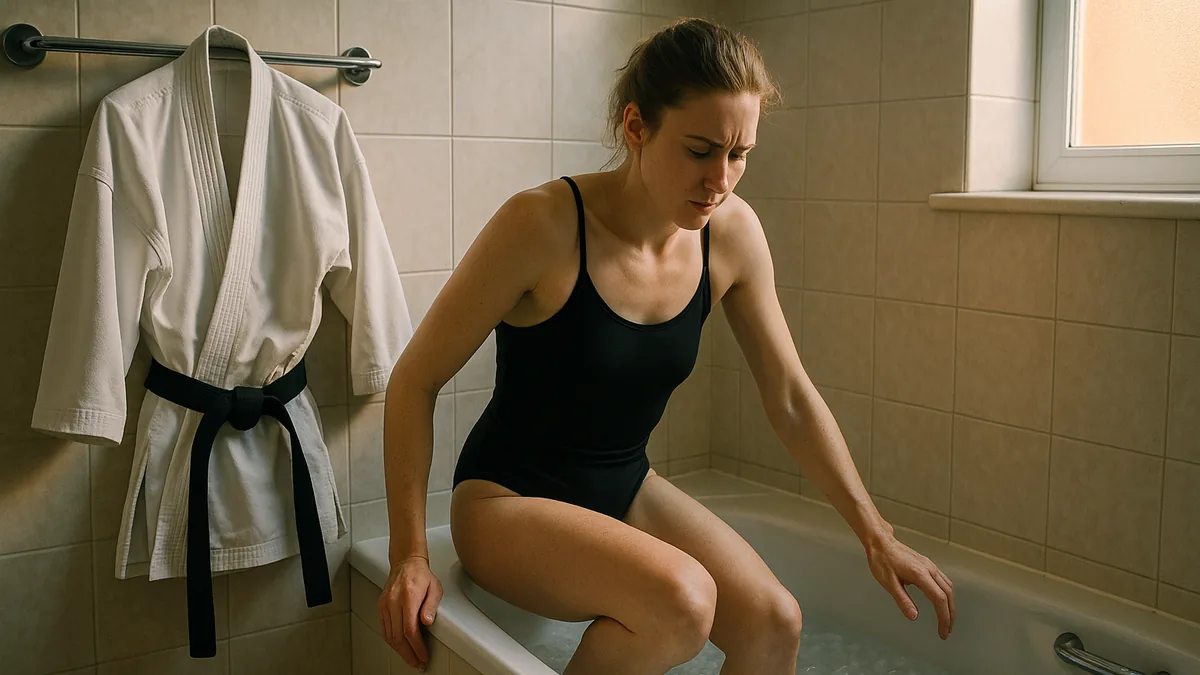
The first time I got into a proper ice bath after a hard training camp, I lasted about forty seconds. I climbed out, wrapped myself in a towel, and told myself it was a gimmick that elite athletes used to justify suffering. That was about eight years ago. My opinion has changed considerably since then - not because I read something convincing, but because I kept training hard enough to need better recovery, and eventually the discomfort of the ice bath became less uncomfortable than turning up to Tuesday’s session still destroyed from Saturday’s grading prep.
That’s the honest starting point for this. Cold exposure works. But it works in specific ways, for specific reasons, and a lot of practitioners are either doing it wrong or expecting it to fix problems it can’t fix.
What Cold Exposure Actually Does in a Karate Context
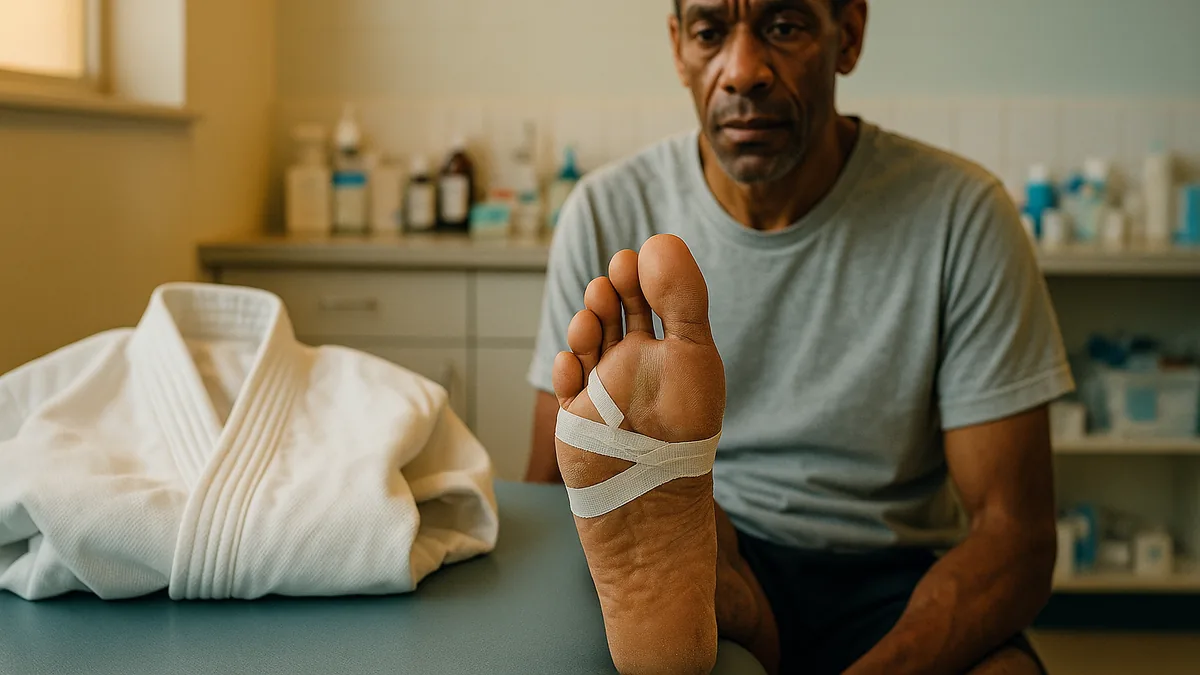
The inflammation you feel after a brutal sparring session or a three-hour gasshuku isn’t random. Your body is responding to genuine tissue stress - micro-damage in the muscles, joint irritation from repeated impact, nervous system fatigue from the intensity of contact. That inflammation is part of the repair process, which is why the old advice used to be “just let it happen.”
I’ve noticed over the years that the practitioners who recover fastest between sessions aren’t necessarily the fittest. They’re the ones who treat the hours after training as seriously as the training itself. Cold exposure is part of that picture, but it’s not magic. What it does is slow down the acute inflammatory response, which reduces the swelling and pain that make you feel wrecked for longer than necessary. The key word there is acute. You’re not suppressing healing - you’re moderating the initial spike that, left unchecked, leaves you stiff and sore for days when you could be functional in one.
For karate specifically, this matters because our training isn’t evenly distributed. We have hard sessions, light sessions, gradings, competitions, camps. The ability to recover between high-intensity blocks is what separates the practitioners who keep improving from the ones who plateau because they’re always half-recovered.
If you want a broader look at how recovery fits into your overall training structure, Recovery For Karate Practitioners covers the full picture beyond just cold therapy.
Ice Baths: The Practical Reality
Let me be direct about something I’ve seen go wrong repeatedly. Practitioners hear about ice baths, try one once at the wrong temperature for too long, and either injure themselves or decide it’s not for them. The mistake isn’t using cold exposure - it’s treating it like a test of toughness rather than a recovery tool.
What I tell students is this: the goal is not to suffer. The goal is to get the water cold enough to trigger a vascular response without sending your body into shock. That means somewhere between 10 and 15 degrees Celsius. Not a bath full of ice cubes. Not cold tap water that barely registers. The 10-15 range is where you get the physiological benefit without the risk of prolonged exposure doing more harm than good.
Duration matters just as much as temperature. I’d recommend eight to twelve minutes. Anything under six is probably too short to get the full vascular effect. Anything over fifteen and you’re pushing into territory where the cold itself becomes a stressor your body has to recover from. I’ve seen people sit in ice baths for twenty-five minutes because they thought longer meant better. They were miserable and it didn’t help them.
The sensation itself is worth describing because nobody tells you what to expect. The first two minutes feel like your skin is burning. That sounds contradictory but it’s accurate - cold at that intensity triggers the same pain receptors as heat. You’ll feel the urge to get out immediately. If you breathe through it and stay still, around the two-to-three minute mark, the burning sensation shifts into a deep ache, and then into something closer to numbness. That’s the point where the vascular constriction is happening. That’s what you’re there for.
The Timing Question
One mistake I see often is practitioners using cold exposure immediately after every session, regardless of what kind of session it was. That’s backwards. If you’ve done a light technical session - kata work, partner drills, kihon - your body doesn’t need aggressive cold intervention. You’re not inflamed in any meaningful way. Jumping into an ice bath after that kind of session may actually blunt the adaptive signals your muscles are trying to send, which is the last thing you want if you’re trying to build strength and conditioning.
Save the ice bath for after your hardest sessions. After kumite-heavy training. After grading preparation where you’ve been at full intensity for extended periods. After a training camp - and if you’re dealing with the specific hell of delayed onset muscle soreness from a camp, How to Manage DOMS After Intensive Karate Training Camps is worth reading alongside this.
The timing within the session matters too. I’d wait at least twenty to thirty minutes after finishing before getting in. Give your core temperature time to start coming down naturally. Getting in while you’re still radiating heat from exertion means your body is fighting two things at once.
Individual Response Is Real and It Matters
Here’s something I didn’t fully appreciate until I started coaching larger groups. Cold exposure works differently for different people, and the variance is significant enough that you can’t just prescribe it universally.
I’ve trained alongside practitioners who swear by cold exposure and show obvious improvement in their recovery markers - they’re looser, less reactive to soreness, back to full intensity faster. I’ve also trained with people who found it actively counterproductive, particularly those who run cold naturally or who have circulation issues. One student I coached several years ago tried ice baths consistently for six weeks and found they left her feeling fatigued and sluggish the following day every single time. She stopped, switched to contrast showers - alternating hot and cold - and her recovery improved noticeably.
The honest answer is that you need to experiment on yourself with some rigour. Try it for four to six weeks after your hardest sessions, track how you feel the following day, and actually pay attention rather than just assuming it’s working because you’ve heard it should.
Community Perspective
This is genuinely a topic where the karate community is divided, and the divide tends to fall along generational lines more than stylistic ones. Older instructors - and I say this with respect because many of them have forgotten more about training than most of us know - tend to be dismissive of cold exposure as a Western sports science import that has no place in traditional training. The mentality is that discomfort is part of the process and managing it is a form of softness.
I understand that perspective. I don’t fully share it. My view is that training hard and recovering intelligently are not in opposition. The practitioners I’ve seen sustain high-level training into their forties and fifties are not the ones who refused to adapt their recovery methods - they’re the ones who got smarter about how they looked after themselves between sessions. Sleep is a big part of that too, and Sleep and Karate Performance: What Serious Practitioners Get Wrong makes the case for taking the basics seriously before adding anything more complex.
There’s also a legitimate debate about whether cold exposure interferes with strength adaptations. Some practitioners who are actively trying to build muscle mass avoid it for this reason. If hypertrophy is your primary goal right now, that’s worth considering. If your goal is to recover faster between sessions so you can train more frequently and more effectively, I think the evidence from my own experience and from watching students over years points clearly in favour of using it strategically.
Key Takeaways
- Use cold exposure after your hardest sessions only - kumite, grading prep, training camps. Not after technical or light sessions where you want adaptive signals to come through clearly.
- Aim for 10-15 degrees Celsius and eight to twelve minutes. That range is where the benefit is. Colder and longer is not better.
- Wait twenty to thirty minutes post-training before getting in. Let your temperature start dropping naturally first.
- The first two to three minutes will feel like burning. Breathe through it. The sensation shifts - that shift is what you’re waiting for.
- Track your response honestly over four to six weeks before deciding if it works for you. Individual variation is real and your response may differ from your training partners.
- If full ice baths aren’t accessible or don’t suit you, contrast showers are a legitimate alternative. The vascular response is less pronounced but consistent use still produces meaningful recovery benefit.
If you’re building out a more complete approach to staying injury-free and recovering well, it’s worth pairing this with Preventing Common Karate Injuries and thinking about whether your flexibility work is actually supporting your recovery - Flexibility for Karate: What Actually Matters covers that without the usual filler.
The weekly digest
New karate articles, once a week
One email every week with everything new on Karate Lifestyle. No spam; unsubscribe in one click.
We'll email you to confirm. See our privacy policy.