Overtraining in Karate: How to Recognise It, Admit It, and Actually Fix It
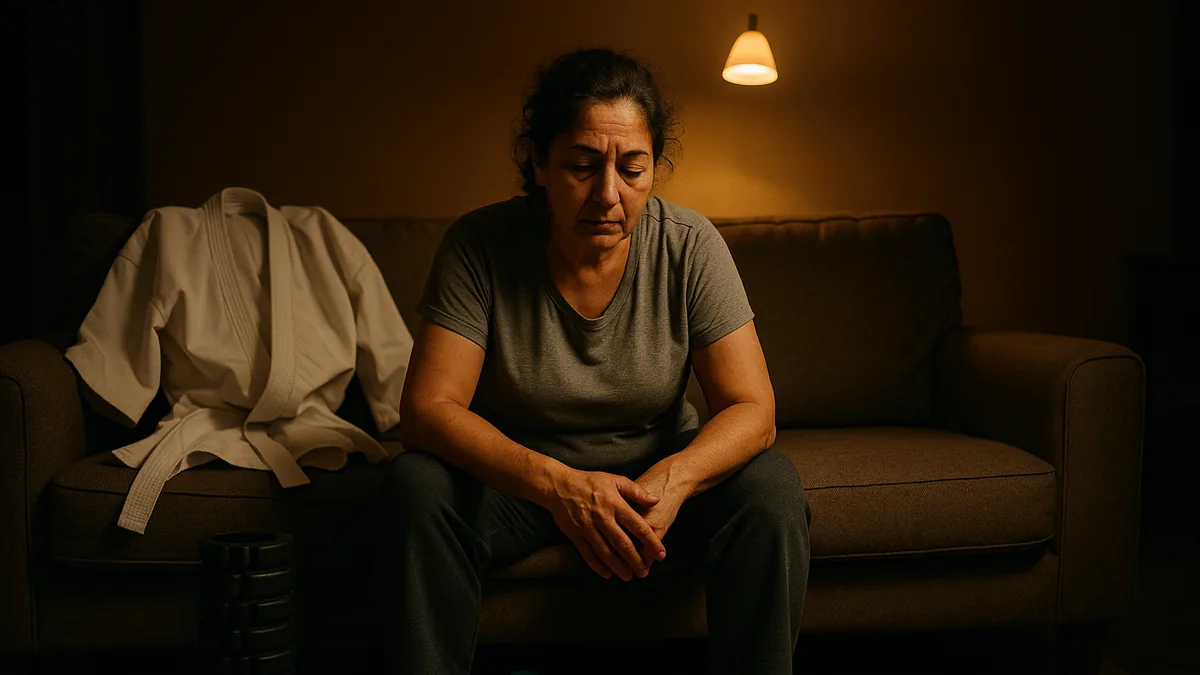
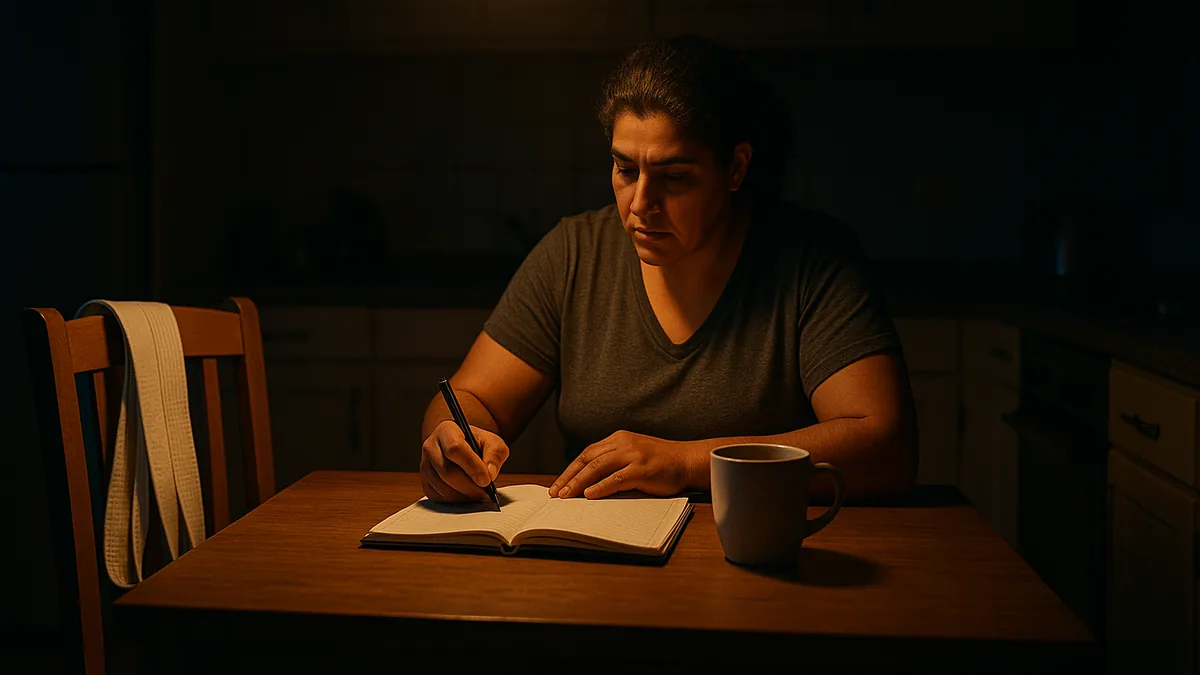
If you’re grinding through sessions feeling like your body is made of wet concrete, your technique is getting sloppier instead of sharper, and you’re snapping at your training partners over nothing - you’re probably overtrained. The honest answer is that most of us don’t admit it until we’ve already been in the hole for weeks. And that delay is exactly what makes overtraining so damaging in karate specifically, where the skill degradation that comes with it can set you back months.
How Do You Actually Know It’s Overtraining and Not Just Tiredness?
This is the question I get wrong every time I’m the one who’s overtrained, because overtraining is genuinely good at disguising itself as laziness or weakness. I’ve noticed that the distinction usually comes down to one thing: does a rest day fix it?
Normal tiredness responds to sleep and a day off. You come back the next session feeling recovered, maybe even fresh. Overtraining doesn’t respond that way. You take a day off and you still feel flat. Your reaction time is off. You’re pulling punches in kumite not because you’re being controlled but because your body isn’t firing the way it should. Kata that you’ve drilled ten thousand times starts feeling disconnected - like you’re watching yourself do it from slightly outside your own body.
Other signs I’ve seen in myself and in students:
- Elevated resting heart rate (if you track it, a jump of 7-10 bpm is a reliable red flag)
- Sleep that doesn’t feel restful even when you’re getting enough hours
- Persistent soreness in the same spots that doesn’t shift between sessions
- Getting sick more often - the immune suppression from overtraining is real
- Dreading training, not in the normal “I’m tired but I’ll go” way, but a genuine aversion
The irritability piece is underrated. I used to dismiss it as just stress from other areas of life. My instructor at the time finally said to me, “You’ve been short with everyone for three weeks. When did you last take a proper rest?” He was right. I hadn’t made the connection.
Why Is It So Hard to Admit You Need a Break?
Because karate culture, particularly in traditional dojos, has a complicated relationship with rest. There’s a version of bushido that gets misapplied to mean “push through everything always.” I’ve trained in dojos where taking a rest day felt like admitting weakness, and I’ve trained in dojos where senior practitioners openly discussed their recovery needs as part of serious training. The second type produced better long-term athletes.
What most people get wrong about this is that admitting overtraining isn’t a sign you trained too hard - it’s a sign you trained without enough intelligence. Hard training is the point. Unmanaged hard training is just damage accumulation.
The other thing that makes it hard to admit: you’ve got a grading coming up, or a competition, or you’ve just started a new training block and you don’t want to break momentum. I understand that. But I’d rather you take a week now than spend six weeks managing a stress fracture or a shoulder injury that happened because your body was running on empty and your form broke down.
What Does a Real Recovery Week Actually Look Like for a Karateka?
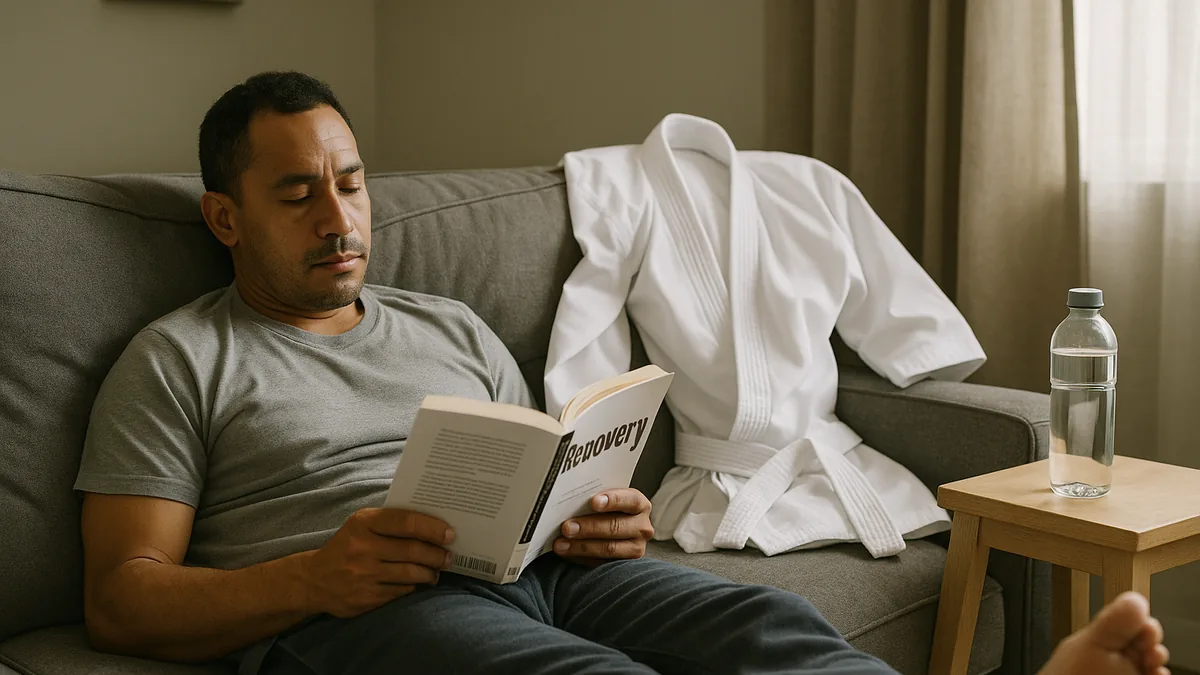
Not what most people think. Recovery doesn’t mean sitting on the couch watching television for seven days. That’s detraining. What you’re actually looking for is a reduction in training load that lets your nervous system and connective tissue catch up.
What I’d recommend for a genuine recovery week:
Active recovery sessions - light movement, mobility work, gentle drilling at maybe 40% intensity. No sparring. No heavy bag work. Think slow kata, breathing work, joint mobility. The active recovery days guide goes into the specifics of what’s actually worth doing here.
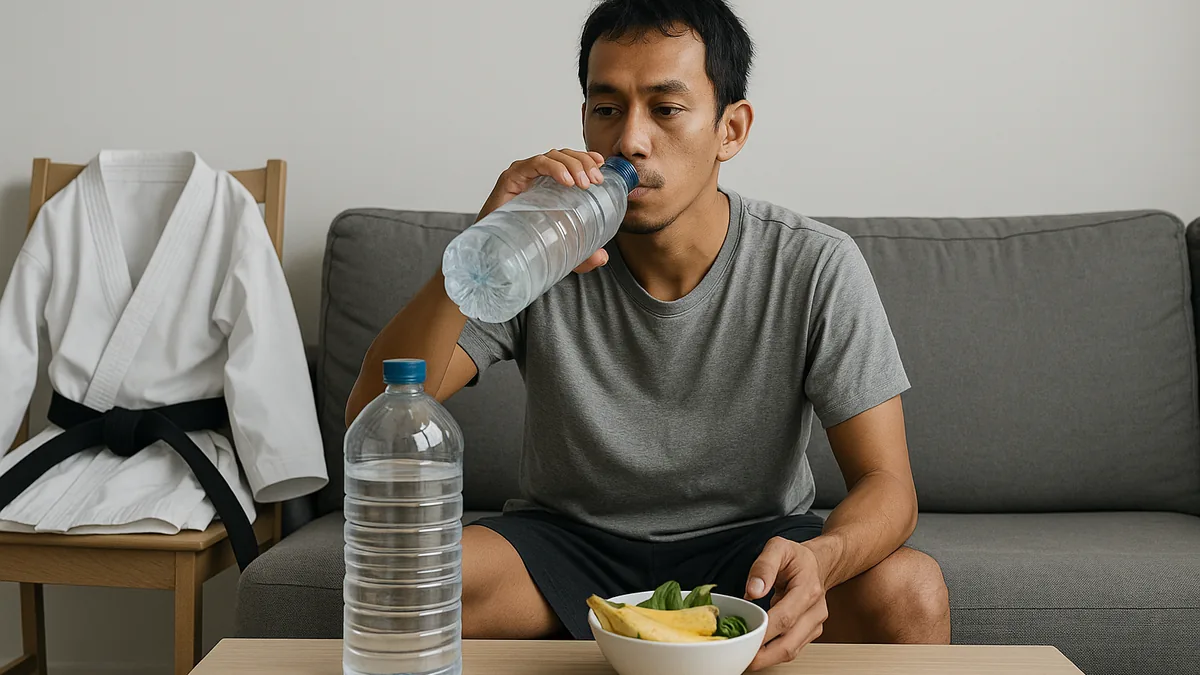
Sleep, aggressively - this is where adaptation actually happens. If you’ve been skimping on sleep to fit in more training, that’s likely part of the problem.
Recovery tools that are actually worth using - I’m selective about this. Contrast showers and Epsom salt baths have made a genuine difference for me, particularly for general muscle soreness and sleep quality. If you want the breakdown on what actually works versus what’s marketing, the piece on recovery tools for karateka is worth reading. For cold exposure specifically, the evidence is more nuanced than most people think - see cold exposure and ice baths for karate recovery.
Foam rolling - useful for specific areas, not a cure-all. The foam rolling guide for karateka is more honest about this than most.
Can Cross-Training Help, or Does It Just Add to the Load?
It depends entirely on what you’re doing and why. Cross-training done right gives your karate-specific movement patterns a break while maintaining general fitness. Cross-training done wrong just piles more stress on an already-stressed system.
I think low-impact aerobic work - swimming, cycling, walking at pace - is genuinely useful during a deload period. It maintains cardiovascular base without hammering the joints and connective tissue that karate training already puts under load. What I’d avoid: anything with significant eccentric loading (heavy squats, plyometrics), anything competitive that will make you push harder than you intend to, and anything that involves the same movement patterns as karate but in a degraded form.
The thing that changed my understanding here was realising that overtraining isn’t just muscular - it’s neurological. Your nervous system gets overtaxed, and that’s what makes technique fall apart. So the question isn’t just “are my muscles recovering” but “is my nervous system getting a genuine break?”
How Do You Structure Training to Avoid Getting Here Again?
The guide on rest between training sessions covers the specifics, but my view is this: most recreational karateka who overtrain do so because they’re running every session at the same intensity without any periodisation. They go hard on Monday, hard on Wednesday, hard on Friday, and then wonder why by month three they’re running on fumes.
What actually works is treating your training week the way coaches treat athlete programming: a hard session, a moderate session, a light session, with one full rest day that you actually take. Intensity variation within the week is the thing most people skip because it feels like they’re not working hard enough on the lighter days. You are. You’re training your recovery, which is a skill.
If you’re coming back from an injury layoff and trying to rebuild without making things worse, the principles are similar - the guide on maintaining fitness during injury layoffs applies directly.
Community Perspective
There’s a genuine split in the karate community on this. Traditional practitioners - particularly those trained in Japanese or Okinawan lineages - often have a cultural resistance to the language of periodisation and recovery science. The attitude is that discomfort is part of the training, that pushing through builds character, and that taking rest days is something soft. I understand where that comes from, and I don’t entirely dismiss it.
But I’ve also watched that attitude injure talented practitioners who then had to take involuntary breaks of months rather than voluntary breaks of days. The practitioners I know who are still training hard and effectively in their 50s and 60s are almost universally the ones who learned to listen to their bodies. The ones who treated every session like a test of will are, a lot of them, not training anymore.
Sport karate practitioners tend to be more comfortable with recovery science because they’re working with coaches who come from athletic performance backgrounds. Traditional dojo practitioners often have to figure this out themselves, which is why it takes longer to get there.
My position is that the discipline karate asks of you should include the discipline to rest when your body needs it. Grinding through overtraining isn’t hard training. It’s just hard.
Key Takeaways
- If a single rest day doesn’t fix how you feel, you’re probably overtrained, not just tired. The difference matters.
- Irritability, immune suppression, and technique degradation are as reliable as physical fatigue as warning signs.
- Admitting you need a break is a training decision, not a character failing.
- A recovery week means reduced load and active recovery, not complete inactivity.
- Vary your intensity within the training week - not every session should be hard.
- Your nervous system needs recovery as much as your muscles do. Technique falling apart is your body telling you something.
- The practitioners who last decades are the ones who learned to manage recovery, not the ones who ignored it.
The weekly digest
New karate articles, once a week
One email every week with everything new on Karate Lifestyle. No spam; unsubscribe in one click.
We'll email you to confirm. See our privacy policy.