Epsom Salts, Contrast Showers, and Compression: Which Recovery Tools Are Actually Worth It for Karateka?
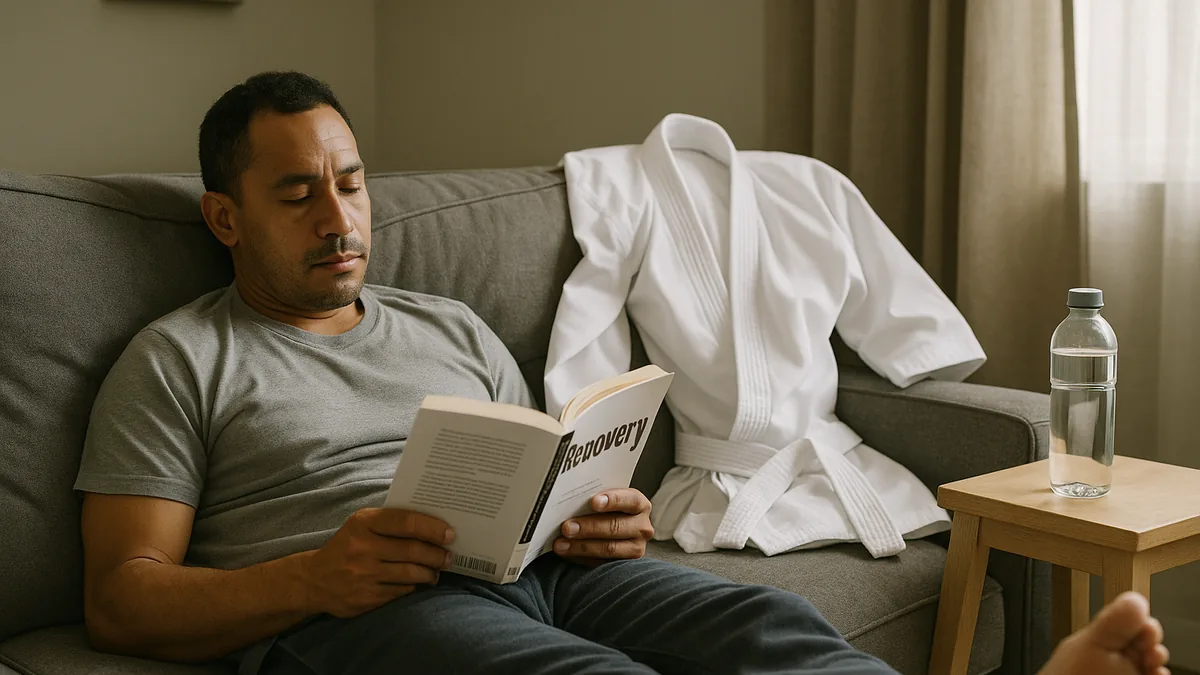
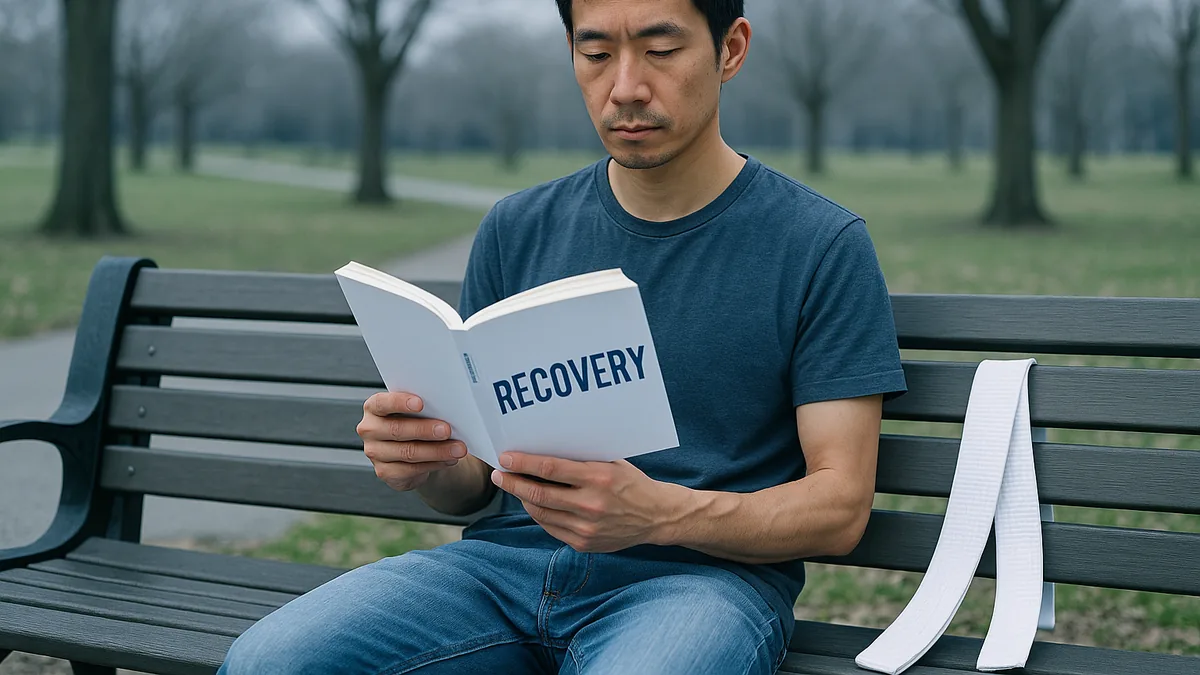
Most karateka I’ve trained with fall into one of two camps when it comes to recovery: they either ignore it completely until something breaks down, or they go full obsessive and try every gadget and protocol they’ve seen online. I’ve been in both camps at different points. What I’ve landed on after years of trial, error, and watching students make the same mistakes I did is that three tools keep coming up as genuinely useful - Epsom salts, contrast showers, and compression. Not because they’re trendy, but because they consistently show up in the training lives of people who stay healthy and keep progressing.
The question worth asking isn’t “do these work?” It’s “do they work enough to be worth the time and effort, and are you using them correctly?” That’s where most people fall short.
Epsom Salts: What They Actually Do and What They Don’t
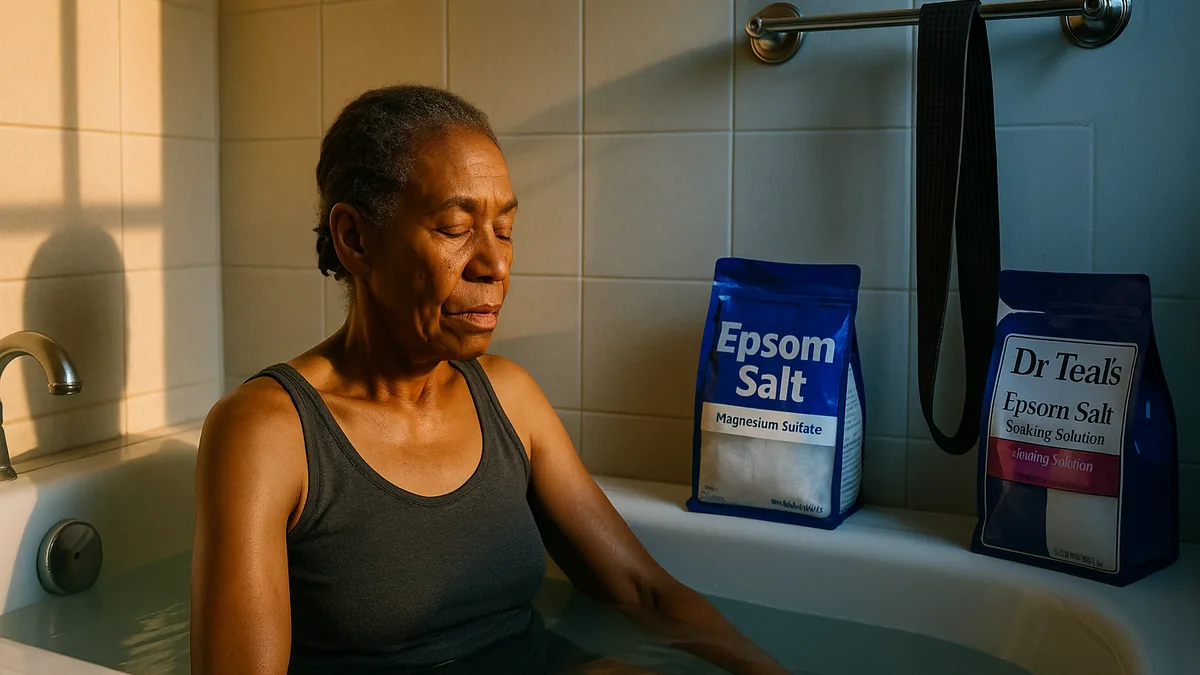
I’ll be honest - I was sceptical about Epsom salts for a long time. It felt like something your grandmother would suggest, and I couldn’t see how sitting in a bath was going to help me recover from a hard kumite session. Then I had a period about eight years ago where I was training six days a week, my legs were constantly heavy, and I was carrying low-grade soreness in my hip flexors and inner thighs that just wouldn’t clear. A senior practitioner at the dojo told me to try a proper Epsom salt soak twice a week. Not a quick shower, but an actual 20-minute soak in warm water with a decent amount of salts.
What I noticed wasn’t dramatic. It wasn’t like a switch flipped. But the heaviness in my legs started clearing faster. The soreness that used to linger into the next session was less present. I started sleeping better on the nights I soaked.
The mechanism isn’t magic. The warmth relaxes the muscles, the magnesium in the salts may absorb transdermally and support muscle function, and the whole ritual forces you to stop moving for 20 minutes, which for most karateka is genuinely rare. Whether it’s the magnesium doing the work or simply the heat and stillness - I’m not sure it matters. The outcome is what counts.
Where People Go Wrong With Epsom Salts
The mistake I see most often is using too little salt and too little time. People throw a small handful into the bath, sit in it for five minutes while checking their phone, and then wonder why they don’t feel any different. You need a couple of cups minimum, water warm enough to actually relax the tissue, and you need to stay in it long enough for your muscles to respond. Twenty minutes is the floor, not the ceiling.
The other mistake is timing. Epsom salt baths are a wind-down tool. I’ve seen students use them the morning before a grading or a tournament, which makes no sense. Your body needs to be in a parasympathetic state to get anything from it. Use it in the evening, after your hardest sessions, when you’re genuinely done for the day.
I’d particularly recommend it after grading preparation periods, when you’ve been drilling combinations and kata repetitions at high volume. That kind of repetitive muscular loading creates a specific type of fatigue that responds well to heat and relaxation. It won’t replace sleep - nothing does, and if you’re not addressing that side of recovery, check out what serious practitioners get wrong about sleep - but it complements it well.
Contrast Showers: Underrated and Underused
This is the one I’d push hardest for daily use. Not because it’s the most comfortable - it isn’t, especially when you first start - but because the cost is zero, it takes three to four minutes, and the effect on how your body feels the next morning is noticeable.
The principle is simple: alternate between hot and cold water in cycles. I typically do two to three minutes hot, 30 to 45 seconds cold, repeated three times, finishing cold. The cold part feels brutal at first. You’ll feel your breath catch, your skin tighten, and a kind of sharp clarity that either you come to appreciate or you don’t. After a few weeks of doing this consistently, I actually started to look forward to the cold phase.
What contrast showers do is flush the circulatory system. The heat dilates blood vessels, the cold contracts them. Done in cycles, you’re essentially pumping blood through tissue that’s been worked hard. I’ve noticed that the muscle stiffness I’d normally carry into the next morning is significantly reduced when I contrast shower the evening after training, compared to when I don’t. That’s not a controlled experiment - it’s just what I’ve observed over years of consistent practice.
The Timing and Application That Actually Works
Where I see people go wrong here is making the hot phase too hot and the cold phase too short. If your hot phase is scalding, you’re just stressing the skin. It should be comfortably warm to slightly hot - enough to feel the dilation but not enough to make you dizzy. And the cold phase needs to be genuinely cold to create the contrast effect. Lukewarm doesn’t cut it.
In terms of when to use it - I’d say after every training session, even lighter ones. If you’ve done a heavy sparring session, this is especially useful. The legs, shoulders, and forearms take a lot of loading in kumite, and you’ll feel the difference the next morning when you’ve flushed them properly versus when you haven’t.
If you’re already curious about cold exposure more broadly, I’ve written separately about ice baths and cold exposure for karate recovery - the protocols are different and the application varies, but contrast showers are the accessible daily version that most people can actually sustain.
Compression Gear: Useful, But Not How Most People Use It
Compression is the one where I see the most confusion - both about what it does and when to use it. A lot of students wear compression shorts or calf sleeves during training, which isn’t wrong exactly, but it’s not where compression does its best work.
The real value of compression gear, in my experience, is post-training. Wearing compression tights or sleeves in the hours after a hard session - particularly if you’re going to be sitting or travelling - helps maintain blood flow and reduces the pooling that contributes to next-day soreness. I started using calf compression sleeves after tournaments when I’d be sitting in a car for an hour or two after competing, and the difference in how my legs felt the following morning was clear enough that I kept doing it.
What I tell students is this: compression isn’t a performance tool, it’s a recovery tool. If you’re wearing it because it makes you feel supported during training, that’s fine - there’s a psychological component that’s real. But if you want the actual physiological benefit, put it on after you train, not before.
What Compression Won’t Fix
Here’s my honest position: compression is the least impactful of the three tools I’m discussing, but it’s also the most convenient. You put something on and go about your life. There’s no time commitment, no bath to run, no cold water to endure. For that reason, I think it earns its place in a recovery toolkit, especially for people training multiple times a week.
The mistake I’ve seen is using compression as a substitute for addressing the underlying cause of soreness. If you’re carrying chronic tightness in your quads or hip flexors from heavy kihon drilling, compression isn’t going to resolve that. You need to address the tissue directly - foam rolling has a role here, and so does working on your mobility rather than just passive flexibility. Compression helps manage symptoms while you address the root cause. It doesn’t replace that work.
Community Perspective
There’s a genuine divide in most dojos I’ve trained in between practitioners who take recovery seriously and those who see it as soft or unnecessary. The traditional view - which I still hear from older instructors - is that if you’re training correctly, you shouldn’t need all this. Soreness is part of the process, and managing it too carefully makes you soft.
I understand that view. I don’t entirely agree with it, but I understand it. The practitioners I’ve seen carry that philosophy into their 50s and 60s tend to have trained at lower volumes and intensities than the people who burn out or pick up chronic injuries in their 30s. There’s something to the idea that building tolerance to training stress is part of the art.
Where I’ve landed is that recovery tools aren’t about avoiding discomfort - they’re about being able to train consistently over a long period. If Epsom salts help me get back on the mat two days after a hard session instead of three, I’ve gained a training session. Over a year, that adds up. The goal isn’t to feel comfortable. The goal is to keep training.
The other debate worth mentioning is between people who prioritise passive recovery tools like these and those who swear by active recovery. My view is they’re not in competition. A contrast shower and a light movement session on your rest day aren’t either/or choices. And if you’re unsure how much rest you actually need between sessions, that’s worth thinking through properly - this piece on rest between training sessions is a good starting point.
Key Takeaways
-
Epsom salt baths work best as an evening wind-down tool - use them after high-volume sessions, not before competitions. Two cups minimum, 20 minutes minimum, water warm enough to actually relax the tissue.
-
Contrast showers are the highest-value daily recovery habit I know of. Three cycles of hot/cold, finishing cold, after every training session. The cold phase needs to be genuinely cold to create the circulatory effect.
-
Compression gear earns its place post-training, especially if you’re sitting or travelling after a session. Don’t rely on it during training and expect the same benefit.
-
None of these tools replace the basics - sleep, adequate rest between sessions, and addressing tissue issues directly. They work alongside those fundamentals, not instead of them.
-
The biggest mistake across all three is inconsistency. One Epsom salt bath after a grading won’t do much. Using these tools regularly, as part of a structured recovery approach, is where the cumulative benefit shows up.
-
If you’re only going to adopt one, make it contrast showers. Zero cost, three to four minutes, and the effect on next-day readiness is the most consistent of the three.
The weekly digest
New karate articles, once a week
One email every week with everything new on Karate Lifestyle. No spam; unsubscribe in one click.
We'll email you to confirm. See our privacy policy.