How to Recover From a Karate Tournament in the 48 Hours After Competing: What to Do and What Not to Do
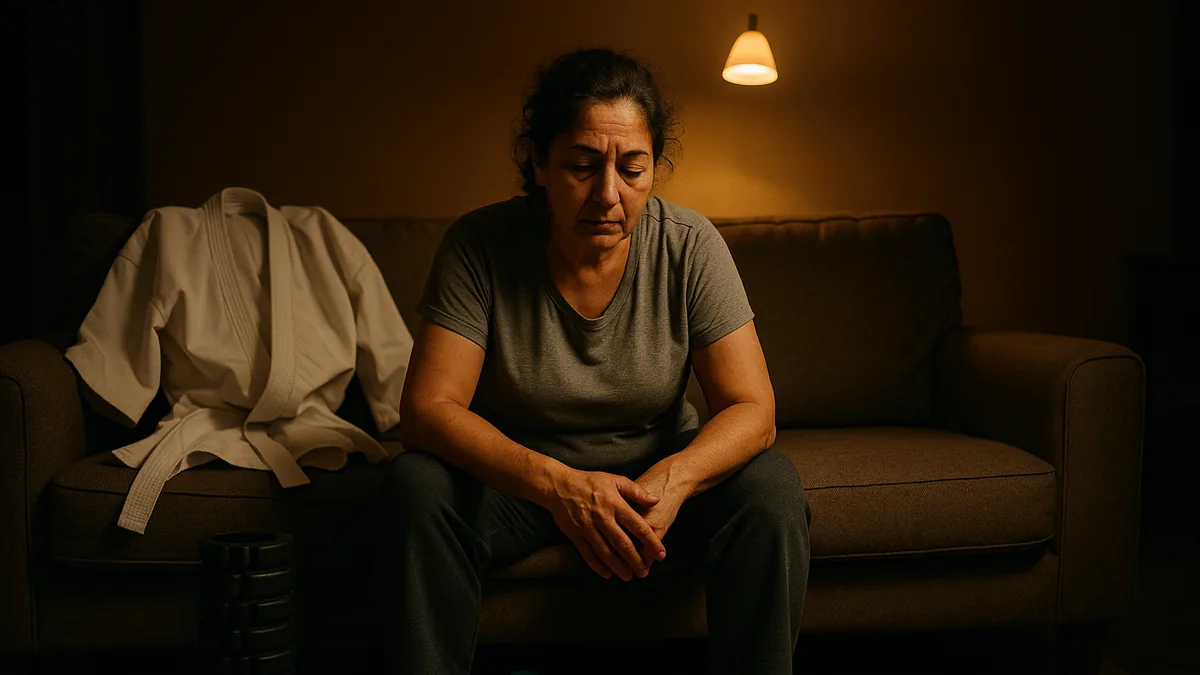
Most competitors walk off the mat, grab their gear bag, and immediately start thinking about what went wrong and when they can get back in the dojo to fix it. I get it. That competitive itch doesn’t switch off just because the tournament ended. But the 48 hours after a competition might be the most mismanaged window in a karateka’s training year, and the mistakes people make in that window cost them more than a bad performance ever would.
I’ve seen students come back to training two days after a full-day tournament, hit the bag like they’re trying to settle a grudge, and then spend the next two weeks nursing a strain that didn’t need to happen. I’ve also watched senior competitors who’ve been doing this for twenty years handle the post-tournament window with the same deliberateness they bring to their pre-competition prep. The difference in how they feel - and perform - a week later is not subtle.
Here’s what actually works.
What Your Body Has Actually Been Through
Before you can manage recovery properly, you need an honest picture of what a tournament day does to you physically. It’s not just the matches. It’s the early start, the weight management if you cut, the hours of standing around in a cold sports hall, the adrenaline spikes every time you step on the mat, and the cumulative dehydration that builds across a full day of competing.
I used to think the soreness I felt after tournaments was from the fighting. My instructor corrected me on this early on. He pointed out that most of it comes from the sustained tension - the hours of being “on”, the gripping, the bracing, the nervous system running hot all day. The actual kumite or kata rounds might total fifteen minutes of real effort. The other eight hours are doing their own kind of damage.
Your glycogen stores are depleted. Your muscles have micro-tears from explosive efforts. Your nervous system is fatigued in a way that doesn’t show up in how your legs feel but absolutely shows up in your reaction time and coordination. And if you competed seriously, you’re dehydrated - even if you drank water through the day, you almost certainly didn’t replace what you lost.
Understanding this changes how you approach the 48 hours that follow.
Hydration and Nutrition: Get This Right First
This is non-negotiable, and it’s where I’d put 80% of your focus in the first twelve hours post-competition.
The mistake I see most often is competitors eating a big celebratory meal - or a stress-eating meal if it went badly - and calling that recovery. A large meal does something, but it doesn’t address the hydration deficit, and it doesn’t give your body what it actually needs to start repairing tissue.
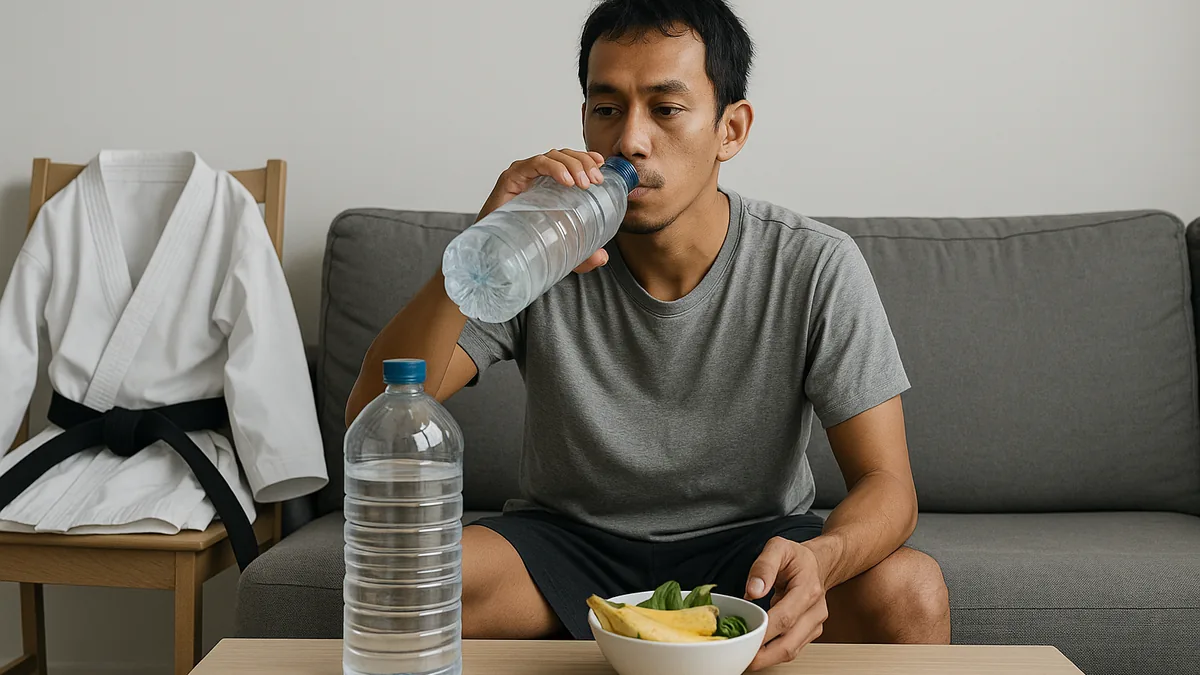
Hydration comes first. Not sports drinks, not protein shakes - water, and more of it than you think you need. A rough guide I give students is to aim for at least 500ml in the first hour after competing, then continue drinking steadily through the evening. If your urine is dark yellow by the time you get home, you’re already behind. You’re aiming for pale straw colour before you sleep.
Electrolytes matter here, not just fluid volume. You’ve been sweating for hours. Sodium, potassium, magnesium - these all need replacing, and plain water won’t do it on its own. I prefer getting these through food rather than supplements where possible: a salty meal, some banana, some leafy greens. But if you’re travelling home and food options are limited, an electrolyte tablet in your water bottle is a practical fix, not a weakness.
On nutrition: what your body needs in the first few hours post-competition is carbohydrates to restock glycogen and protein to start muscle repair. The timing matters more than most people realise. I’d rather see a student eat something modest within 60-90 minutes of finishing - a chicken wrap, rice with protein, whatever is available - than wait for a “proper” meal three hours later.
The evening meal can be larger and more varied. Prioritise protein (aim for 30-40g), include complex carbohydrates, and don’t skip fats - your joints and connective tissue need them. If you competed hard and feel genuinely depleted, this is one of the few times I’d say don’t worry about portion size. Eat until you’re satisfied.
Sleep is part of the nutrition picture. Most of your muscle repair happens during deep sleep, and the hormonal environment for recovery - growth hormone in particular - is strongest in the first few sleep cycles. If you’re travelling home after a tournament and staying up until midnight reviewing footage, you’re actively working against your own recovery. Get to bed.
Light Movement: What It Should and Shouldn’t Look Like
Active recovery in the 24-48 hour window is genuinely useful. Gentle movement increases blood flow to sore muscles, helps clear metabolic waste, and reduces the stiffness that sets in if you do nothing. But “light movement” and “training” are not the same thing, and I see this line get crossed constantly.
What light movement looks like:
A 20-minute walk the morning after a tournament is one of the most underrated recovery tools I know. It feels almost embarrassingly simple, but the low-intensity movement gets circulation going without adding any load to already stressed tissue. It also helps mentally - you’re doing something, which satisfies the part of your brain that wants to be active, without the cost of actual training.
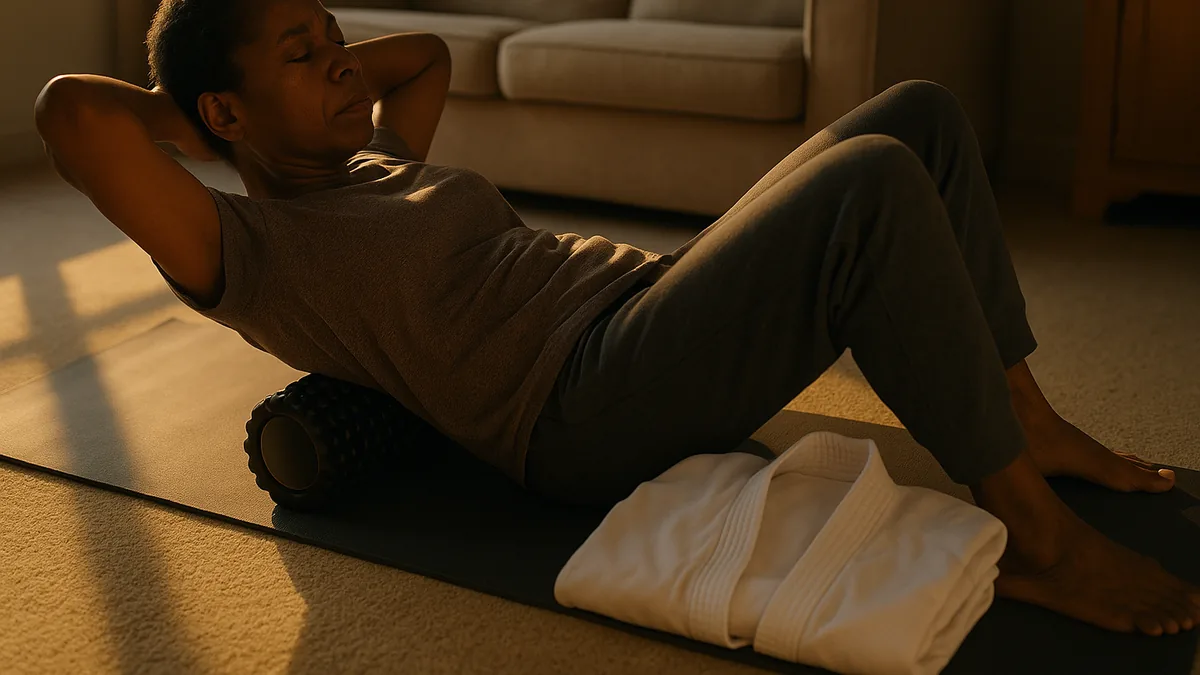
Light stretching - and I mean genuinely light, not your normal pre-training stretching routine - can help with the muscle tightness that peaks around 24 hours post-competition. Focus on the areas that took the most work: hip flexors, hamstrings, lower back, shoulders. Hold each stretch for 30-60 seconds, breathe into it, and don’t push into discomfort. The goal is circulation and gentle lengthening, not flexibility gains. This isn’t the session to work on your splits.
What it should feel like: you should finish a light stretching session feeling slightly better than when you started. Not tired. Not sore. If you’re working hard enough to feel your heart rate rise, you’ve gone too far.
For practitioners over 30, this window matters even more. Connective tissue recovery is slower, and the temptation to push through stiffness can set you back significantly. There’s a detailed breakdown of why this happens in Why Karateka Over 30 Lose Flexibility Faster Than They Expect and What to Do About It - worth reading if you’re finding post-competition recovery takes longer than it used to.
What You Should Not Do
I’ll be direct about this because I’ve had the conversation too many times.
Do not train hard in the 48 hours after a tournament. Not bag work, not sparring, not heavy kata training. Your nervous system fatigue means your technique will be degraded - you’ll reinforce bad movement patterns and increase injury risk at the same time. There’s no upside.
I’ve seen students come back the day after a tournament and push hard because they’re frustrated with how they performed. I understand the impulse completely. But what you’re doing is loading a system that’s already compromised. The correction that actually works here is to reframe what you’re doing in those 48 hours. You’re not resting instead of training. You’re training your recovery, which is a skill that directly affects how you perform in the next competition cycle.
Do not skip eating because you’re tired or travelling. This is more common than people admit. You get home late, you’re exhausted, eating feels like effort. But the window for efficient glycogen replenishment is real, and missing it means you start the next day further behind.
Do not make training decisions based on how you feel emotionally after a tournament. Competing generates strong feelings - elation, frustration, the replaying of moments where you made the wrong call. None of these are a reliable guide to what your body needs. Separate the emotional processing from the physical recovery decisions.
For a broader look at how rest between sessions should be structured, How Long Should You Rest Between Karate Training Sessions? covers the principles that apply here.
Recovery Tools Worth Considering
I’m not going to oversell any of these, but a few are worth mentioning.
A warm bath with Epsom salts the evening after a tournament is something I’ve used consistently for years. Whether the magnesium absorption is doing real physiological work or whether it’s mainly the warm water and the 20 minutes of stillness, I don’t know - but the outcome is consistent. You feel better the next morning. If you want a more thorough breakdown of what the evidence actually says about this and other tools, Epsom Salts, Contrast Showers, and Compression: Which Recovery Tools Are Actually Worth It for Karateka? is worth reading.
Cold exposure is a more contested area. I think it has a place in recovery, but not immediately post-competition if you’re trying to maximise muscle repair - the inflammatory response you’re suppressing with cold is part of the repair process. Cold Exposure and Ice Baths for Karate Recovery: Do They Actually Work? covers this properly. The short version: timing matters.
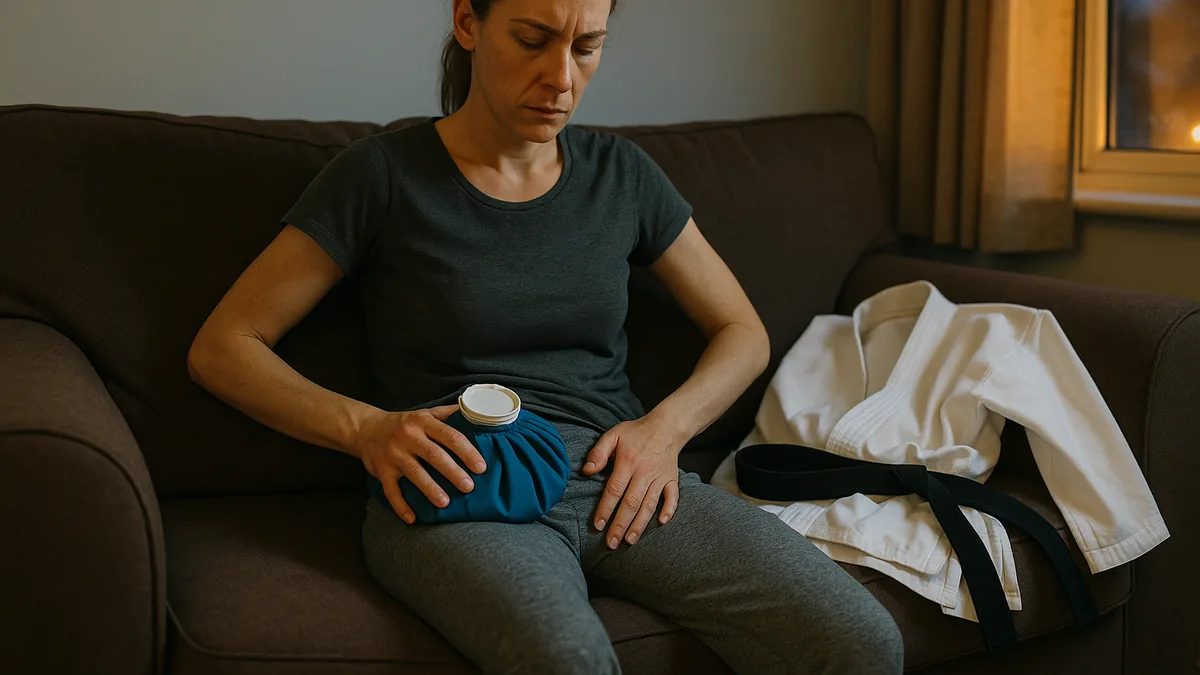
Compression garments overnight are something I’d recommend trying if you competed hard and have significant muscle soreness in the legs. They’re not magic, but they’re practical and low-cost.
Community Perspective
There’s a genuine split in how different dojos handle the post-tournament period, and I think it’s worth being honest about it.
Some traditional instructors - and I’ve trained under a few - treat rest after competition as almost self-indulgent. The expectation is you’re back in the dojo the next day, you bow in, you train. There’s a philosophy behind this that I respect: the idea that mental toughness is built by not making exceptions, and that your body is more capable than you think.
I don’t fully agree with it for modern competitors, but I understand where it comes from. The training volumes in traditional dojos were often lower overall, and the competitive schedule was different. When you’re competing multiple times a year and training six days a week, the recovery calculus changes.
The modern sports science approach - structured recovery windows, load monitoring, deload weeks - sits awkwardly in some traditional dojo cultures. I’ve found the most useful position is to hold both: respect the mental discipline that traditional training builds, and apply what we actually know about how bodies recover. They’re not incompatible. You can commit fully to your recovery the same way you commit to your training.
What I’ve noticed is that the practitioners who handle this best - who compete consistently at a high level over many years - treat recovery as part of their training identity, not as a break from it. That shift in framing is more useful than any specific protocol.
If you’re thinking about how to structure the broader training period around a competition, Active Recovery Days: What Karateka Should Actually Do Between Hard Sessions and Deload Weeks for Karateka: Do You Need Them and How to Structure One Without Losing Sharpness both address the bigger picture.
Key Takeaways
- Rehydrate before you do anything else. Pale urine before you sleep is the target, not an optional goal.
- Eat within 90 minutes of finishing competition - carbohydrates and protein, not just whatever’s convenient. The evening meal can be larger.
- Light movement the next morning (a walk, gentle stretching) is genuinely useful. Anything that raises your heart rate is not.
- Do not train hard for 48 hours post-competition. Nervous system fatigue degrades technique and raises injury risk. There is no benefit that outweighs this.
- Sleep is a recovery tool. Prioritise it over post-tournament socialising or footage review.
- Treat the 48-hour recovery window as a training decision, not a rest day. The discipline you bring to it directly affects your next competition.
The weekly digest
New karate articles, once a week
One email every week with everything new on Karate Lifestyle. No spam; unsubscribe in one click.
We'll email you to confirm. See our privacy policy.