Pinan vs Heian: Why the Same Kata Have Different Names and What That Tells You About Style Politics
Pinan vs Heian: Why the Same Kata Have Different Names and What That Tells You About Style Politics
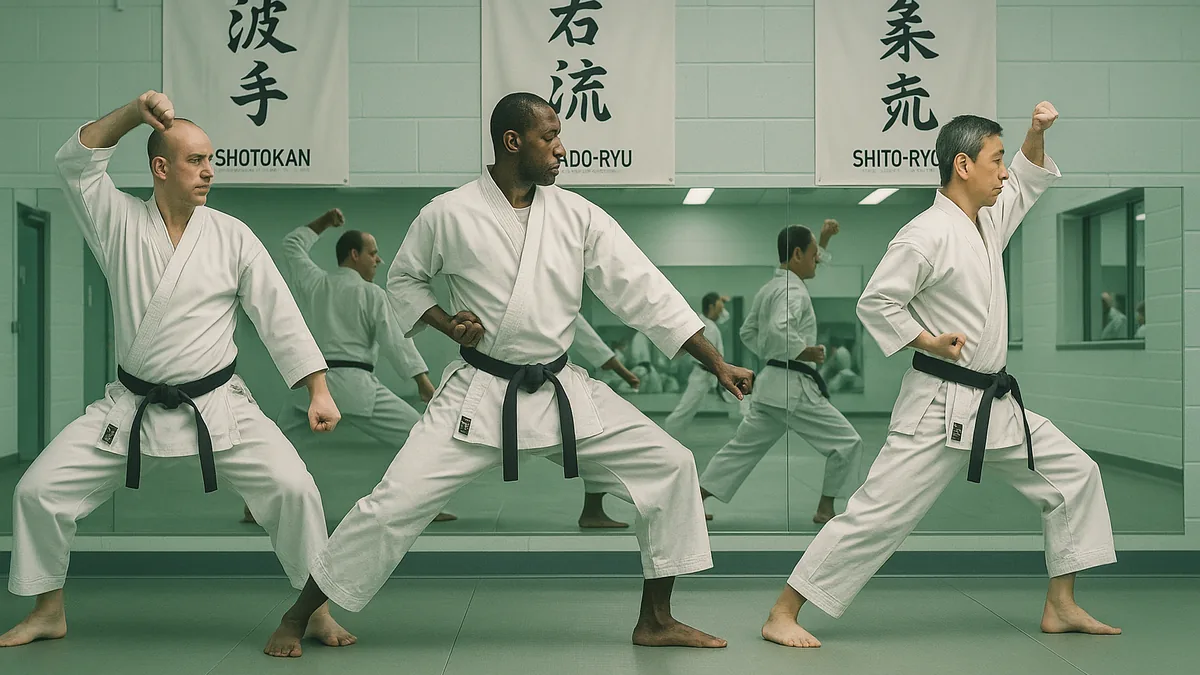
The short answer is that Pinan and Heian are the same five kata with different names, and which name you use tells people immediately which style family you train in. Shotokan calls them Heian. Shito-ryu, Wado-ryu, and most Okinawan systems call them Pinan. But the name difference isn’t just administrative - it reflects a deliberate act of rebranding by Gichin Funakoshi when he introduced karate to mainland Japan, and understanding why he did that tells you a lot about how politics, culture, and ego have shaped the art we train today.
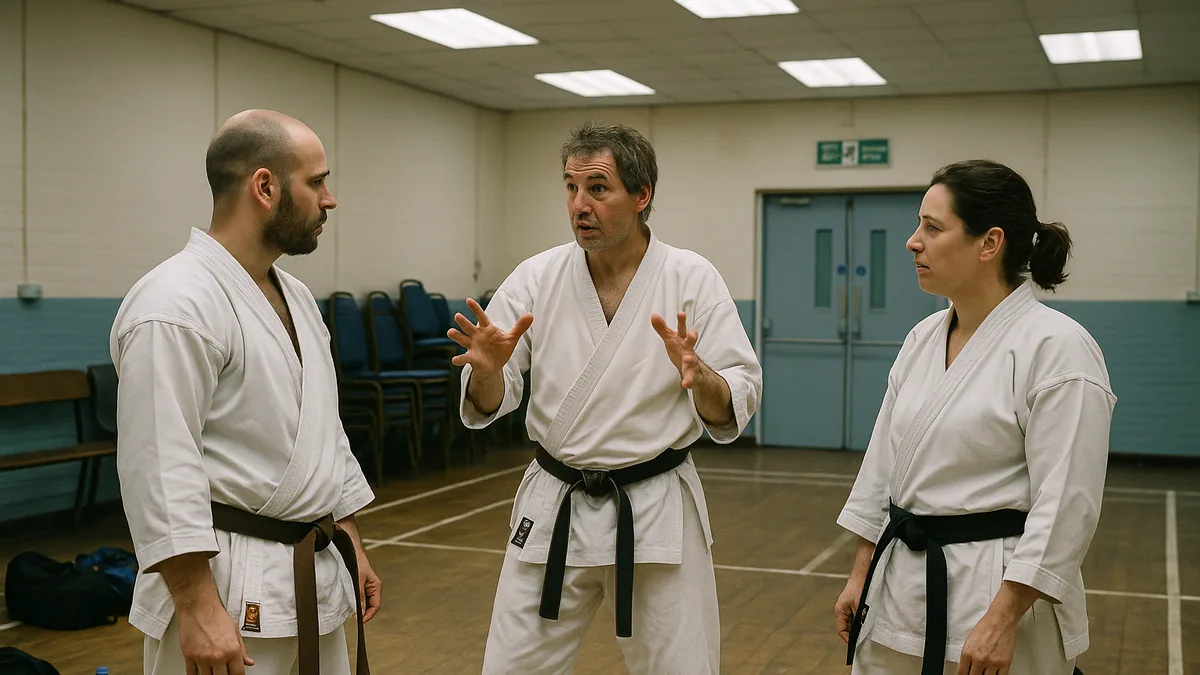
I’ve been asked this question more times than I can count, usually by students who’ve just come across a YouTube video of someone doing “their” kata under a different name and are confused about whether it’s the same thing. It is - mostly. But the story behind the names is worth knowing, because it changes how you think about kata ownership, style loyalty, and what you’re actually preserving when you practice.
Why Did Funakoshi Change the Names?
When Funakoshi brought karate to Japan in the early 1920s, he was operating in a specific political and cultural environment. Japanese martial arts - judo, kendo, jujutsu - were established, respected, and had Japanese names. Funakoshi was presenting an Okinawan art to a Japanese audience that, frankly, looked down on Okinawa. The Okinawan names carried associations he needed to work around.
“Pinan” is often translated as “peaceful mind” or “safe from harm” - the characters can be read either way depending on source. Funakoshi renamed them “Heian,” which carries a similar meaning but uses different kanji and sounds more distinctly Japanese. He also renamed the art itself from “Tode” or “Okinawa-te” to “Karate-do,” swapping the character meaning “China hand” for one meaning “empty hand.”
My instructor used to frame it this way: Funakoshi wasn’t just teaching karate, he was selling it. And to sell it in Japan at that time, he had to package it in a way that felt Japanese. I didn’t fully appreciate that until I started reading more about the political climate of the era. Once you do, the name changes stop feeling like arbitrary decisions and start feeling like calculated survival moves.
Are the Kata Actually the Same?
Here’s where it gets interesting, and where I think most people get the answer wrong.
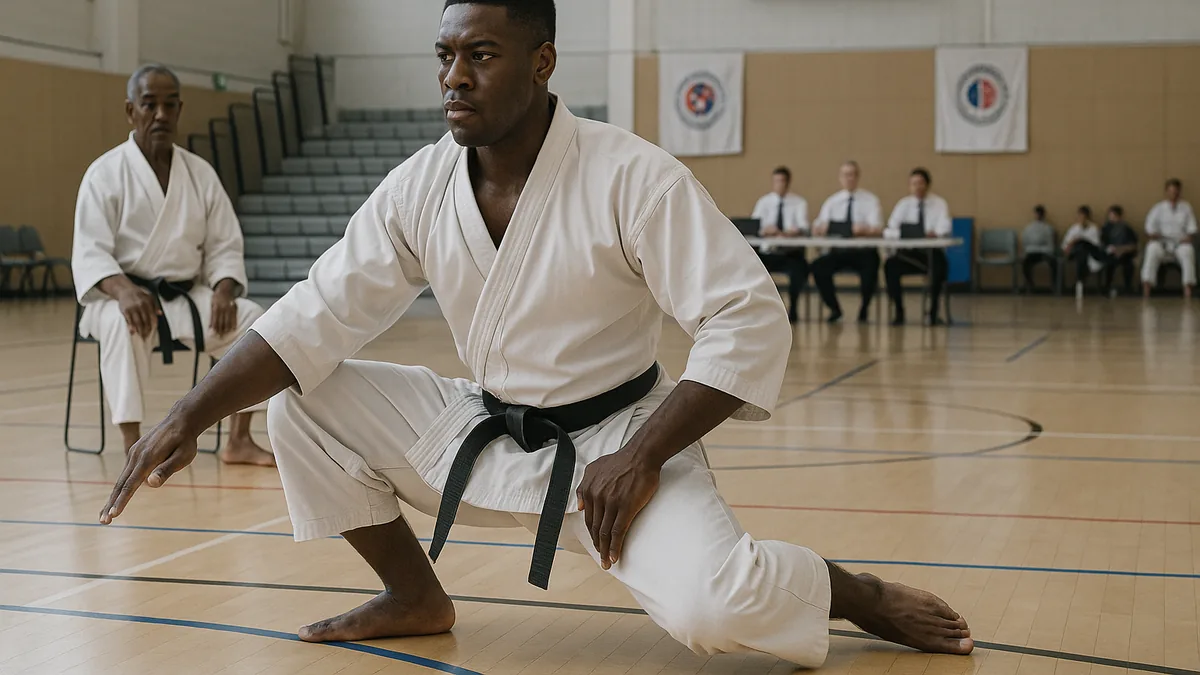
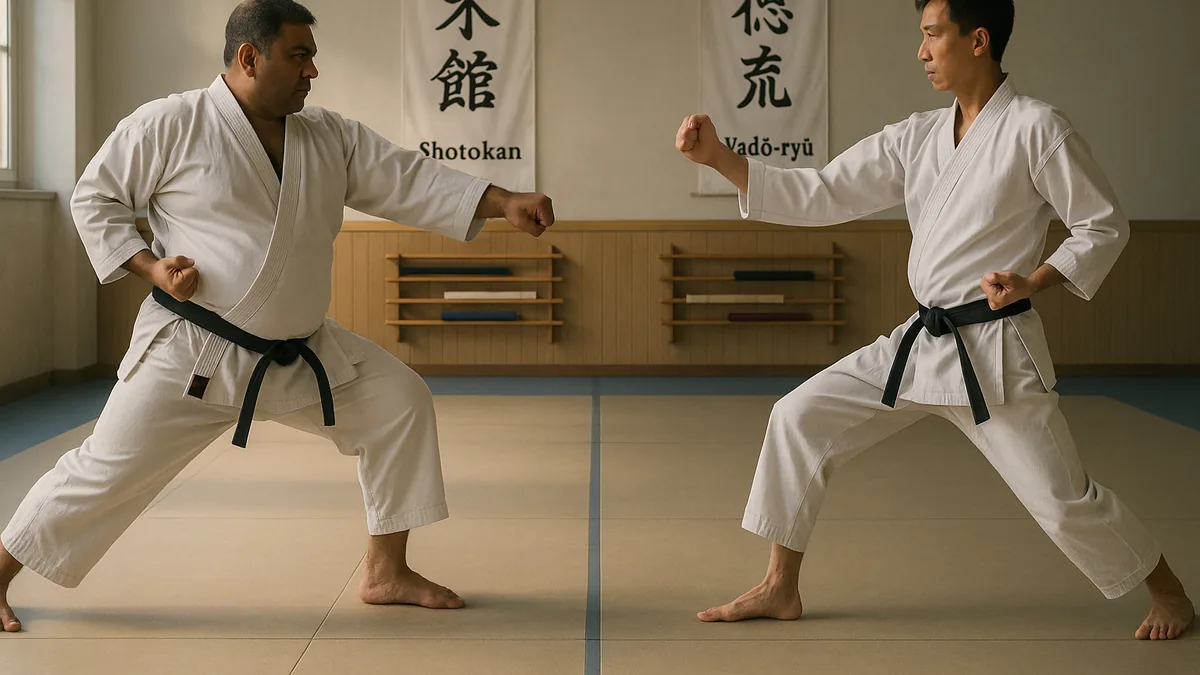
The structure is the same. The sequence of moves is recognisably identical. But if you put a Shotokan Heian Shodan next to a Shito-ryu Pinan Shodan, you’ll see real differences in execution - stance depth, hip usage, timing, the emphasis given to certain transitions. Performing the same kata in different styles is its own rabbit hole, and the Pinan/Heian series is one of the clearest examples of how the same kata can feel completely different depending on who taught you.
Shotokan tends toward deeper stances, longer lines, more pronounced hip rotation. The Heian series in Shotokan has a physical weight to it - you feel it in your legs, particularly in the transitions between zanshin and the next technique. Wado-ryu’s Pinan kata feel lighter, more fluid, with less emphasis on rooted power and more on evasion and redirection. Neither is wrong. They reflect different philosophical priorities about what karate is for.
What Does This Tell Us About Style Politics?
Quite a lot, actually. The Pinan/Heian split is a microcosm of how the major styles diverged - not just technically, but politically and philosophically.
Shotokan’s renaming was an assertion of Japanese identity over Okinawan origin. The Okinawan masters who stayed home, and those who taught in the Okinawan tradition, kept “Pinan” because for them the Okinawan roots weren’t something to rebrand around - they were the point. When you meet a practitioner who insists on using “Pinan” even in a mixed context, they’re often making a quiet statement about where they think the art’s legitimacy comes from.
I’ve noticed this plays out in dojo culture in subtle ways. Shotokan dojos tend to have a certain formality and systematisation that reflects Funakoshi’s Japanese influence. Okinawan-lineage dojos often feel different - sometimes less polished on the surface, but with a depth in the kata application work that you don’t always find in the sport-influenced styles. Neither is universally better, but they are genuinely different cultures that grew from the same root.
Does It Matter Which Name You Use?
Practically, in your own dojo, no. Use whatever your style uses. But in a broader context, it matters more than you’d think.
Using the wrong name in the wrong company can signal ignorance or disrespect - not because the name is sacred, but because it suggests you don’t know the lineage you’re working in. If you’re at a Shotokan seminar and you keep calling them Pinan, people will notice. The reverse is equally true.
What I tell students is this: learn both names, understand why both exist, and use the right one for the right context. It’s the same reason you’d know that Kanku-dai is Kushanku is Kosokun - they’re all the same kata, and knowing that shows you’ve done more than train in one bubble.
Common Misconceptions I’ve Seen
Most people think the name change was purely cosmetic. In my experience, it was the visible tip of a much larger project of adaptation. Funakoshi changed kata names, yes - but he also modified techniques, restructured the curriculum, and moved karate toward a more Japanese budo framework with an emphasis on character development and away from the practical self-defence focus that Okinawan masters had maintained.
Some Shotokan practitioners I’ve trained with genuinely didn’t know that Heian and Pinan referred to the same kata until well into their training. That’s not a criticism - it’s a reflection of how insular style communities can be. The kata nobody wants to practice piece I’d point anyone to here - because the Pinan/Heian series is exactly the kind of foundational work that gets dismissed as “beginner kata” when it actually contains everything.
The other misconception is that Itosu created these kata as genuine ancient forms. He didn’t. Itosu created the Pinan series around 1901 as a teaching curriculum for Okinawan schools - deliberately simplified from older, more complex kata to be suitable for children. They’re pedagogically designed. That’s not a weakness; it’s why they work so well as an entry point. But it does mean treating them as mysterious ancient wisdom is misplaced.
How Understanding This Changes Your Training
When I started, I just did Heian Shodan because I was told to. By brown belt I was curious about why certain movements were the way they were. By the time I had a decade in, I was actively cross-referencing Shotokan bunkai with Okinawan interpretations of the same sequences - and the Okinawan readings often made more immediate practical sense. Not always, but often enough that it changed how I moved through the kata.
You’ll feel the difference when you start exploring the bunkai seriously. A movement that looks like a block in the Shotokan interpretation sometimes reads as a joint lock or takedown setup in an Okinawan reading. The kata didn’t change - the interpretive framework did. And the name you use is part of which framework you’re working in.
If you’re training kata seriously and want to assess whether your interpretation is actually developing, this piece on self-assessing your kata is worth your time. The Pinan/Heian series is a good test case precisely because most people think they already know them well.
Community Perspective
This is one of those topics where style loyalty runs hot. I’ve seen online arguments about Pinan vs Heian that go nowhere because both sides are defending their lineage rather than examining the history. Shotokan practitioners sometimes have a defensiveness about the renaming, as if acknowledging it undermines the style’s legitimacy. It doesn’t. Funakoshi built something remarkable - but he built it on top of something that already existed, and pretending otherwise serves no one.
On the Okinawan side, there’s occasionally a snobbery that treats anything Funakoshi touched as corrupted. That’s equally unhelpful. The Heian series trains real skills. Why your kata looks the same at brown belt as it did at yellow belt is a problem that cuts across all styles, Pinan and Heian practitioners alike.
I think the most useful position is this: know your lineage, respect other lineages, and be honest about the political and cultural forces that shaped all of them. The kata survived all of it. That’s what matters.
Key Takeaways
- Pinan and Heian are the same five kata. The name you use identifies your style lineage, not a different kata.
- Funakoshi renamed them as part of a deliberate project to make Okinawan karate acceptable to a Japanese audience - this was cultural and political, not just administrative.
- The kata differ in execution between styles even when the name is the same. The name is the starting point for understanding which interpretive tradition you’re working in.
- Itosu created the Pinan series around 1901 as a school curriculum - they were never ancient. That’s not a problem; it’s context.
- Cross-referencing Okinawan and Japanese interpretations of these kata will improve your understanding of both. Don’t train in a bubble.
- Using the right name in the right context signals that you understand lineage. Using the wrong one signals that you don’t.
The weekly digest
New karate articles, once a week
One email every week with everything new on Karate Lifestyle. No spam; unsubscribe in one click.
We'll email you to confirm. See our privacy policy.