Karate vs Other Martial Arts in Sparring
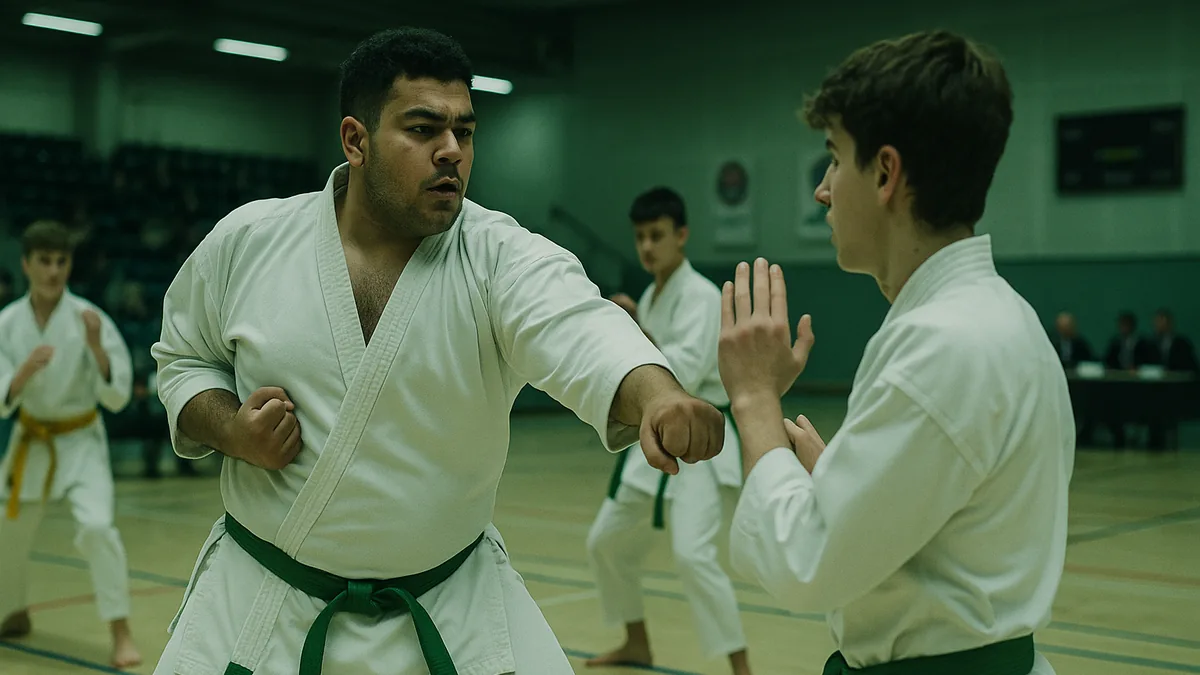
I’ve had this conversation more times than I can count. Someone walks into the dojo after watching a UFC card or a kickboxing event, and they want to know why we don’t just train like that. Or a student comes back from a tournament where they got tagged by a taekwondo fighter and starts questioning everything. The honest answer is that karate has real strengths in sparring - and real weaknesses - and most karate practitioners aren’t honest enough with themselves about either.
I’m not interested in the “all martial arts are equal” line. That’s a diplomatic non-answer. After training in karate for over fifteen years, cross-training with kickboxers, doing open-style tournaments against taekwondo practitioners, and spending time on the mat with MMA guys, I have actual opinions about where we stand. Here they are.
What Karate Actually Does Well in Sparring
Distance and Timing Are Genuinely Elite
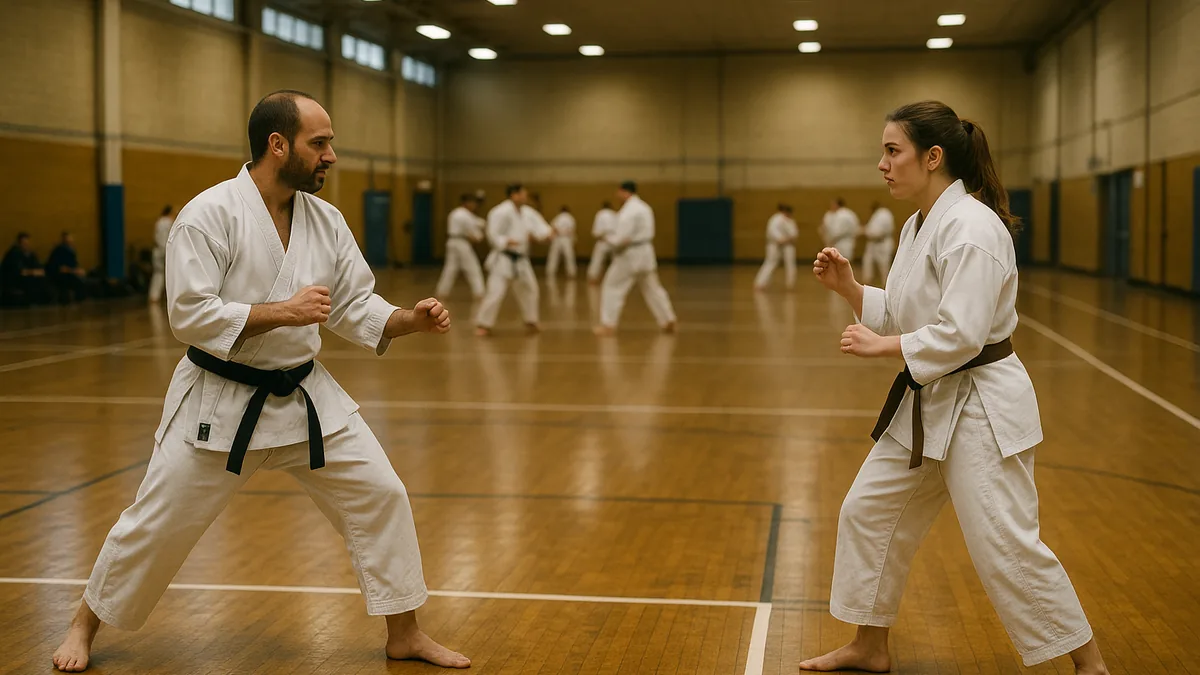
I’ve noticed that when karate practitioners get serious about kumite - not just going through the motions, but actually training it hard - their distance management becomes something else entirely. The ability to live at the edge of range, to make an opponent commit and then not be there, is trained into karate at a level I haven’t seen matched in kickboxing or taekwondo.
This isn’t about being elusive for the sake of it. It’s about controlling the fight from the outside, forcing the opponent to come to you, and picking your moment. If you want to go deeper on this, the principles behind distance management in kumite explain why this is so central to how we fight - and why it takes years to actually develop rather than weeks.
The thing that changed my understanding of this was sparring against a kickboxer who was significantly bigger than me. My instinct was to stay on the outside and use my reach. His instinct was to walk me down and work the body. What saved me wasn’t power - it was that I could read when he was about to commit and I’d already moved before his weight transferred. That’s a karate skill. It gets trained through thousands of repetitions of controlled kumite where you’re not allowed to just muscle through exchanges.
Counter-Attacking Off the Opponent’s Initiative
This is where I think karate is genuinely underrated. The emphasis on sen-no-sen and go-no-sen - meeting the attack or responding after it - builds a counter-attacking instinct that kickboxers often don’t have in the same way. Kickboxing trains combination work beautifully, but the reactive counter off a failed attack is something karate practitioners develop almost by default.
In jiyu-kumite, this becomes your fastest scoring opportunity. Your opponent throws, misses or gets blocked, and you’re already moving into the space they’ve opened. It’s not a conscious decision at that point - it’s a trained response. Counter-attacking in karate goes into the mechanics of this in more detail, but the core of it is that you have to train the response until it doesn’t require thought.
Where Karate Struggles - And Let’s Be Honest About This
The Combination Problem
Here’s where kickboxing beats us, and I’ll say it plainly: most karate practitioners are one-technique fighters in sparring. You see a reverse punch, maybe a front kick, and then they reset. Against another karate practitioner operating under the same rules, that can work. Against a kickboxer who has spent years building automatic combinations, it gets picked apart.
I’ve seen this pattern hundreds of times at open tournaments. The karate practitioner lands the first technique, scores the point in a points-based format, and thinks the job is done. In a continuous format or a real exchange, that single technique is the beginning of a combination, not the end of it. The kickboxer follows up. The karate practitioner is already resetting.
The reason this happens is structural. Point-sparring rewards the single clean technique. You land it, you stop, you get your point. Training that way for years means your brain literally doesn’t have the wiring for what comes next. The correction is to train combinations as units - not technique A followed by technique B, but A-B as one movement - and to do it under pressure, not just on pads.
The Low Kick Blind Spot
This one is almost embarrassing to admit, but it needs saying. Traditional karate sparring - particularly in a WKF-style ruleset - doesn’t include low kicks. So most karate practitioners have essentially no trained response to them. The first time you spar with someone who knows how to throw a proper leg kick, you feel it through your whole body in a way that’s genuinely alarming. It doesn’t hurt like a punch hurts. It accumulates. By the third or fourth one, your lead leg starts to feel unreliable.
I used to think this was a minor gap. I changed my mind after an open sparring session with an MMA practitioner who didn’t do anything fancy - just threw leg kicks every time I tried to set up a hand technique. I couldn’t deal with it. My footwork patterns, which I’d trained for years, were built around the assumption that my legs weren’t targets. That assumption was wrong.
If your dojo doesn’t address this at all, you have a significant hole in your game for anything outside a traditional karate ruleset.
Karate vs Taekwondo - A Specific Comparison
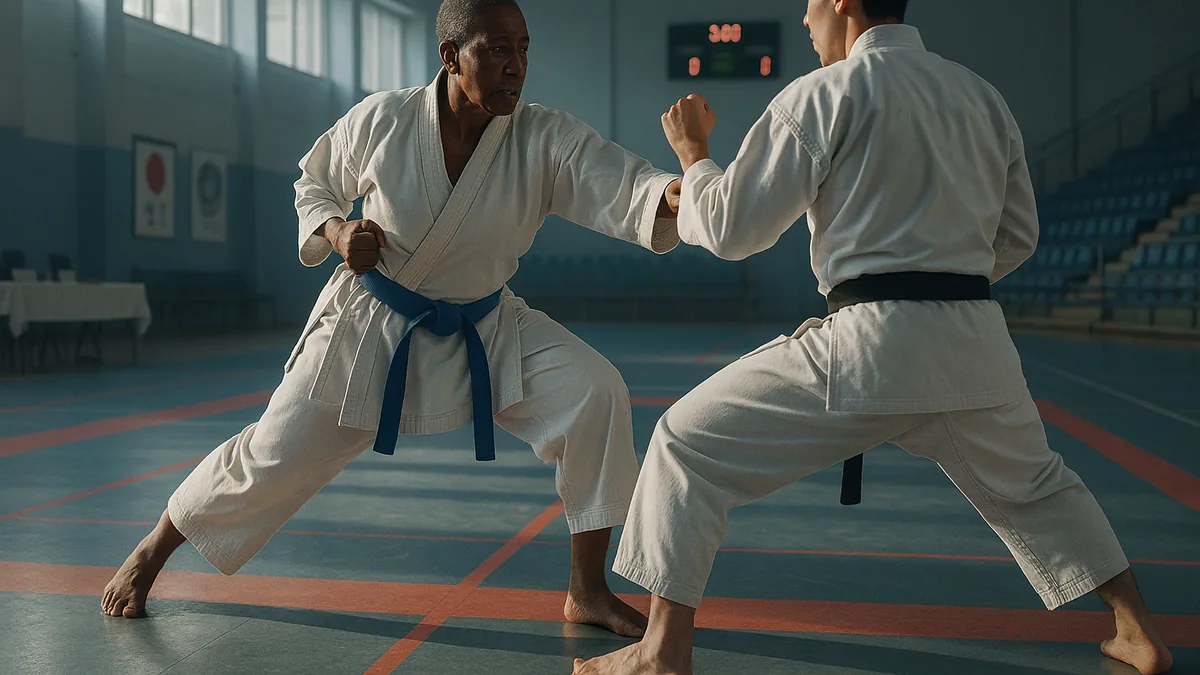
Taekwondo is interesting because it’s the art that karate practitioners most often underestimate, and then get hurt by. The kicking range and speed of a serious taekwondo practitioner is genuinely difficult to deal with. The roundhouse kick from the back leg, thrown at head height with proper hip rotation, is fast and powerful in a way that surprises people who haven’t felt it.
What I’ve noticed is that karate practitioners try to fight taekwondo fighters at mid-range, which is exactly where taekwondo is most comfortable. The answer is either get inside the kick or get far enough outside it that it loses power. Neither is easy, and neither is instinctive if you’ve trained primarily against other karate practitioners.
Where karate has an advantage over taekwondo in sparring is hand technique and close-range work. Taekwondo hands are often underdeveloped relative to the kicking game. Get inside the kicking range and the dynamic shifts. But you have to earn that position, and most karate practitioners don’t have a plan for how to get there.
Community Perspective
This is a topic that generates genuine disagreement, and I think it’s worth being honest about where the debate sits.
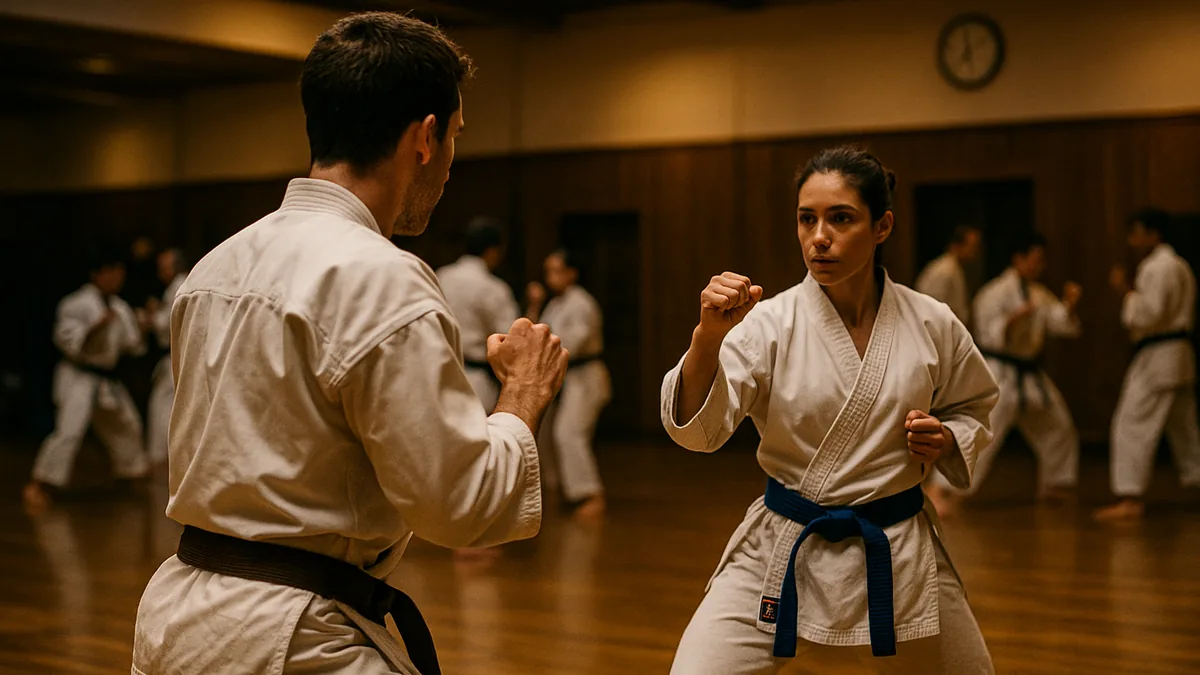
There’s a real divide between practitioners who think karate kumite is a complete sparring system and those who think it needs to be supplemented with training from other arts. My position is closer to the second camp, but with a caveat: the fundamentals that karate builds - distancing, timing, reading an opponent, the ability to read your opponent in kumite and respond before they complete their attack - are not easily developed in other arts. They take time, and they’re worth the time.
What I’d push back on is the idea that cross-training somehow dilutes karate. I’ve seen students who trained kickboxing alongside their karate come back with better combination awareness and no loss of their karate timing. I’ve also seen students who went too far into MMA training and lost the precision that makes karate effective. The balance matters.
The other honest disagreement is about competition rulesets. WKF sport karate and traditional karate kumite are genuinely different things, and what works in one doesn’t always transfer to the other. Some senior practitioners are dismissive of sport karate entirely. I think that’s too simple - competition is a form of skill testing that you can’t replicate in the dojo, and the pressure of a real match against an unknown opponent teaches things that controlled training doesn’t.
The MMA Question
I’ll be direct: MMA exposes the biggest gaps in karate more than any other format. The ground game alone is a complete blind spot for most karate practitioners. But I’d also say this - the karate practitioners who have done well in MMA have done so because of their karate, not despite it. The striking precision, the ability to time a single clean technique in the middle of chaos, the footwork that keeps them off the cage and at the range they want - these are karate skills.
The mistake is thinking karate is sufficient on its own for MMA. It isn’t. But the mistake in the other direction is thinking karate has nothing to offer MMA. The practitioners who’ve gone from serious karate backgrounds into MMA have often found that their timing and distance management gave them an edge that pure kickboxers or wrestlers didn’t have.
Key Takeaways
- Your distance management and timing are genuine advantages - train them deliberately, not as a side effect of sparring. Focused work on distance management in kumite pays dividends against any opponent.
- Build combinations as units, not sequences. If your brain is looking for permission to stop after the first technique, you’re training the wrong habit for anything outside a pure points format.
- Spar outside your style regularly. Not to replace your karate training, but to find the gaps before someone else finds them for you.
- If your training has no exposure to low kicks - either throwing them or defending them - fix that. It doesn’t take much work to build a basic response, but it takes deliberate exposure.
- Against taekwondo, your instinct to fight at mid-range is wrong. Get in or get out. Fighting at their preferred distance is how you get kicked in the head.
- Cross-training works best when it’s targeted. Identify the specific gap - combinations, grappling, low kicks - and address it directly rather than just accumulating mat time in another art.
The weekly digest
New karate articles, once a week
One email every week with everything new on Karate Lifestyle. No spam; unsubscribe in one click.
We'll email you to confirm. See our privacy policy.