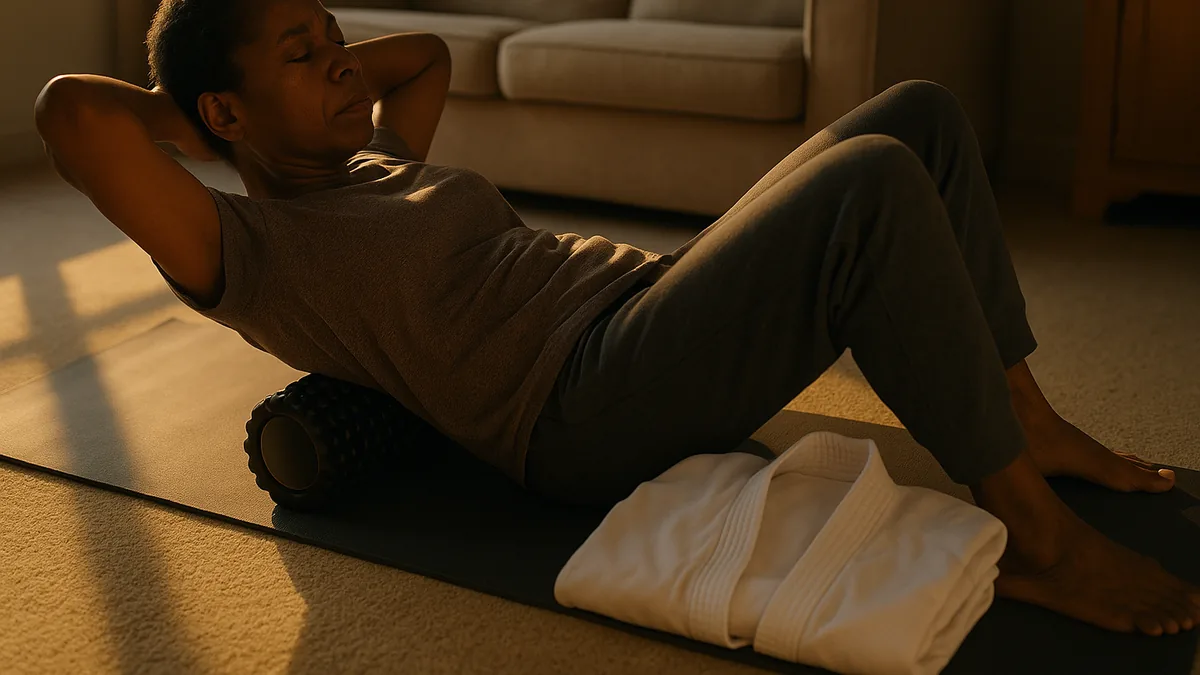
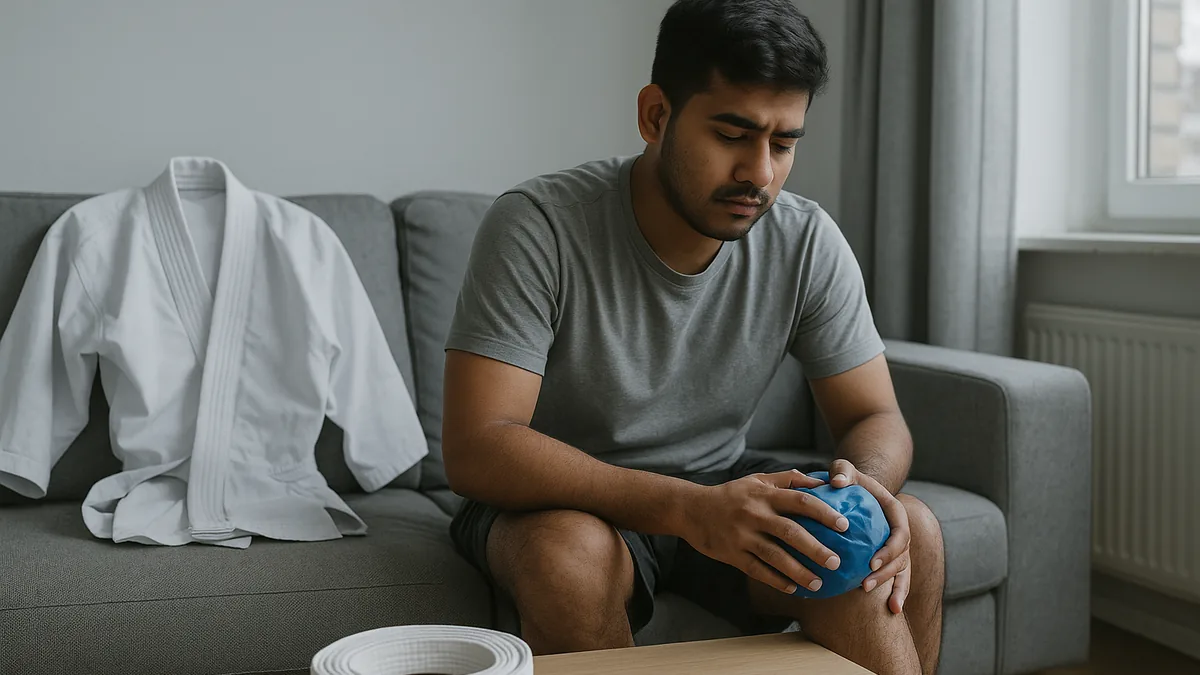
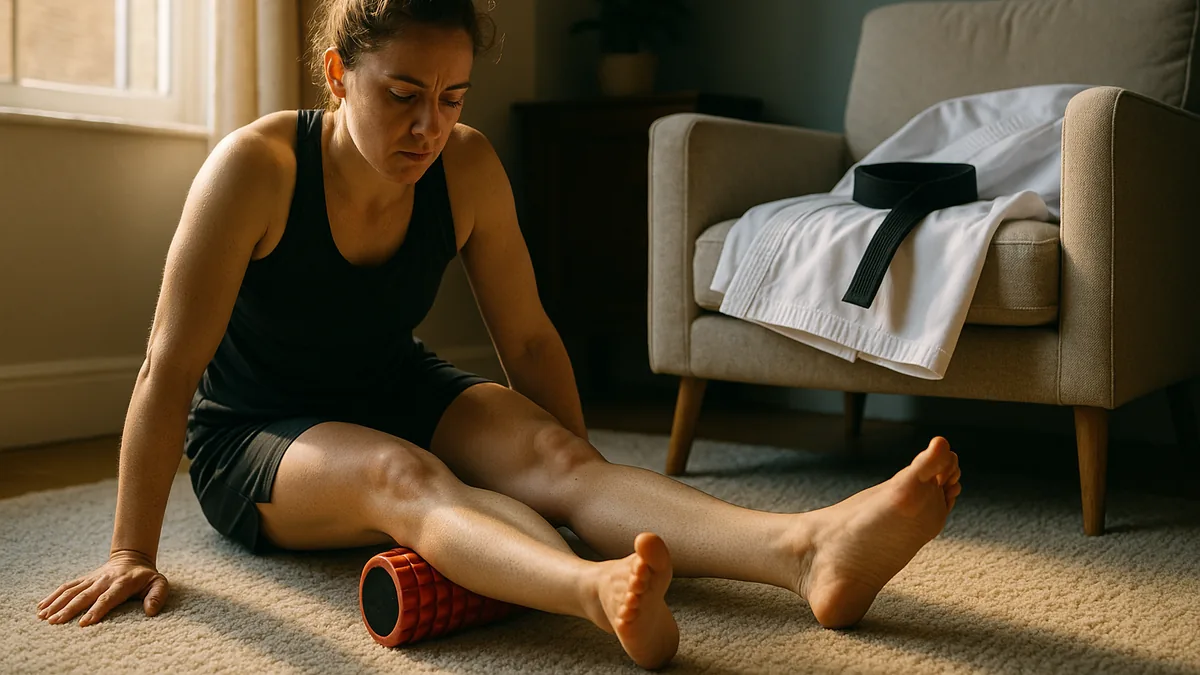
Training Through Perimenopause and Menopause as a Karateka: What Changes, What Helps, and What the Dojo Rarely Talks About
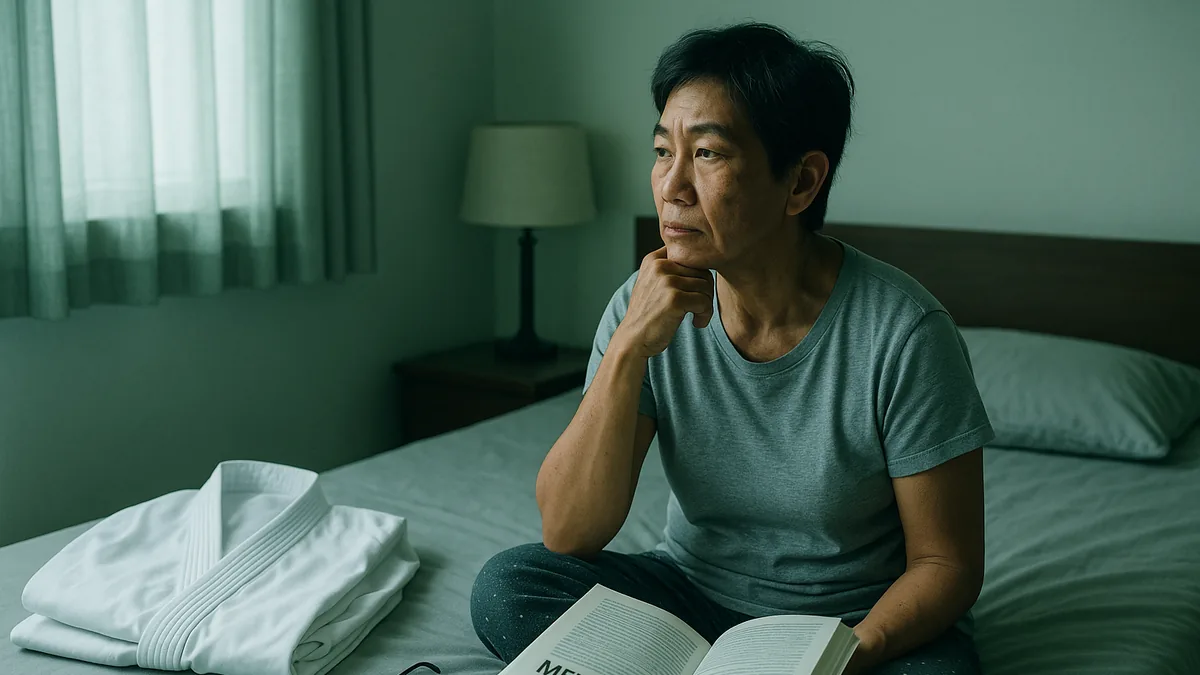
Nobody in my dojo talked about it. Not openly, anyway. I noticed it first in a student I’d been training alongside for years - a solid brown belt, consistent, reliable, someone who’d never missed a grading without good reason. Then suddenly she was dropping sessions, looking exhausted after kata she could do in her sleep, and apologising for things that didn’t need apologising for. When I asked her what was going on, she said she’d been trying to train through perimenopause and felt like her body had turned against her.
That conversation changed how I think about recovery, adaptation, and what we actually owe each other in the dojo.
If you’re navigating perimenopause or menopause while training, this is for you. Not the sanitised version. The real one - what actually changes, what I’ve seen work, and what the traditional dojo culture gets badly wrong about this.
What’s Actually Happening in Your Body (And Why It Matters for Training)
I’m not going to dress this up in vague language. Oestrogen and progesterone don’t just affect your cycle - they affect your connective tissue, your sleep architecture, your thermoregulation, your mood regulation, and your capacity to recover from training load. When those hormones start fluctuating and then declining, you’re not dealing with one variable. You’re dealing with a cascade.
I’ve noticed this most clearly in how recovery timelines shift. A student who used to bounce back from a hard session in 24 hours starts needing 48 or 72. That’s not weakness. That’s physiology. Oestrogen plays a role in muscle repair and inflammation regulation - when it drops, recovery genuinely takes longer. Training through that without adjustment isn’t toughness. It’s a fast track to overtraining.
The connective tissue piece is the one that catches people off guard. Oestrogen supports collagen synthesis. Less oestrogen means joints and tendons that are more vulnerable to load. I’ve seen experienced practitioners suddenly picking up niggles they’d never had before - knee issues, shoulder problems, plantar fasciitis - and blaming their technique or their age without understanding the underlying reason. If you’re in perimenopause and you’re suddenly getting repetitive strain injuries you’ve never had before, that’s likely a significant part of what’s happening.
Sleep disruption compounds everything. If you’re waking at 3am with night sweats and getting five broken hours, your nervous system recovery is compromised. You can’t train the same way on broken sleep as you can on eight solid hours. Your body’s ability to consolidate motor learning is affected. Your reaction time suffers. Your emotional regulation - which matters more in kumite than people admit - takes a hit.
What I tell students is this: the training load that was appropriate for you six months ago may not be appropriate now. That’s not a failure. That’s information.
Adjusting Training Without Abandoning Training
Here’s where I have a strong opinion, and I’ll own it: the worst advice I’ve heard given to perimenopausal women in the dojo is “just push through it.” The second worst is “maybe take a break from training.”
Both are wrong. Both come from not understanding what’s actually needed.
What actually works is intelligent adjustment - not retreat, not martyrdom. You’re recalibrating, not quitting.
Intensity and Frequency
I’d recommend thinking about this in terms of what you can genuinely recover from, rather than what you used to recover from. If you’ve been training four times a week at high intensity, and you’re now sleeping badly, feeling chronically fatigued, and picking up niggles, dropping to three sessions with more intentional recovery built in is not regression. It’s smart training.
The structure I’ve seen work well is keeping technical training - kata, kihon, partner drills - at whatever frequency you can manage, and being more selective about high-intensity kumite or conditioning sessions. Technical work is lower physiological cost and keeps your skills sharp. Hard sparring on a depleted nervous system is where injuries happen.
If you’re not familiar with how to structure a deload period properly, Deload Weeks for Karateka: Do You Need Them and How to Structure One Without Losing Sharpness is worth reading. The principles there apply directly to this situation - you’re not losing fitness by backing off temporarily, you’re protecting your ability to train long-term.
Recovery Between Sessions
The question of how much rest you need between sessions gets more complex during menopause. What I’ve noticed is that practitioners in this phase often need longer between high-intensity sessions, but benefit from staying active on rest days rather than going completely sedentary. Light movement - walking, gentle stretching, low-intensity kata - keeps the body in a training rhythm without adding recovery debt.
How Long Should You Rest Between Karate Training Sessions? covers the general principles well. The key adjustment for this phase is erring toward the longer end of the recommended windows, and paying close attention to how you actually feel rather than what the schedule says.
Tracking What’s Actually Happening
I used to think training diaries were for beginners who needed to track their progress. I was wrong. A training diary becomes genuinely essential when your recovery patterns are shifting, because it’s the only way to see patterns that aren’t obvious day to day.
What I tell students in this phase: track your sleep quality, your energy going into sessions, how you felt during training, and how you felt 24 hours after. After a few weeks, patterns emerge. You’ll start to see which sessions leave you energised and which ones dig a hole you spend days climbing out of. That data is worth more than any generic training prescription.
How to Use a Training Diary to Track Recovery and Spot Overtraining Before It Becomes a Problem has a practical framework for this that I’ve recommended to students more times than I can count.
The Mistakes I See Most Often
Treating Every Bad Session as a Mental Problem
One mistake I see constantly is practitioners in perimenopause telling themselves they just need to “toughen up” when they have a terrible session. They’re catastrophising about their mindset when the actual issue is that they trained on three hours of broken sleep, their cortisol is dysregulated, and their body was not in a state to train hard.
The correction here is not motivational. It’s structural. When did you last sleep well? When did you last eat properly before training? What was your stress load this week? Answer those questions before you decide your mental game has gone soft.
Ignoring the Warning Signs of Overtraining
I’ve seen women in this phase push into genuine overtraining because they were trying to prove something - to themselves, to their dojo, to the idea that menopause wasn’t going to change them. I understand that impulse completely. But overtraining during hormonal transition is harder to recover from than overtraining at 25, and the symptoms are easy to confuse with menopause symptoms themselves.
Persistent fatigue, declining performance, increased injury rate, mood disruption, disrupted sleep - these are both overtraining symptoms and menopause symptoms. When they overlap, the picture gets complicated fast. If this sounds familiar, Overtraining in Karate: How to Recognise It, Admit It, and Actually Fix It is essential reading, not optional.
Skipping Recovery Tools That Actually Help
Hot flushes make some women reluctant to try heat-based recovery, which is fair. But contrast showers and other recovery tools are worth exploring. I’ve found contrast showers particularly useful for practitioners dealing with joint stiffness and poor sleep - the temperature change has a genuine effect on circulation and can help with the aching joints that often accompany hormonal shifts. You’ll feel the difference in your morning movement quality after a few consistent weeks.
Epsom Salts, Contrast Showers, and Compression: Which Recovery Tools Are Actually Worth It for Karateka? breaks down what’s actually worth your time and what’s marketing.
What the Dojo Culture Gets Wrong
Traditional dojo culture has a complicated relationship with vulnerability. There’s value in the stoic tradition - learning to train through discomfort, not making excuses, showing up. I believe in that. But there’s a version of it that becomes actively harmful when applied without nuance.
I’ve been in dojos where nobody talked about injury properly, where admitting you were struggling was seen as weakness, where the culture was implicitly male and implicitly young. That culture doesn’t serve women in perimenopause. It doesn’t serve anyone particularly well, but it especially doesn’t serve them.
What I’d want from any dojo is this: instructors who understand that recovery needs are individual and change over time, a culture where you can modify training without it being a statement about your commitment, and senior practitioners who model honest communication about their own limitations.
If your dojo doesn’t have that, you may need to create it. Talk to your instructor directly. Most good instructors, when you explain what’s happening physiologically, will adapt. The ones who don’t are telling you something important about whether that’s the right training environment for you.
Community Perspective
This is one of those topics where I’ve seen the karate community get it badly wrong in ways that are worth naming directly.
There’s a generational split. Older instructors who trained in an era when women in the dojo were less common, and menopause was never discussed, often have no framework for this at all. Younger instructors who’ve engaged with sports science and modern training methodology tend to handle it much better.
There’s also a style split. Some traditional styles carry a culture of “train harder, complain less” that makes any conversation about hormonal adaptation feel like making excuses. Other dojos - often those with a higher proportion of female senior grades - have developed a much more sophisticated understanding of how training needs to be individualised.
What I’ve observed is that the dojos that handle this best are the ones where senior women feel comfortable talking about their experience, where the instructor culture is curious rather than dismissive, and where adaptation is seen as intelligent rather than weak. Those dojos also tend to retain their experienced female practitioners through midlife, which is not a coincidence.
The conversations that need to happen in dojos about menopause are the same conversations that need to happen about any significant physiological change - pregnancy, injury recovery, chronic illness. Training is for life. Your dojo culture should reflect that.
Key Takeaways
- Adjust your training load based on what you can genuinely recover from right now, not what you could recover from previously - this is recalibration, not retreat.
- Track your sleep, energy, and post-session recovery in a training diary for at least four weeks before drawing conclusions about what’s working and what isn’t.
- Prioritise technical training over high-intensity conditioning when your recovery capacity is reduced - you’ll maintain your skills without digging a recovery hole.
- Take joint and connective tissue niggles seriously and address them early - reduced oestrogen affects collagen synthesis, and injuries that would have been minor at 35 can become chronic problems if ignored now.
- If your dojo culture makes it difficult to train intelligently through this phase, have a direct conversation with your instructor - most will adapt when they understand what’s actually happening.
- You are not less committed to karate because your body needs different things right now. The practitioners I’ve seen navigate this well are the ones who stayed honest with themselves and kept training - on their own terms.
The weekly digest
New karate articles, once a week
One email every week with everything new on Karate Lifestyle. No spam; unsubscribe in one click.
We'll email you to confirm. See our privacy policy.