Ippon, Waza-ari, and Yuko: Understanding Scoring Criteria So You Actually Train for Points
Most competitors I’ve trained with can tell you what ippon, waza-ari, and yuko mean. Fewer of them actually train differently because of it. That gap - between knowing the scoring criteria and building your kumite around it - is where most competitive careers stall out. I’ve watched talented athletes lose matches they should have won because they were chasing the wrong thing at the wrong moment.
What the Scores Actually Mean (and Why the Definitions Aren’t Enough)
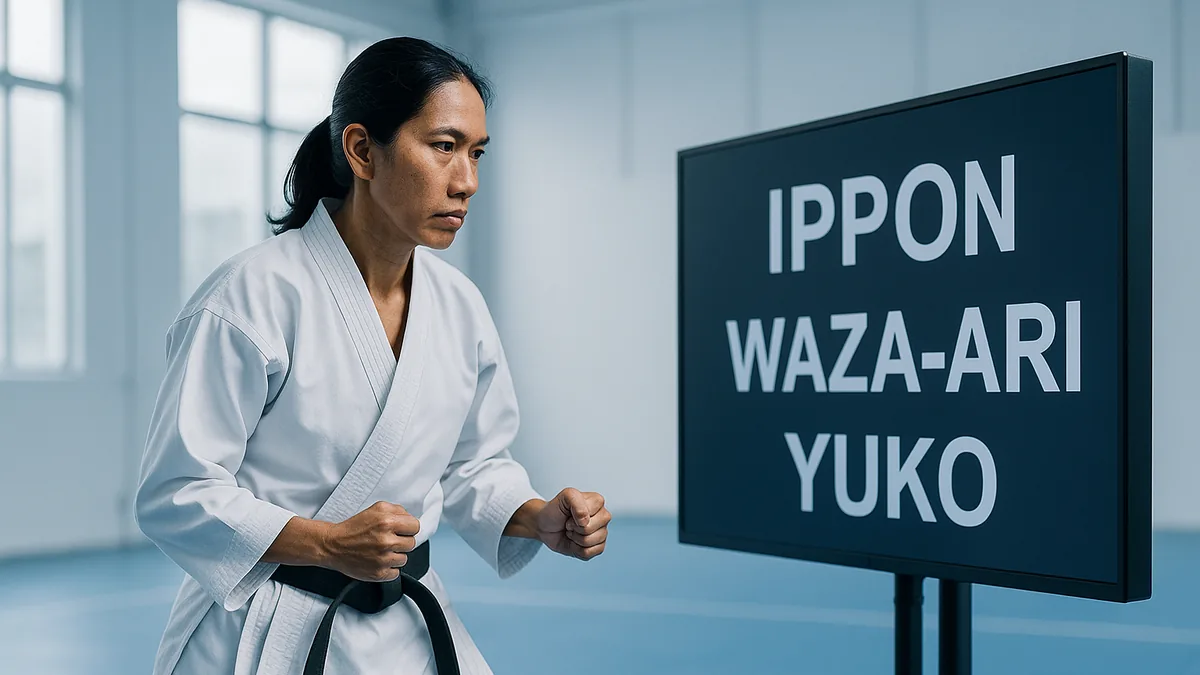
Ippon is three points. Waza-ari is two. Yuko is one. You probably knew that already. What matters more is understanding what earns each score, because the criteria aren’t just about technique - they’re about a specific combination of execution, control, and timing that judges are looking for in a single moment.
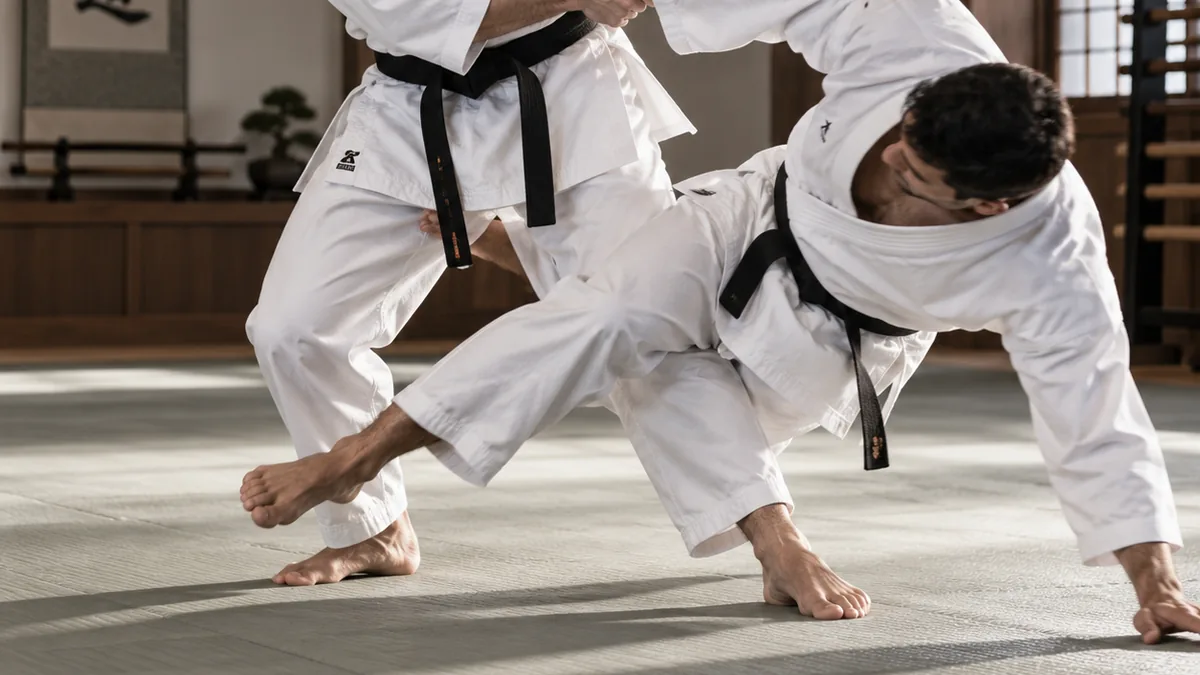
An ippon is awarded for a jodan kick, a thrown or swept opponent with a scoring technique applied, or any technique delivered to the back. Waza-ari covers chudan kicks and most hand techniques to the head. Yuko is typically a chudan punch.
Here’s where most people go wrong: they treat these as a hierarchy of difficulty rather than a hierarchy of opportunity. I’ve seen fighters spend an entire match hunting for that jodan kick ippon when they were already winning on yuko scores they weren’t protecting. The score you can land consistently is worth more than the score you’re gambling on.
Training for Points Means Training for Criteria, Not Just Technique
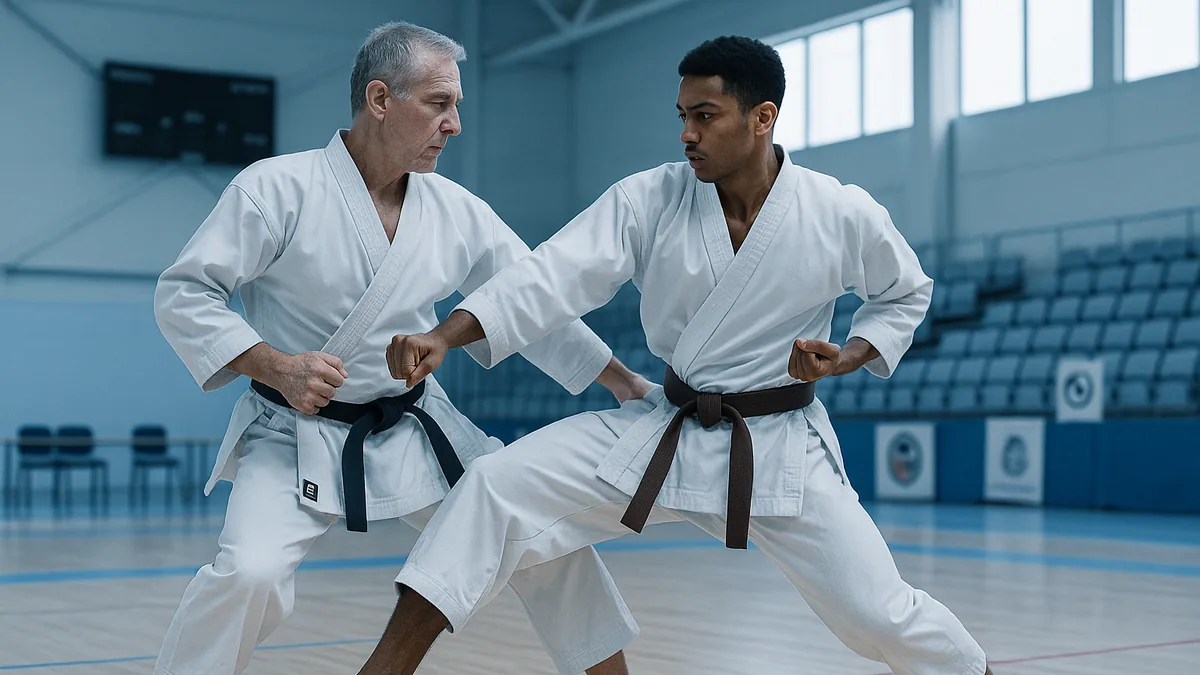
The WKF criteria for a scoring technique require good form, sporting attitude, vigorous application, zanshin, proper timing, and correct distance. Every single one of those has to be present. Miss one and you’ve thrown a technique that scores nothing, regardless of how technically clean it looked.
Zanshin is the one that kills competitors most often. I used to think it was just a formality - hold your position after the technique, look at your opponent. My instructor corrected me on this repeatedly. I didn’t really understand it until a grading where I landed a clean jodan mawashi geri, pulled back immediately, and got nothing. The judge saw the kick but didn’t see the control and awareness that follows. You’ll feel the difference when you get it right - there’s a stillness after the technique, a moment where you’re completely present and controlled, not scrambling to reset.
Vigorous application is the other one that trips up technical stylists. A beautifully chambered punch with perfect hip rotation but no commitment reads as hesitant to a judge. The technique has to arrive with intent. That doesn’t mean hard contact - it means the energy behind the movement is clear and committed. In jiyu-kumite, this becomes obvious very quickly. The punch that scores feels different from the one that doesn’t, even when they look similar. The scoring one has weight behind it, a sense that it meant something.
The Yuko Problem
I think yuko is the most underrated score in competition, and I’d argue that most competitors at club and regional level are leaving points on the board because they dismiss it.
A chudan gyaku-zuki that lands clean is one point. Land three of those while your opponent is chasing a jodan kick, and you’re winning by ippon equivalent. I’ve coached fighters who were technically capable of scoring consistently with basic reverse punches but spent matches trying to set up combination attacks that never materialised. If you want to understand why those combinations fail to land, this breakdown of why combination attacks fail in kumite is worth reading before your next training block.
The correction that works with yuko-dismissive fighters is simple: I make them spar with the explicit goal of scoring only yuko techniques for three rounds. No kicks. No jodan. Just clean chudan punches. Most of them are surprised by how much they score, and more importantly, how much cleaner their movement becomes when they’re not overreaching.
Building Your Game Around Scoring Criteria
One mistake I see often is fighters who train one way and compete another. In the dojo, they work on kihon, they drill combinations, they do kata - and then in competition they forget all of it and just react. The criteria-aware competitor trains with the end product in mind at every stage.
What does that look like practically?
- When you drill gyaku-zuki in kihon, practise the zanshin every single time. Not as an afterthought. As part of the technique.
- When you spar, call your own scores. Not to argue with your partner, but to build the habit of recognising when you’ve met criteria and when you haven’t.
- Work on distance control specifically for scoring. Most yuko punches fail not because of poor technique but because the fighter is half a step too far out. You’ll feel when the distance is right - the punch lands with body weight behind it, not just arm extension.
- If you’re competing under WKF rules, understand the difference between a controlled jodan technique and a dangerous one. The line matters for warnings and disqualification. The differences between WKF and traditional kumite rules affect how aggressively you can push that line depending on your competition format.
Reading the Match Through a Scoring Lens
I’ve noticed that experienced competitors think in score differentials, not just individual techniques. If you’re down by waza-ari with thirty seconds left, you need a specific score - not just “a technique.” That clarity changes how you move, what you commit to, and when you take risks.
It also changes how you defend. If you’re ahead by two yukos, your job is to protect that lead, not to keep attacking. I’ve watched competitors throw away winning positions because they kept attacking when they should have been managing distance and time. Controlling the centre in kumite becomes critical here - a fighter who owns the centre can dictate pace and force their opponent to take risks.
One thing that changed my understanding of match management was tracking my own scoring patterns after competitions. I kept a simple log: what techniques scored, what distance I was at, what preceded the scoring technique. After a few months, patterns emerged. I was scoring almost exclusively off counterattacks following a failed jodan from my opponent. That told me where to invest my training time.
If you’re getting scored on repeatedly from the same angle and can’t figure out why, that’s a separate problem worth addressing before you can focus on your own scoring. This article on kumite blind spots covers the diagnostic process in detail.
Community Perspective
There’s a real divide in how traditional and sport-focused dojos approach this topic. Some instructors - and I’ve trained under a few of them - actively resist teaching to the scoring criteria because they feel it produces technically shallow fighters who can’t apply karate outside a competition context. I understand that position. I’ve also seen it produce competitors who train beautifully but can’t win a match.
My view is that understanding scoring criteria makes you a better competitor and doesn’t have to make you a worse karateka, but only if you keep the underlying principles intact. The criteria exist because they’re trying to identify real martial effectiveness - good form, committed application, awareness after the technique. If you train those things genuinely, you’ll meet the criteria naturally. If you just learn to perform for judges, the technique will be hollow and your results will plateau.
The format you’re competing in matters too. Point fighting and continuous sparring reward different qualities, and your training emphasis should reflect that. This comparison of point fighting vs continuous sparring formats is worth reading if you’re deciding where to focus.
Key Takeaways
- Drill zanshin as part of every technique in kihon, not as a separate add-on. Judges see the whole picture, not just the strike.
- Train yuko-scoring techniques as your bread and butter. Consistent single-point scores win matches. Chasing ippon loses them.
- Know your score deficit at all times during a match. Technique selection should change based on what you actually need.
- Call your own scores during free sparring. If you can’t identify when you’ve met criteria, you can’t train to meet them consistently.
- Log your competition scoring patterns. What scored, from what distance, off what setup. The data will tell you where to train.
- Vigorous application is not about power - it’s about committed intent. If the energy behind the technique isn’t clear, the technique doesn’t score regardless of its technical quality.
The weekly digest
New karate articles, once a week
One email every week with everything new on Karate Lifestyle. No spam; unsubscribe in one click.
We'll email you to confirm. See our privacy policy.