Point Fighting vs Continuous Sparring: Which Format Should You Be Training For?
I’ve watched a lot of people train the wrong format for years and wonder why they’re not improving in competition. Not because they weren’t working hard - because they were preparing for one thing and being tested on another. Point fighting and continuous sparring feel like they’re in the same family, and technically they are, but training for one without understanding the other is like training sprints to run a 10K. You’ll be fit, but you’ll be fit for the wrong race.
So let’s be direct about what each format actually demands, what I’ve seen go wrong in both, and how to make a decision that actually serves your training.
What Point Fighting Actually Asks of You
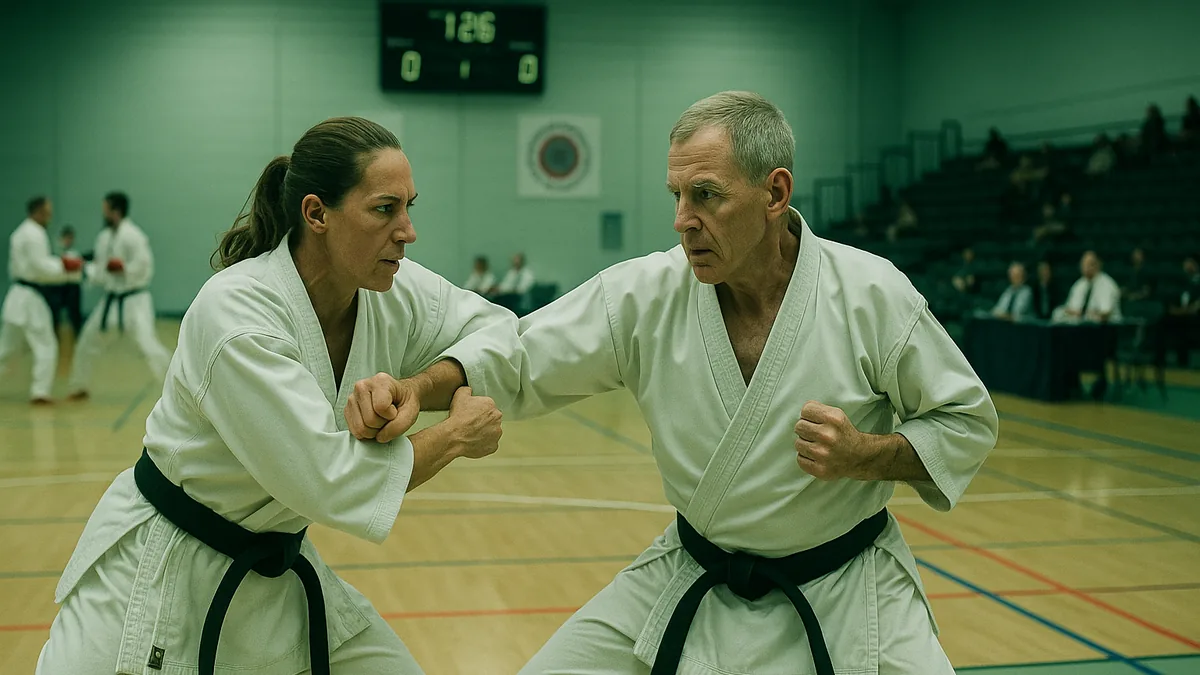
Point fighting - whether you’re doing WKF-style sport karate, SKF, or traditional ippon shobu - is about one thing above everything else: getting there first. The exchange doesn’t continue. You land clean, the referee calls it, you reset. That’s the game.
What this means physically is that your entire preparation has to be built around explosive, committed attacks from distance, and the ability to read your opponent’s intention before they’ve fully committed. Distance management in kumite becomes almost the whole conversation in point fighting. If you’re in the wrong position when the exchange happens, you’ve already lost it. The point is decided in the gap between their intent and their execution.
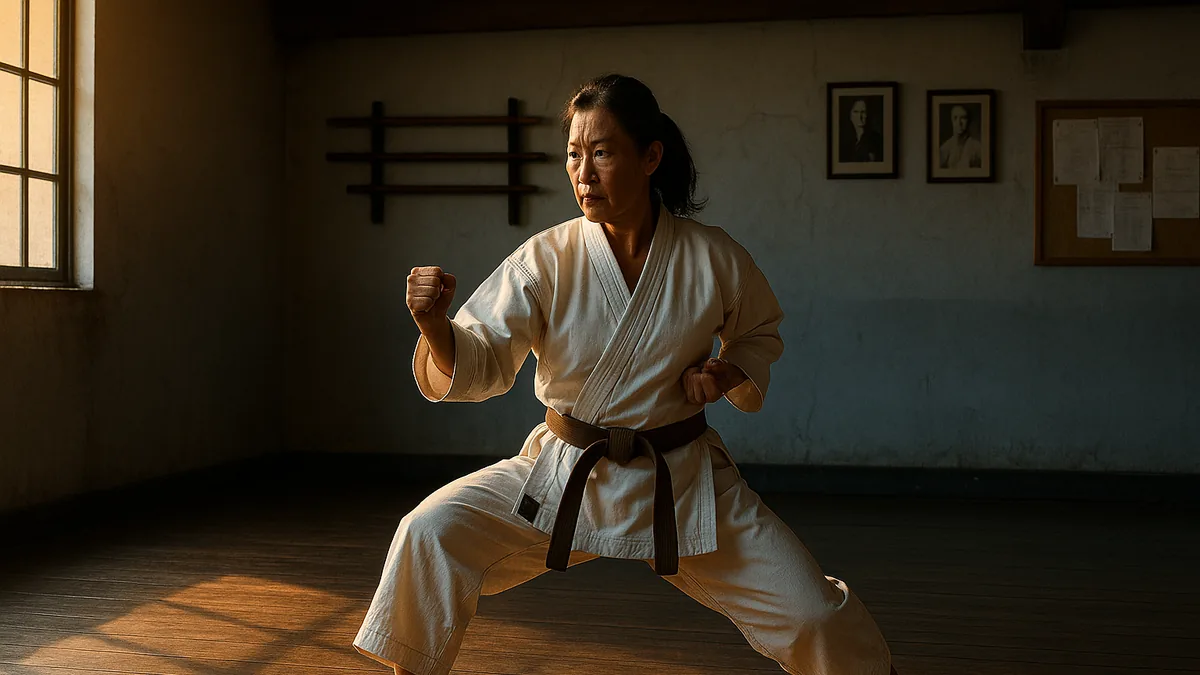
I’ve noticed that practitioners who come from continuous sparring backgrounds struggle with this at first in a very specific way: they don’t finish. They land something, feel the contact, and then expect the fight to continue - so they keep moving, keep covering, keep working. In point fighting, that hesitation costs you the point because the clean moment has already passed. The correction that works here is drilling the “land and stop” habit deliberately. Not landing and retreating, not landing and following up - landing and presenting. It feels wrong at first because your instinct is to keep going, but in this format, the confidence to stop after contact is what gets the point awarded.
The technical demand is precision at speed. Not just speed - precision at speed. I’ve seen students get very fast at sloppy techniques and wonder why they’re not scoring. The judges aren’t timing you, they’re assessing quality. A jodan gyaku-zuki that snaps through with good hip engagement and clear kime will score over a faster but sloppy technique most of the time. That kime - that moment of focused tension through the whole body - has to be there even in a fast exchange. You’ll feel it as a kind of solidity in the moment of contact, like the technique lands on something rather than through it.
The Timing Game in Point Fighting
Timing in kumite is where point fighting gets deep. The best point fighters I’ve trained with aren’t just fast - they’re patient in a way that looks like laziness until suddenly they’re not. They’re reading the rhythm of the opponent, looking for the moment when the other person is committed to something and can’t change it. That’s when they move.
My instructor used to say “wait for the door to open.” I thought he meant wait for a gap in the guard. It took me years of getting beaten in competition to understand he meant something more specific - wait for the moment when your opponent has made a decision they can’t take back. That moment is when you move. Not before, not after.
What Continuous Sparring Actually Asks of You
Continuous sparring is a different animal. You’re not looking for one clean moment - you’re managing an evolving situation over time. The exchange doesn’t stop. You get hit, you keep going. You land, you keep going. The pressure is sustained and the demands on your body are completely different.
Endurance is the obvious one, but I think the more important demand is adaptability. In continuous sparring, you have to adjust mid-exchange. Your plan fails - what do you do? Your opponent changes range - how do you respond? You take a hit that hurts - can you keep your structure? These are questions that point fighting, by design, never asks you to answer. The exchange ends before the situation can evolve.
I’ve seen a common mistake in students who train primarily for continuous sparring: they develop a tolerance for being hit that bleeds into sloppy defence. Because the fight continues regardless, they start accepting contact they shouldn’t be accepting - not consciously, but gradually. Over months of training you can watch someone’s guard get lazier and their head movement disappear because they’ve learned the hit doesn’t end the round. The correction that works is reintroducing consequence - whether that’s harder contact in training, or mixing in point-based rounds where every clean hit matters.
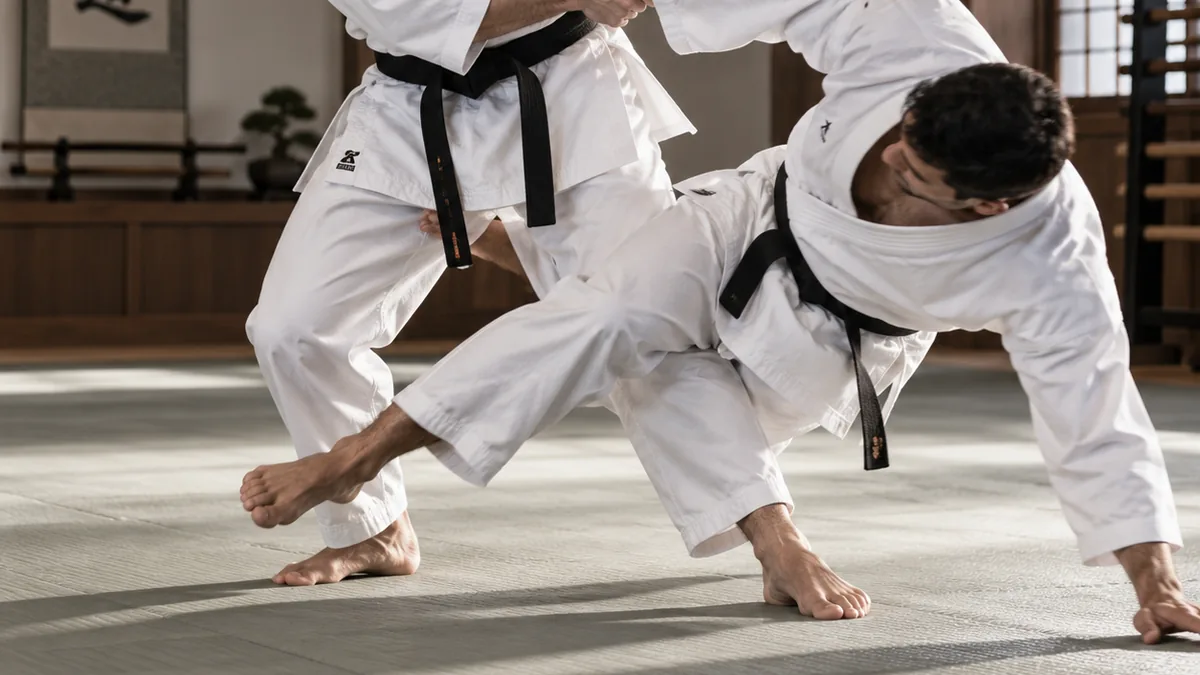
Counter-attacking in karate is where continuous sparring practitioners often have a real edge. Because they’re used to managing an ongoing exchange, they develop better instincts for finding openings off failed attacks. When your opponent throws something and misses, you’re already in motion. In point fighting, that counter has to be immediate and committed. In continuous sparring, you have a little more time to work with - but the practitioners who develop that counter-attacking instinct in continuous training often bring something valuable into point fighting that pure point fighters don’t have.
The Endurance Side Isn’t Just Fitness
I want to be clear that when I say continuous sparring demands endurance, I don’t just mean cardiovascular fitness. I mean technical endurance - the ability to maintain your structure, your guard, your footwork, when you’re tired. That’s a different thing. You can be very fit and still fall apart technically in the third round because your fitness training doesn’t replicate the specific demands of sustained sparring.
The way this shows up is in the hips. When you’re fresh, your kicks have hip behind them, your punches rotate properly. When you’re gassed, the hips stop and you start throwing with just the arm. You’ll feel it as a kind of flatness in the technique - the sensation of the punch leaving your body rather than being driven through it. Training for continuous sparring means training to keep the hip in the technique when you’re exhausted.
How to Actually Choose
Here’s my honest position: most recreational karateka should be doing both, but should be training primarily for the format they’re going to compete in. That sounds obvious but I see people ignore it constantly.
If your competition is WKF-style point fighting, the bulk of your sparring training needs to be point-based. You need to develop the habits that format rewards - explosive single attacks, clean finishing positions, patience before the exchange. Doing three rounds of continuous sparring every session might be fun and physically challenging, but it’s building habits that work against you on competition day.
If you’re competing in continuous formats - WAKO kickboxing, some traditional associations, full-contact events - you need sustained rounds with pressure. You need to know what it feels like to be in the middle of a round when you’re tired and hurting and still have to make good decisions. Point fighting drills won’t give you that.
Where it gets more interesting is for practitioners who aren’t competing, or who are training for both formats. I’d recommend thinking about it this way: use point fighting training to develop your sharpness and precision, and continuous sparring to develop your durability and adaptability. They’re not in conflict - they develop different qualities. The mistake is treating them as interchangeable.
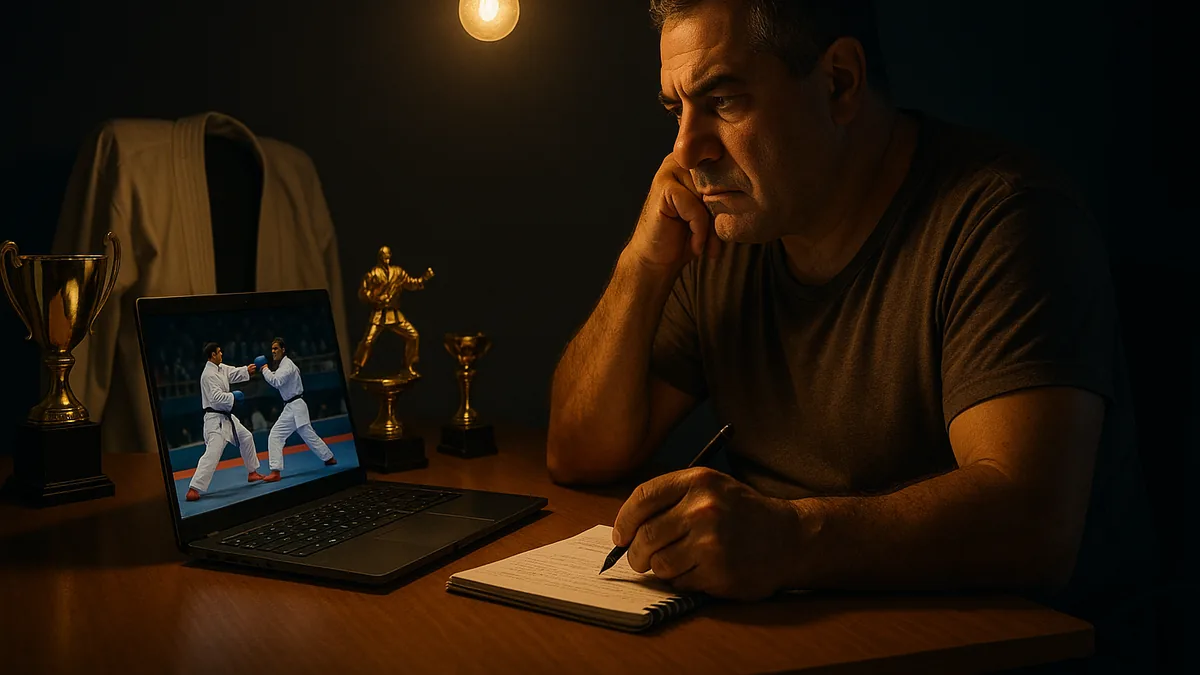
There’s also a deeper skill question here that’s worth understanding. Skill acquisition and skill testing are different processes, and different sparring formats lean toward one or the other. Point fighting, with its resets and clear feedback, can be good for testing specific techniques. Continuous sparring, with its sustained pressure, forces skill acquisition under fatigue. You need both.
Community Perspective
This is genuinely a topic that splits dojos. Traditional Shotokan and Goju-ryu schools often prioritise ippon or sanbon kumite formats that look nothing like WKF competition. Sport karate clubs are drilling the specific patterns that score in WKF. Neither side is wrong - they’re optimising for different outcomes.
What I’ve seen shift in experienced practitioners is the opinion on which format is “more realistic” for self-defence. A lot of people start out thinking continuous sparring is more realistic because it goes on longer and you have to keep fighting. After more experience, a lot of those same practitioners start to think the single committed exchange - the point fighting model - is actually closer to how real confrontations work. One moment, one decision, it’s over. I don’t think there’s a clean answer here, but I do think the conversation is worth having in your dojo.
There’s also a style-of-fighter element that doesn’t get discussed enough. Some practitioners are naturally suited to the explosive, hunting style of point fighting. Others are naturally better in sustained exchanges where they can read and adapt. Knowing which one you are isn’t a reason to avoid the other format - it’s a reason to be honest about where your development gaps are. If you’re naturally a point fighter, continuous sparring will expose your weak spots. If you’re naturally a grinder, point fighting will make you uncomfortable in ways that are genuinely useful.
Key Takeaways
- Train primarily for the format you’re competing in - the habits each format builds are specific enough that cross-training without focus creates confusion on competition day
- Point fighting demands precision at speed and a clear finishing position - landing isn’t enough if you don’t present the technique
- Continuous sparring demands technical endurance, not just physical fitness - the hips have to stay in the technique when you’re tired
- Counter-attacking instincts developed in continuous sparring are a genuine asset in point fighting - don’t assume the skills don’t transfer
- If you’re doing both formats, be deliberate about which one you’re developing in a given session - mixing them without intention tends to dilute both
- Know your natural style and train the format that challenges it, not just the one that confirms it - that’s where the real development happens
If you want to go deeper on the tactical side of managing exchanges in either format, how to spar without getting hit covers the defensive principles that apply across both, and karate vs other martial arts in sparring gives useful context for understanding why karate-specific sparring formats developed the way they did.
The weekly digest
New karate articles, once a week
One email every week with everything new on Karate Lifestyle. No spam; unsubscribe in one click.
We'll email you to confirm. See our privacy policy.