Drilling vs Sparring: How Much of Each Does a Serious Karateka Actually Need?
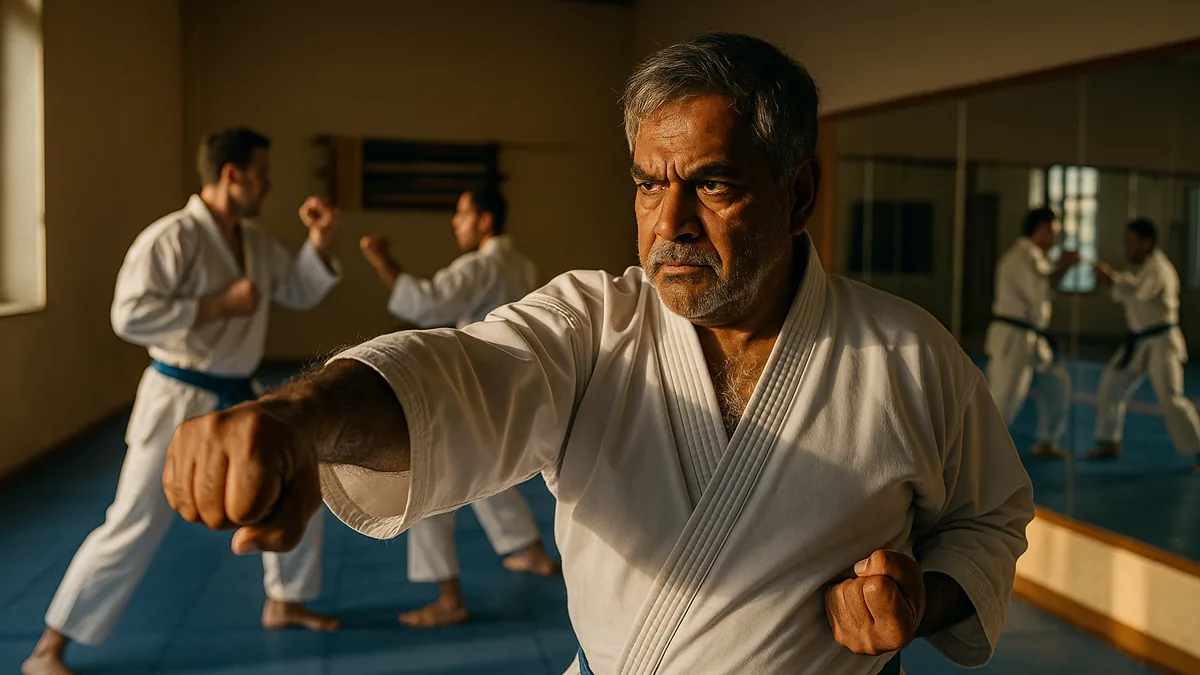
I’ve watched a lot of people train themselves into a ceiling they can’t break through. Not because they’re lazy or untalented, but because they got the ratio wrong. Too much drilling, they look sharp in the mirror and fall apart under pressure. Too much sparring, they develop bad habits that get reinforced every session because nobody’s slowing down to fix them. Getting this balance right is one of the things I’ve thought about more than almost anything else in my training, and I still don’t think there’s one clean answer - but I have a strong opinion about where most people go wrong.
What Drilling Actually Does (and What It Doesn’t)
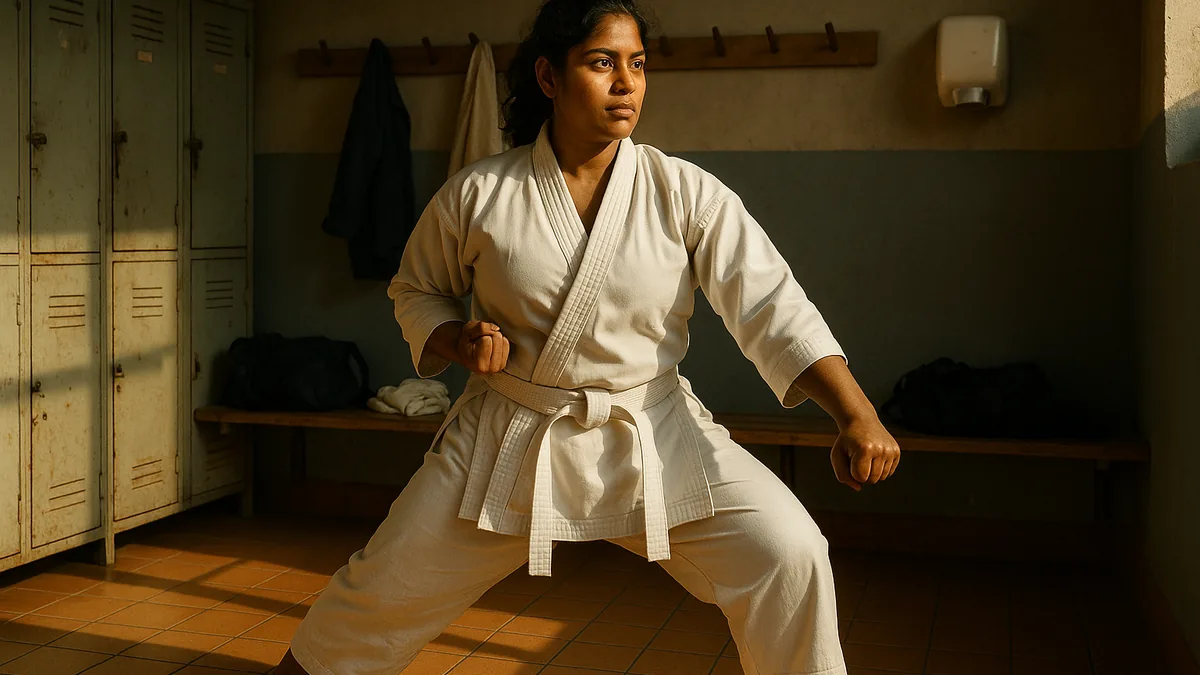
Drilling builds the architecture. That’s the best way I can describe it. When you’re doing repetition work - whether it’s basics on the spot, kata sequences, or partner combinations - you’re laying down the movement patterns that your body will fall back on when there’s no time to think. The problem is that drilling under no pressure is a very different experience from needing that movement when someone is coming at you.
I used to think drilling was about perfecting the technique. By brown belt I’d realised it’s actually about making the technique cheap - cheap in the sense that it costs you almost nothing cognitively to produce it. You want the movement to be so embedded that your attention is free to read the situation. That shift in understanding changed how I drill completely.
What good drilling feels like - and this is something I wish someone had told me earlier - is a kind of settling. When the hip rotation is genuinely driving the punch, you feel it land through your whole structure, not just in the arm. The tension isn’t in your shoulder, it’s in the moment of impact. When that’s happening consistently in drilling, you know the technique is getting somewhere. When you’re just going through the motion, there’s a flatness to it. You can feel the difference if you’re paying attention.
One mistake I see often in drilling is what I’d call “performing the technique” rather than training it. Students slow down to show the instructor they know the sequence, rather than actually ingraining the movement at a useful speed. The correction that works is to tell them to drill at the speed they’d actually use it - not sloppy, but not ceremonial either. Drilling at artificially slow speeds builds artificially slow responses. If you’re working on fixing slow reactions in kumite, this is often part of the problem.
What Sparring Actually Does (and What It Doesn’t)
Sparring is where you find out what you actually own. Not what you can do when someone is watching and waiting, but what comes out when there’s a real timing problem in front of you and half a second to solve it.
I’ve noticed that students who spar regularly develop something that drilling alone never builds - a feel for distance and initiative. They start to understand that technique without timing is decoration. The gyaku-zuki that looks textbook in the dojo evaporates in sparring because the student throws it at the wrong moment, into space, or without any setup. Sparring teaches you that the technique is only part of the equation.
But sparring also has a dark side that a lot of dojos don’t address honestly. If you spar frequently without good technical correction, you start to ingrain compensations. I’ve seen students develop a forward lean they use to generate power because they haven’t been drilled on hip mechanics. I’ve seen students who block late every single time because their sparring has taught them that late blocks still work often enough. The habits that survive sparring aren’t always the right ones - they’re just the ones that got the job done often enough not to feel like a problem. There’s a whole piece worth reading on why most blocks fail that gets into exactly this.
The Ratio Question - Where I Actually Stand
Here’s my honest position: for most serious practitioners who aren’t competing at a high level, I’d lean toward roughly 60% drilling and partner work, 40% sparring. But that ratio should shift depending on where you are in your development and what you’re trying to do.
Early in training, the ratio should tip further toward drilling - maybe 70/30. The fundamentals aren’t there yet, and sparring without them just teaches you to survive with bad technique. I’ve seen students with two or three years of heavy sparring who look like they’ve never done kihon in their lives. Their reactions are decent, their technique is a mess.
As you get more senior, the ratio can move toward more sparring, because the drilling has done its job and you need more time testing and refining under real conditions. But I’d never drop drilling completely, and I’d be suspicious of any serious practitioner who has. Even now, after 15 years, I still do significant kihon work because the technique degrades without it. You can feel it in your body when you haven’t drilled in a while - there’s a looseness, a lack of precision that sparring doesn’t fix.
For competitors in the lead-up to a tournament, I’d flip that ratio temporarily - more sparring, more tactical work, more kizami-zuki and combination drilling at speed. The base has been built; now you’re sharpening for a specific context.
How to Structure the Balance Week to Week
The biggest difference between practitioners who improve steadily and those who plateau is intentionality. Most people don’t decide what each session is for. They just train. And training without a clear purpose tends to drift toward whatever’s comfortable - which for most people means sparring, because it’s engaging, and avoiding the grinding repetition work that’s actually building something.
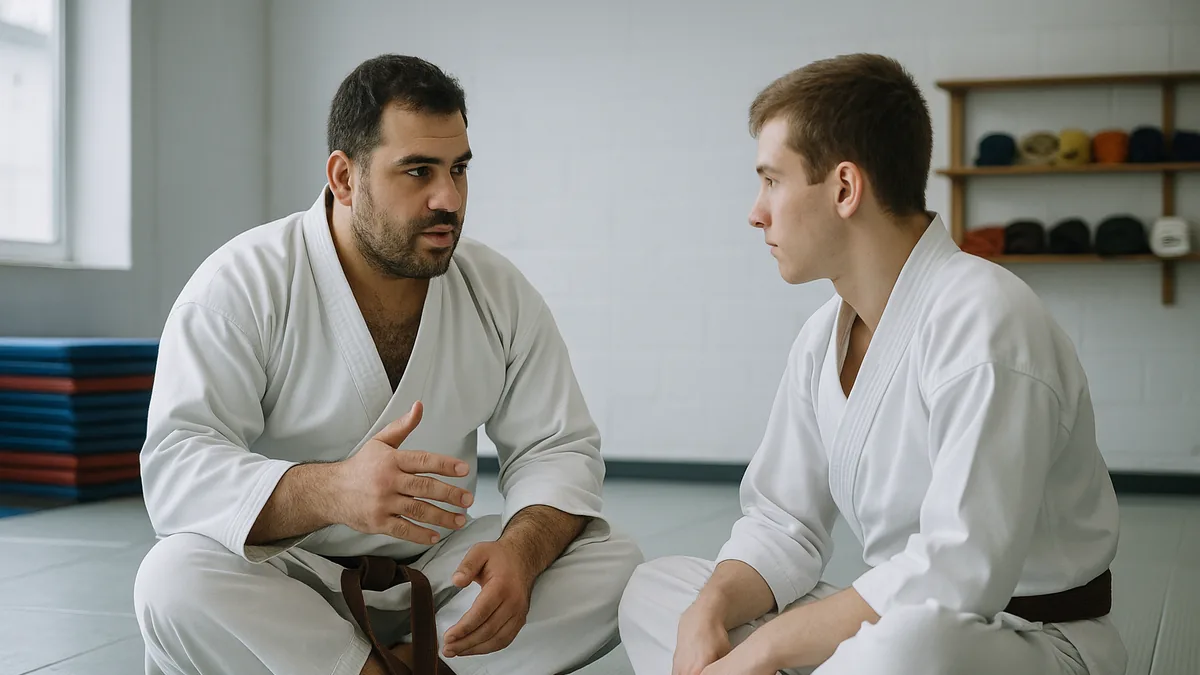
What I tell students who are serious about their development is to assign a purpose to each session before it starts. Not rigidly, but deliberately. If Tuesday is a drilling session, it’s a drilling session. You’re working on specific mechanics, specific timing in partner work, specific kata sequences. Friday might be sparring-focused. Building a training schedule that actually fits your life is worth thinking through properly rather than just defaulting to whatever the dojo happens to run that evening.
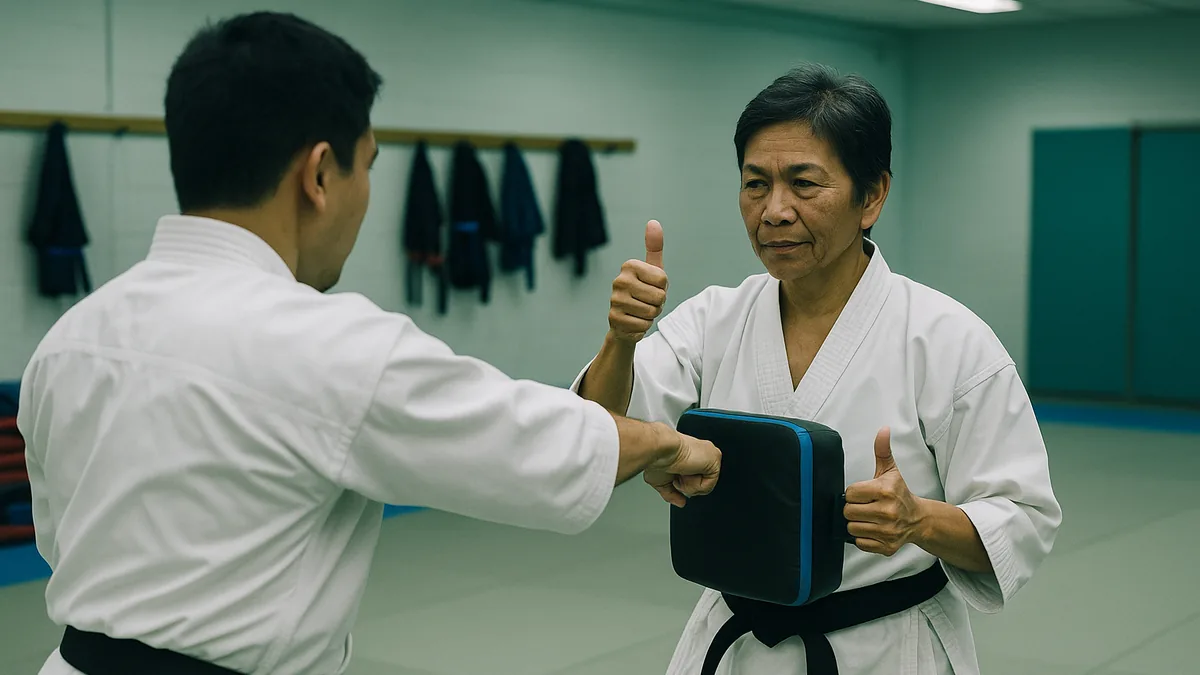
There’s also a middle category that I think is underused: structured partner drilling at realistic speed. Not slow kata bunkai, not full sparring, but combinations drilled with a partner who is giving you real resistance and real timing. This is where a lot of the connection between drilling and sparring actually happens. If you only do isolated kihon and then jump to free sparring, there’s a gap. Partner drilling at speed bridges it.
Shadowboxing is another tool that gets dismissed too quickly. Done with genuine intent - not just waving your arms around between rounds - it lets you drill timing and movement without a partner, and it’s one of the few ways to get meaningful solo repetition that isn’t just static kihon.
Community Perspective
This is genuinely contested ground in most dojos I’ve trained in. Traditional schools tend to prioritise drilling heavily, sometimes to the point where sparring is treated almost as an afterthought - something you do occasionally, not something you build your training around. Sport-oriented dojos often flip this, treating kihon as a warmup ritual before getting to the “real” work.
I’ve had this argument with instructors I respect enormously and we still don’t fully agree. One of my old senseis believed that if your kihon was right, sparring would take care of itself. I think that’s partially true but it ignores the fact that sparring develops something drilling genuinely cannot - the ability to function under pressure, with unpredictability, against someone who is actively trying to stop you. Those are not small things.
What I’ve noticed is that opinions on this tend to shift with experience. A lot of practitioners in their first few years are convinced sparring is the point of everything. By shodan or nidan, many of them have swung back toward valuing drilling more, because they’ve started to see where their technique is actually breaking down. Then by the time they’re teaching, a lot of them land somewhere in the middle - which is probably where they should have been from the start.
Key Takeaways
- Drilling builds movement architecture; sparring tests whether you actually own it. You need both, but they’re doing different jobs.
- The correction for most plateauing practitioners is more deliberate drilling, not more sparring. Sparring rarely fixes technical problems - it just works around them.
- Drill at the speed you’d actually use the technique. Ceremonial slow drilling builds ceremonial slow responses.
- Assign a purpose to each session before you start. Drifting into whatever’s comfortable is how training stagnates.
- Partner drilling at realistic speed is the bridge between kihon and free sparring - don’t skip it.
- Your ratio should shift based on where you are in your training and what you’re preparing for. There’s no single correct split, but there is a wrong answer: ignoring either side of the equation entirely.
The weekly digest
New karate articles, once a week
One email every week with everything new on Karate Lifestyle. No spam; unsubscribe in one click.
We'll email you to confirm. See our privacy policy.