Passive vs Aggressive Kumite Styles: Which Suits You and How to Develop Either Without Becoming One-Dimensional
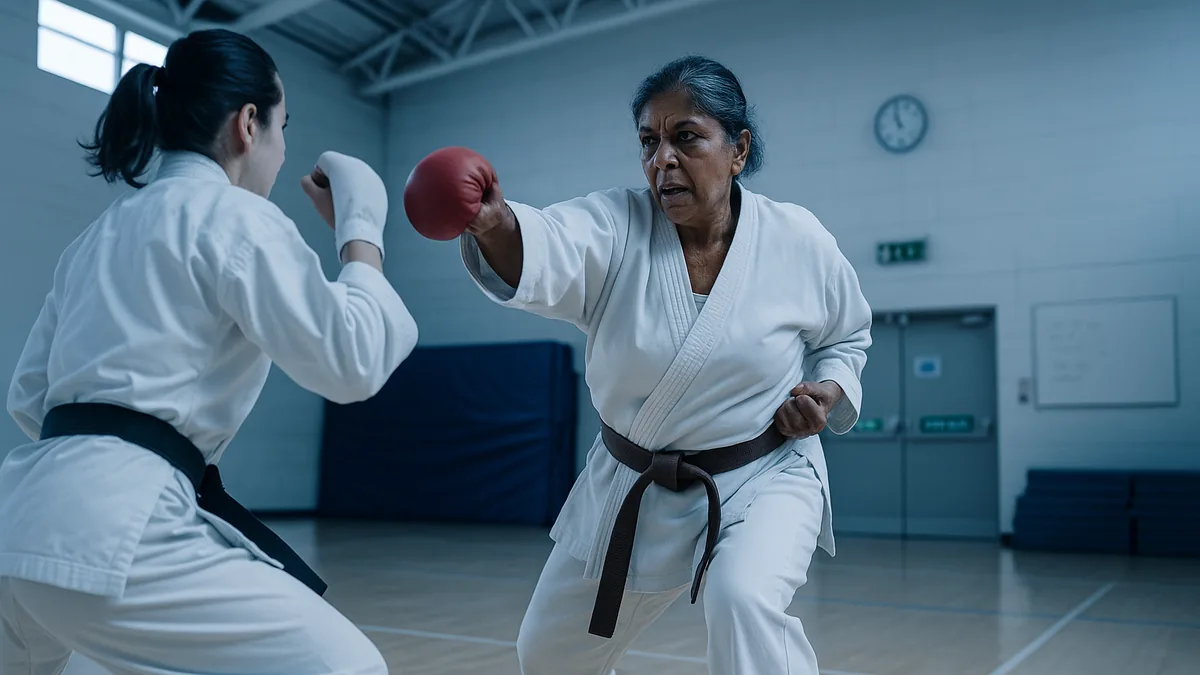
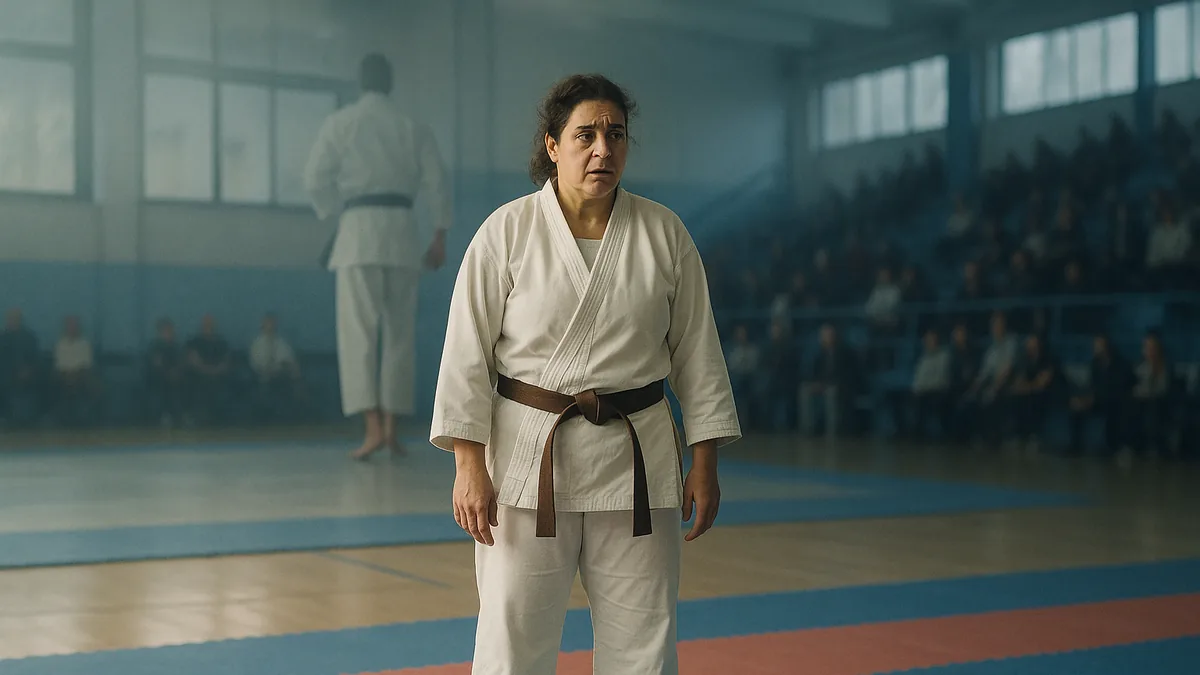
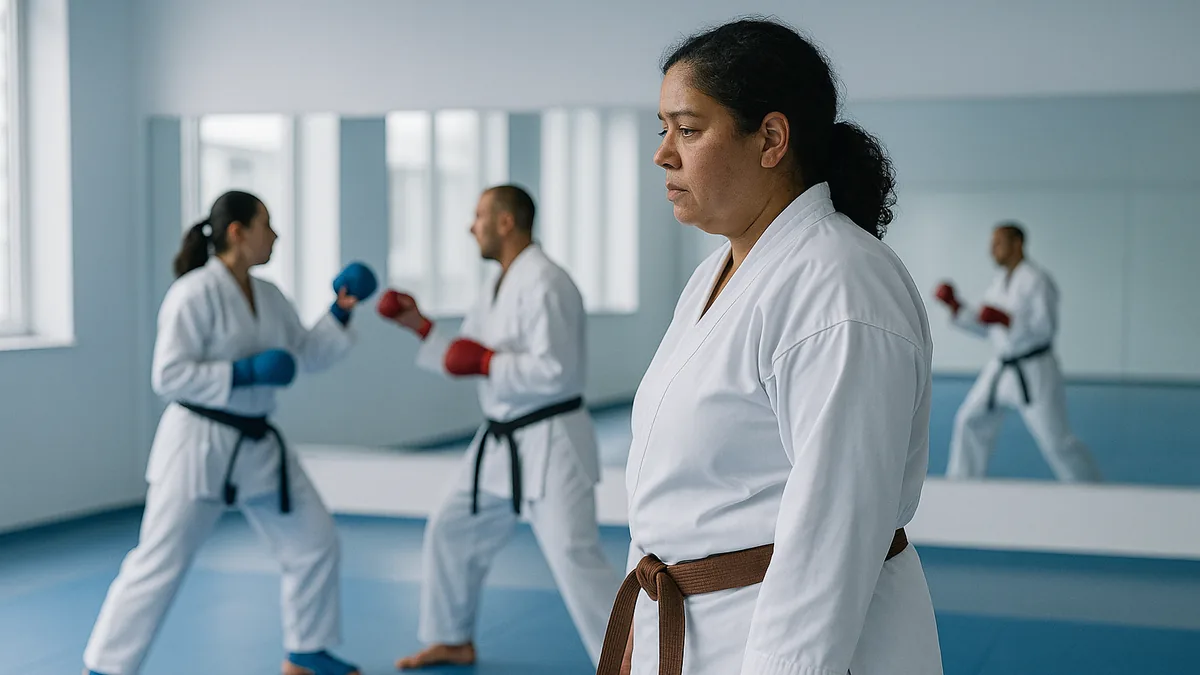
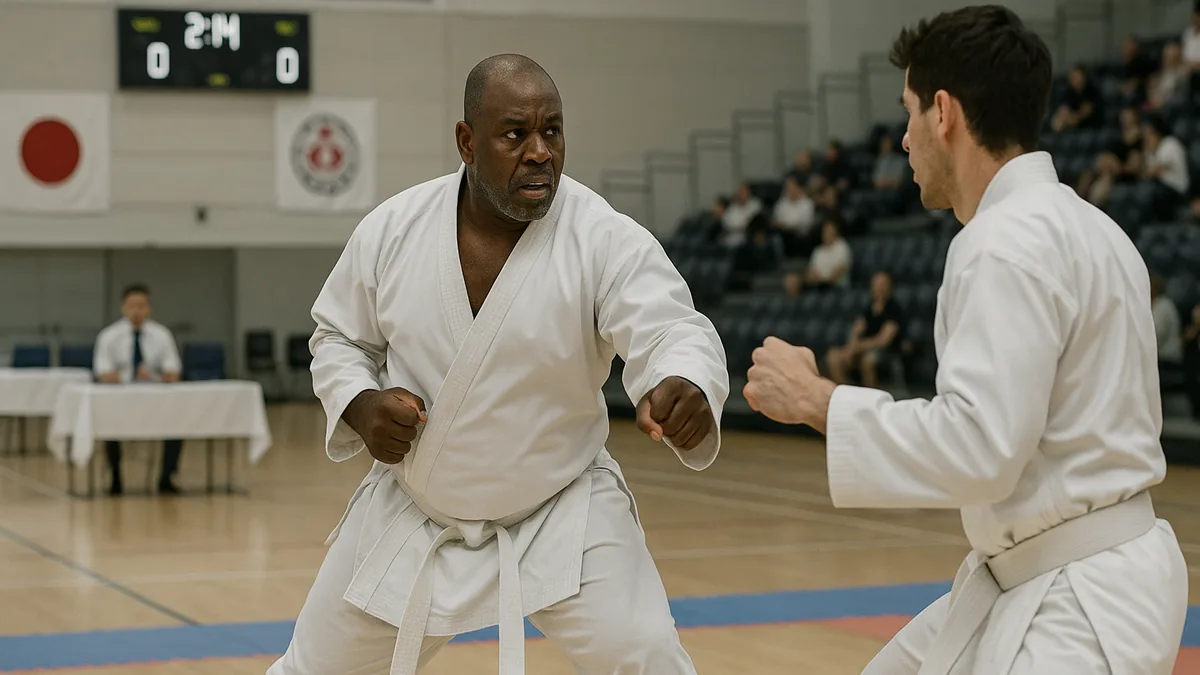
Most people who train kumite for a few years end up with a style. Not a deliberate one - something that just happened because of their body type, their instructor, or the training partners they had access to. And most of the time, that style is either too passive or too aggressive, and the practitioner has no real idea which one they are.
I’ve had students who could counter anything but never initiated. I’ve had students who charged in constantly and got countered all day. Both groups thought they were “good at kumite.” Neither one was complete.
Knowing Which One You Actually Are
Before you can develop anything, you have to be honest about your default. And this is harder than it sounds, because most practitioners have a story about themselves that doesn’t match what’s actually happening on the floor.
The passive fighter thinks they’re being “tactical.” The aggressive fighter thinks they’re being “dominant.” Strip those labels away and what you’re usually left with is one person who waits too long and another person who attacks without a plan.
Here’s how I tell the difference in training: I watch what someone does in the first ten seconds of a round. Not the first exchange - the first ten seconds. The passive fighter will be moving, reading, maybe feinting. The aggressive fighter will have already thrown something, maybe two or three things. Neither is wrong by default. But if that’s all they ever do for the entire round, you’ve found the problem.
I also watch what happens when someone gets scored on. The passive fighter tends to retreat further. The aggressive fighter tends to attack harder. Both are emotional responses, not tactical ones. That’s the tell.
Ask yourself these questions honestly:
- When you don’t know what to do, do you move backward or forward?
- When you score, do you follow up or reset?
- When you get scored on, what’s your first instinct - distance or pressure?
- Do you initiate more than you counter, or the other way around?
Your answers will tell you more than any instructor’s assessment.
What the Passive Style Actually Is (and Isn’t)
I want to clear something up because I see this confused a lot. Passive kumite is not the same as defensive kumite, and it’s not the same as cowardly kumite. Done well, it’s one of the most difficult styles to fight against.
A genuine passive fighter controls distance, reads the opponent’s rhythm, baits attacks, and counters with precision. Think of it as making your opponent do the work and then making them pay for it. The best counter-fighters I’ve trained with have this quality where they seem completely relaxed, almost disinterested - and then suddenly you’re on the wrong end of a clean gyaku-zuki and you don’t fully know how it happened.
The problem is that most people who think they fight this way are actually just hesitant. There’s a massive difference between waiting for the right moment and waiting because you’re not confident enough to commit. Hesitation looks like passivity from the outside, but it feels completely different on the inside. Real passive fighting feels calm and deliberate. Hesitation feels like you’re always a half-second late on a decision you already made too slowly.
One mistake I see constantly with students who have a passive tendency: they wait for the perfect opening instead of creating one. They’ll circle for thirty seconds, see a decent opportunity, talk themselves out of it, and then get hit by something they weren’t even watching. The correction that works here is to give them a rule - you have to initiate at least once every eight seconds. It feels artificial at first, but it forces them to stop waiting for permission.
For more on how to push into the centre and use space offensively, Controlling the Centre in Kumite is worth reading. Most passive fighters cede the centre without realising it.
What the Aggressive Style Actually Is (and Isn’t)
Aggressive kumite done well is relentless pressure, combination attacks, controlling the pace, and forcing the opponent into positions where they can’t think clearly. It’s exhausting to fight against and it’s physically demanding to maintain. When it works, it works completely.
When it doesn’t work, it looks like someone running into a wall over and over again and calling it attacking.
I used to train with a guy who was genuinely scary in the first thirty seconds of any round. Strong, fast, committed. By the second minute, he’d gassed himself and was getting countered at will. The issue wasn’t fitness - it was that every attack was maximum effort, whether it was a feint or a full combination. He couldn’t modulate. Everything was at 100%, which meant he was broadcasting everything and burning out constantly.
The biggest difference between a good aggressive fighter and a reckless one is the ability to attack with intent but not with panic. Reckless attacks feel desperate - there’s a tightness through your shoulders and chest, your breathing goes wrong, and you’re chasing the target rather than setting it up. Controlled aggression feels different. Your feet are still under you, your breath is still rhythmic, and the attack feels like it’s coming from a decision rather than a reaction to anxiety.
If you’re working on keeping that intensity without losing your head, Controlling Aggression in Kumite covers exactly that tension between pressure and composure.
One mistake I see with aggressive fighters: they attack in straight lines. Every combination goes forward. The moment an opponent steps offline or angles out, the aggressive fighter either overshoots or resets - and that reset is where they get countered. The correction is to train combinations that include a lateral component. Attack, angle, attack again. It changes everything.
Borrowing From the Other Style Without Losing Your Own
Here’s my actual position on this: I think everyone should have a primary style and a secondary style they can access under pressure. Not a hybrid where you’re neither one thing nor the other - that usually produces fighters who are mediocre at both. A genuine primary style with a genuine secondary option.
For passive fighters, the thing to borrow from aggressive kumite is the ability to impose. Not to charge in recklessly, but to be able to take the centre, set the pace, and make the opponent react to you when the situation demands it. There are rounds where waiting simply doesn’t work - your opponent is also waiting, or they’re so unpredictable that you can’t read them. You need to be able to flip a switch and start dictating.
For aggressive fighters, the thing to borrow from passive kumite is patience. Not hesitation - patience. The ability to throw one thing, see what it produces, and decide from there rather than just committing to the next attack regardless of what happened. This is where Gyaku-Zuki vs Kizami-Zuki in Competition Kumite becomes relevant - aggressive fighters often over-rely on one scoring technique because they’re not reading the situation, they’re just executing a plan they made before the round started.
Practical ways to develop your secondary style:
- Spar with a rule that forces you out of your comfort zone. Passive fighters: you must initiate every exchange. Aggressive fighters: you cannot attack until your opponent has thrown something first.
- Do timed rounds where you switch style at the halfway point. First 90 seconds passive, last 90 seconds aggressive. It feels jarring initially and that discomfort is the point.
- Find training partners whose style matches your weakness. Passive fighters should spar with other passive fighters - it forces someone to break the stalemate. Aggressive fighters should spar with experienced counter-fighters who will make them pay for every reckless attack.
Situational Sparring: The Thing Most People Skip
I’ve noticed that most practitioners train kumite as if every round is the same situation. Same distance, same stakes, same opponent type. In reality, kumite demands constant situational reading - what’s the score, what’s the time, what has my opponent shown me, what’s working and what isn’t?
Situational sparring is the practice of starting rounds with a specific scenario already in place. You’re down by two points with ninety seconds left. You’re up by one point with thirty seconds left. Your opponent has been countering your front leg every time you advance. Your opponent keeps running - how do you close distance without getting countered?
What I tell students is that situational sparring is where you actually test whether you have a secondary style or just think you do. When you’re down on points and time is running out, your default style will take over completely unless you’ve trained the other one enough that it’s genuinely available. Most people discover in that moment that their secondary style is theoretical.
This also applies to how your style needs to adapt for your physical build. A shorter, heavier practitioner fighting passively is giving up one of their natural advantages. A taller fighter who charges in constantly is nullifying their range. Kumite for Heavier or Shorter Karateka gets into how build should inform your stylistic choices, which is a conversation worth having before you decide what your primary style should be.
Community Perspective
This is one of those topics where I’ve genuinely seen intelligent practitioners land on completely different conclusions. Some very experienced fighters I respect believe you should commit fully to one style and refine it to the highest level possible - the argument being that a specialist will beat a generalist most of the time. I’ve seen that work. I’ve also seen highly specialised fighters completely fall apart when they met someone who neutralised their one strength.
The other camp - which I lean toward - believes that stylistic versatility is what separates good fighters from complete fighters. Not the ability to be average at everything, but the ability to shift gears when the situation changes.
There’s also a generational split worth acknowledging. Older practitioners who trained before competition kumite became as structured as it is now often have a more fluid approach to style - they were trained to read the situation and respond, not to execute a game plan. Younger competition-focused practitioners often have a much clearer identity as either counter-fighters or pressure fighters, which works well in a points format but can become a limitation.
And if you’re thinking about any of this from the perspective of competing later in your career, Kumite After 40 is relevant - the balance between passive and aggressive tends to shift naturally as recovery time increases, and having already developed both styles gives you more options when your body starts making decisions for you.
Key Takeaways
- Identify your default honestly - watch what you do in the first ten seconds of a round and what you do immediately after being scored on. That’s your real style, not the one you think you have.
- Passive is not hesitation - if waiting feels like anxiety rather than calm deliberation, you’re not fighting passively, you’re fighting scared. The correction is forced initiation drills until committing feels normal.
- Aggressive is not reckless - if your attacks feel desperate and your breathing goes wrong mid-combination, you’ve crossed from pressure into panic. Train combinations that include angles, not just forward momentum.
- Develop a genuine secondary style, not a theoretical one - the test is situational sparring under pressure. If you can’t access your secondary style when you’re down on points with a minute left, you don’t have one yet.
- Your build should inform your primary style - fighting against your physical strengths is a choice, and it’s usually the wrong one. Work out what your body does naturally before you decide what kind of fighter you want to be.
- Slow reactions will limit both styles equally - if you’re finding that neither passive reading nor aggressive timing is working, the issue might be reaction speed before it’s style. How to Fix Slow Reactions in Kumite is worth working through before you overhaul your stylistic approach.
The weekly digest
New karate articles, once a week
One email every week with everything new on Karate Lifestyle. No spam; unsubscribe in one click.
We'll email you to confirm. See our privacy policy.